Radicchio
Cichorium intybus
Radicchio is a leafy chicory grown for its striking red-and-white heads. Cool weather deepens their rich, vivid color.
- Light
- Full sun to part shade
- Water
- Consistent, even moisture
- Difficulty
- Moderate
Got a plant like this?
Identify any plant from a photo, free.
Overview
Radicchio is a cultivated form of common chicory grown for its crisp, brightly colored leaves. The best-known types form tight, cabbage-like heads of deep red leaves veined in white.
A cool-season crop, radicchio develops its vivid color as temperatures drop, making it primarily an autumn and winter plant in many regions.
How to identify it
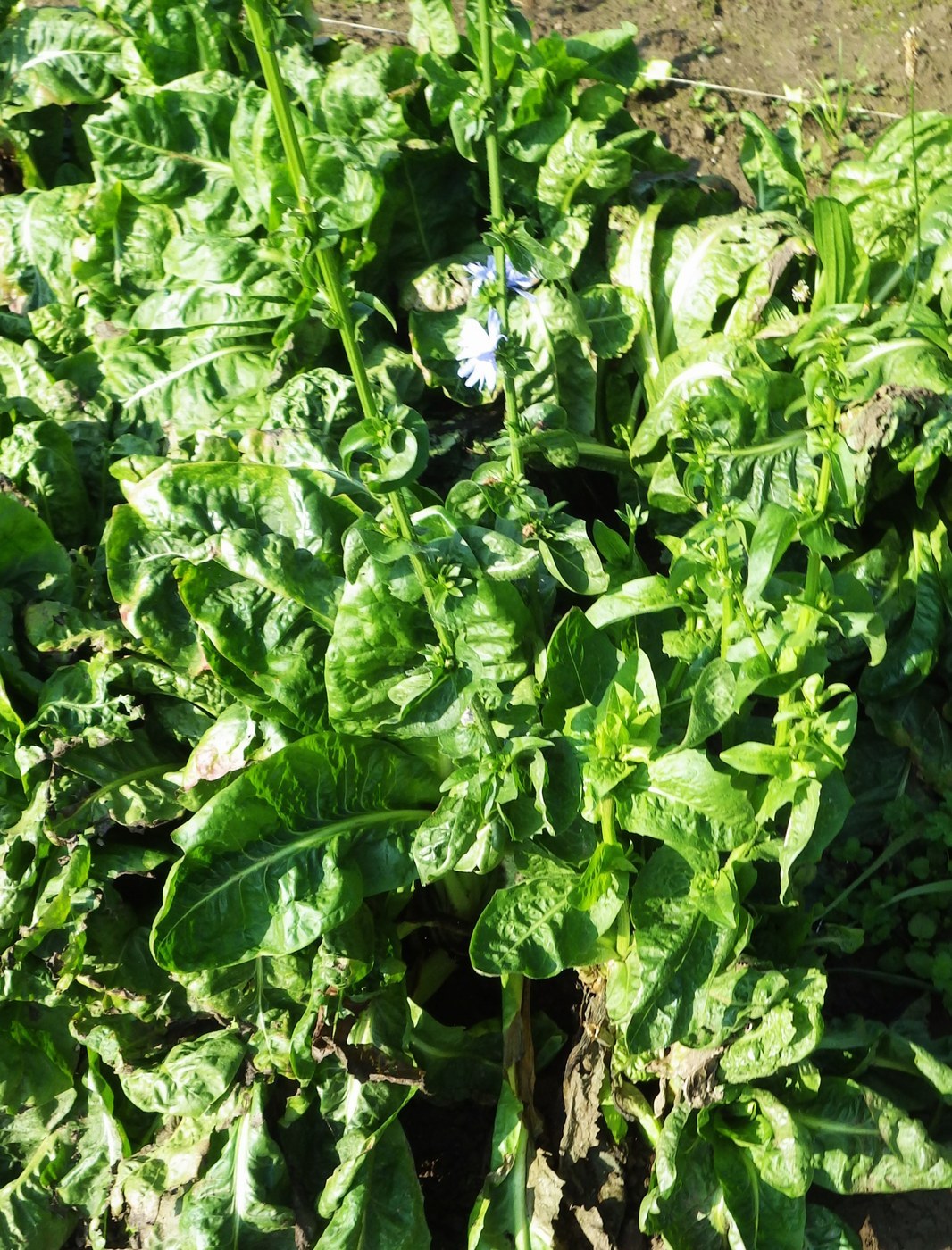
A head or rosette of red-and-white leaves.
- Leaves: Smooth, firm, deep burgundy-red with bold white midribs and veins; some varieties are speckled or form looser rosettes
- Head: Heading types (like Chioggia) form a round, tight head resembling a small red cabbage; others (like Treviso) are elongated
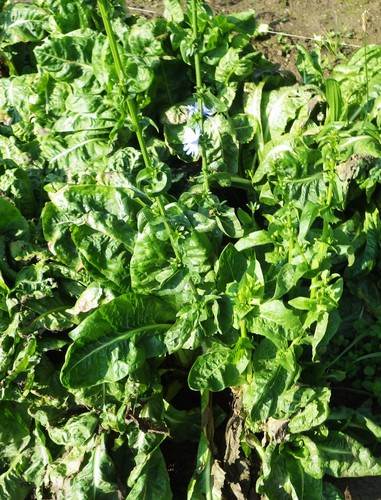
- Flowers: Blue, dandelion-like blooms if the plant bolts
- Habit: Compact rosette or head, typically 6-10 in
- Taproot: Stout, like its chicory relatives
Care & growing
Light: Full sun, with some afternoon shade welcome in warm climates.
Water: Consistent, even moisture for firm heads.
Soil: Fertile, well-drained soil; pH 6.0-6.8.
Temperature: A cool-season crop; cool weather and light frost intensify the leaf color.
Feeding: Moderate; balanced feeding supports steady leaf growth.
Propagation: From seed sown in summer for fall growth; some traditional types are forced after cutting back to produce new heads.
Habitat & origin
Radicchio derives from wild chicory native to Europe and is especially associated with the Veneto region of northern Italy, where distinct local types like Treviso and Chioggia were developed.
It grows well in cool temperate climates and is cultivated commercially in Italy, the US (notably California), and elsewhere as interest in chicories has risen.
Frequently asked questions
How do I get radicchio to form a head?
Heading varieties form tight heads as cool autumn weather arrives. Cool temperatures, consistent watering, and the right variety are key; some traditional types are cut back to force a second head.
Is radicchio the same as red cabbage?
No. Although it looks similar, radicchio is a chicory (Cichorium intybus), not a cabbage, and the two are botanically unrelated.
When should I plant radicchio?
Sow in mid to late summer so the heads mature in the cool of autumn, when the color is best. Spring crops often bolt in the heat.
Radicchio guides
In-depth guides for identifying, growing, and caring for Radicchio.