Scarlet Runner Bean
Phaseolus coccineus
A vigorous climbing bean grown for its showy scarlet flowers and long, flat pods, equally at home on an ornamental fence or a garden trellis.
- Light
- Full sun
- Water
- Regular; keep consistently moist
- Difficulty
- Easy
Got a plant like this?
Identify any plant from a photo, free.
Overview
The scarlet runner bean is a fast-growing perennial vine, usually grown as an annual, native to the cool highlands of Central America. It is prized as an ornamental climber smothered in bright red flowers.
Its twining stems quickly cover trellises, arches, and fences, and the flowers give way to long, flat pods. A fruiting vine, it is a classic plant of cottage and kitchen gardens.
How to identify it
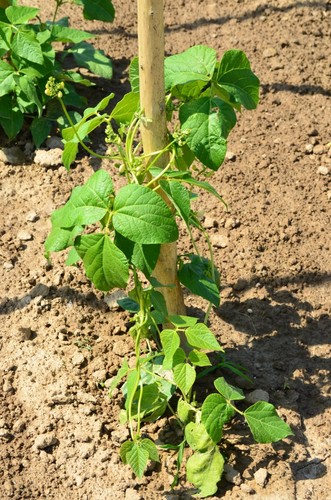
A tall, twining climber with bright flowers and large leaves.
- Flowers: showy pea-like blooms in clusters, typically vivid scarlet (some forms white or bicolored)
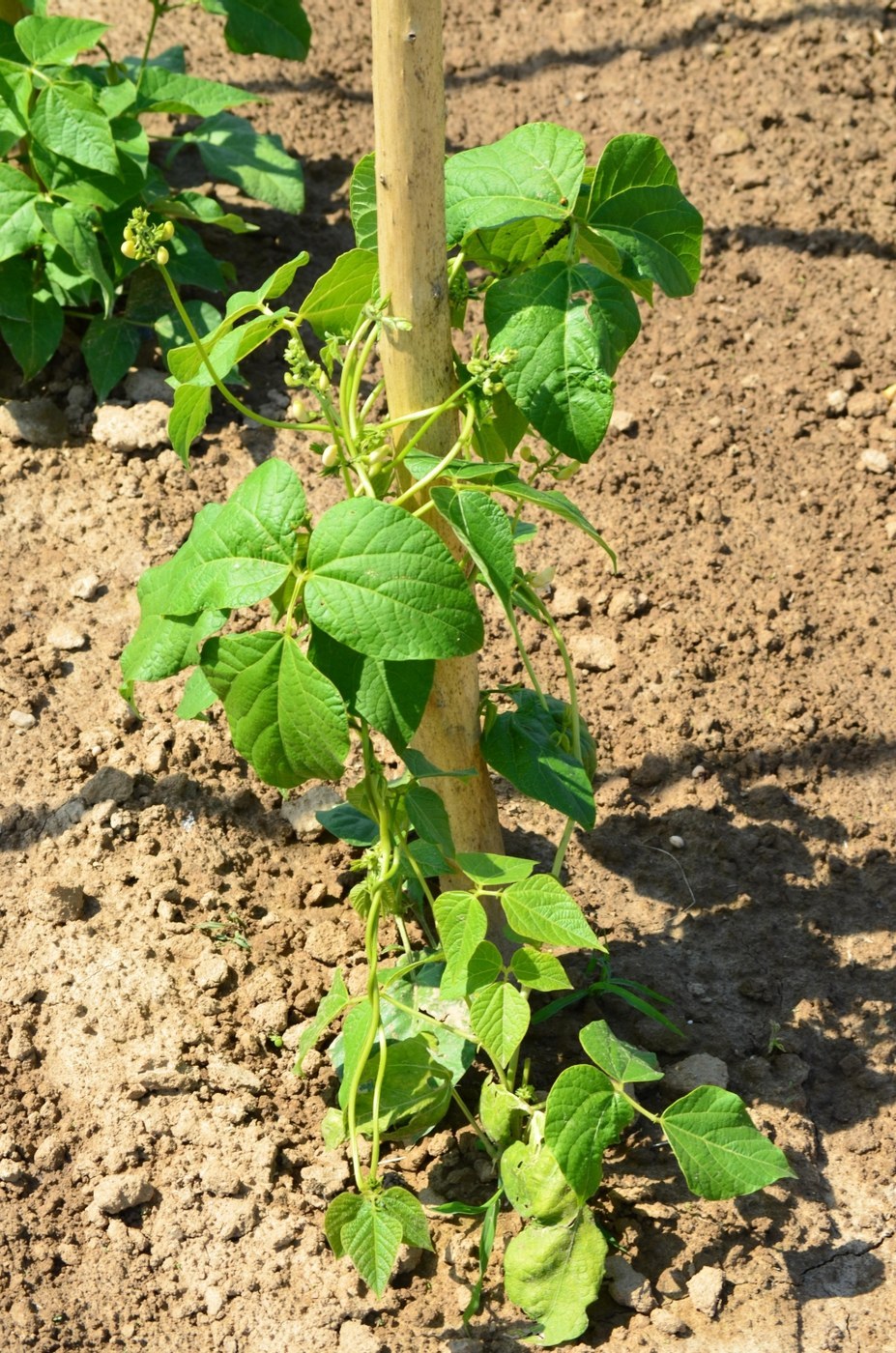
- Leaves: large, trifoliate with broad heart-shaped leaflets
- Pods: long, flat, and often rough-textured, green ripening to develop large seeds
- Seeds: large, plump, usually black-and-purple mottled
- Habit: twines counterclockwise, climbing to 2-4 m
- Roots: forms a tuberous root that can survive mild winters
Care & growing
- Light: full sun for the best flowering
- Water: keep consistently moist, especially while flowering and setting pods; dryness causes flowers to drop
- Soil: rich, well-drained soil with plenty of organic matter
- Temperature: prefers cool to mild summers; sets pods poorly in extreme heat
- Support: provide a tall trellis, poles, or netting to climb
- Propagation: sow seed directly after frost; remove old pods regularly to prolong flowering
Habitat & origin
Phaseolus coccineus originates in the cool, moist mountain regions of Mexico and Central America, where it grows as a perennial vine.
It has been cultivated for thousands of years and is especially popular in Britain and Europe as a summer garden climber. It is grown worldwide on trellises and arches in vegetable plots and ornamental gardens alike.
Frequently asked questions
Is it grown for its flowers?
Yes, it is widely planted for its showy clusters of vivid scarlet pea-like flowers, which make it a favorite ornamental climber.
Why are the flowers dropping without forming pods?
This is usually caused by heat or dry soil; keep plants well watered and they set best in cooler conditions.
Is the scarlet runner bean a perennial?
It is technically a tender perennial with tuberous roots, but it is almost always grown as an annual.
How tall does it climb?
Its twining stems climb counterclockwise to about 2 to 4 m, readily covering trellises, arches, and fences.
Scarlet Runner Bean guides
In-depth guides for identifying, growing, and caring for Scarlet Runner Bean.
How to Care for Scarlet Runner Bean
Grow the vigorous Scarlet Runner Bean: a fast climbing vine with brilliant red flowers, thriving in full sun with steady moisture.
Scarlet Runner Bean Identification Guide
Recognize the scarlet runner bean by its twining vines, bright red pea-like flowers, large trifoliate leaves and long rough pods. This guide details its identifying traits.