Agrimony
Agrimonia eupatoria
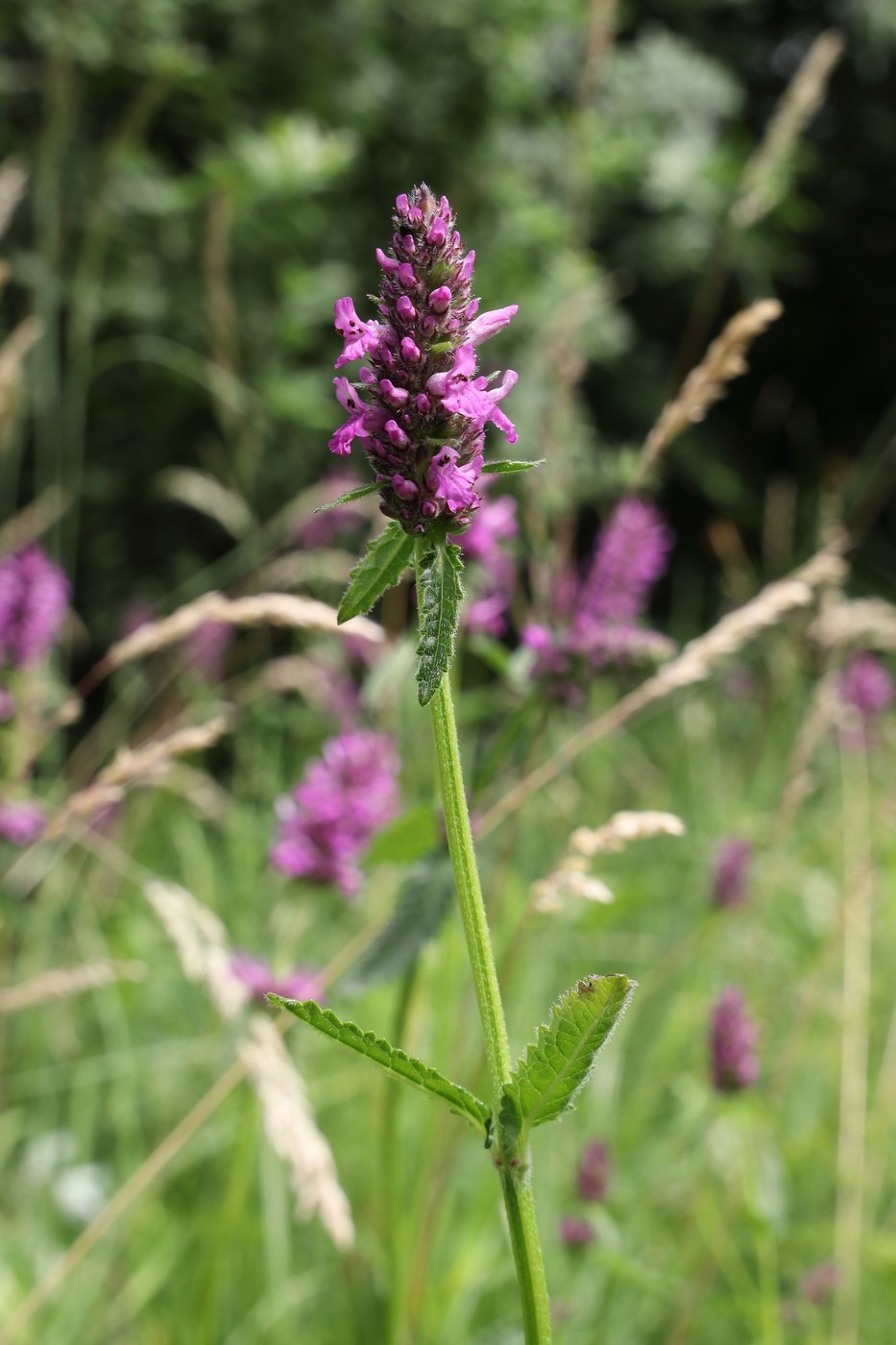
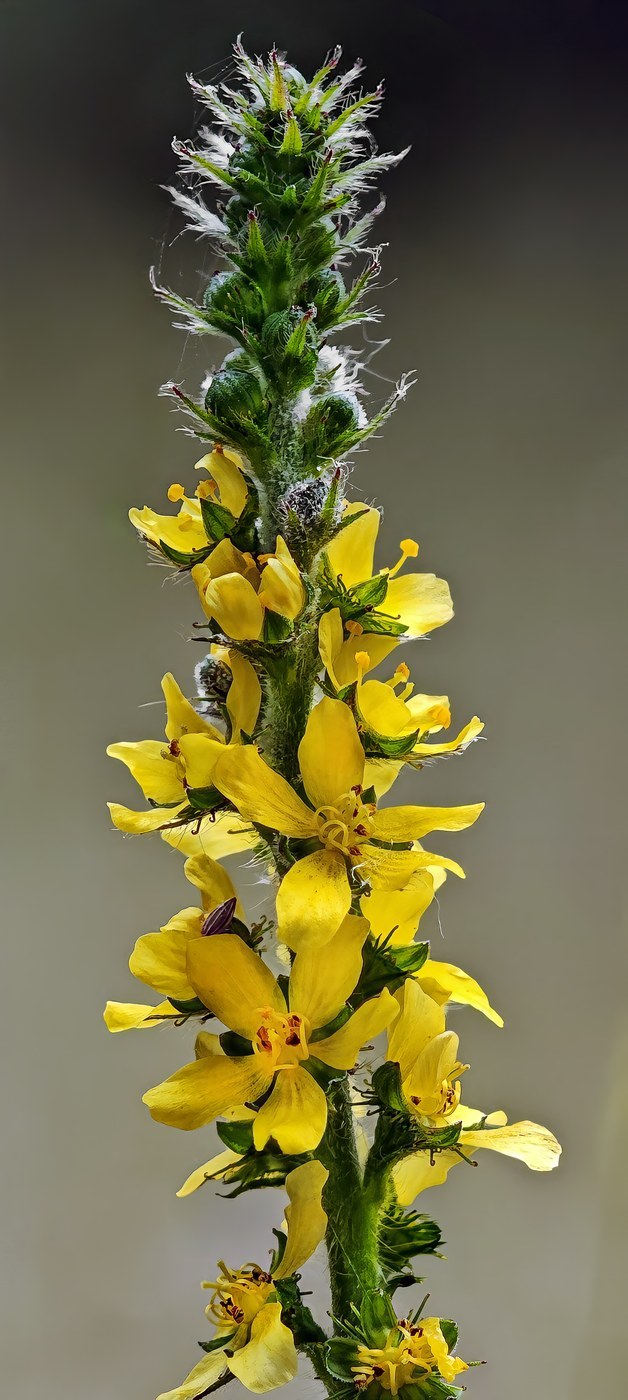
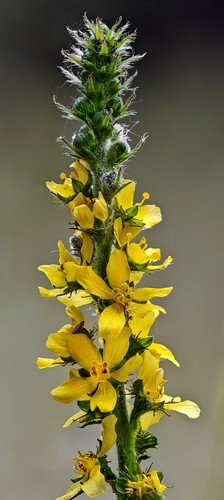
Agrimony is an upright perennial herb topped with slender spires of small yellow flowers that smell faintly of apricot. It produces bur-like seeds that cling to passersby.
- Light
- Full sun to part shade
- Water
- Moderate; well-drained soil
- Difficulty
- Easy
Got a plant like this?
Identify any plant from a photo, free.
Overview
Agrimony (Agrimonia eupatoria) is a rose-family perennial recognized by its tall, tapering wands of tiny yellow flowers, earning it the folk name 'church steeples.' Its softly hairy, divided leaves form an attractive basal clump.
After flowering it forms small hooked burs that hitchhike on fur and clothing to spread seed.
How to identify it
- Leaves: Pinnate, softly hairy leaves with toothed leaflets of alternating sizes
- Flowers: Slender erect spikes of small, five-petaled yellow flowers opening from the bottom up
- Scent: Faint apricot-like fragrance from the foliage and flowers
- Seed: Bristly, hooked burs that cling to animals and clothing
- Habit: Upright perennial 1-3 ft tall
Care & growing
Light: Full sun to light shade.
Water: Average moisture in well-drained soil; moderately drought-tolerant.
Soil: Tolerates poor, dry, calcareous soils.
Temperature: Hardy to USDA zone 6 (sometimes lower).
Feeding: Minimal; thrives without fertilizer.
Propagation: Sow seed in autumn or divide established clumps in spring. Self-seeds modestly via clinging burs.
Habitat & origin
Agrimony is native to Europe, western Asia, and North Africa, growing in meadows, hedgerows, woodland edges, and grassy banks, often on chalky soils.
It has naturalized in parts of North America and is grown in herb gardens, wildflower meadows, and pollinator plantings.
Frequently asked questions
Why is agrimony called church steeples?
Because of its tall, slender, tapering spikes of yellow flowers that resemble a church spire.
What does agrimony smell like?
The leaves and flowers give off a faint apricot-like fragrance, especially when brushed or crushed.
How tall does agrimony grow?
It is an upright perennial reaching about 1 to 3 feet, rising from a basal clump of softly hairy, divided leaves.
Do agrimony seeds stick to clothes?
Yes. The seeds form small hooked burs that catch on fur and fabric, helping the plant disperse.
Agrimony guides
In-depth guides for identifying, growing, and caring for Agrimony.
How to Care for Agrimony
Grow Agrimonia eupatoria as an easy hardy perennial with tall spikes of small yellow flowers for sunny borders and wild gardens.
Agrimony Identification Guide
Recognize common agrimony (Agrimonia eupatoria) by its toothed, interrupted-pinnate leaves, tall slender spike of small yellow flowers, and hooked burr seeds.