Aloe Vera
Aloe vera
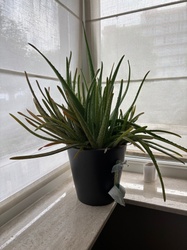
Aloe vera is a hardy succulent with thick, fleshy leaves arranged in a rosette and filled with a clear inner gel. It is easy to grow on a sunny windowsill and needs very little water.
- Light
- Bright direct to indirect light
- Water
- Sparingly; let soil dry fully
- Difficulty
- Easy
Got a plant like this?
Identify any plant from a photo, free.
Overview
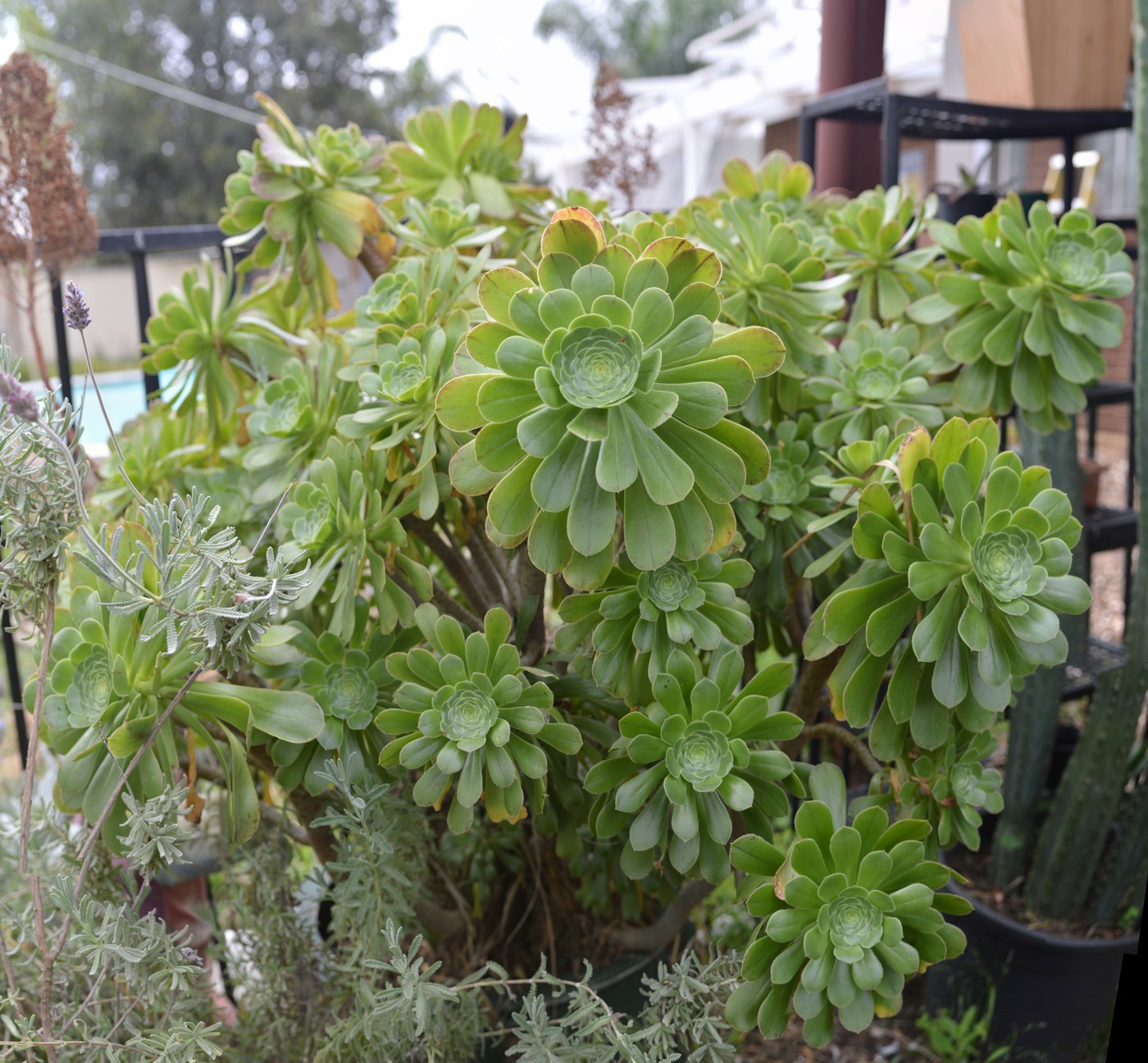
Aloe vera is a stemless or short-stemmed succulent forming rosettes of thick, fleshy, pointed leaves. It is one of the most widely cultivated and recognized succulents in the world.
The leaves store a clear inner gel rich in water, surrounded by a thin layer of yellow latex just beneath the skin.
Adaptable and drought-tolerant, aloe vera thrives indoors on a bright windowsill and outdoors in warm, dry climates.
How to identify it
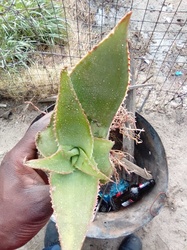
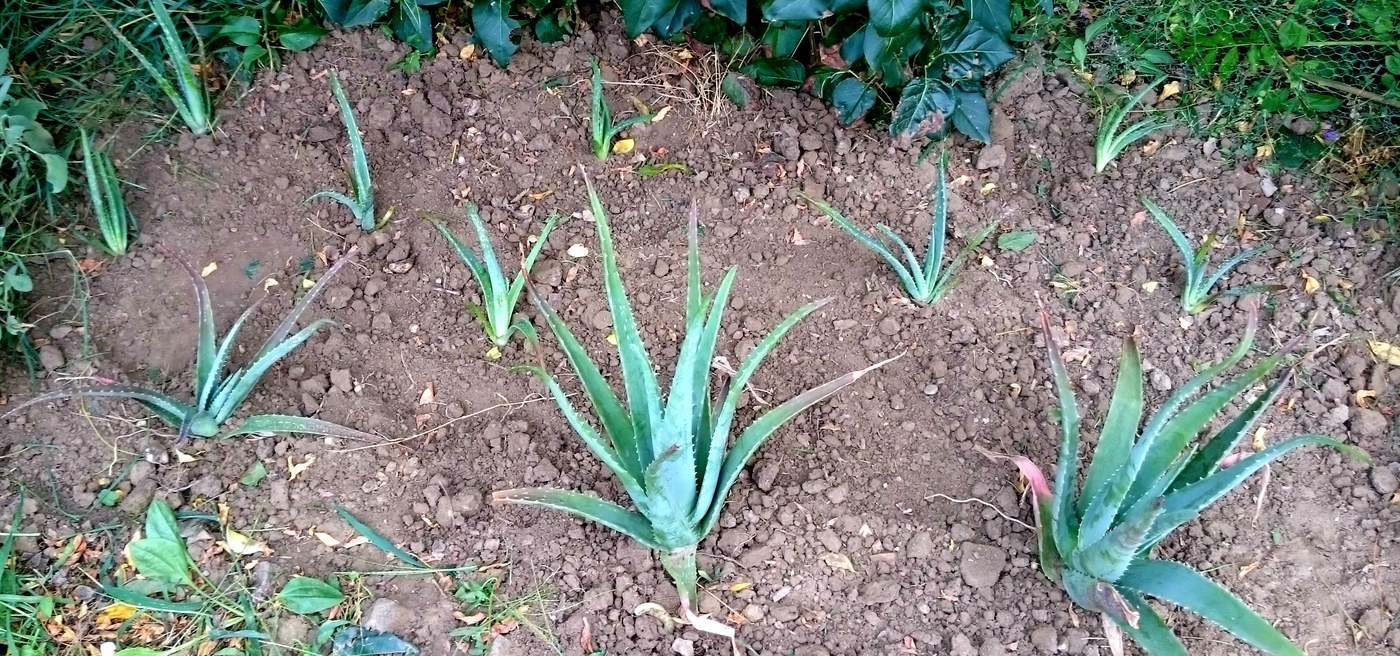
- Leaves: Thick, fleshy, lance-shaped leaves in a rosette, gray-green to bright green, often with white speckling when young and small white teeth along the margins
- Gel: Cut leaves reveal a clear, slimy gel surrounded by a thin layer of yellow latex
- Habit: Stemless rosette that produces offset 'pups' at the base
- Flowers: Mature plants send up a tall spike of tubular yellow to orange flowers
- Size: Typically 1-2 feet tall and wide
Care & growing
Light: Bright light, including several hours of direct sun. Insufficient light causes leggy, flattened growth.
Water: Water deeply but infrequently, letting the soil dry completely between waterings. Water roughly every 2-3 weeks; much less in winter. Overwatering causes rot.
Soil: Gritty, fast-draining cactus or succulent mix.
Temperature: Prefers 55-80°F (13-27°C); protect from frost.
Feeding: Optional light feeding once or twice in spring/summer with diluted succulent fertilizer.
Propagation: Easily propagated by removing and replanting the offset pups that form around the base.
Habitat & origin
Aloe vera's exact wild origin is uncertain, but it is thought to derive from the Arabian Peninsula. It has been cultivated for thousands of years and is now naturalized across North Africa, the Mediterranean, the Canary Islands, and many other warm regions.
It grows well outdoors in USDA zones 9-11 in arid, well-drained soils, and is grown indoors worldwide as an ornamental succulent.
Frequently asked questions
How often should I water aloe vera?
Only when the soil is completely dry, about every 2-3 weeks in summer and far less in winter. It is very drought tolerant.
Why are my aloe leaves turning brown or red?
Reddish or brown leaves often indicate sun stress, underwatering, or cold. Brown mushy leaves instead point to overwatering and rot.
How do I propagate aloe vera?
Remove the small offset pups that form around the base and replant them in gritty, fast-draining soil.
Where does aloe vera come from?
Its exact wild origin is uncertain but is thought to be the Arabian Peninsula; it is now naturalized across many warm, arid regions worldwide.
Aloe Vera guides
In-depth guides for identifying, growing, and caring for Aloe Vera.
How to Care for Aloe Vera
Grow Aloe vera easily with bright light, gritty free-draining soil, and sparing water once the soil dries out fully.
Aloe Vera Identification Guide
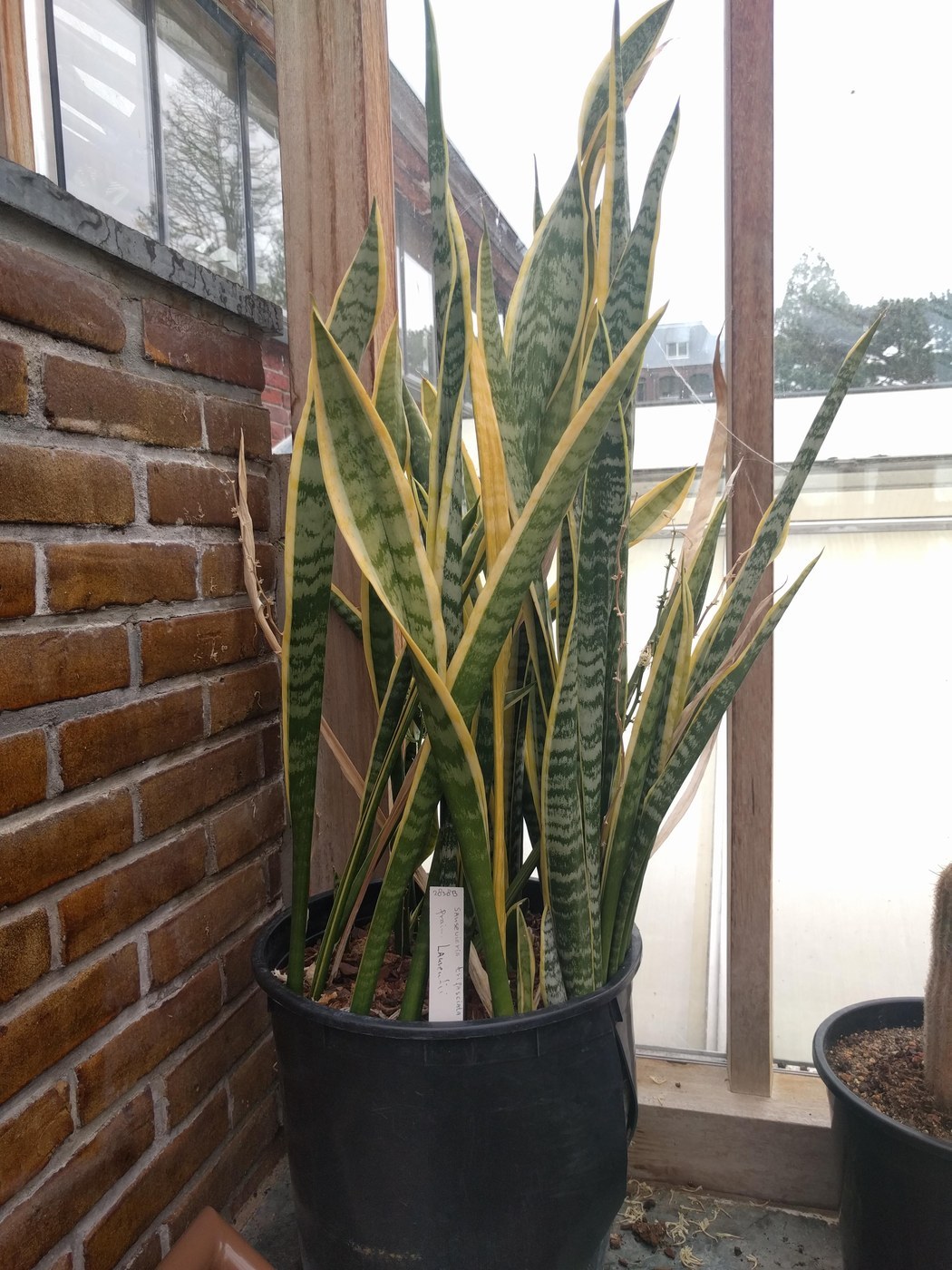
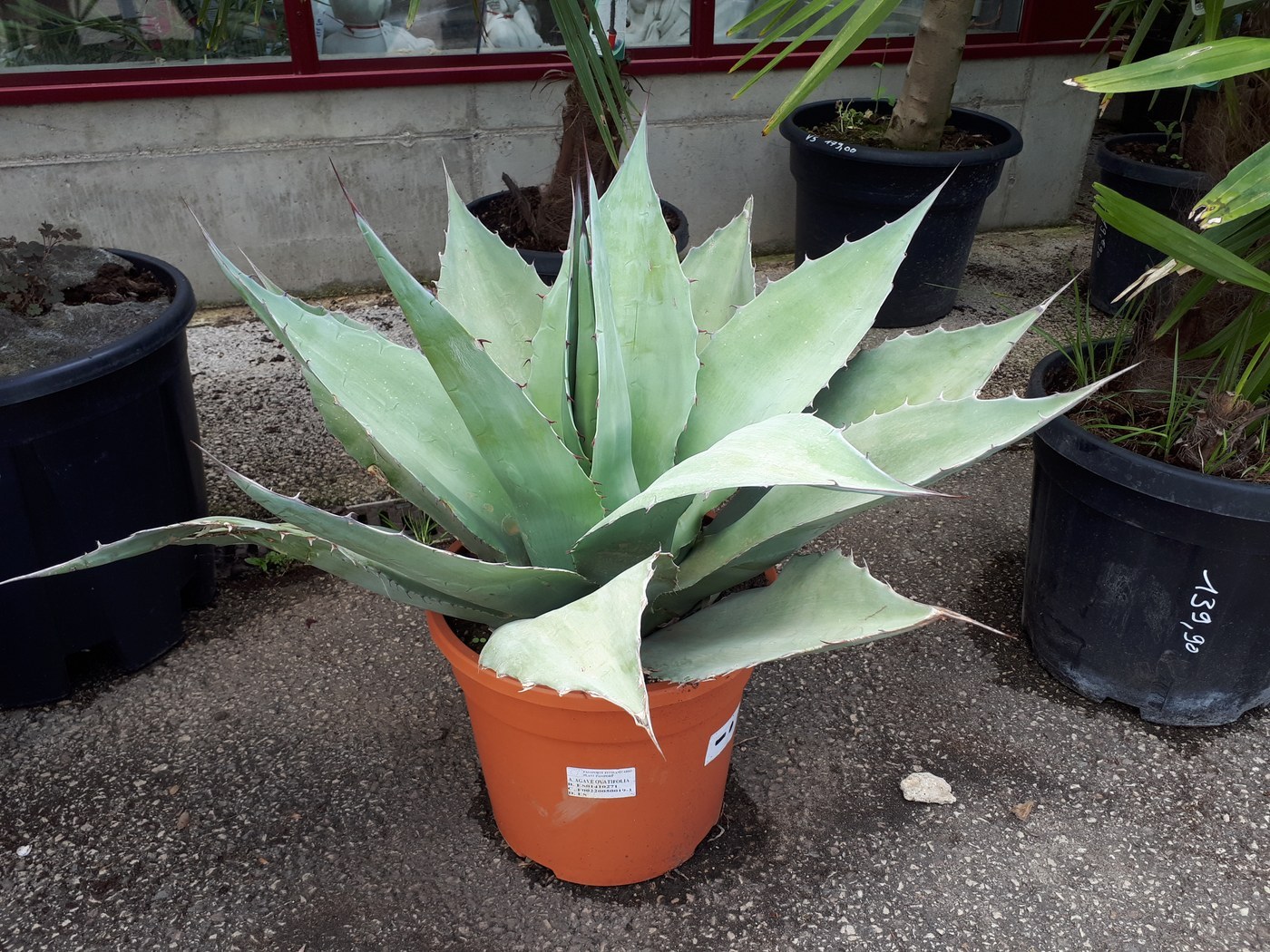
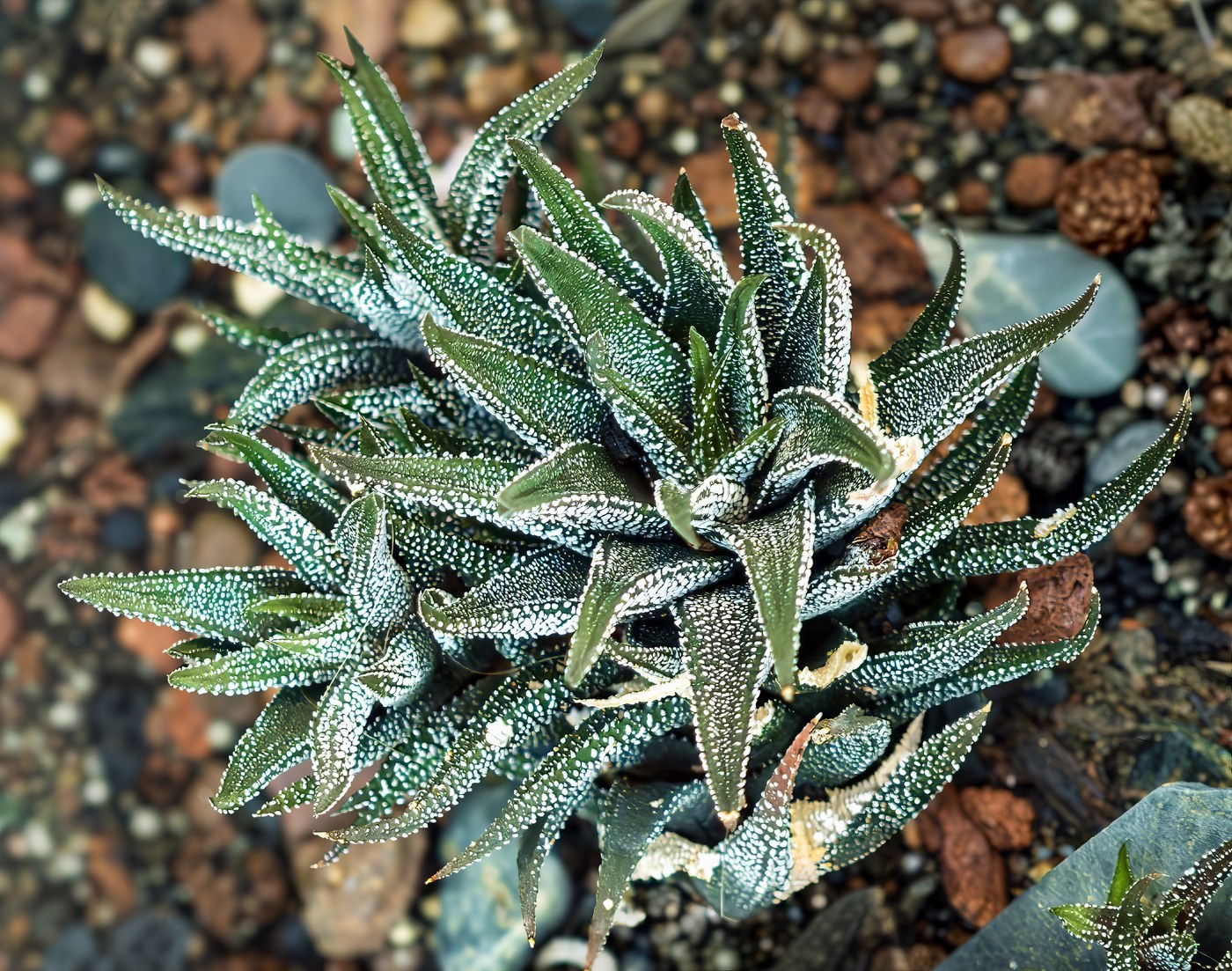
Identify true aloe vera (Aloe barbadensis) by its thick, gel-filled, toothed rosette leaves and tubular yellow flowers, and separate it from look-alike agaves and haworthias.
Aloe Vera identified by the community
Real specimens identified with Plant Identifier.