Bindweed
Convolvulus arvensis
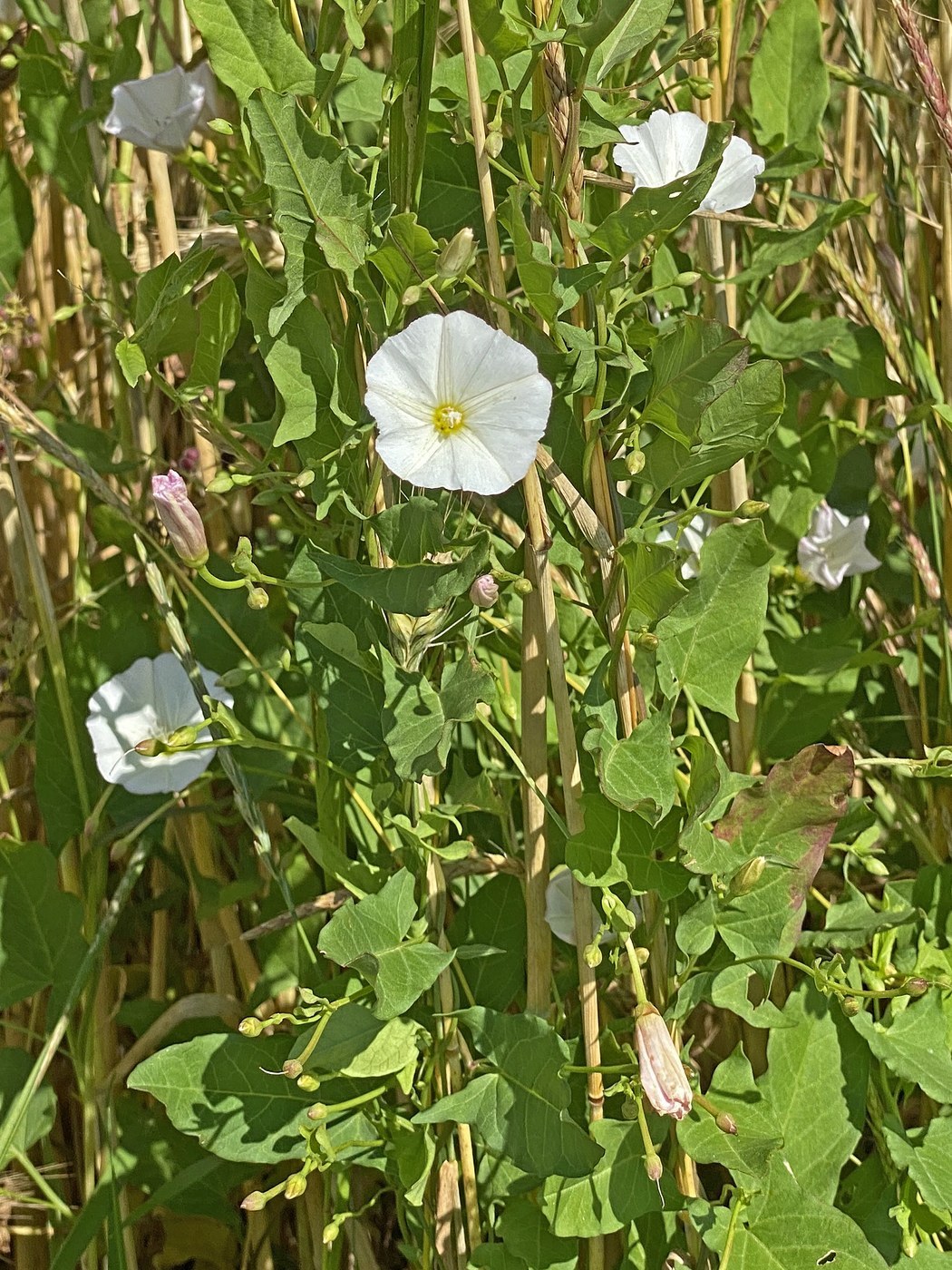
Bindweed is a fast-twining perennial vine with arrowhead leaves and small white-to-pink morning-glory flowers that smothers gardens and crops. Its deep, persistent root system makes it one of the hardest weeds to eradicate.
- Light
- Full sun
- Water
- Drought tolerant
- Difficulty
- Easy
Got a plant like this?
Identify any plant from a photo, free.
Overview
Field bindweed (Convolvulus arvensis) is a perennial vine in the morning-glory family native to Europe and Asia and now a widespread weed worldwide. It twines around plants, fences and stems, climbing or sprawling to form smothering mats, and produces small trumpet-shaped flowers like a miniature morning glory.
Its reputation as a near-unkillable weed comes from an extraordinarily deep and extensive root system that can reach many feet down and resprout from small root fragments, plus long-lived seeds that can remain viable in soil for decades.
Though sometimes mistaken for ornamental morning glories, it is a persistent agricultural and garden pest rather than a desirable plant.
How to identify it
A twining or sprawling perennial vine with stems often 1-6 ft long.
- Leaves: alternate, arrowhead- to spade-shaped (with backward-pointing basal lobes), 1-2 in long, smooth-edged
- Flowers: funnel/trumpet-shaped, about 1 in across, white to pale pink, opening in morning and on sunny days (like a small morning glory)
- Stems: slender, twining counterclockwise around supports and other plants
- Roots: deep vertical roots plus spreading lateral roots and rhizomes, the source of its persistence
- Note: smaller flowers and leaves than the annual ornamental morning glory (Ipomoea)
Care & growing
A noxious weed in many places; guidance is for control.
- Light: Full sun; thrives in open, disturbed and cultivated ground
- Water: Very drought tolerant thanks to its deep roots
- Soil: Adaptable to most soils
- Control (mechanical): Persistent removal of top growth to starve the roots over many seasons; tilling fragments and spreads the roots, so it is counterproductive alone
- Control (chemical): Systemic herbicides (e.g. glyphosate, or 2,4-D combinations) applied at flowering or in early fall to reach the roots; repeat treatments are essential
- Smothering: Heavy mulch or landscape fabric over multiple seasons can suppress it
- Prevention: Never let it set seed, since seeds survive decades in soil
Habitat & origin
Native to Europe and Asia, field bindweed has naturalized throughout temperate and subtropical regions worldwide and is listed as a noxious weed in many countries and U.S. states.
It colonizes cultivated fields, gardens, vineyards, orchards, roadsides, waste places and any open, sunny, disturbed ground, twining over crops, fences and other vegetation.
Frequently asked questions
Is bindweed the same as morning glory?
They are related (same family) but different. Bindweed (Convolvulus arvensis) is a perennial weed with smaller flowers and leaves; ornamental morning glories are usually larger-flowered annual Ipomoea species.
Why is bindweed so hard to get rid of?
Its roots run very deep and resprout from small fragments, and its seeds can survive in soil for decades, so any disturbance can trigger regrowth.
How do I kill bindweed?
Combine persistent removal of top growth, smothering with mulch or fabric, and systemic herbicides applied at flowering or in fall, repeated over several seasons. Never let it seed.
Will tilling get rid of bindweed?
No, it usually makes it worse. Tilling chops the roots into pieces that each sprout into new plants.
Bindweed guides
In-depth guides for identifying, growing, and caring for Bindweed.
How to Care for Bindweed
A grower's guide to Convolvulus arvensis: a vigorous, drought-tolerant climbing vine with white to pink trumpet flowers that needs firm containment.
Bindweed Identification Guide
How to identify field bindweed (Convolvulus arvensis), a twining vine weed with arrowhead leaves and white-to-pink funnel flowers.
Bindweed identified by the community
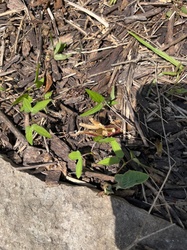
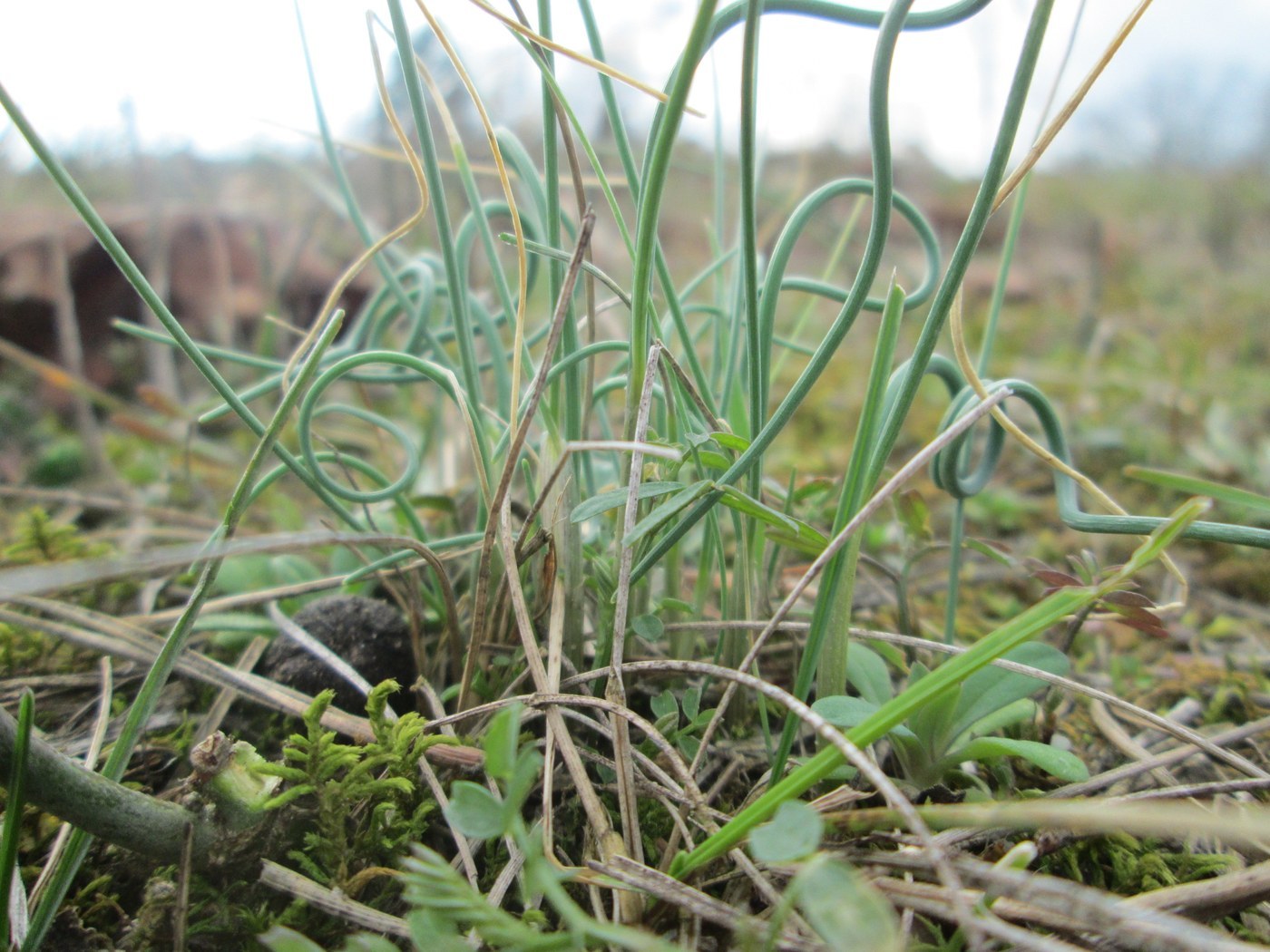
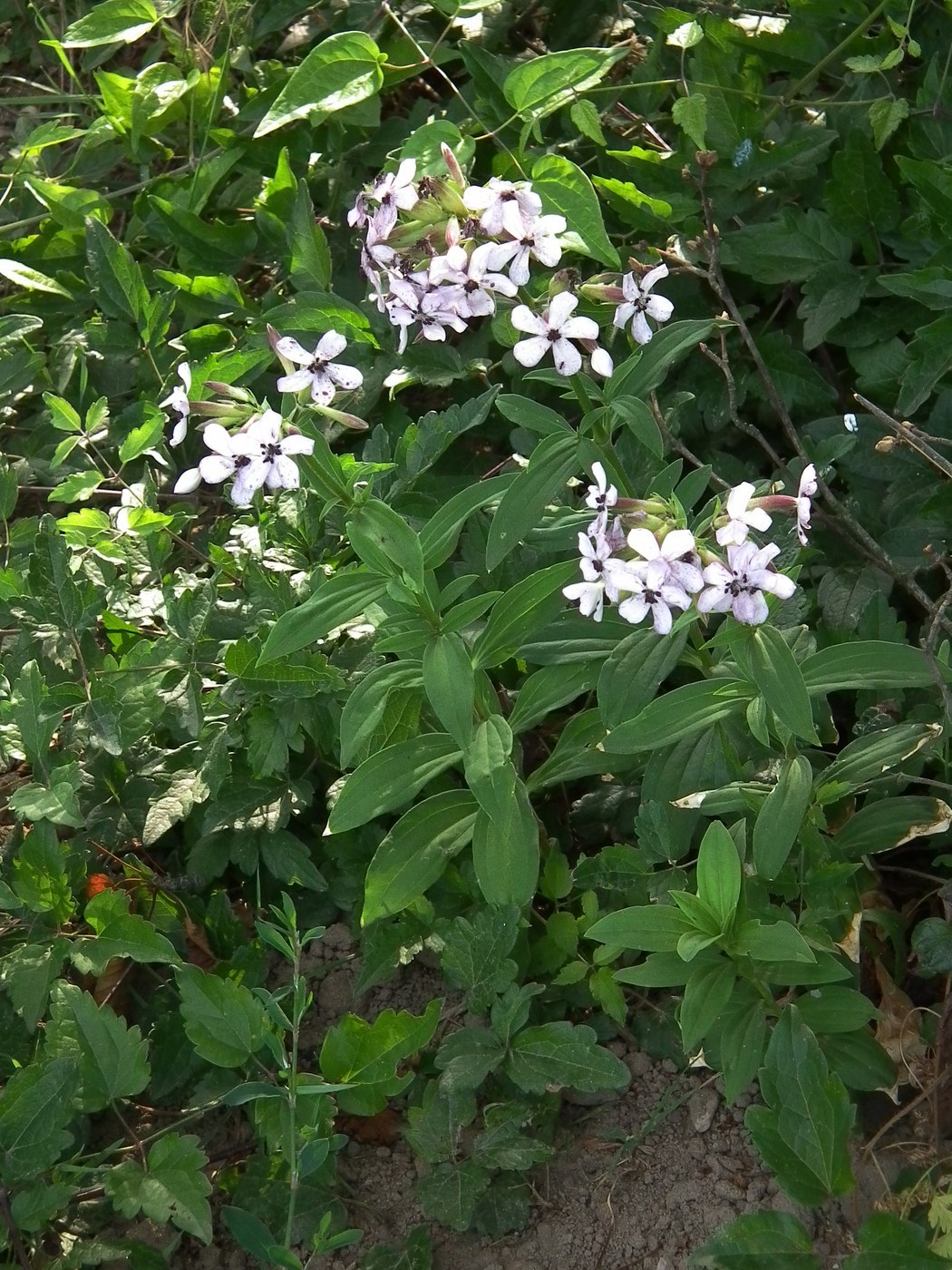
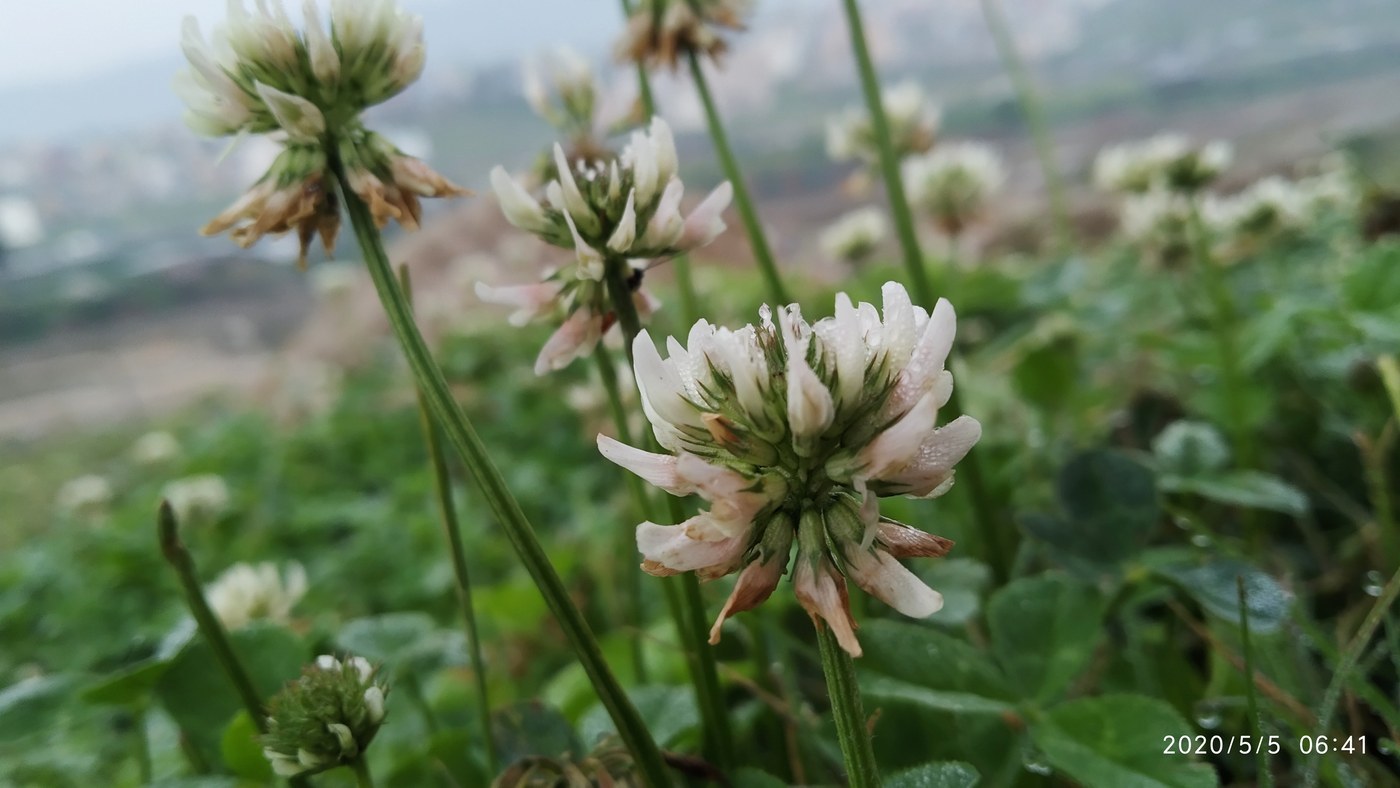
Real specimens identified with Plant Identifier.