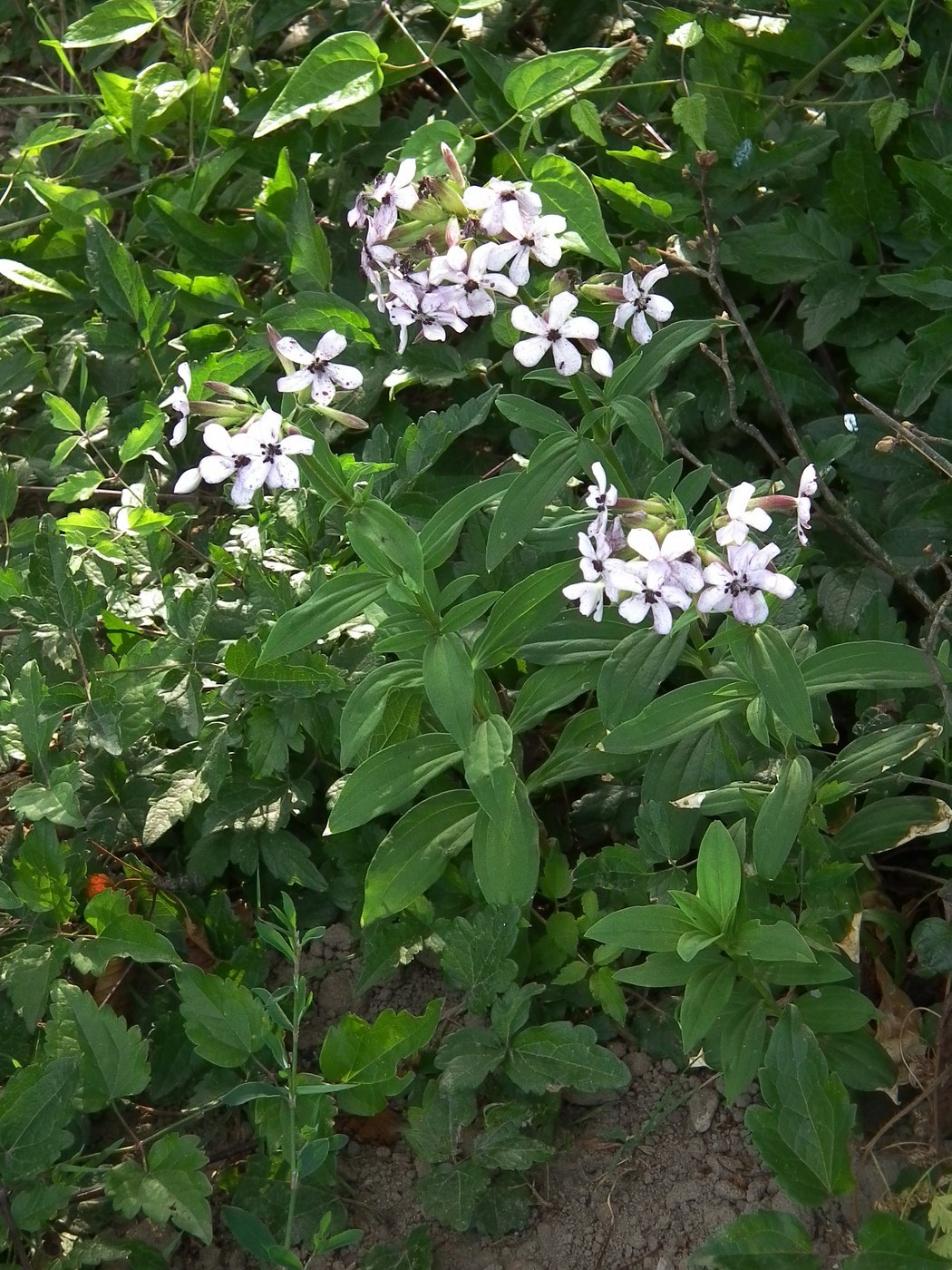
Bouncing Bet
Saponaria officinalis
A vigorous old-fashioned perennial with clusters of fragrant pink flowers whose roots and leaves lather like soap, long used as a natural cleanser for textiles.
- Light
- Full sun to part shade
- Water
- Low to moderate; drought-tolerant
- Difficulty
- Easy
Got a plant like this?
Identify any plant from a photo, free.
Overview
Bouncing Bet, better known botanically as soapwort, is a tough, spreading perennial that has escaped cottage gardens to naturalize along roadsides and waste ground throughout temperate regions. From summer into autumn it bears loose clusters of sweetly scented, pale-pink to white flowers, especially fragrant in the evening.
Its claim to fame is the saponins in its leaves and roots, which produce a gentle, sudsy lather when crushed in water — a natural soap used for centuries to clean delicate textiles. Easy to the point of being weedy, it spreads aggressively by rhizomes and self-seeding.
How to identify it
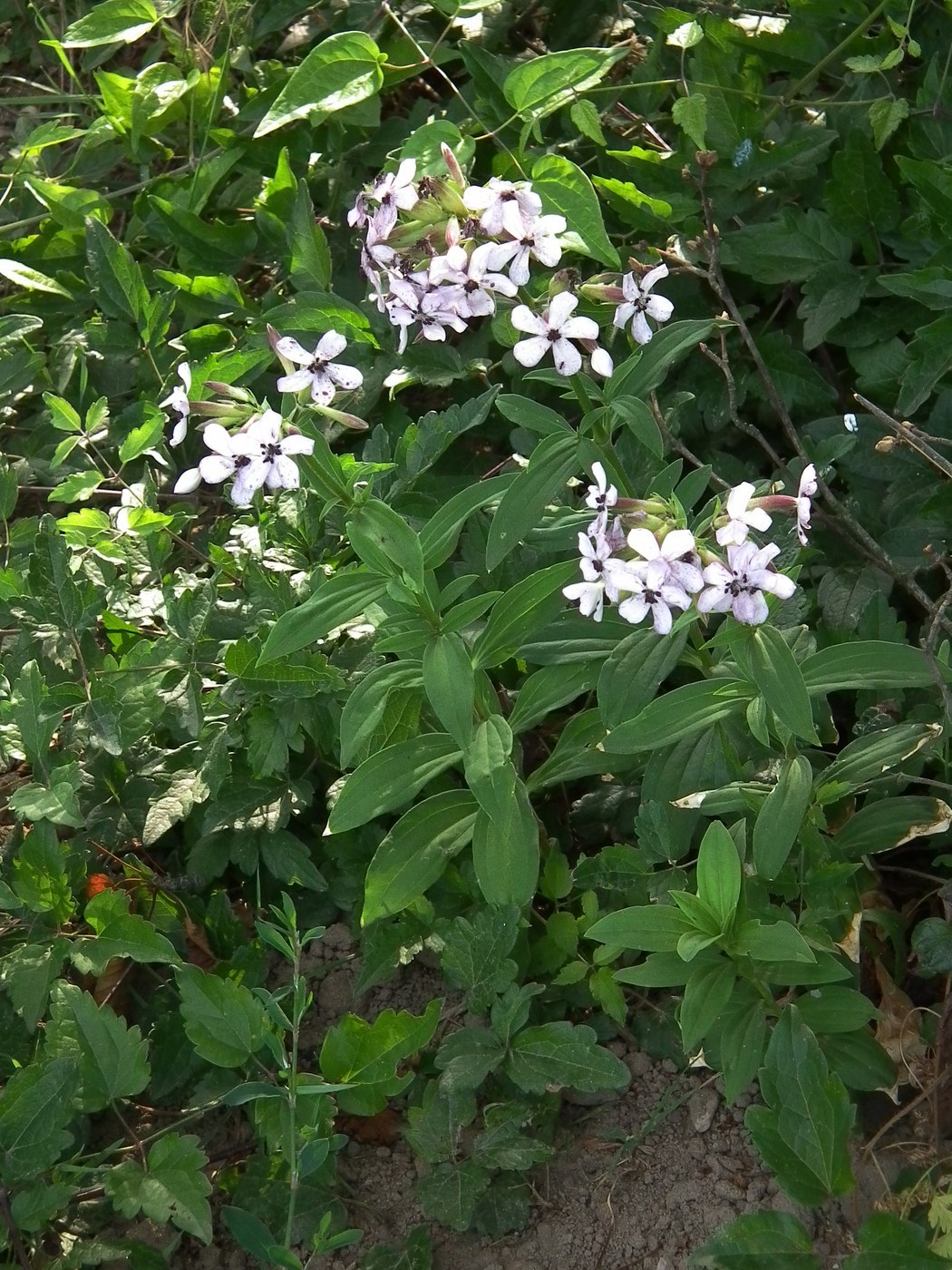
- Flowers: Five-petaled, pale pink to white, about 2.5 cm across, fragrant, in dense terminal clusters.
- Leaves: Opposite, oval to lance-shaped, with three prominent veins, smooth-edged.
- Stems: Stout, upright, with swollen nodes.
- Height: Typically 45-90 cm.
- Habit: Clumping, rhizomatous perennial that spreads readily; double-flowered forms exist.
Care & growing
Light: Full sun to partial shade.
Water: Drought-tolerant once established; tolerates a range of moisture.
Soil: Undemanding; grows in poor to average, well-drained soils.
Temperature: Very hardy across temperate climates.
Feeding: None needed — rich soil only makes it floppier and more aggressive.
Propagation: Easy from seed, division, or rhizome pieces. Be aware it can spread invasively; deadhead and contain to limit its march.
Habitat & origin
Native to Europe and western Asia, soapwort has naturalized widely across North America and other temperate regions, growing on roadsides, railway banks, riverbanks, and disturbed ground.
It is grown in cottage and herb gardens for its flowers and historical interest, though gardeners must site it carefully because of its spreading habit.
Frequently asked questions
Why is it called soapwort?
Its leaves and roots contain saponins that produce a soapy lather in water, and it was long used as a gentle natural soap for delicate fabrics.
Can I really wash fabrics with it?
Yes. Crushing or boiling the leaves and roots in water releases a mild lather still used to clean antique textiles, though it is gentler than modern soap.
Is bouncing Bet invasive?
It can be. It spreads aggressively by rhizomes and seed and has naturalized widely, so it should be sited and contained carefully in gardens.
Bouncing Bet guides
In-depth guides for identifying, growing, and caring for Bouncing Bet.
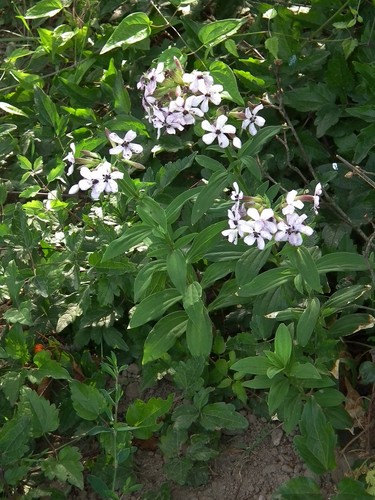
How to Care for Bouncing Bet
Grow Saponaria officinalis for its fragrant pink summer blooms and tough, spreading habit in full sun with minimal fuss.
Bouncing Bet Identification Guide
Identify Bouncing Bet (Soapwort) by its clusters of pale pink five-petaled flowers, swollen-jointed stems, and soapy lather from crushed leaves.