Dallisgrass
Paspalum dilatatum
Dallisgrass is a coarse, fast-growing perennial bunchgrass that is valued as forage in pastures but reviled as a tough, clumping weed in lawns.
- Light
- Full sun
- Water
- Moderate to high; tolerates wet soil
- Difficulty
- Easy
Got a plant like this?
Identify any plant from a photo, free.
Overview
Dallisgrass (Paspalum dilatatum) is a warm-season perennial grass native to South America that was introduced to the southern United States as a pasture and forage crop. It forms dense, expanding clumps from short rhizomes.
In turf, it is one of the most troublesome weeds, growing faster than the surrounding lawn and producing tall, distinctive seedheads between mowings. Its deep root system makes it persistent and difficult to eradicate.
How to identify it
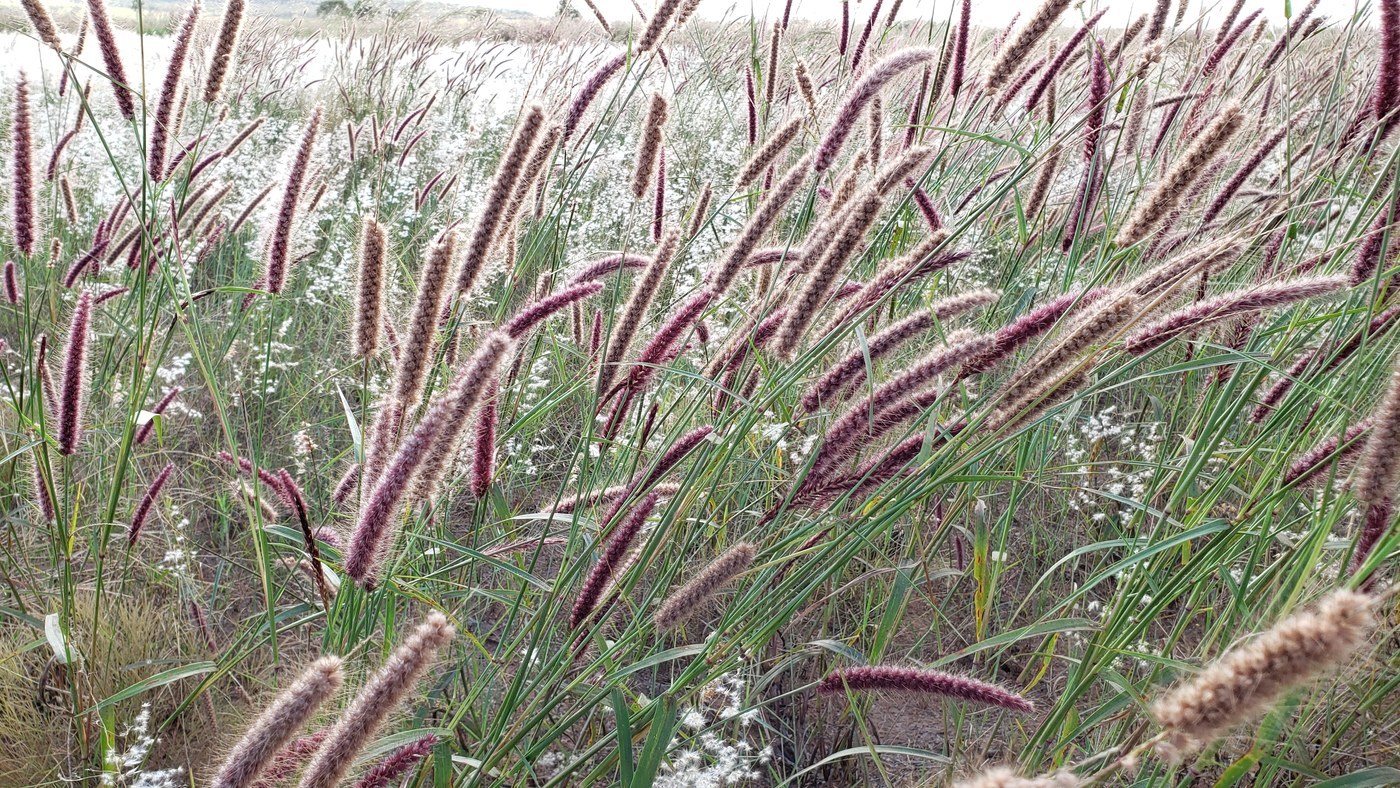
Recognized by its coarse texture, clumping habit, and unmistakable seedheads.
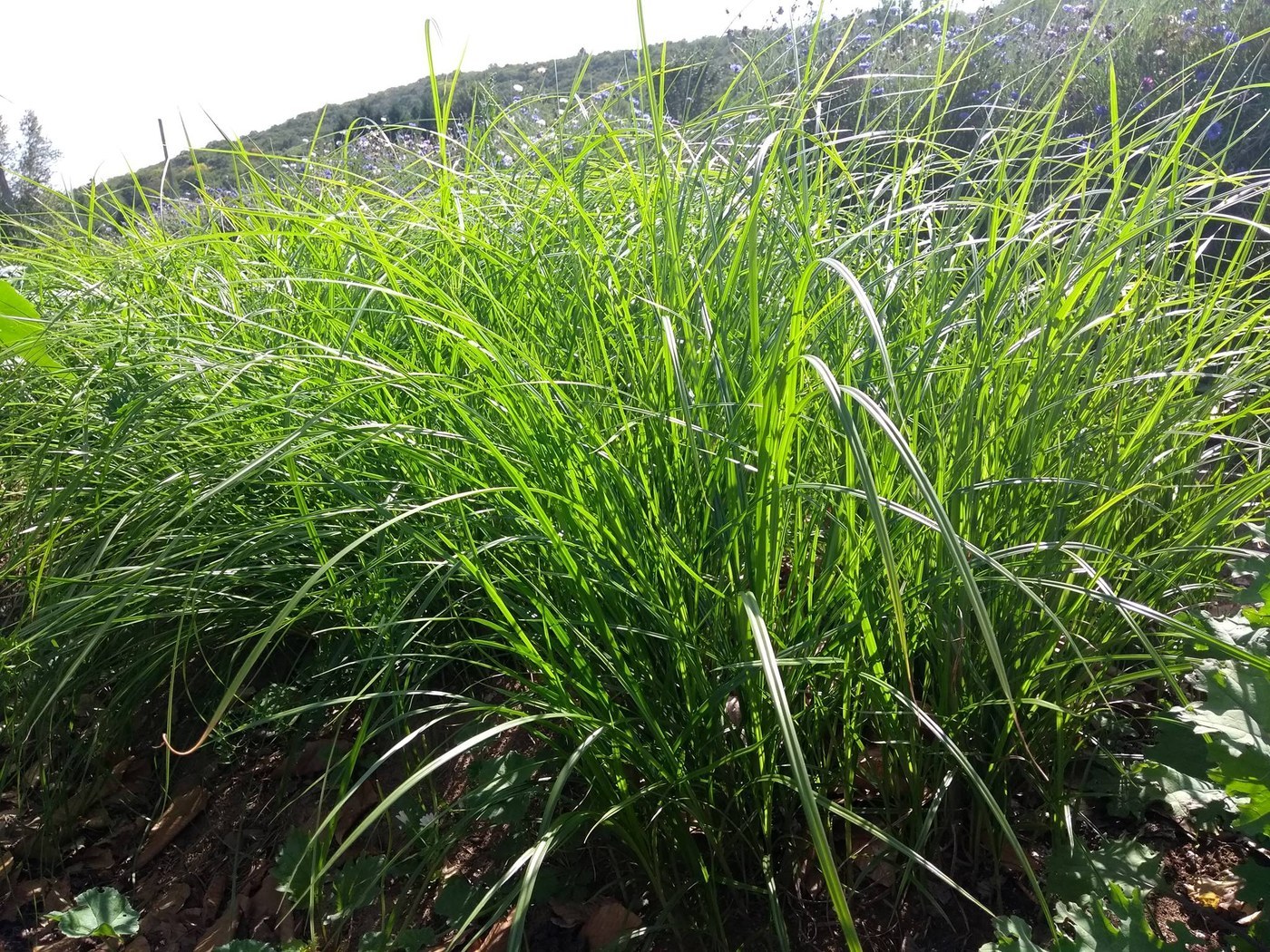
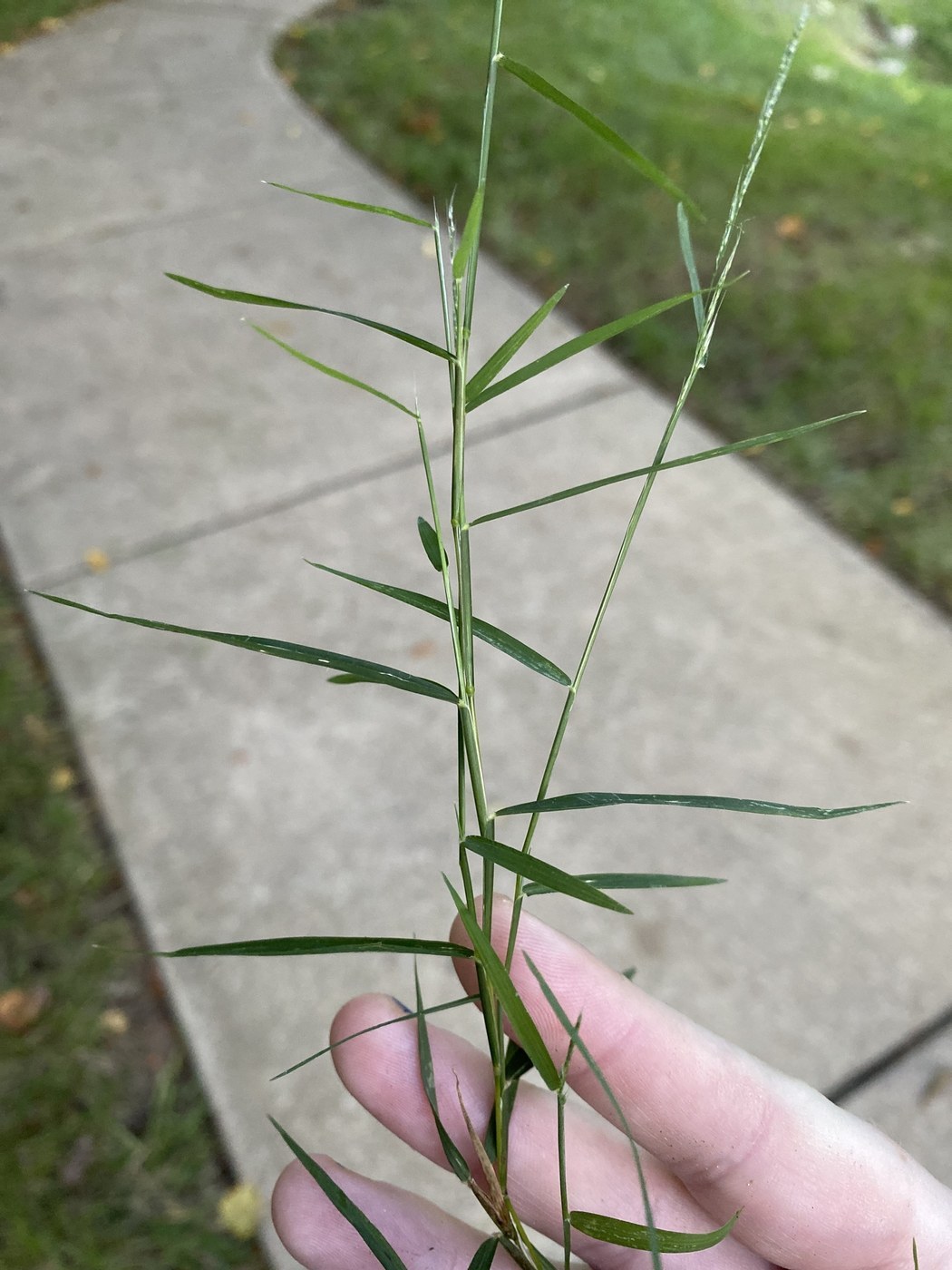
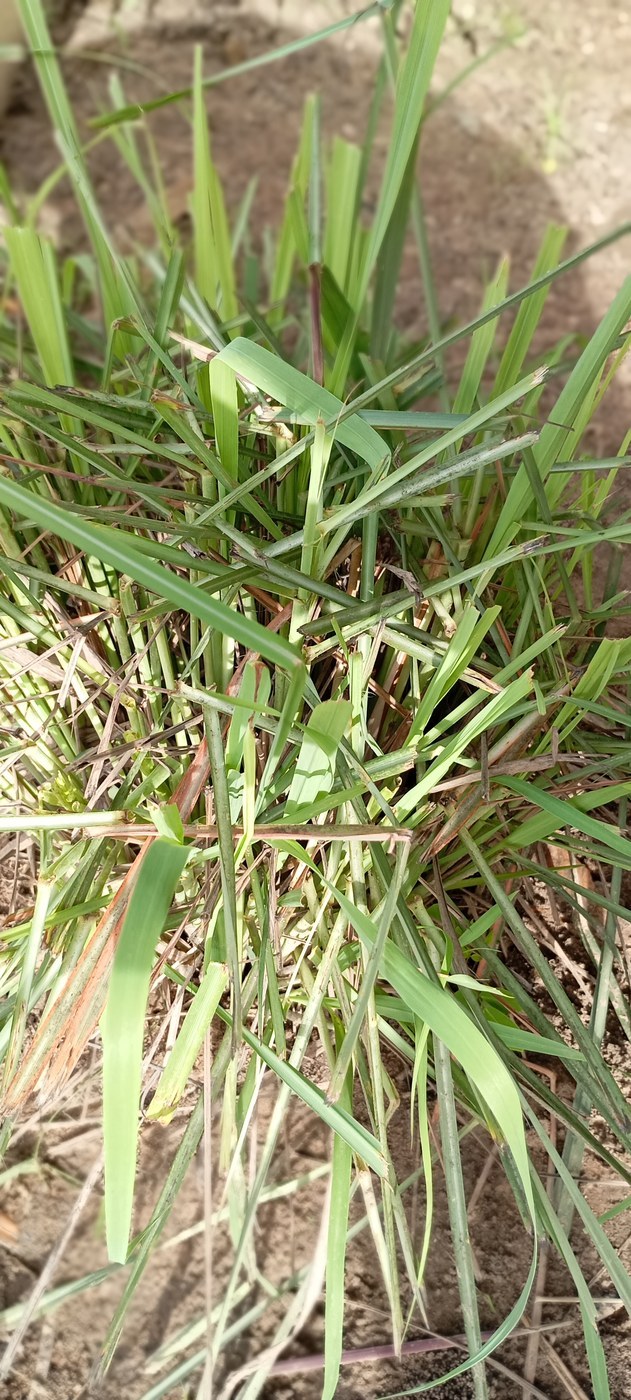
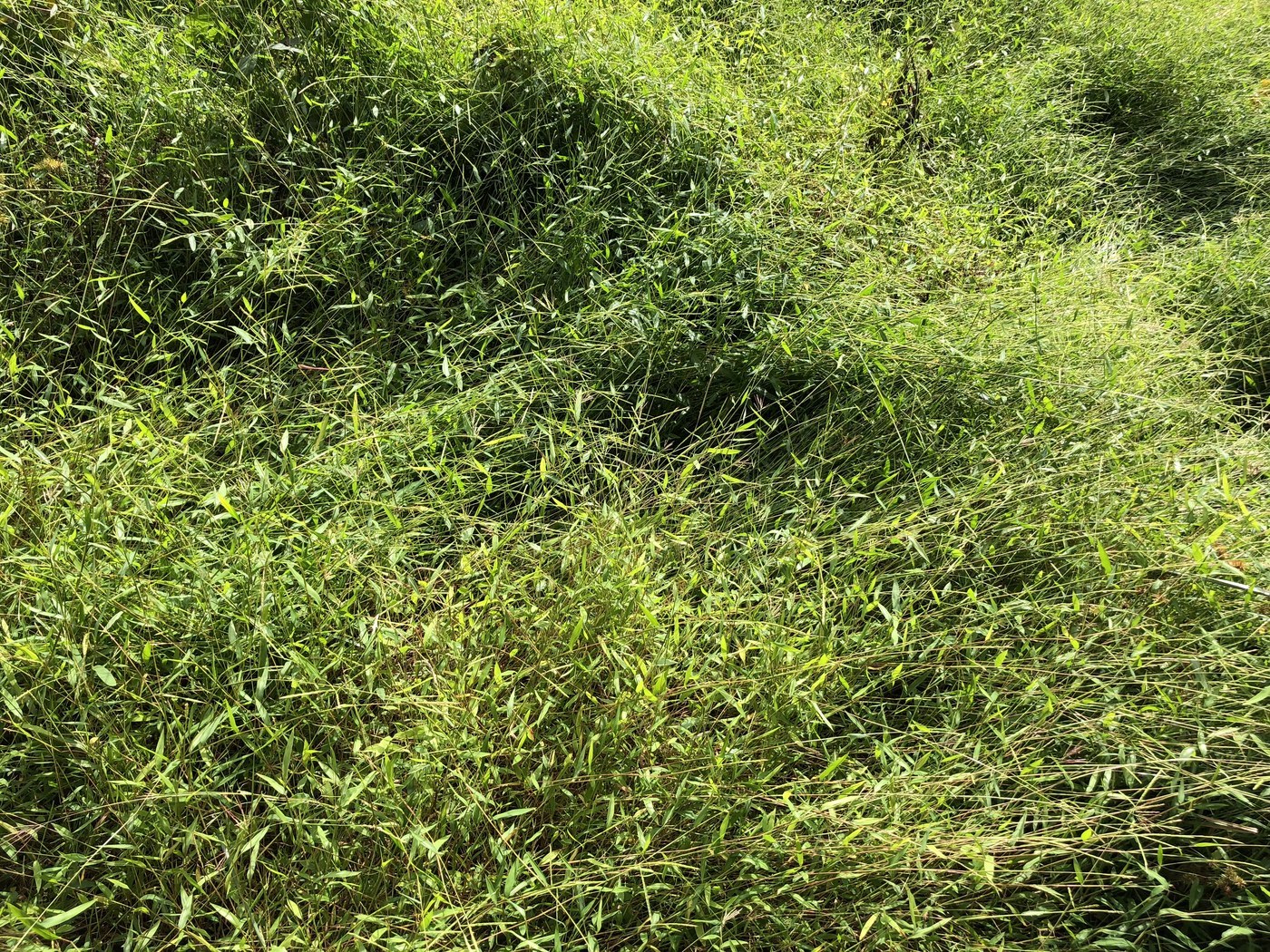
- Leaves: Wide, light green blades, coarse-textured, with a prominent midrib
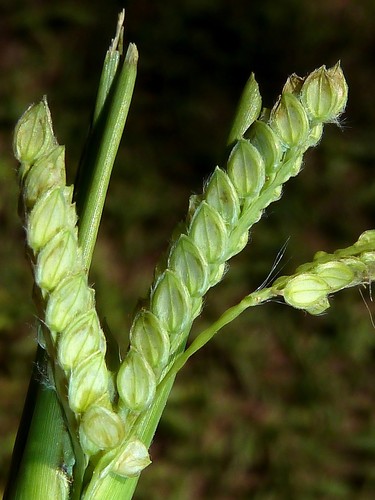
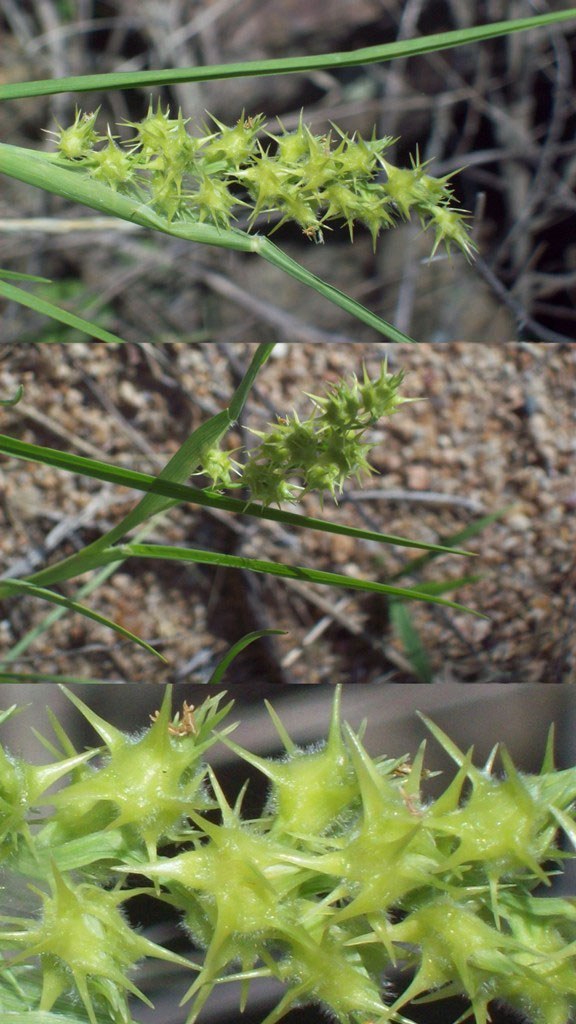
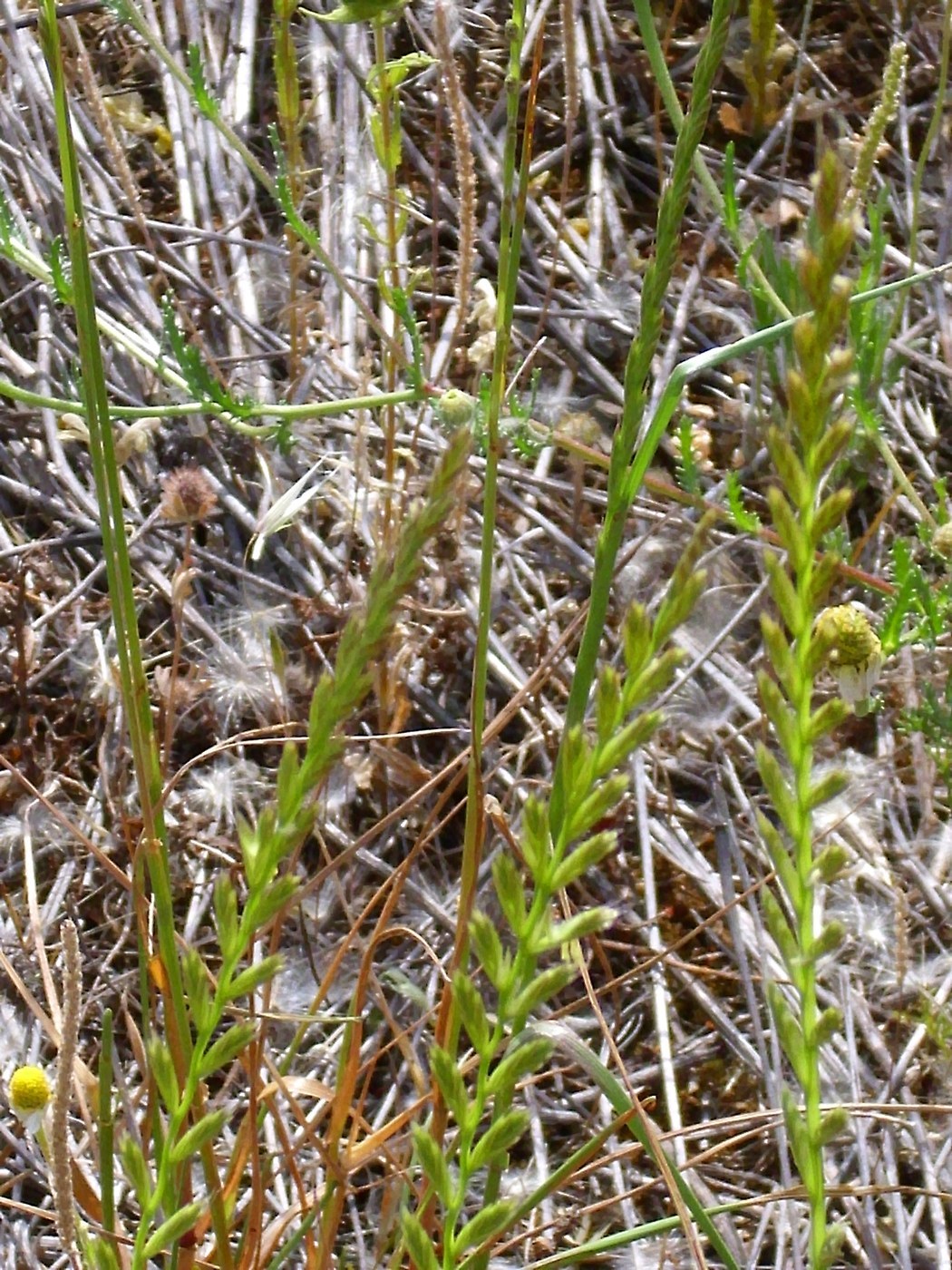
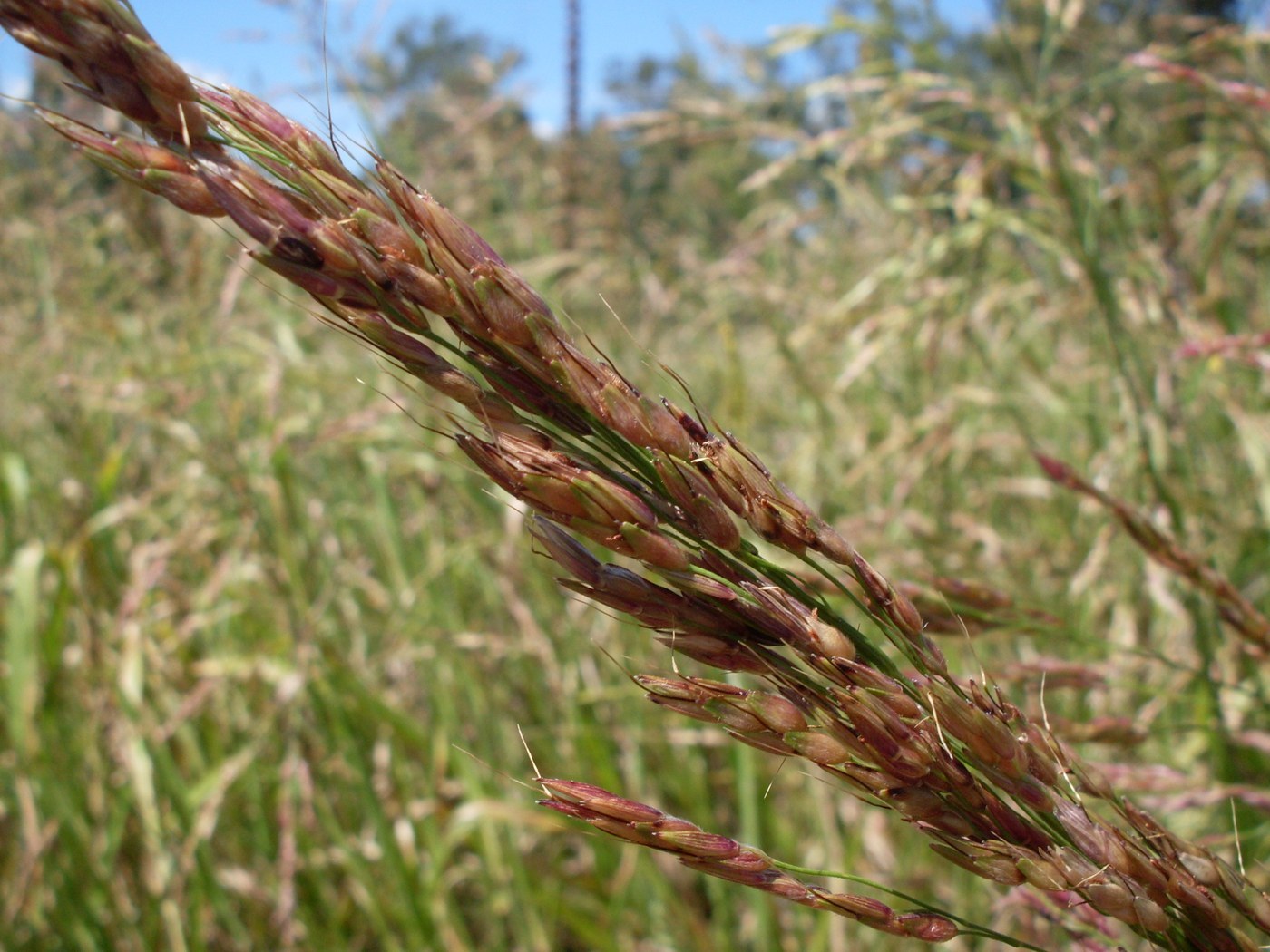
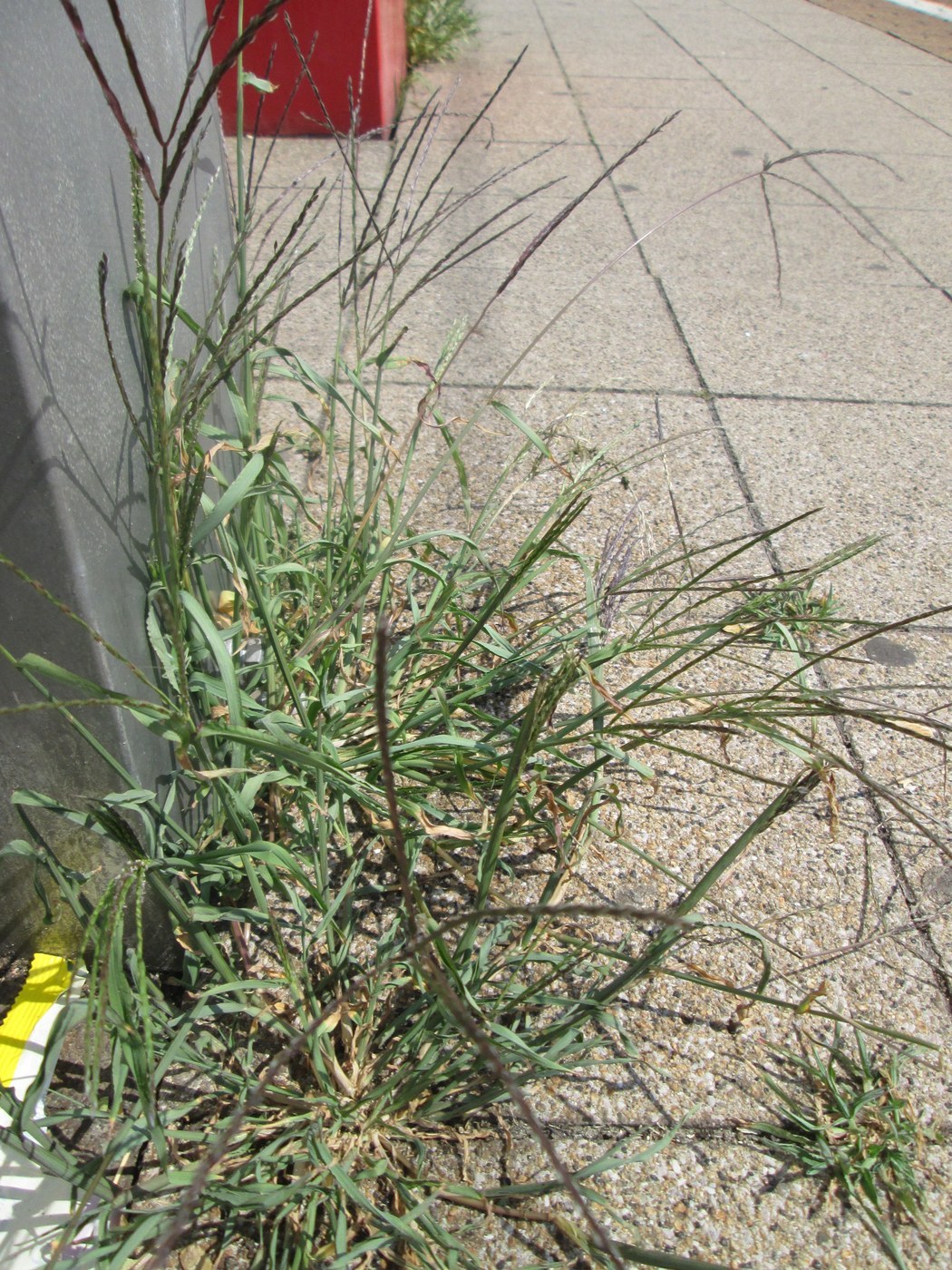
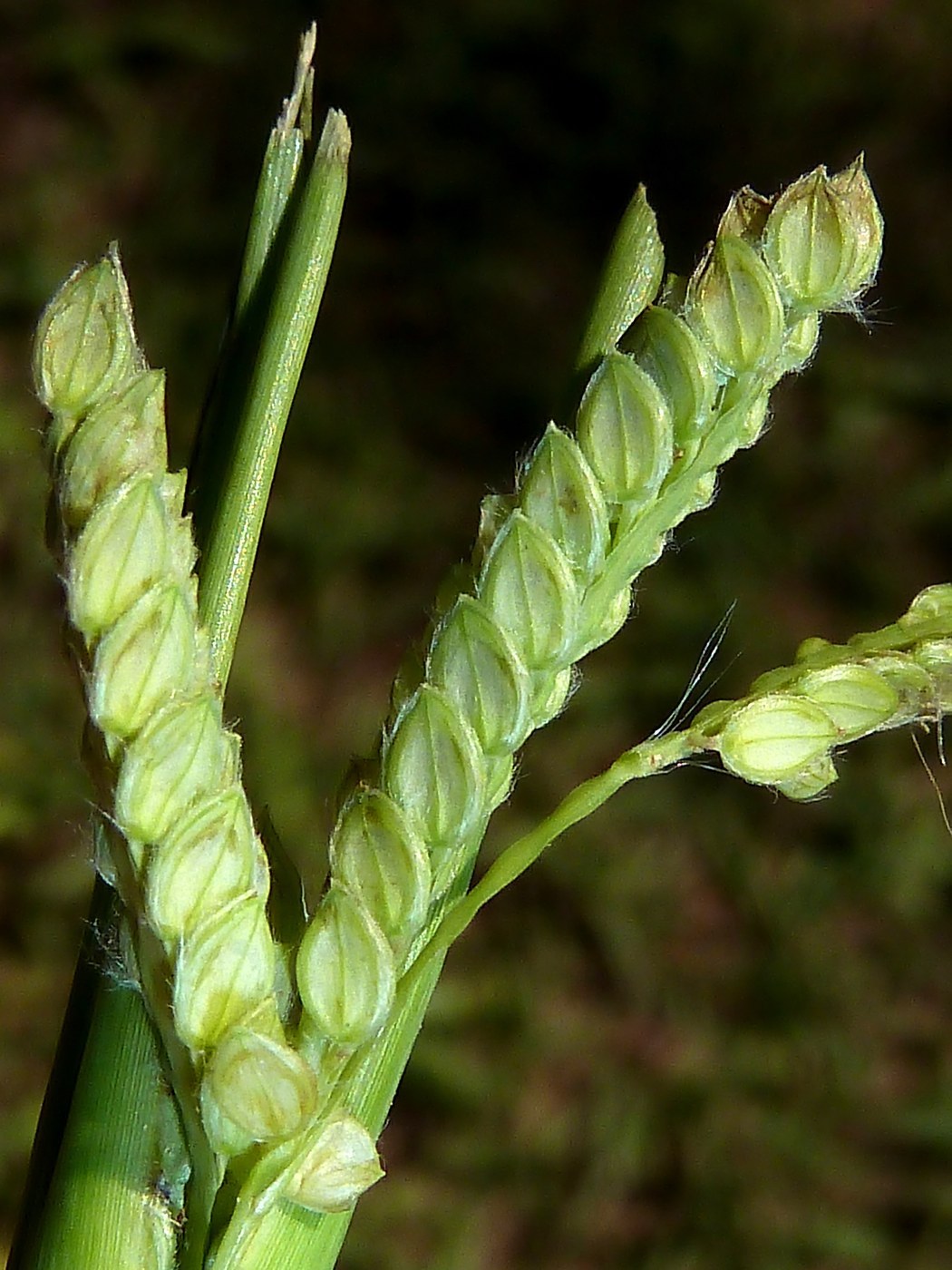
- Seedhead: Distinctive spreading raceme with several finger-like branches bearing rows of round, hairy-fringed seeds
- Growth: Forms expanding circular clumps; grows faster than typical turfgrass
- Size: Seed stalks reach 1-5 feet tall
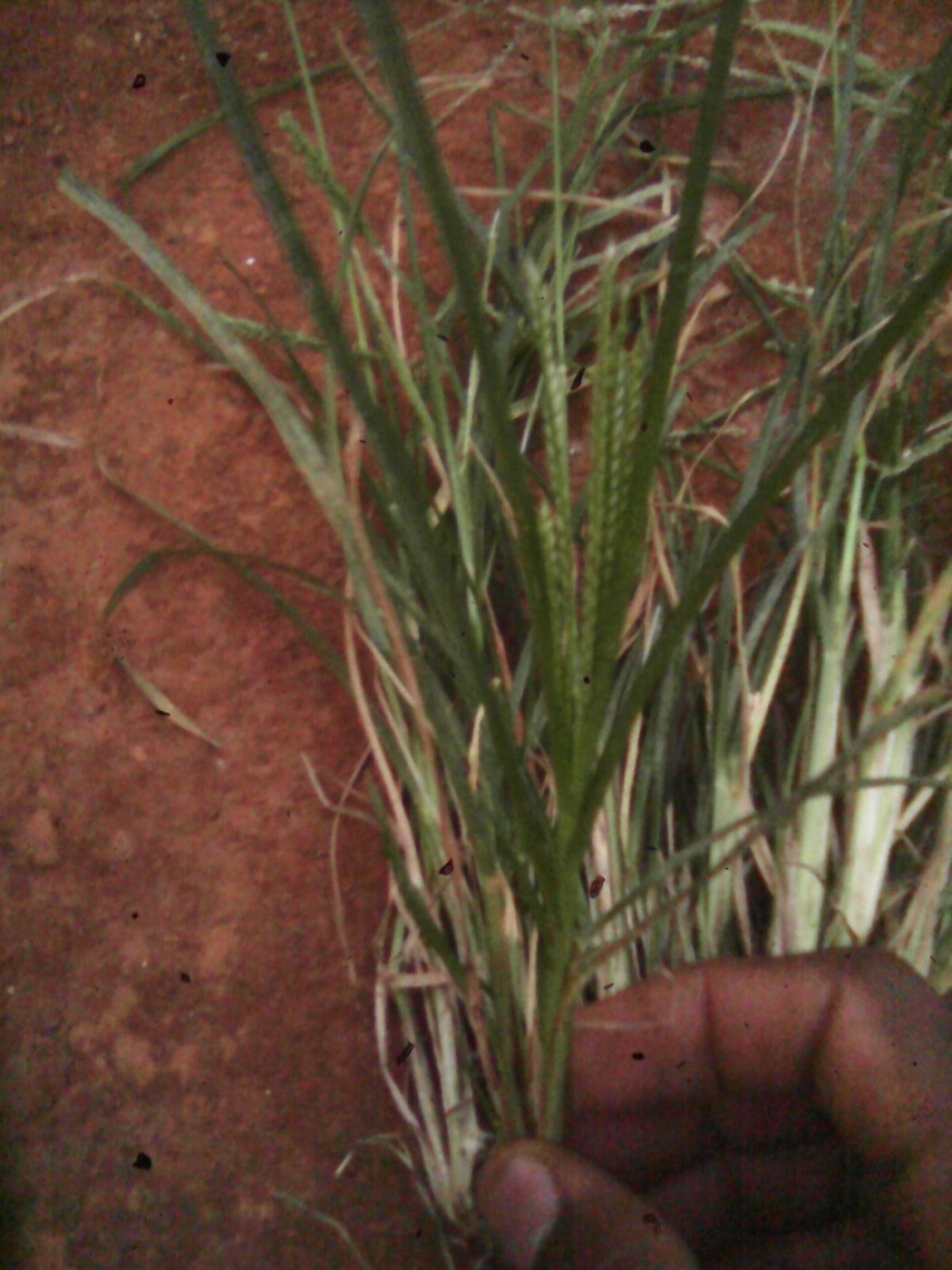
- Roots: Short, knotty rhizomes anchoring a deep, tough root crown
Care & growing
Mostly managed as a weed rather than cultivated.
- Light: Prefers full sun
- Water: Tolerates a range from moist to seasonally wet soils; common in low, damp areas
- Soil: Adapts widely, favoring fertile, moist ground
- Temperature: Warm-season grower, hardy in USDA zones 7-11
- Control: Dig out small clumps including the root crown; selective post-emergent herbicides and maintaining a dense, healthy lawn help suppress it
Habitat & origin
Native to South America, particularly Argentina, Uruguay, and Brazil, dallisgrass has naturalized across the warm-temperate and subtropical regions of the world. In the United States it is widespread throughout the South and into California.
It thrives in pastures, roadsides, ditches, lawns, and any disturbed, moist ground in warm climates.
Frequently asked questions
How do I tell dallisgrass from crabgrass?
Dallisgrass is a perennial that forms persistent clumps and returns each year, while crabgrass is an annual. Dallisgrass also has coarser blades and a distinctive seedhead with finger-like branches bearing round seeds.
Why is dallisgrass hard to kill?
It is a perennial with a deep, tough root crown and short rhizomes. Mowing only removes the top, and the plant regrows vigorously, so complete removal of the roots or selective herbicides are required.
What is dallisgrass used for?
It was originally introduced as a pasture and forage grass and is still grown for grazing and hay, and its roots also help control soil erosion.
Dallisgrass guides
In-depth guides for identifying, growing, and caring for Dallisgrass.