Garlic
Allium sativum
Garlic is a pungent bulbous member of the onion family grown worldwide as a garden and field crop, recognized by its strap-like foliage and segmented underground bulb.
- Light
- Full sun
- Water
- Moderate; reduce as bulbs mature
- Difficulty
- Easy
Got a plant like this?
Identify any plant from a photo, free.
Overview
Garlic is a hardy perennial bulb, almost always grown as an annual crop. It belongs to the genus Allium alongside onions, leeks and chives.
Each garlic bulb is a cluster of cloves wrapped in papery skin. Planted in autumn or early spring, the cloves develop into new bulbs over the season. There are two broad types: hardneck varieties, which produce a flowering stalk (scape), and softneck varieties, which store longer and are easier to braid.
Garlic has been cultivated for thousands of years and is grown across much of the world.
How to identify it
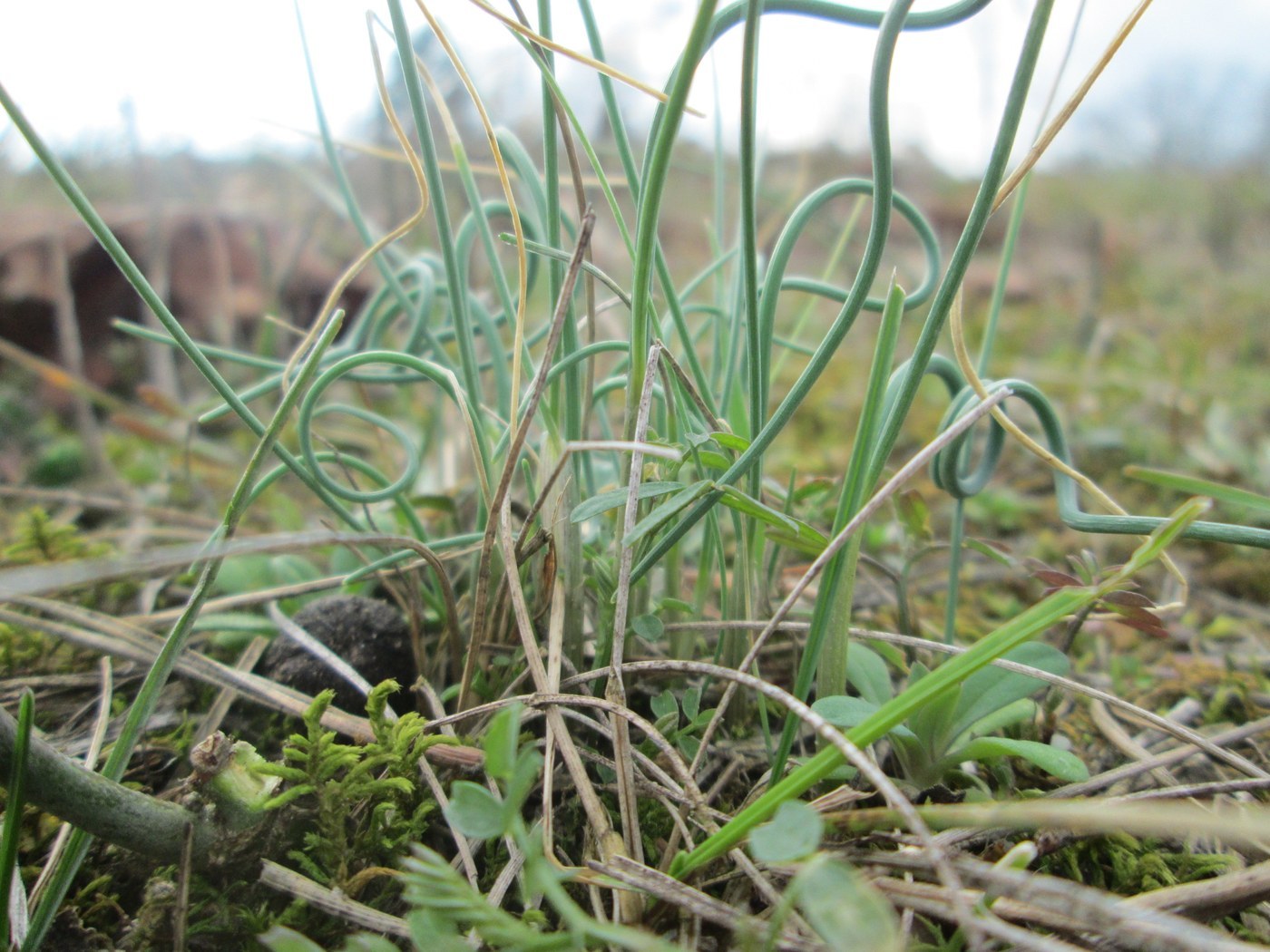
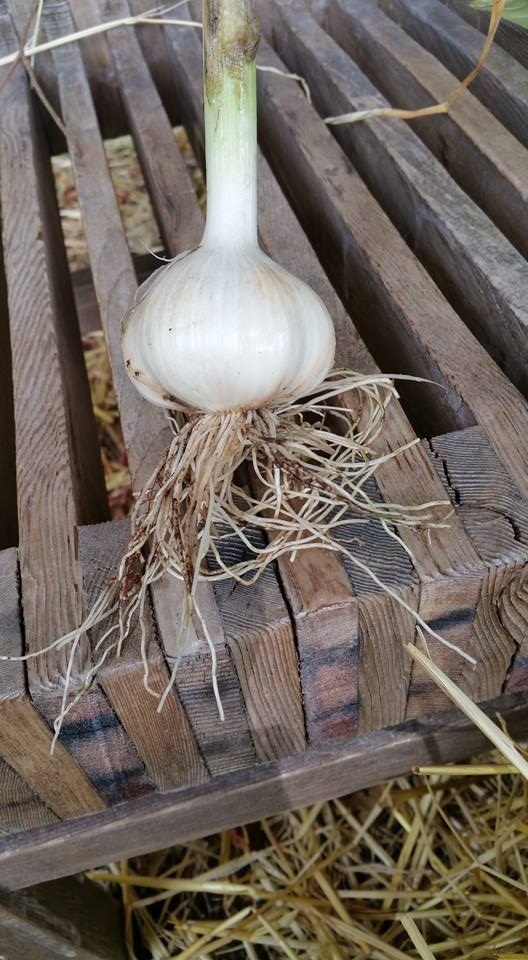
Garlic is recognized by its upright strap-like foliage and underground segmented bulb.
- Leaves: Flat, long, narrow and grayish-green, growing from a central stem
- Bulb: A rounded head of 4-20 individual cloves enclosed in white-to-purplish papery skin
- Scape: Hardneck types send up a curling flower stalk topped with a bud cluster
- Height: Foliage reaches 30-60 cm (12-24 in)
- Smell: Crushing any part releases the characteristic sulfurous garlic aroma
Care & growing
Garlic is straightforward and rewards a long, cool growing season.
- Light: Full sun for vigorous bulbs
- Water: Keep soil moist during active growth; stop watering a couple of weeks before the bulbs mature as leaves yellow
- Soil: Loose, fertile, well-drained soil rich in organic matter
- Temperature: Needs a cold period to bulb well; plant cloves in autumn in most regions
- Feeding: Work compost in before planting and side-dress with nitrogen in spring
- Propagation: Grown by planting individual cloves, pointed end up, a few centimeters deep. Bulbs are mature when lower leaves brown and upper leaves are still green; lift and cure in a dry, airy place.
Habitat & origin
Garlic originated in Central Asia, likely descending from wild Allium longicuspis in the mountainous regions of present-day Kazakhstan, Uzbekistan and surrounding areas. It has been domesticated for more than 5,000 years.
It is now cultivated globally in temperate and subtropical climates. China is by far the largest producer. Home gardeners grow it in beds and raised plots almost everywhere with a sufficient cool season.
Frequently asked questions
When should I plant garlic?
In most temperate climates, plant cloves in autumn (4-6 weeks before the ground freezes). The cold period encourages good bulb formation, and the bulbs mature the following summer.
What is the difference between hardneck and softneck garlic?
Hardneck garlic produces a flowering scape and has larger cloves but stores less well. Softneck garlic stores longer, is easier to braid, and is the type usually grown commercially.
Can I plant garlic from a store-bought bulb?
You can, but store bulbs may be treated to prevent sprouting or carry disease. Planting certified seed garlic gives better, more reliable results.
Why did my garlic produce small bulbs?
Common causes are crowding, insufficient cold, poor soil fertility, weed competition or lifting too early. Wide spacing and rich soil produce larger heads.
Garlic guides
In-depth guides for identifying, growing, and caring for Garlic.
How to Care for Garlic
Grow robust garlic with full sun, rich loose soil, and a fall planting for the biggest bulbs come summer.
Garlic Identification Guide
Identify garlic by its flat strap-like leaves, papery-skinned segmented bulb of cloves, and unmistakable pungent sulfur smell. Covers how to separate it from onions and leeks.