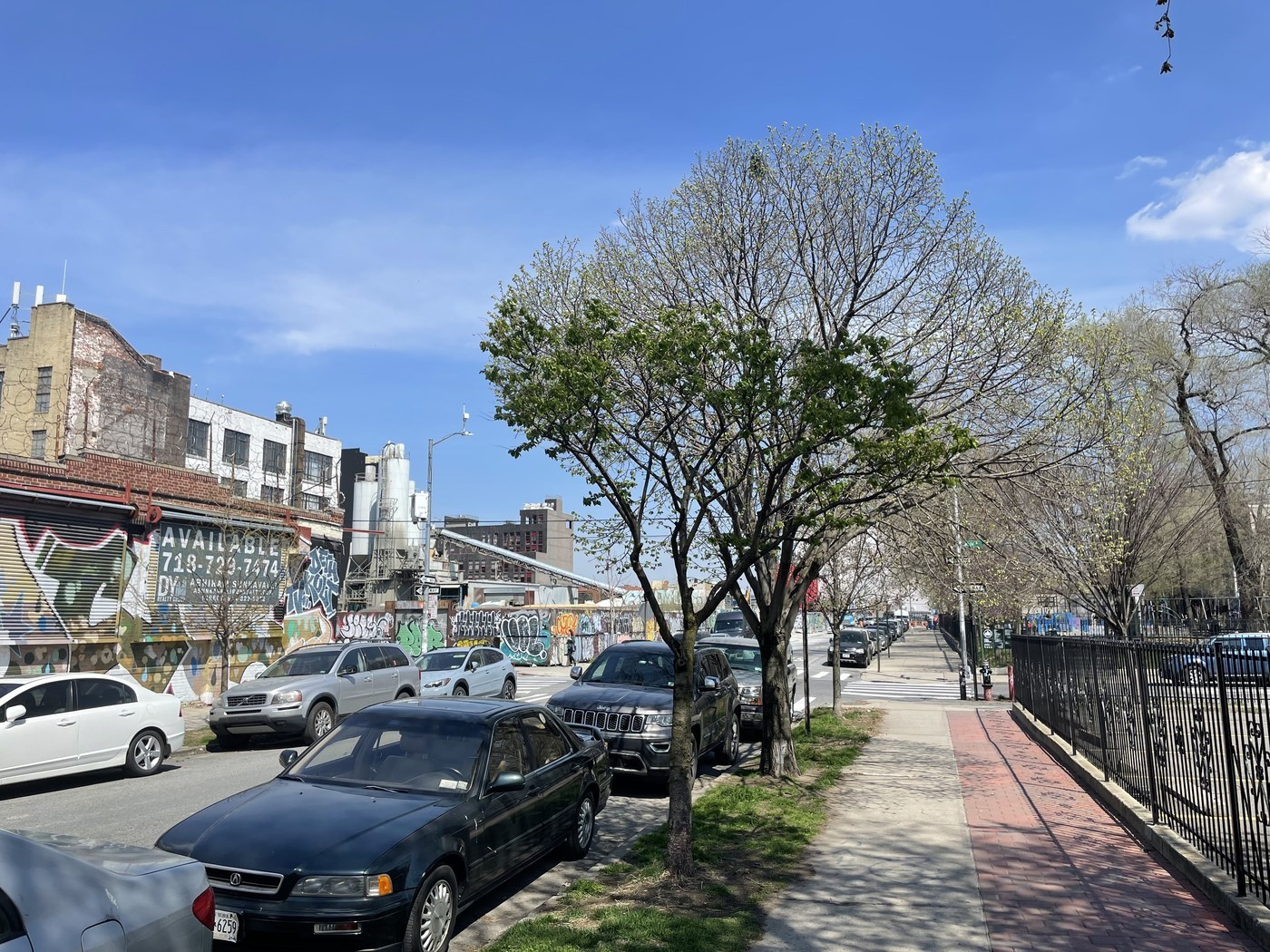
Lilac Tree
Syringa reticulata
The Japanese lilac tree is the tree-form member of the lilac family, producing huge creamy-white fragrant flower plumes in early summer. It is a tough, compact street and lawn tree.
- Light
- Full sun
- Water
- Weekly; drought-tolerant once established
- Difficulty
- Easy
Got a plant like this?
Identify any plant from a photo, free.
Overview
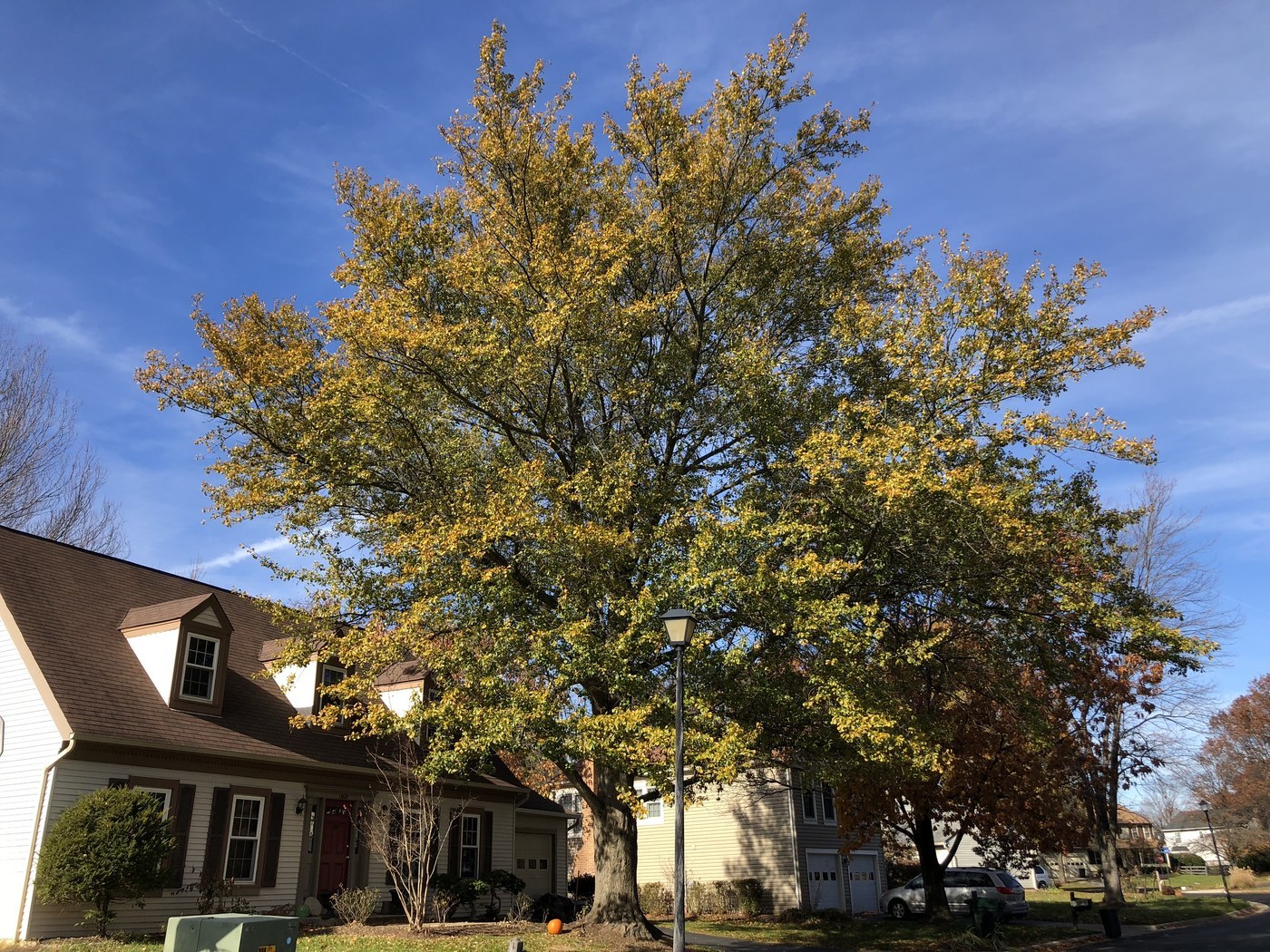
The lilac tree (Syringa reticulata), commonly the Japanese tree lilac, is a deciduous small tree that brings lilac flowers to tree form. Unlike the shrubby common lilac, it grows a single or multi-stemmed trunk and blooms in early summer, after most lilacs finish, with large showy panicles of fragrant creamy-white flowers.
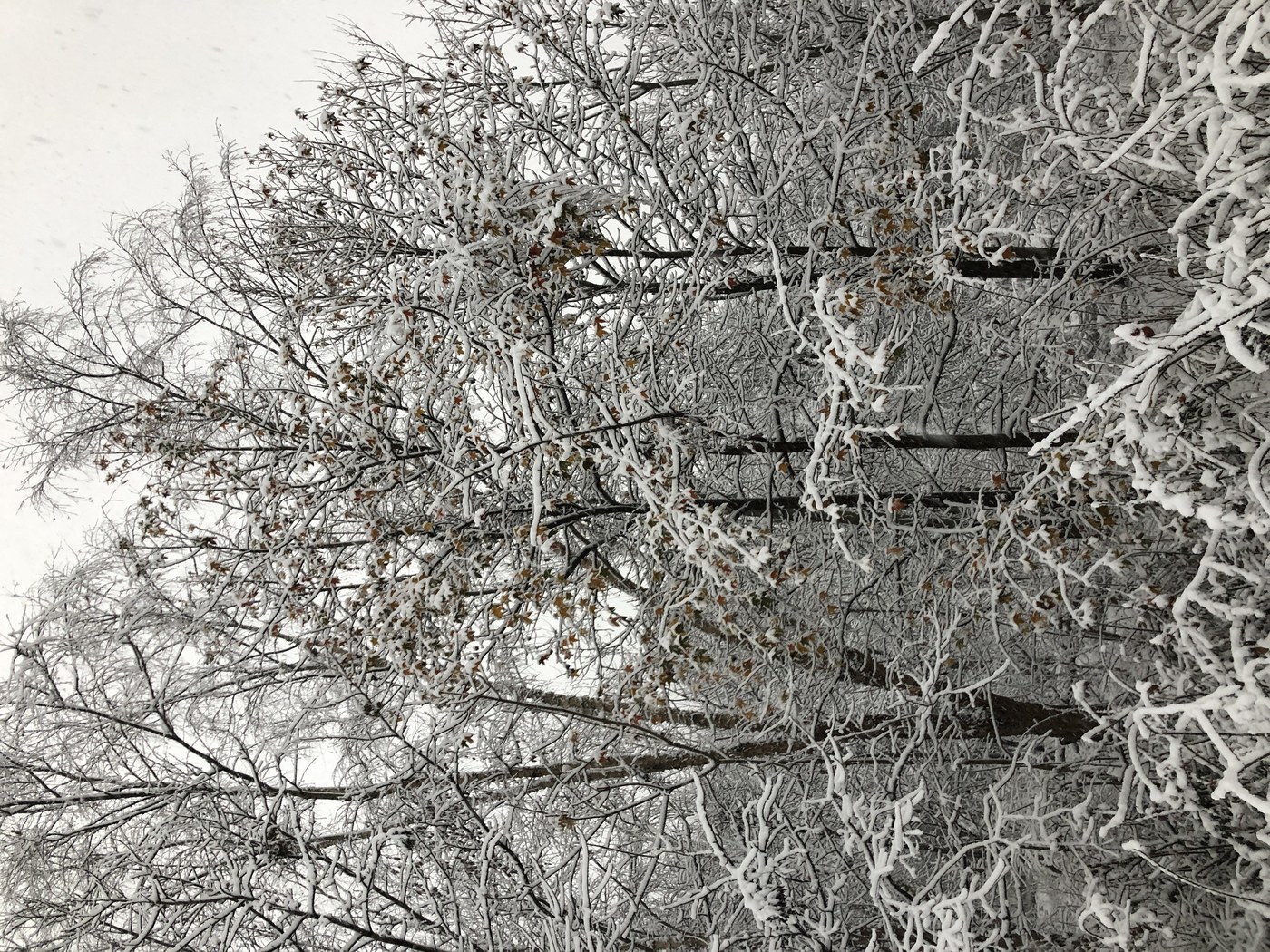
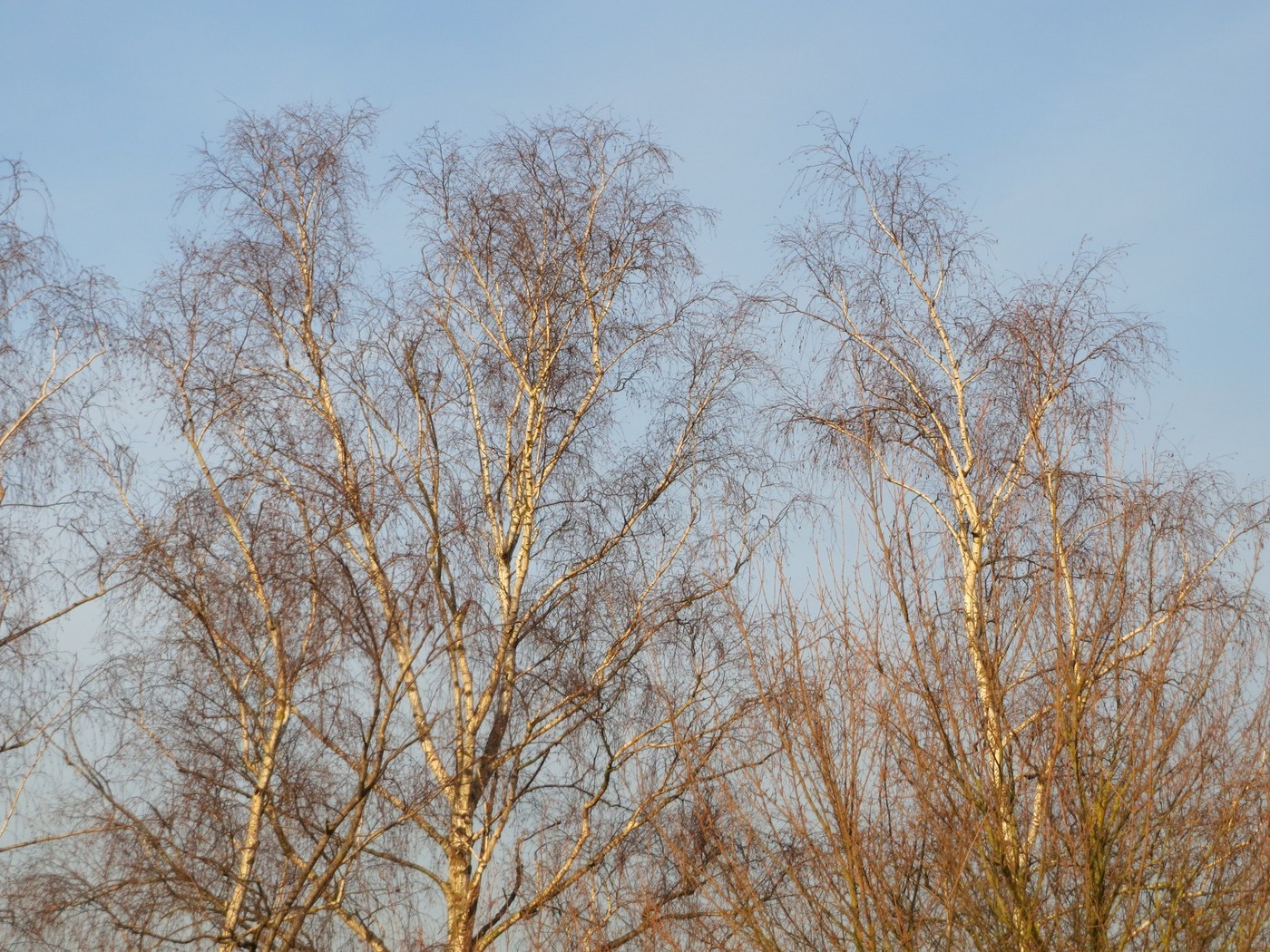
Reaching 20-30 ft, it is tough, cold-hardy and tolerant of urban conditions, making it a popular street and lawn tree. The cultivar 'Ivory Silk' is especially common. Its cherry-like reddish-brown bark adds winter interest.
How to identify it
- Habit: Compact, oval-rounded small tree, 20-30 ft, single or multi-stemmed.
- Flowers: Large (6-12 in) plumes of small, fragrant, creamy-white flowers in early summer.
- Leaves: Opposite, broad-oval, dark green, 2-5 in, with prominent veining.
- Bark: Glossy reddish-brown with horizontal lenticels, resembling cherry bark; attractive in winter.
- Fruit: Clusters of tan capsules persisting into winter.
Care & growing
Light: Full sun for best flowering.
Water: Water weekly when young; drought-tolerant once established.
Soil: Adaptable, well-drained soil; tolerates a range of pH and urban conditions.
Temperature: Very cold-hardy, USDA zones 3-7.
Feeding: Minimal; avoid overfeeding.
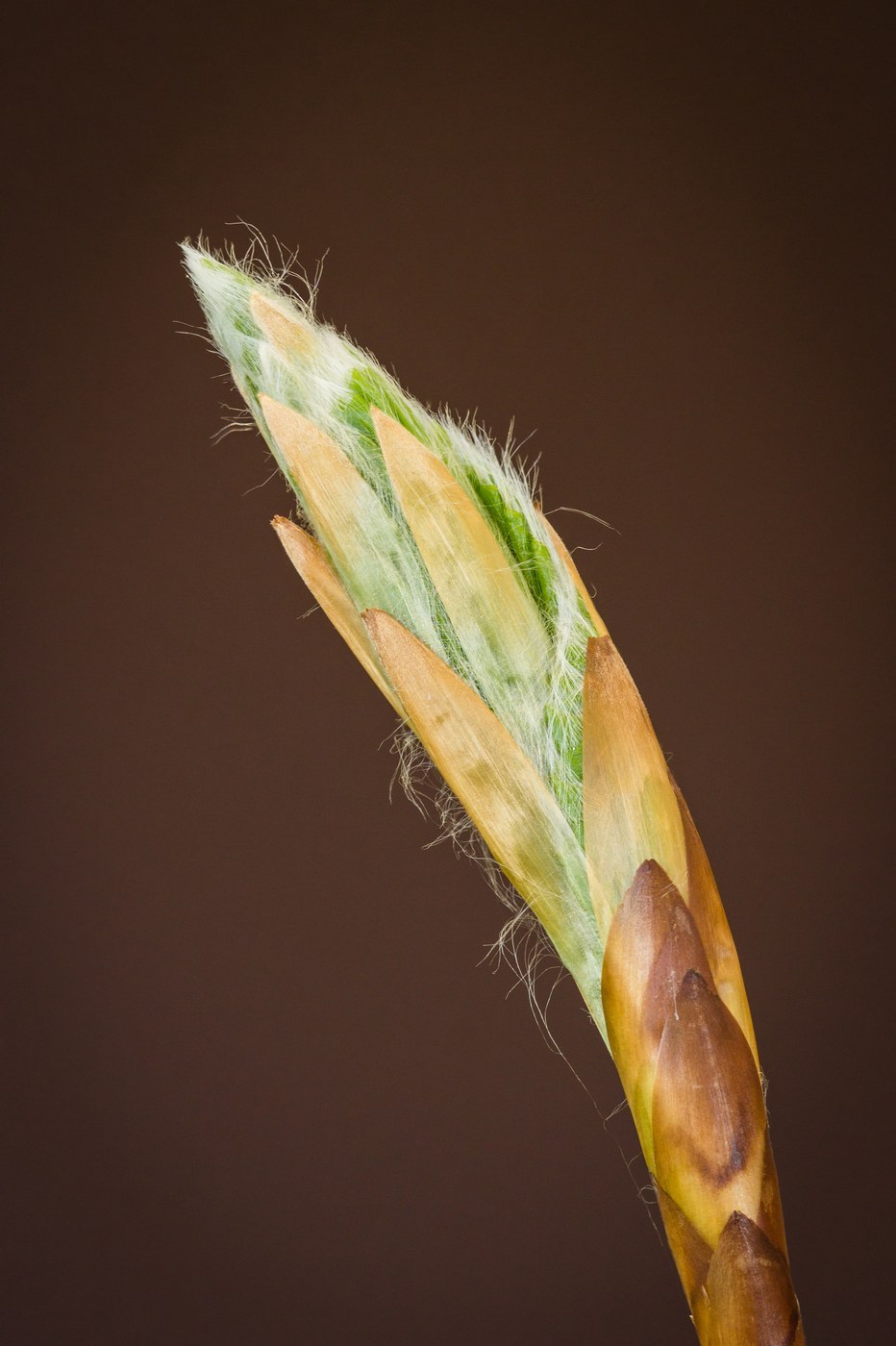
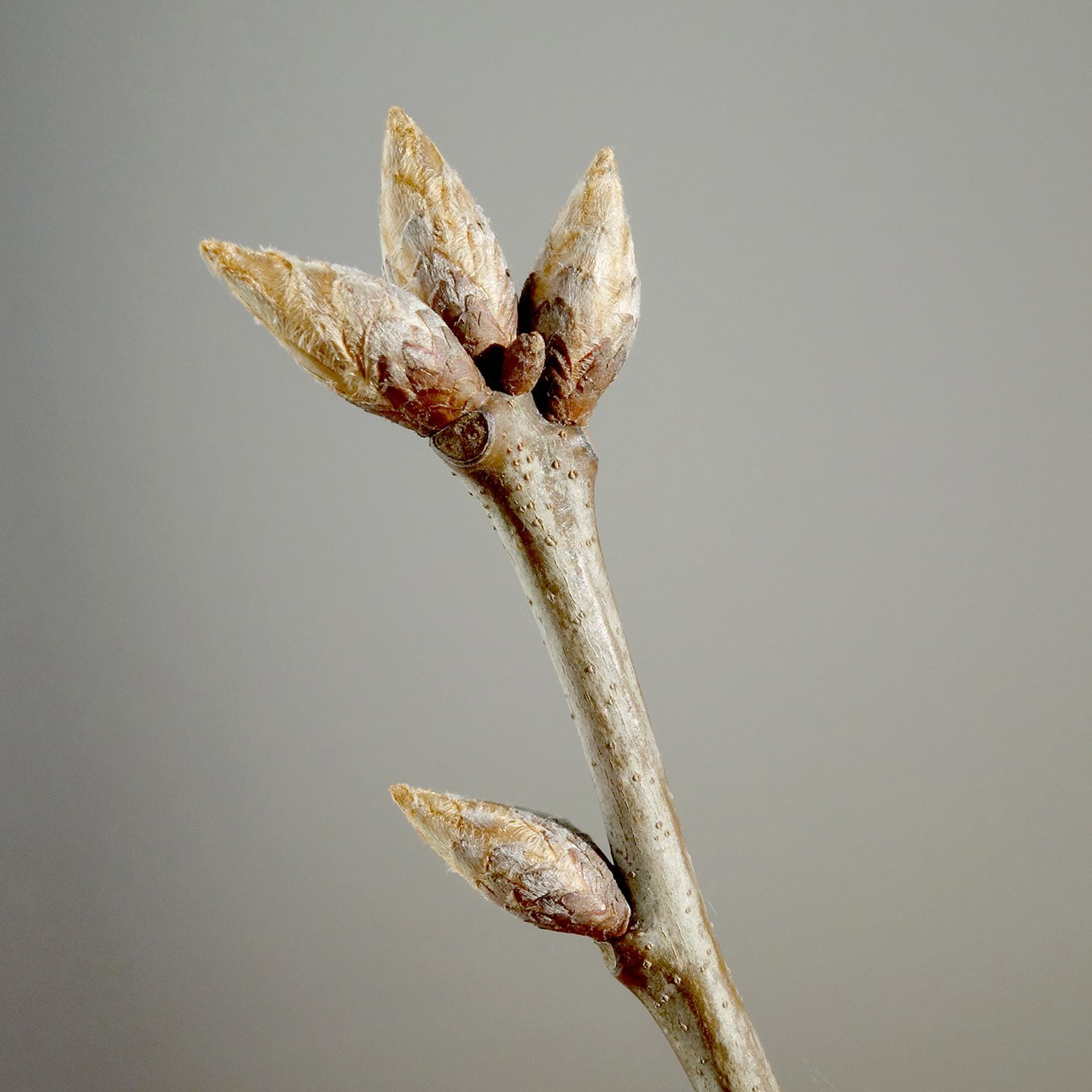
Pruning/Propagation: Prune right after flowering to shape, as next year's buds form soon after bloom. More pest- and mildew-resistant than shrub lilacs. Propagated by cuttings or grafting.
Habitat & origin
Native to Japan, where it grows in forests and along streams. It was introduced to Western horticulture in the late 19th century.
Valued for its toughness and late bloom, it is now widely planted as a street, parking-lot and lawn tree across cold-temperate North America in zones 3-7, including harsh urban and northern sites.
Frequently asked questions
Is it a real lilac?
Yes. It is a true lilac (genus Syringa) but grows in tree form and blooms later, in early summer, with creamy-white instead of purple flowers.
How big does the Japanese lilac tree get?
Typically 20-30 ft tall with a rounded crown, much larger than shrub lilacs.
When should I prune it?
Right after it finishes blooming, since the next year's flower buds set soon afterward.
Is it good for pollinators?
Yes. Its large fragrant flower clusters attract bees and other pollinators in early summer.
Lilac Tree guides
In-depth guides for identifying, growing, and caring for Lilac Tree.
How to Care for Lilac Tree
Grow the Japanese lilac tree (Syringa reticulata) with full sun, well-drained soil, and light pruning for creamy summer plumes.
Lilac Tree Identification Guide
Identify the lilac (Syringa) by its dense, intensely fragrant cone-shaped flower clusters in late spring, heart-shaped opposite leaves, and multi-stemmed shrubby tree form.