Obedient Plant
Physostegia virginiana
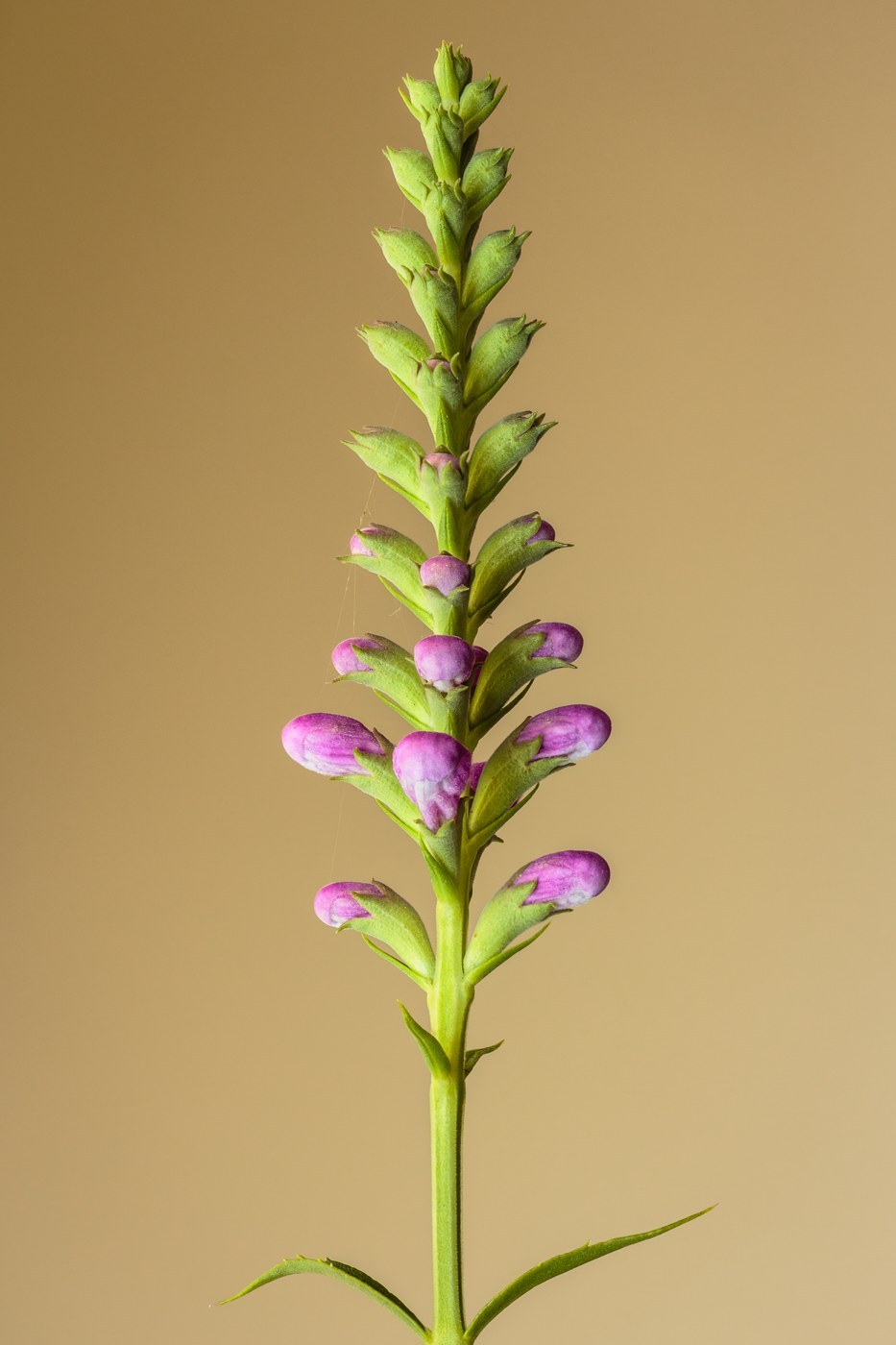
Obedient plant is a native perennial with tall spikes of pink to white snapdragon-like flowers in late summer. It earns its name because pushed flowers stay in their new position.
- Light
- Full sun to part shade
- Water
- Moderate to high; likes moisture
- Difficulty
- Easy
Got a plant like this?
Identify any plant from a photo, free.
Overview
Obedient plant (Physostegia virginiana) is a North American perennial in the mint family grown for its late-season spikes of tubular, two-lipped flowers in shades of pink, lavender, and white.
The quirky common name comes from the flowers: nudge an individual bloom sideways on its hinged stalk and it obediently stays put. The plant itself, however, is anything but obedient, spreading energetically by underground runners.
It is a valuable bridge to fall, blooming when many summer perennials fade, and it thrives in moist, sunny spots.
How to identify it
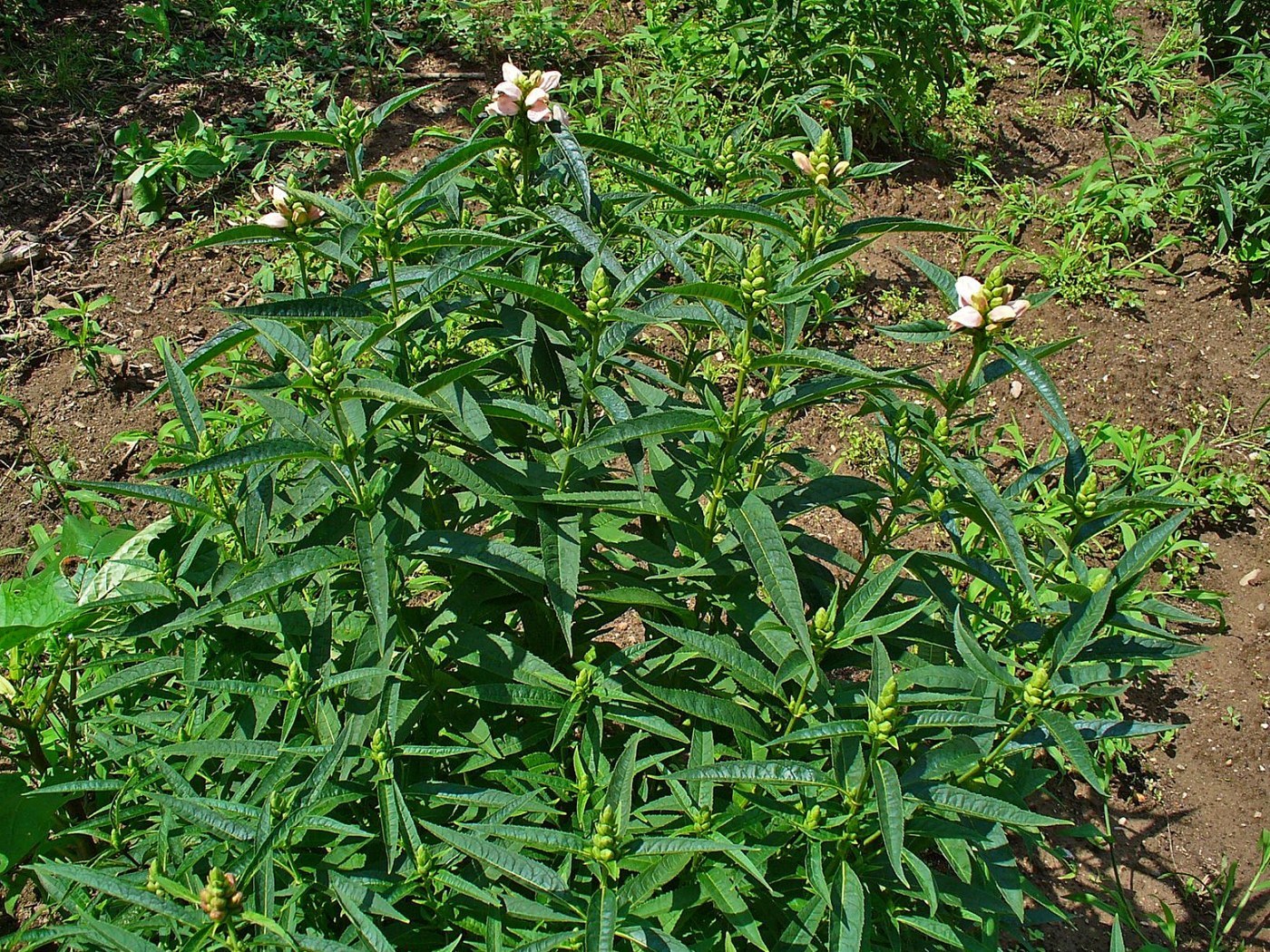
- Flowers: Tubular, snapdragon-like, two-lipped blooms in pink, rose, lilac, or white, packed in four-sided terminal spikes
- Stems: Square stems (a mint-family trait), stiff and upright, 2-4 ft tall
- Leaves: Lance-shaped, sharply toothed, opposite
- Bloom time: Late summer into early fall
- Spread: Forms colonies via aggressive rhizomes
Care & growing
- Light: Full sun to part shade; sturdiest and most upright in full sun
- Water: Prefers consistent moisture and tolerates damp soil; can flop or wilt if too dry
- Soil: Moist, fertile soil is ideal, though it adapts to average soil; lean soil curbs its spread
- Temperature: Hardy roughly USDA zones 3-9
- Feeding: Minimal; rich soil encourages flopping and faster spread
- Propagation: Very easy by division or by separating rhizomes; also grows from seed
Habitat & origin
Obedient plant is native to central and eastern North America, growing in moist prairies, meadows, streambanks, and damp thickets.
It is grown in cottage gardens, native plantings, and rain gardens, and is best given room to spread or contained where its running roots won't overwhelm neighbors.
Frequently asked questions
Is obedient plant invasive?
It spreads vigorously by underground rhizomes and can crowd out neighbors. Plant it in a contained spot, lean soil, or divide it regularly to keep it in check.
Why is it called obedient plant?
Each flower sits on a hinged stalk; if you push a bloom to one side it stays in that position, as if obeying you. The roots, ironically, are not so obedient.
Why does my obedient plant flop over?
Flopping is common in rich soil, shade, or after heavy rain. Grow it in full sun and leaner soil, or pinch stems back in early summer for sturdier growth.
When does obedient plant bloom?
It flowers in late summer into early fall, making it valuable for extending color as other perennials finish.
Obedient Plant guides
In-depth guides for identifying, growing, and caring for Obedient Plant.
How to Care for Obedient Plant
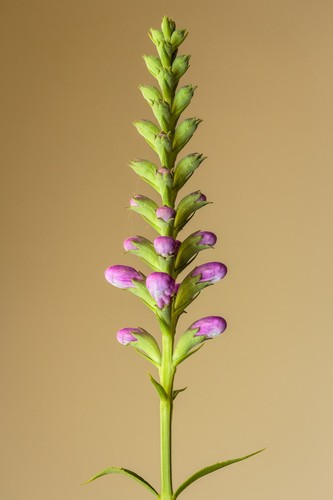
Grow Physostegia virginiana, a vigorous late-summer perennial with pink-purple snapdragon-like spikes that thrives in moist, sunny borders.
Obedient Plant Identification Guide
How to identify Obedient Plant (Physostegia virginiana) by its square stems, toothed opposite leaves, and dense spikes of pink tubular flowers that stay put when pushed sideways.