Red Spruce
Picea rubens
Red Spruce is a cool-climate eastern conifer of high Appalachian and northeastern forests, known for its reddish bark and resonant tonewood.
- Light
- Full sun to part shade
- Water
- Moderate; cool, moist soil
- Difficulty
- Moderate
Got a plant like this?
Identify any plant from a photo, free.
Overview
Red Spruce (Picea rubens) is a slow-growing, shade-tolerant conifer of cool, moist mountain and northern forests in eastern North America. It takes its name from its reddish-brown, scaly bark.
Highly valued as a tonewood, its straight-grained timber is used for the soundboards of guitars, violins, and pianos. It is also a signature species of high-elevation "spruce-fir" forests in the southern Appalachians.
How to identify it
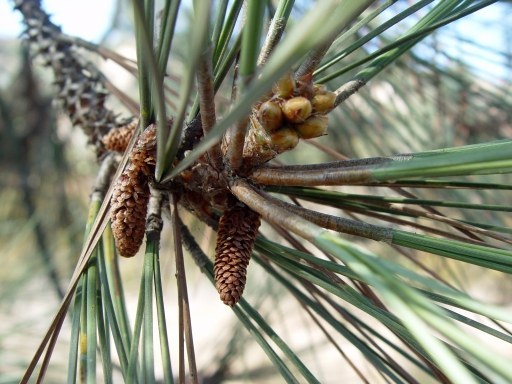
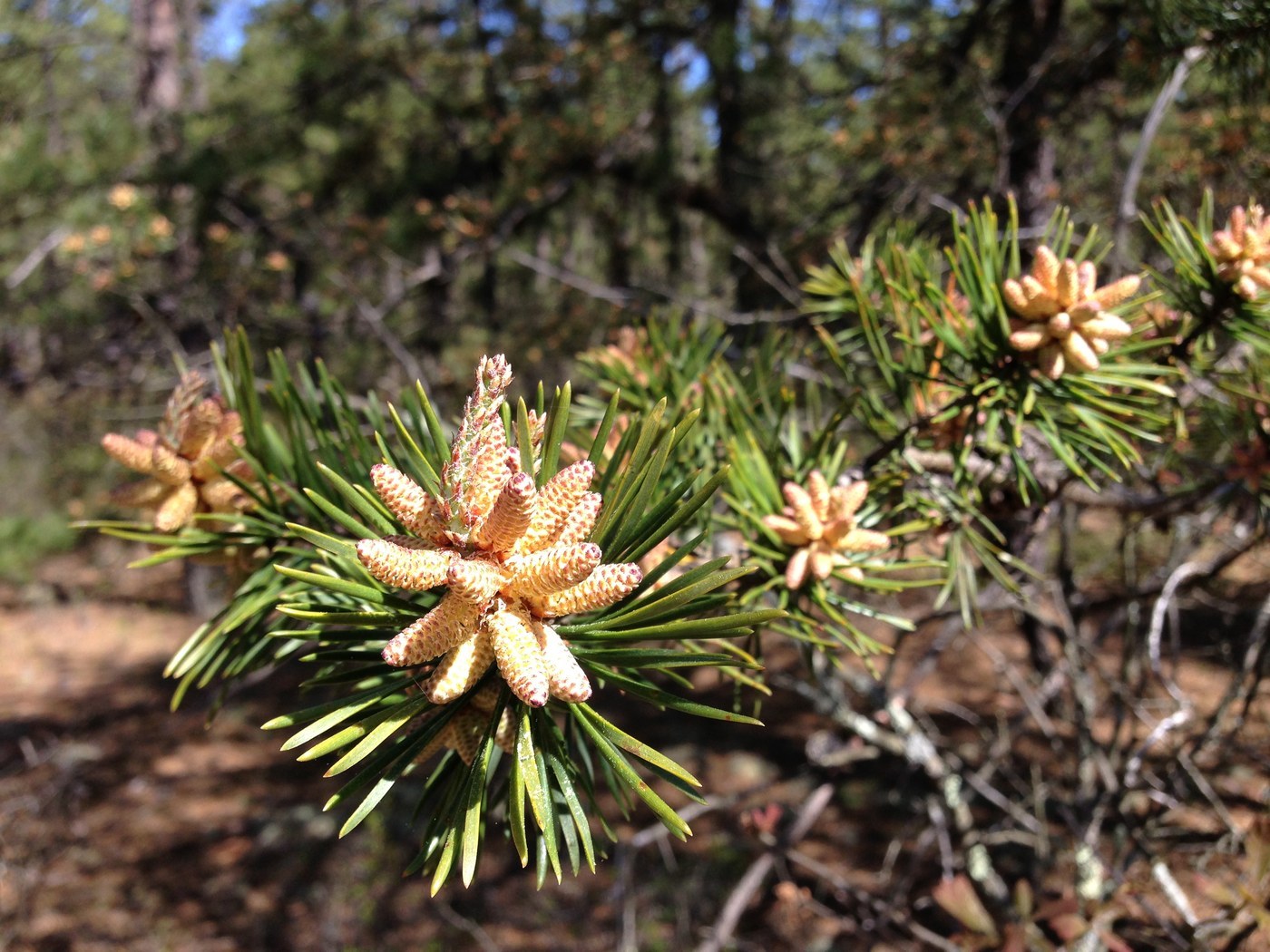
- Needles: Short (0.4–0.6 in), four-sided, yellowish to dark green, often curved, with a sharp point.
- Cones: Reddish-brown, 1.2–2 in, oblong, falling soon after the seeds release.
- Bark: Gray-brown to reddish, breaking into thin scaly plates.
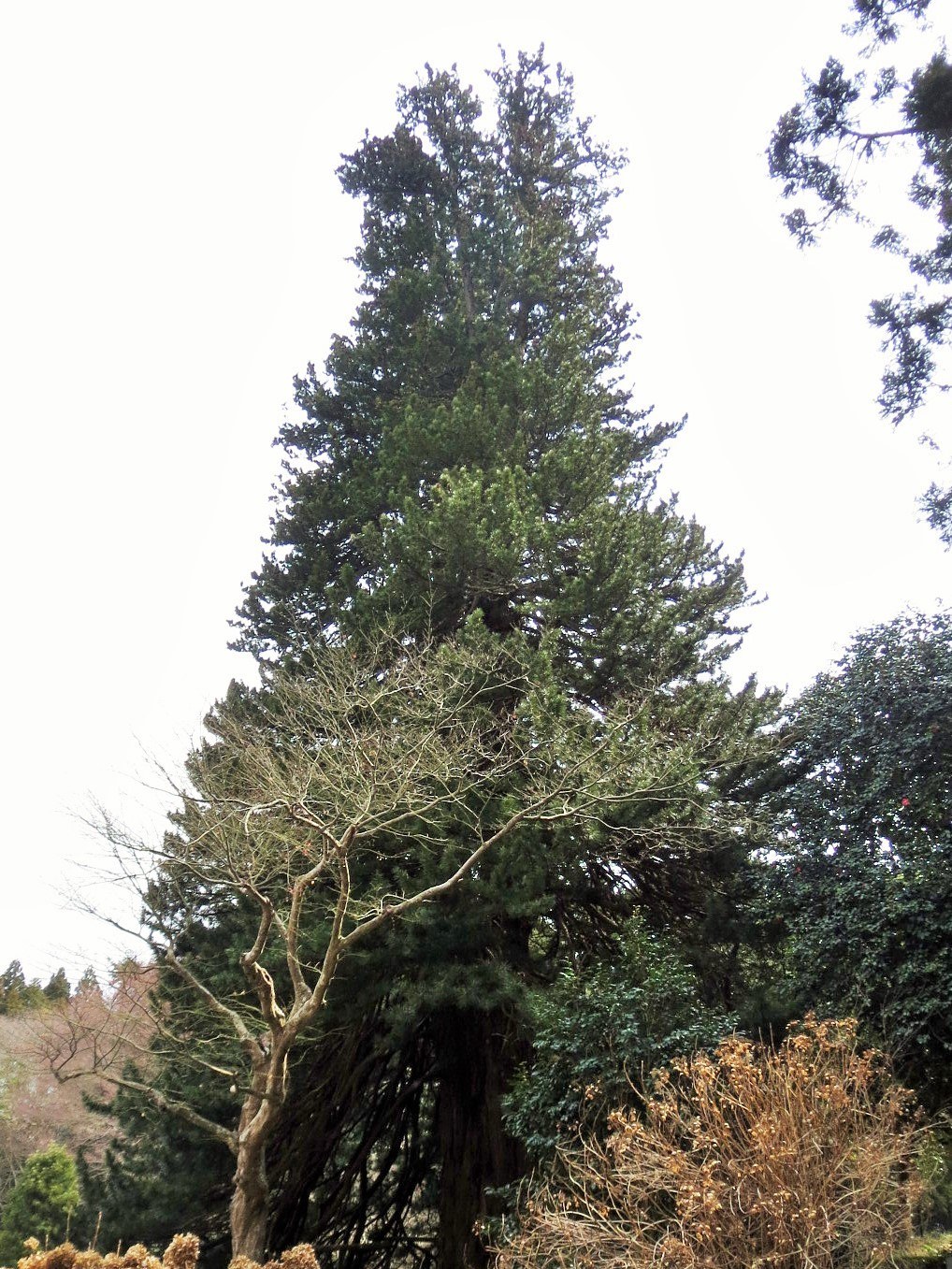
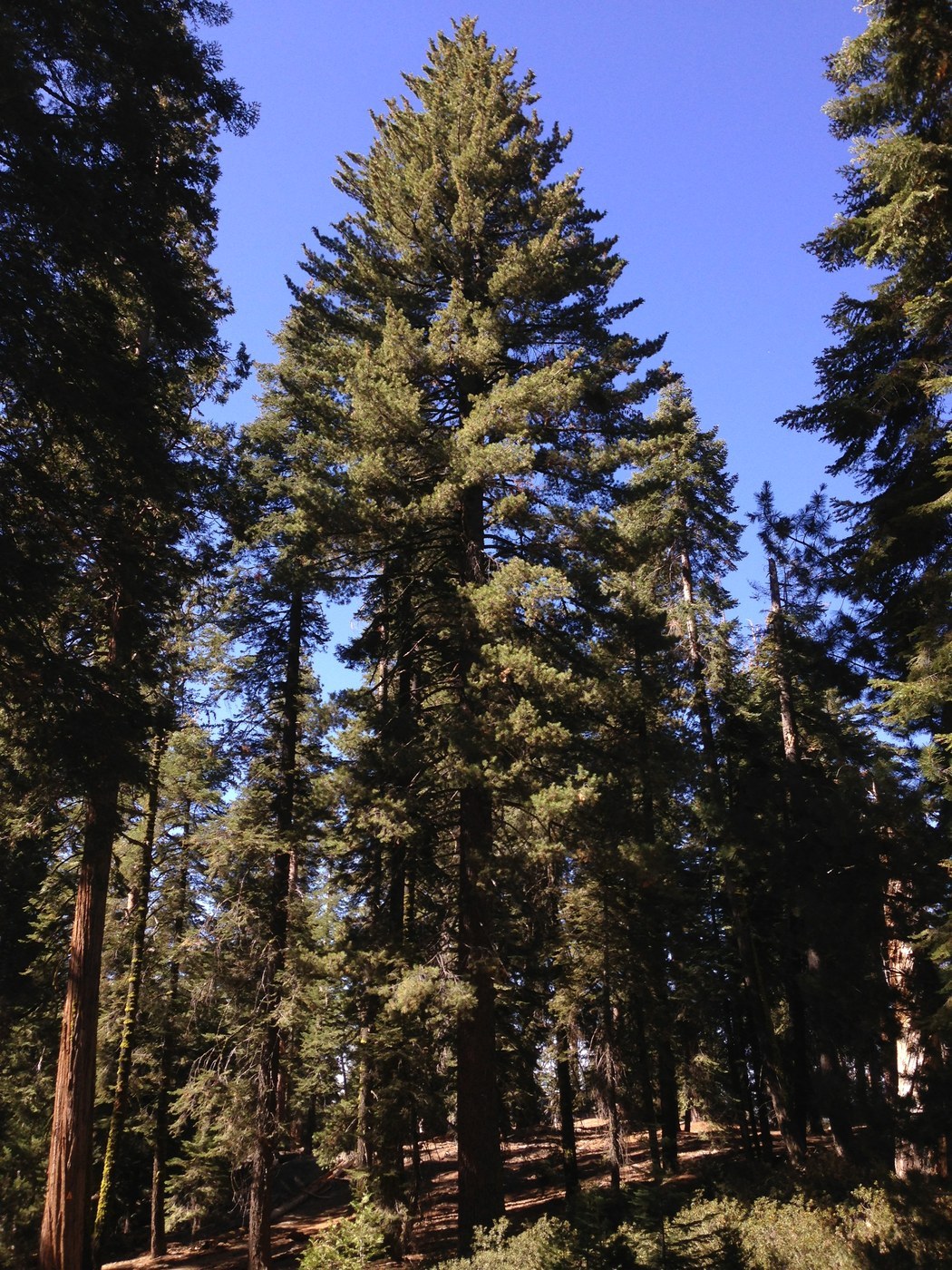
- Crown: Conical and fairly dense.
- Size: Commonly 60–100 ft tall.
Care & growing
Red Spruce prefers cool conditions, full sun to part shade, and consistently moist, acidic, well-drained soil.
- Water: Keep evenly moist; intolerant of heat and drought.
- Soil: Acidic, moist, organic-rich, well-drained.
- Temperature: Hardy USDA zones 3–6; needs cool summers.
- Feeding: Minimal in suitable soils.
- Propagation: From seed after stratification.
Habitat & origin
Native to eastern North America, from the Maritimes and New England through New York and along the Appalachian spine to the high mountains of North Carolina and Tennessee.
It grows in cool, moist montane and northern forests, frequently paired with Fraser or balsam fir in high-elevation spruce-fir stands.
Frequently asked questions
Why is Red Spruce important to musicians?
Its straight-grained, resonant wood is a premier tonewood for guitar and violin soundboards.
Where can I find Red Spruce in the South?
On the highest, coolest Appalachian peaks of North Carolina, Tennessee, and Virginia.
How do I tell Red Spruce from Black Spruce?
Red Spruce has longer needles and larger cones and prefers cool uplands rather than wet bogs.
Is Red Spruce hard to grow?
It needs cool, moist, acidic conditions and dislikes heat, so it is moderate to grow outside its range.
Red Spruce guides
In-depth guides for identifying, growing, and caring for Red Spruce.
How to Care for Red Spruce
Grow Red Spruce (Picea rubens), a cool-climate conifer prized for its dense, reddish-barked form and soft evergreen needles.
Red Spruce Identification Guide
How to identify Red Spruce (Picea rubens) by its yellow-green shiny needles, reddish-brown hairy twigs, and oval reddish cones of the Appalachian and Acadian highlands.