River Birch
Betula nigra
A fast-growing native birch famous for its showy, peeling cinnamon-and-cream bark and tolerance of wet soils. The most heat-tolerant of North American birches.
- Light
- Full sun to part shade
- Water
- Ample; tolerates wet soil
- Difficulty
- Easy
Got a plant like this?
Identify any plant from a photo, free.
Overview
River birch is a fast-growing deciduous tree native to the eastern United States, valued above all for its ornamental exfoliating bark, which peels in papery curls of salmon, cinnamon, cream and brown.
Often grown as a multi-stemmed clump, it provides year-round interest and is the most heat- and humidity-tolerant birch, succeeding far south of where other birches struggle.
It naturally grows along rivers and floodplains, making it an excellent choice for low, wet or periodically flooded sites.
How to identify it
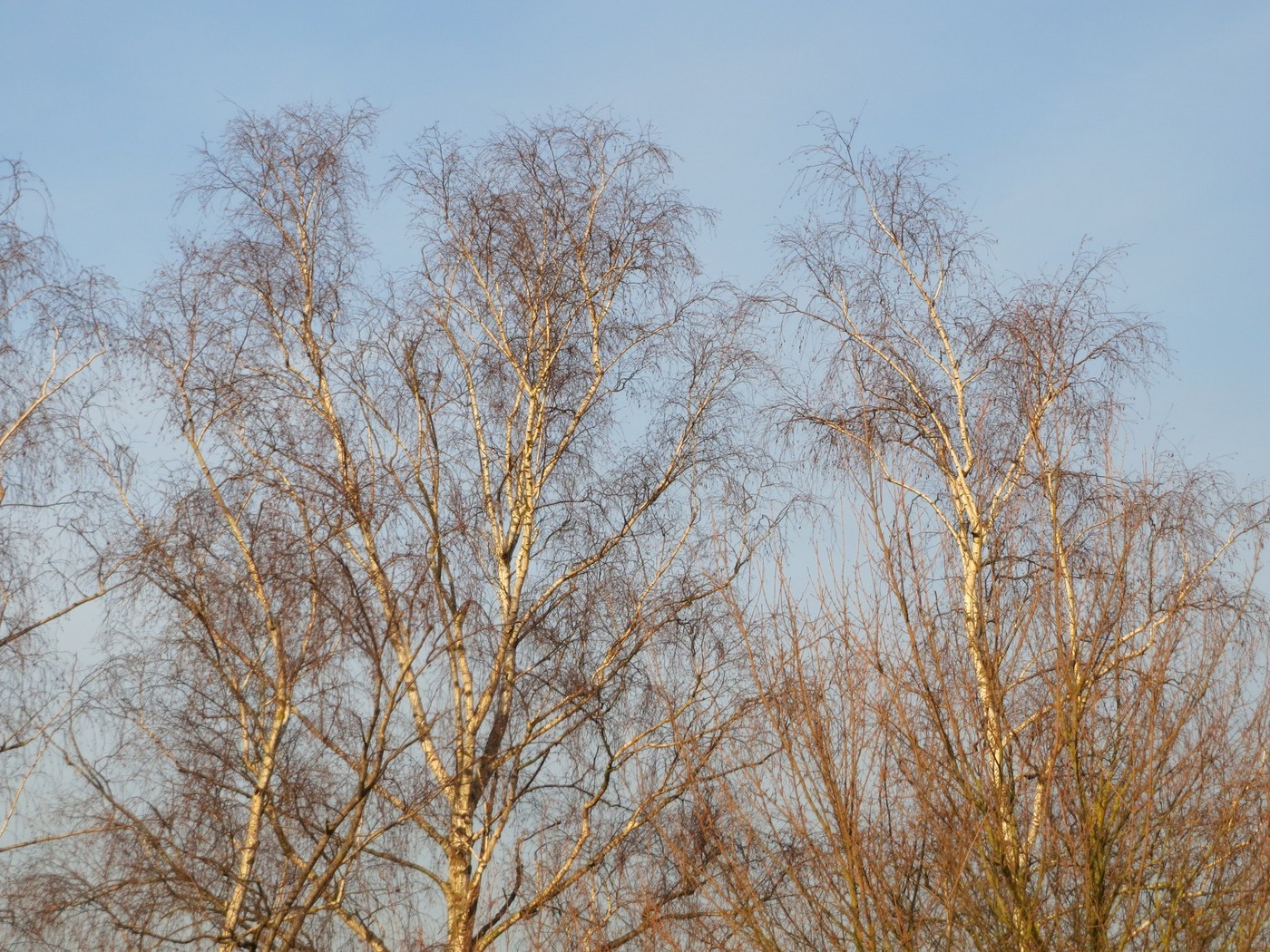
- Bark: the key feature—peeling, papery, multicolored (salmon, tan, cinnamon, cream) on young trunks, becoming darker and platy with age
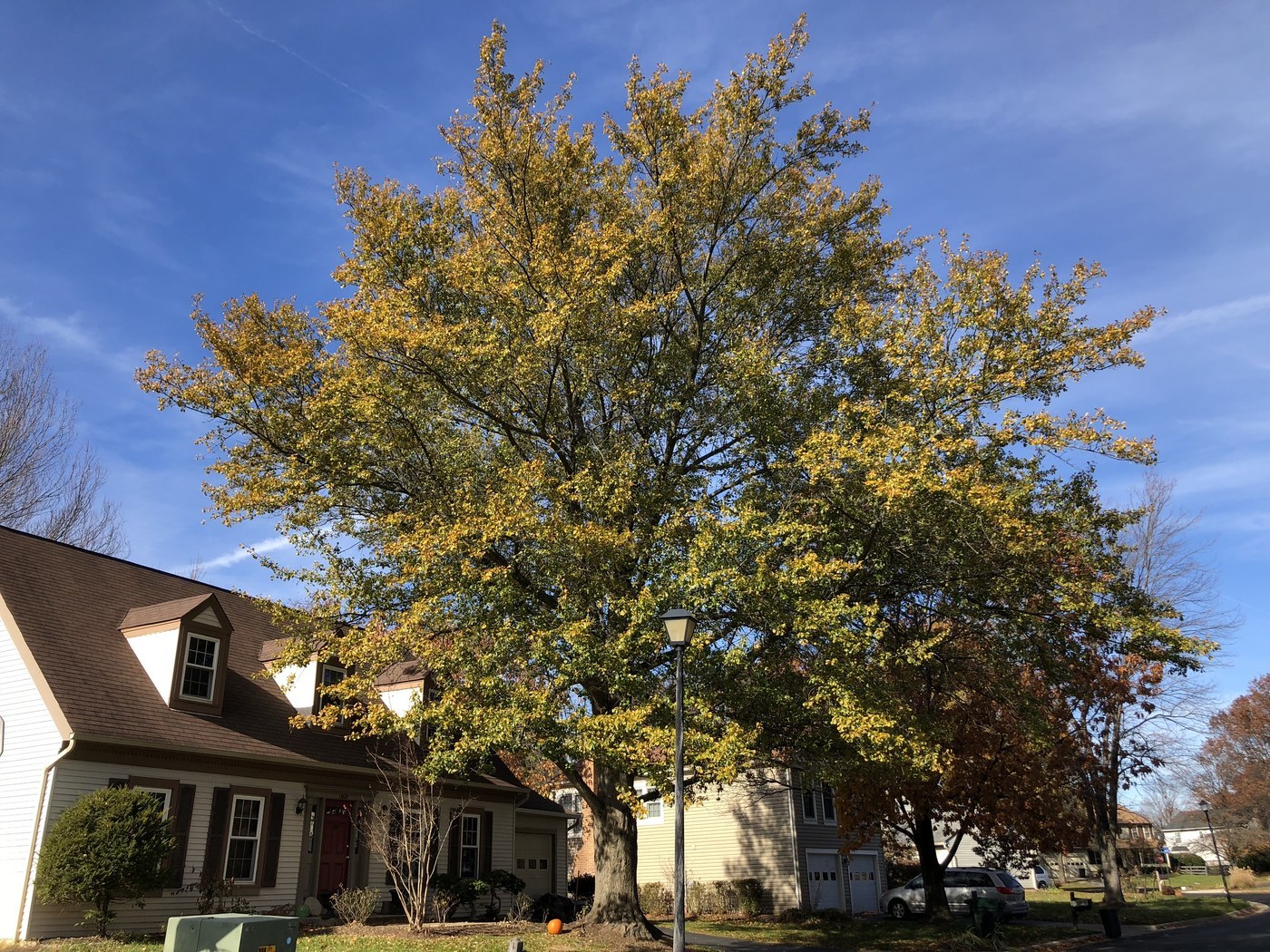
- Leaves: alternate, diamond-shaped (rhombic) with doubly serrated edges, 1.5-3 in, turning yellow in fall
- Catkins: drooping male catkins in late winter/spring
- Size: 40-70 ft tall, often grown as a multi-trunked clump
- Habit: upright, irregularly pyramidal to rounded
Care & growing
- Light: full sun to partial shade
- Water: prefers consistently moist soil; tolerates flooding and seasonal wet feet, but appreciates water during drought
- Soil: adaptable; thrives in acidic soil—can develop chlorosis (yellowing) in high-pH soils
- Temperature: hardy in USDA zones 4-9, the most heat-tolerant birch
- Feeding: usually unnecessary; iron may help in alkaline soil
- Propagation: from seed (sown fresh) or softwood cuttings
Habitat & origin
Native to the eastern United States, from New England and the Great Lakes south to Florida and west to Texas.
It grows naturally along riverbanks, floodplains and in swampy bottomlands, tolerating periodic flooding. It is widely planted as a landscape tree, especially the popular cultivar 'Heritage,' which has exceptionally pale, attractive bark and good disease resistance.
Frequently asked questions
Is river birch good for wet yards?
Yes. It naturally grows in floodplains and tolerates periodically wet or flooded soil better than almost any other ornamental tree.
Why are my river birch's leaves turning yellow?
In high-pH (alkaline) soil it often develops iron chlorosis, causing yellow leaves with green veins. Acidifying the soil or applying iron usually helps.
Is river birch resistant to birch borer?
Yes. Unlike white-barked birches, it has strong resistance to the bronze birch borer, making it a more reliable long-lived choice.
Should I grow it single or multi-trunk?
Both work; many gardeners prefer the multi-stemmed clump form because it best displays the colorful peeling bark.
River Birch guides
In-depth guides for identifying, growing, and caring for River Birch.
How to Care for River Birch
River birch is an easy, fast-growing shade tree with peeling cinnamon bark; it loves moisture, tolerates wet soil, and thrives in sun to part shade.
River Birch Identification Guide
How to identify river birch (Betula nigra) by its peeling salmon-to-cinnamon bark, diamond-shaped leaves, and wetland habitat.