Rocky Mountain Juniper
Juniperus scopulorum
Rocky Mountain Juniper is a drought-hardy western conifer with scale-like blue-green foliage and waxy blue berry-like cones, popular for windbreaks and bonsai.
- Light
- Full sun
- Water
- Drought tolerant
- Difficulty
- Easy
Got a plant like this?
Identify any plant from a photo, free.
Overview
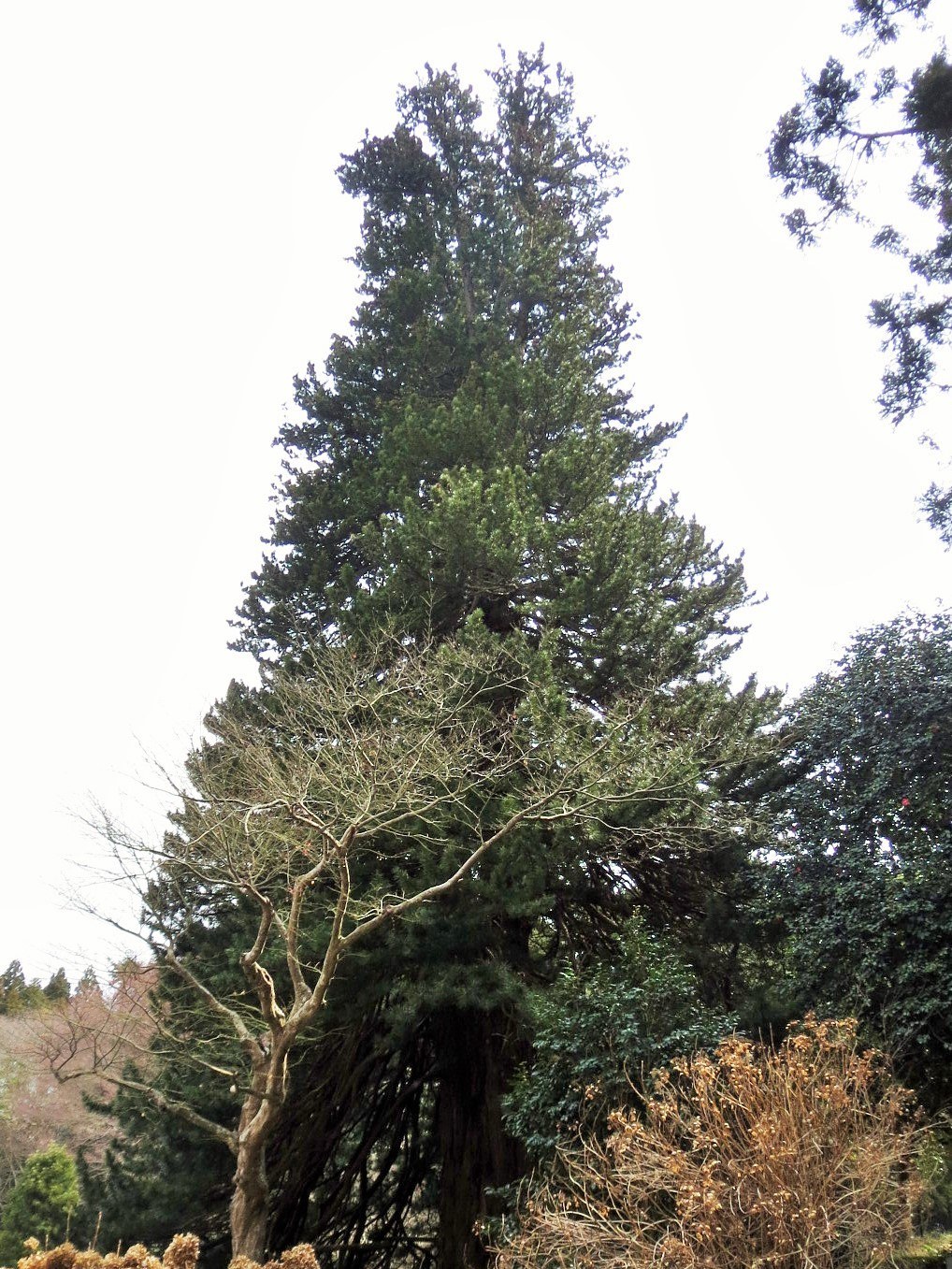
Rocky Mountain Juniper (Juniperus scopulorum) is a small-to-medium evergreen conifer native to the mountains and dry uplands of western North America. It is tough, drought-tolerant, and long-lived, with some specimens surpassing 1,000 years.
Its soft-looking, scale-like foliage ranges from green to silvery-blue, and many ornamental cultivars (such as 'Skyrocket' and 'Blue Arrow') are grown for their narrow, colorful forms.
How to identify it
- Foliage: Scale-like, blue-green to silvery, pressed against the twigs (juvenile foliage is needle-like and prickly).
- Cones: Berry-like, waxy, dark blue with a whitish bloom, maturing over two seasons.
- Bark: Reddish-brown to gray, fibrous and shredding.
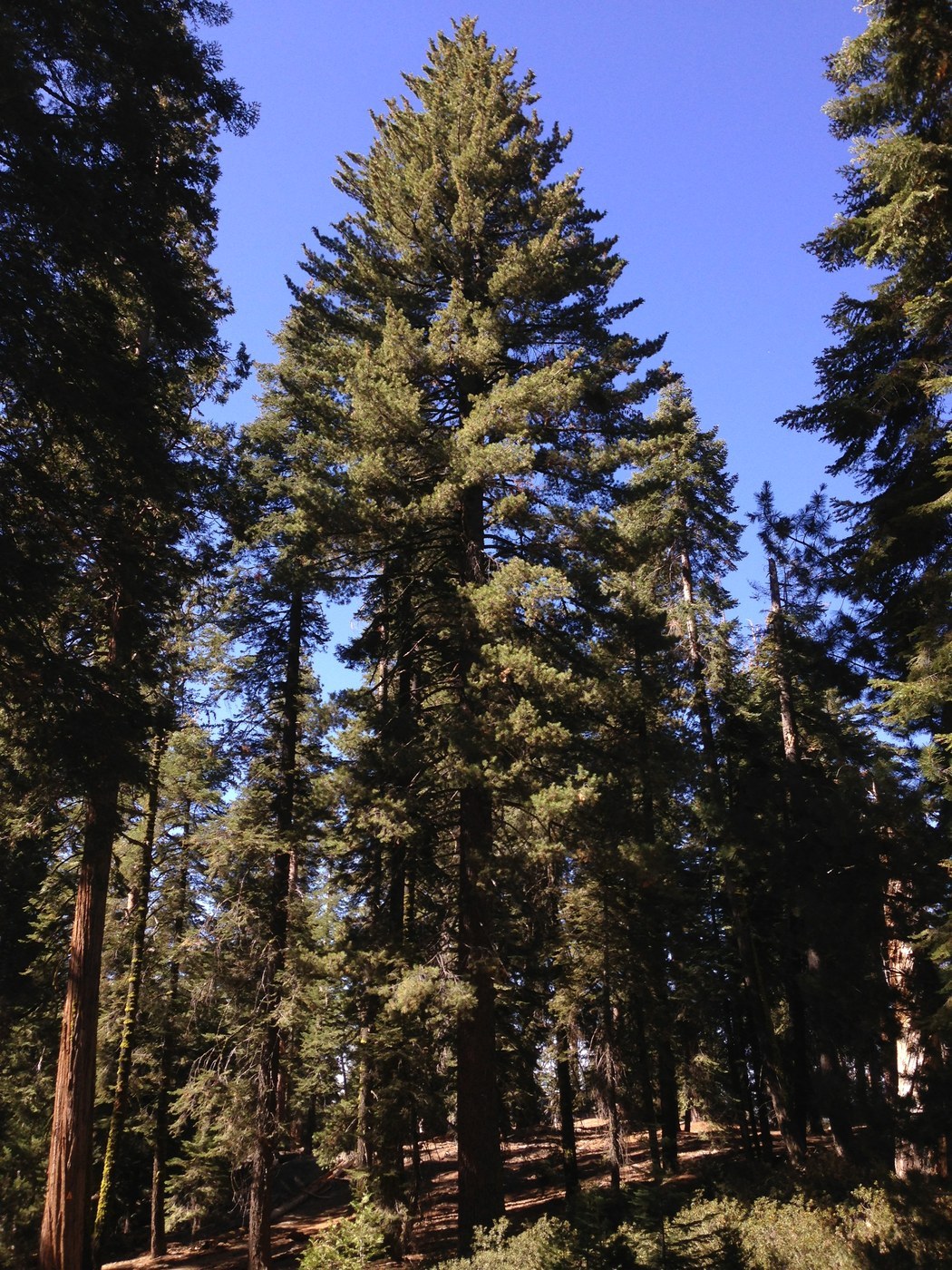
- Habit: Conical to irregular tree or large shrub.
- Size: Commonly 15–40 ft tall.
Care & growing
Rocky Mountain Juniper thrives in full sun and poor, dry soils; it is one of the most drought-tolerant conifers.
- Water: Very drought tolerant once established.
- Soil: Well-drained; tolerates rocky, alkaline, and infertile ground; dislikes wet soil.
- Temperature: Cold and heat hardy (USDA zones 3–7).
- Feeding: Rarely needed.
- Propagation: From cuttings (cultivars) or seed; popular for bonsai.
Habitat & origin
Native to western North America, from British Columbia and Alberta south through the Rocky Mountains to Arizona, New Mexico, and Texas.
It grows on dry foothills, rocky slopes, canyons, and bluffs, often where few other trees can survive.
Frequently asked questions
Is it a juniper or a cedar?
It is a true juniper; "red cedar" is a common but botanically inaccurate name.
How drought tolerant is it?
Extremely; once established it thrives on dry, rocky, infertile sites with little water.
What do the cones look like?
They are berry-like, waxy, and dark blue with a whitish bloom, maturing over two seasons and often eaten by wildlife.
Which cultivars are popular?
Narrow blue forms like 'Skyrocket', 'Blue Arrow', and 'Wichita Blue' are widely grown.
Rocky Mountain Juniper guides
In-depth guides for identifying, growing, and caring for Rocky Mountain Juniper.
How to Care for Rocky Mountain Juniper
A tough, drought-tolerant evergreen conifer for hot, sunny sites. Rocky Mountain juniper is an easy, low-maintenance tree once established.
Rocky Mountain Juniper Identification Guide
How to identify Rocky Mountain Juniper (Juniperus scopulorum) by its scale-like blue-green foliage, soft blue berry-cones, and shreddy reddish bark. Covers separation from eastern redcedar.