Saucer Magnolia
Magnolia x soulangeana
A deciduous magnolia famous for large, goblet-shaped pink-and-white blooms that open on bare branches in early spring. It is one of the most widely planted flowering trees in temperate gardens.
- Light
- Full sun to partial shade
- Water
- Moderate; keep evenly moist
- Difficulty
- Easy
Got a plant like this?
Identify any plant from a photo, free.
Overview
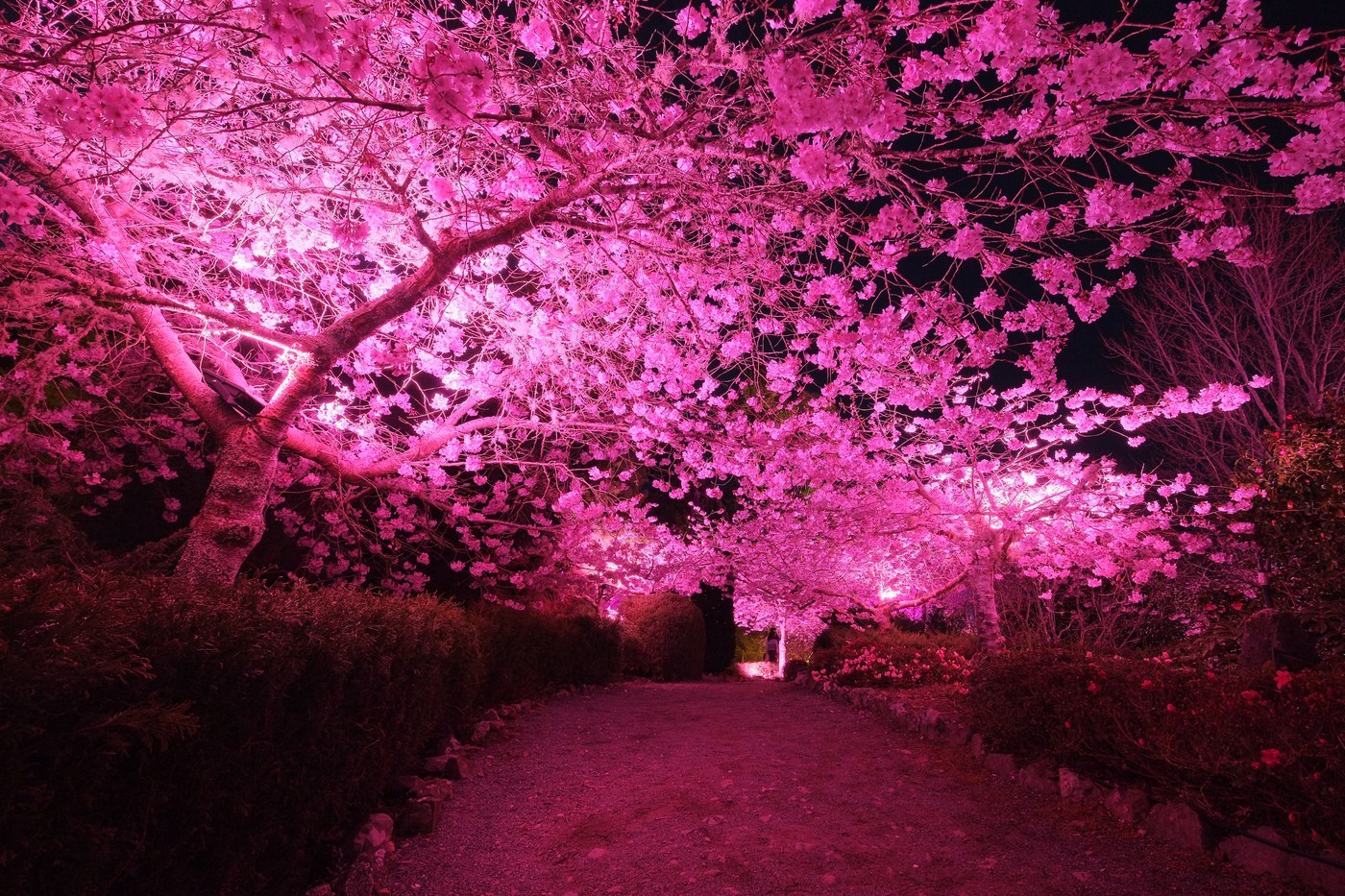
The saucer magnolia, Magnolia x soulangeana, is a deciduous hybrid magnolia (a cross of M. denudata and M. liliiflora) renowned for its early-spring flowers. Large, cup- or saucer-shaped blooms in shades of pink, purple, and white open before the leaves emerge, covering the bare branches.
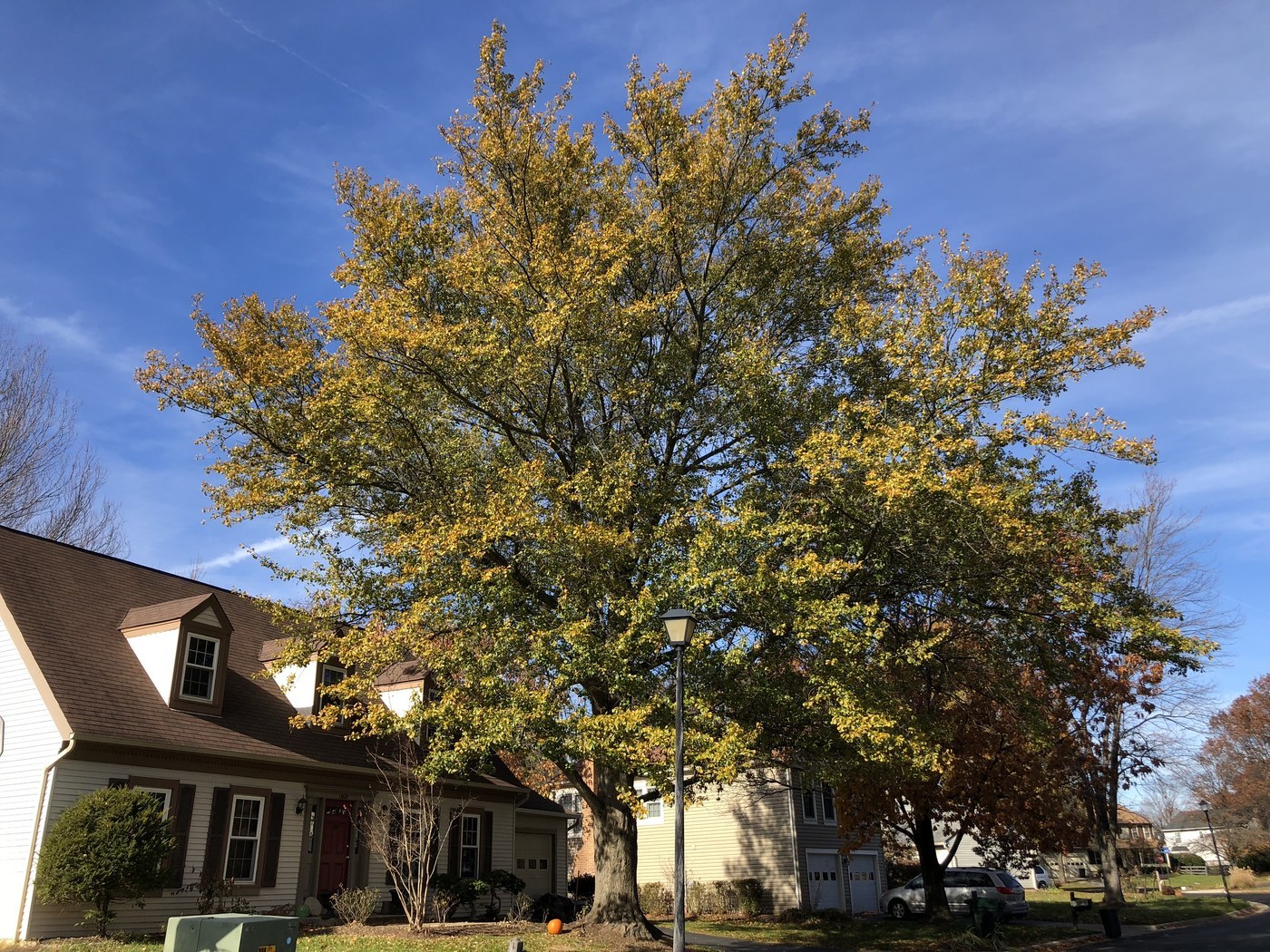
It grows as a small multi-stemmed tree or large shrub, typically 20-25 ft (6-7.5 m) tall and wide, with a rounded, spreading habit.
Because it blooms so early, the flowers are occasionally nipped by late frosts, but in a good year the display is spectacular.
How to identify it
- Flowers: Large goblet- to saucer-shaped blooms 5-10 in (13-25 cm) across, pink to purple outside and paler to white inside, opening on bare branches in early spring
- Leaves: Broad, oval, dark green leaves emerging after the flowers
- Habit: Multi-stemmed small tree or large shrub, 20-25 ft, rounded and spreading
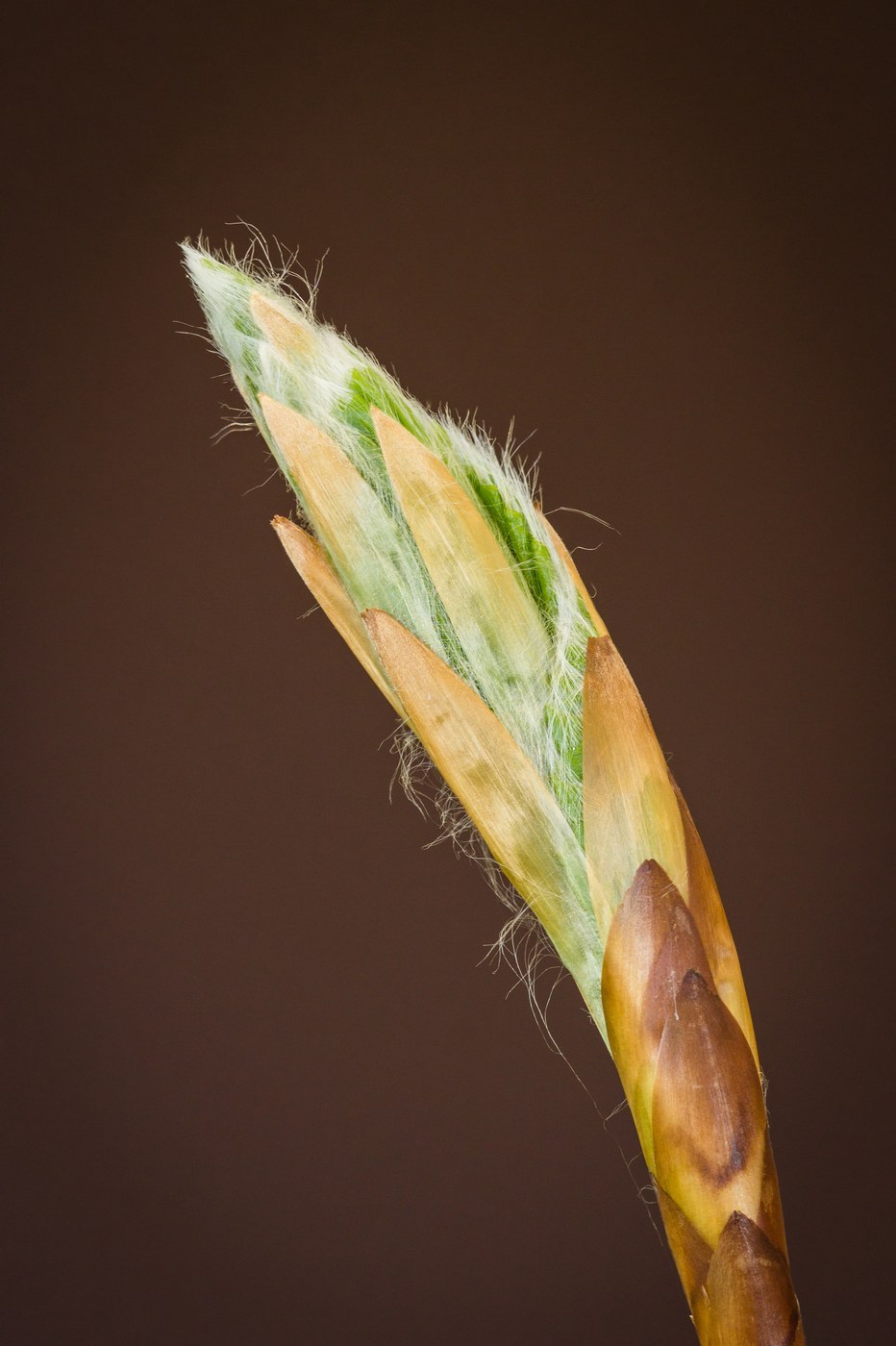
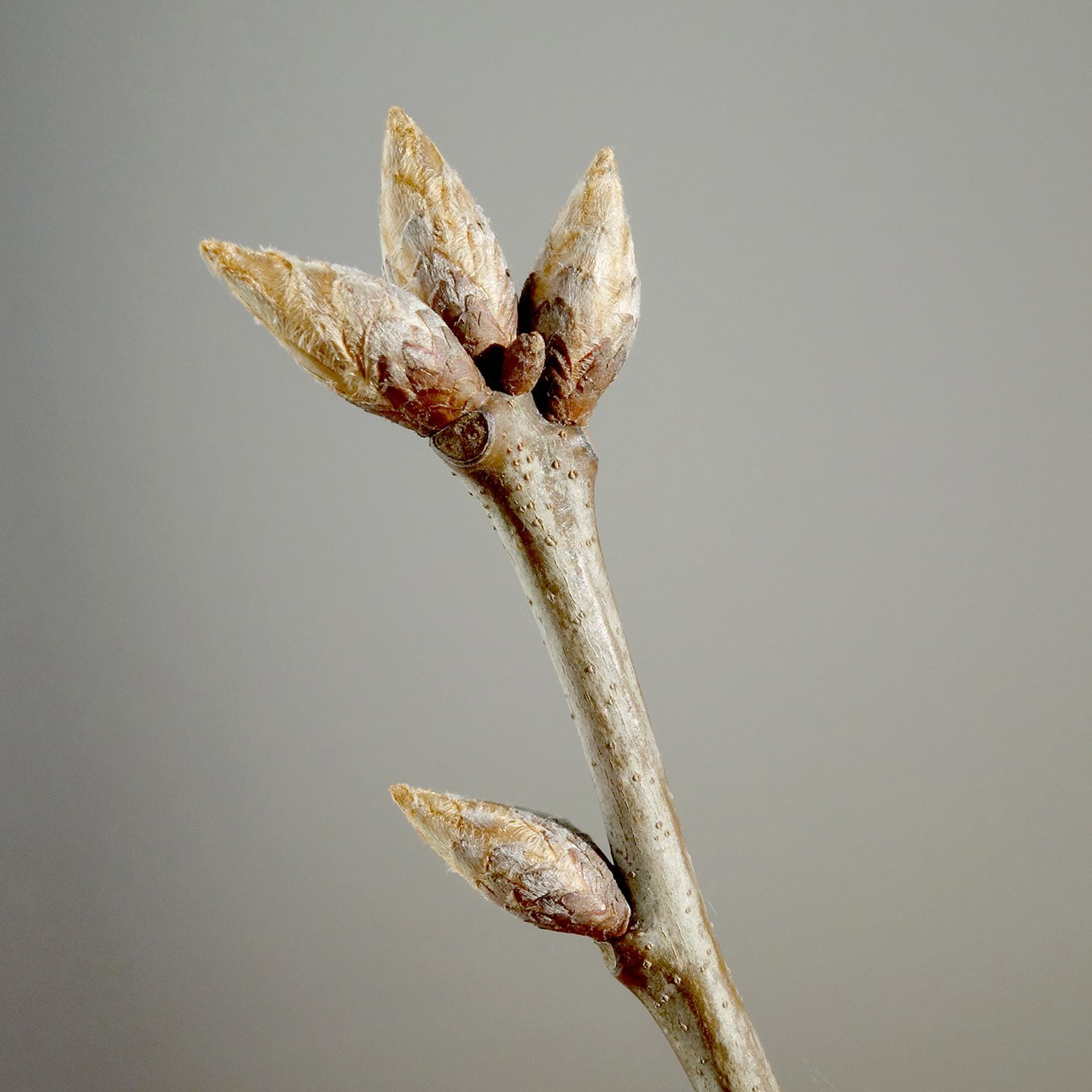
- Buds: Large, fuzzy, silvery flower buds conspicuous through winter
- Bark: Smooth, gray
Care & growing
Light: Full sun to partial shade; full sun gives the heaviest bloom.
Water: Keep soil evenly moist, especially when young; mulch to conserve moisture.
Soil: Prefers rich, moist, well-drained, slightly acidic soil.
Temperature: Hardy in USDA zones 4-9; plant in a spot sheltered from early-morning sun to reduce frost damage to blooms.
Feeding: Light spring feeding with an acid-forming fertilizer.
Pruning & propagation: Prune only lightly, right after flowering, as it blooms on old wood. Propagate by softwood cuttings or layering.
Habitat & origin
Magnolia x soulangeana is a garden hybrid first raised in France in the early 19th century by Etienne Soulange-Bodin; its parent species are native to China.
It is not found in the wild but is one of the most popular ornamental magnolias in temperate gardens across Europe, North America, and Asia, planted as a specimen tree on lawns and in front yards.
Frequently asked questions
Why did my saucer magnolia's flowers turn brown?
The early blooms are vulnerable to late spring frosts, which can brown and ruin them. Planting in a spot sheltered from early-morning sun helps reduce damage.
When should I prune a saucer magnolia?
Prune only lightly and immediately after flowering, since it blooms on old wood. Hard pruning will remove next year's flower buds.
How big does a saucer magnolia get?
It typically grows 20-25 ft tall and wide as a multi-stemmed small tree or large shrub.
Saucer Magnolia guides
In-depth guides for identifying, growing, and caring for Saucer Magnolia.
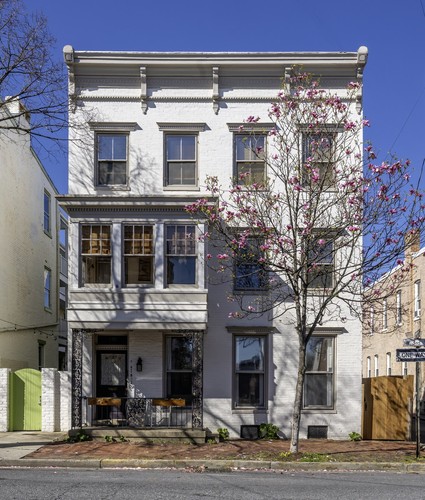
How to Care for Saucer Magnolia
Saucer Magnolia (Magnolia x soulangeana) is an easy small tree with huge goblet-shaped spring blooms, thriving in sun to part shade and moist soil.
Saucer Magnolia Identification Guide
Identify the saucer magnolia (Magnolia × soulangeana) by its large pink-and-white goblet flowers that open on bare branches before the leaves, and its smooth gray bark.