Savory
Satureja hortensis
An aromatic Mediterranean herb in the mint family, grown in gardens as a culinary herb. Summer savory is a tender annual; winter savory a hardy perennial.
- Light
- Full sun
- Water
- Moderate; let topsoil dry
- Difficulty
- Easy
Got a plant like this?
Identify any plant from a photo, free.
Overview
Savory refers to two closely related culinary herbs: summer savory (Satureja hortensis), a soft annual, and winter savory (Satureja montana), a tougher evergreen perennial.
Both are aromatic plants long grown in European herb gardens. Summer savory is a soft, bushy annual, while winter savory is a low, woody, semi-evergreen perennial.
How to identify it
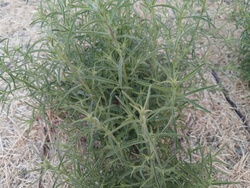
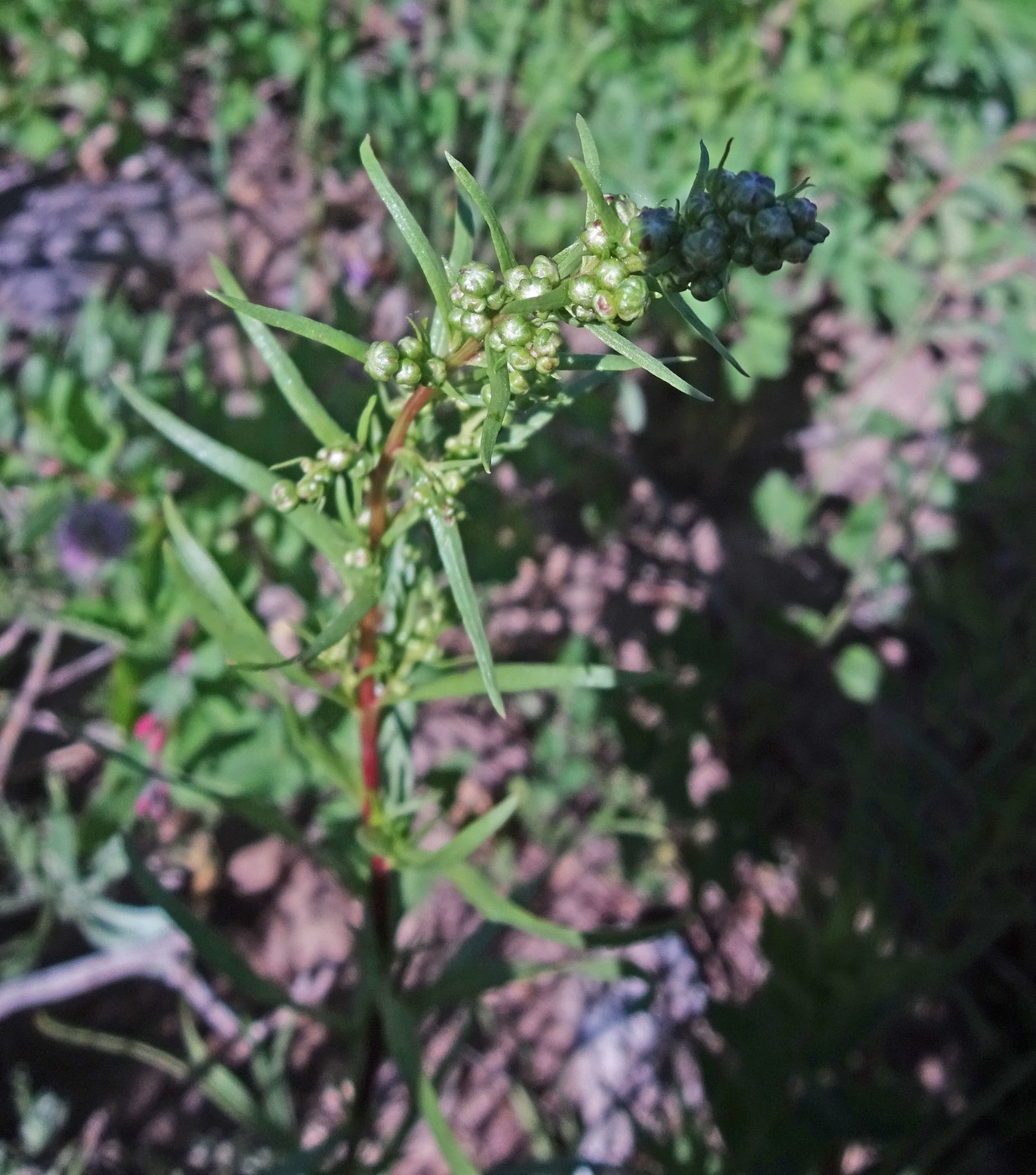
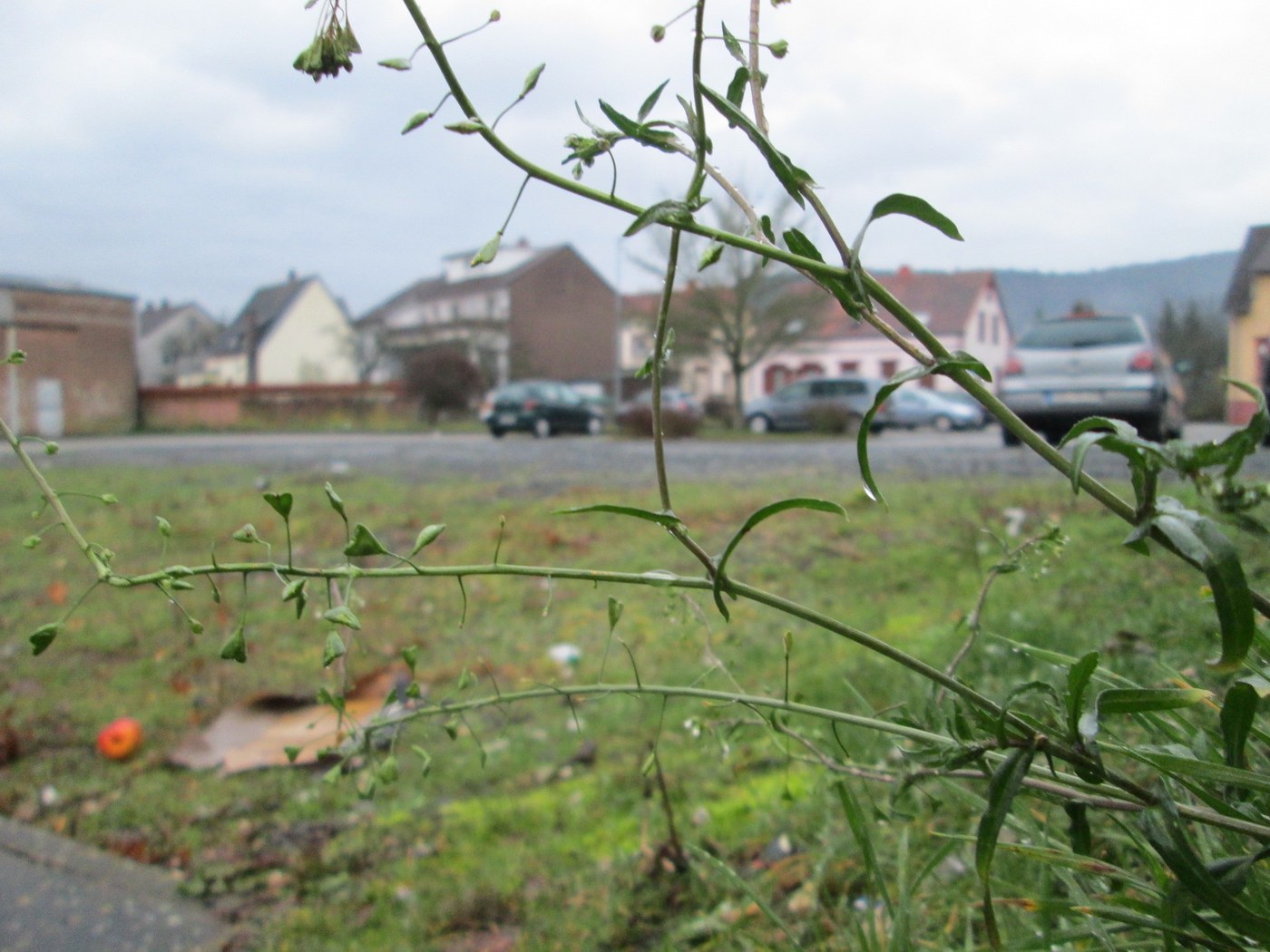
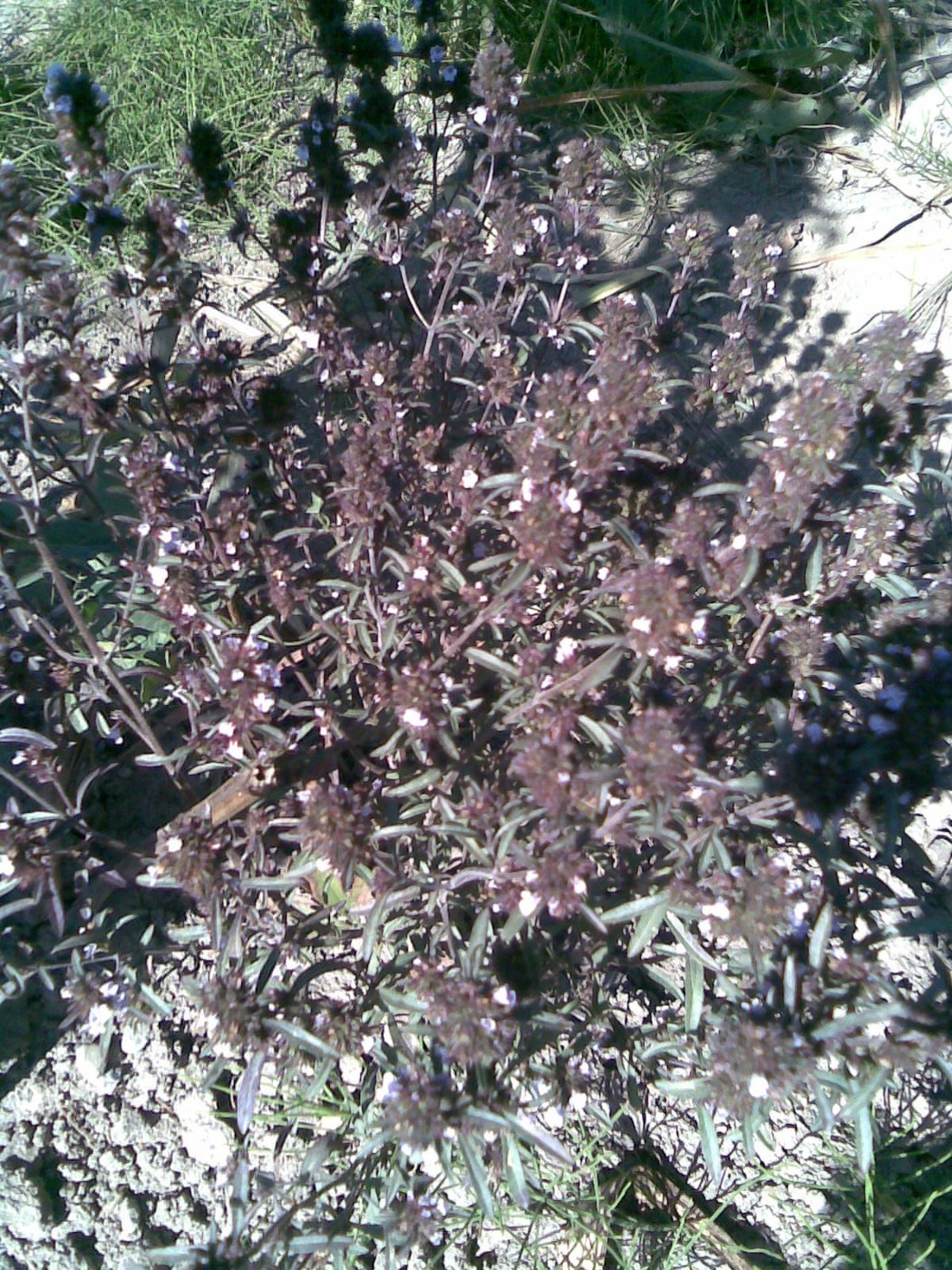
- Slender, narrow, lance-shaped leaves on wiry stems, typical of the mint family
- Summer savory: soft, bushy annual to about 30-45 cm (12-18 in); winter savory: woody, low, semi-evergreen perennial
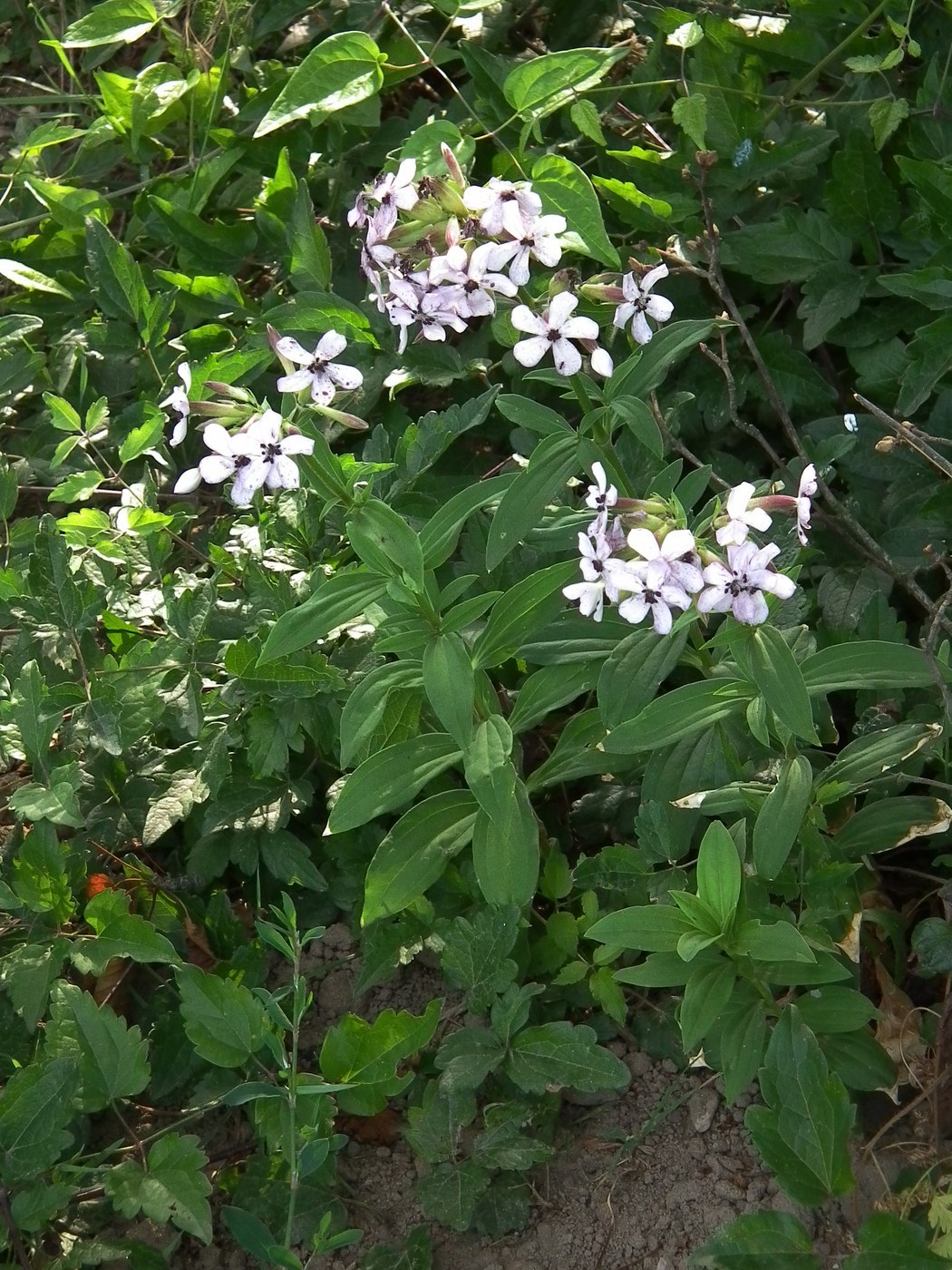
- Small white to pale pink or lilac flowers in summer, loved by bees
- Square stems and an aromatic scent when crushed
Care & growing
Savory is an easy, sun-loving Mediterranean herb.
- Light: Full sun
- Water: Moderate; let the topsoil dry between waterings
- Soil: Light, well-drained soil; winter savory tolerates poor, rocky ground
- Temperature: Summer savory is frost-tender; winter savory is hardy
- Feeding: Minimal; rich soil reduces aroma
- Propagation: Summer savory from seed each year; winter savory from cuttings, division, or seed
Habitat & origin
Both savories are native to the Mediterranean region and southeastern Europe, where they grow on warm, dry, rocky hillsides and sunny slopes.
They are cultivated in herb gardens worldwide and have naturalized in some temperate areas, favoring well-drained, sunny sites.
Frequently asked questions
What is the difference between summer and winter savory?
Summer savory is a soft annual, while winter savory is a hardy, woody, semi-evergreen perennial.
What does savory look like?
It has slender, narrow, lance-shaped leaves on wiry square stems and small white to pale-pink or lilac flowers in summer.
Can I grow savory in a pot?
Yes. Both types grow well in containers in a sunny spot with well-drained soil and only modest watering.
Where does savory grow best?
Both savories are Mediterranean plants that thrive in full sun and light, well-drained soil, including poor or rocky ground.
Savory guides
In-depth guides for identifying, growing, and caring for Savory.
How to Care for Savory
Grow Satureja hortensis, an easy aromatic annual herb, in full sun and free-draining soil, letting the topsoil dry between waterings.
Savory Identification Guide
How to identify savory (Satureja species) by its small narrow aromatic leaves, square stems, and small white-to-pink two-lipped flowers.
Savory identified by the community
Real specimens identified with Plant Identifier.