Snakeroot
Actaea racemosa
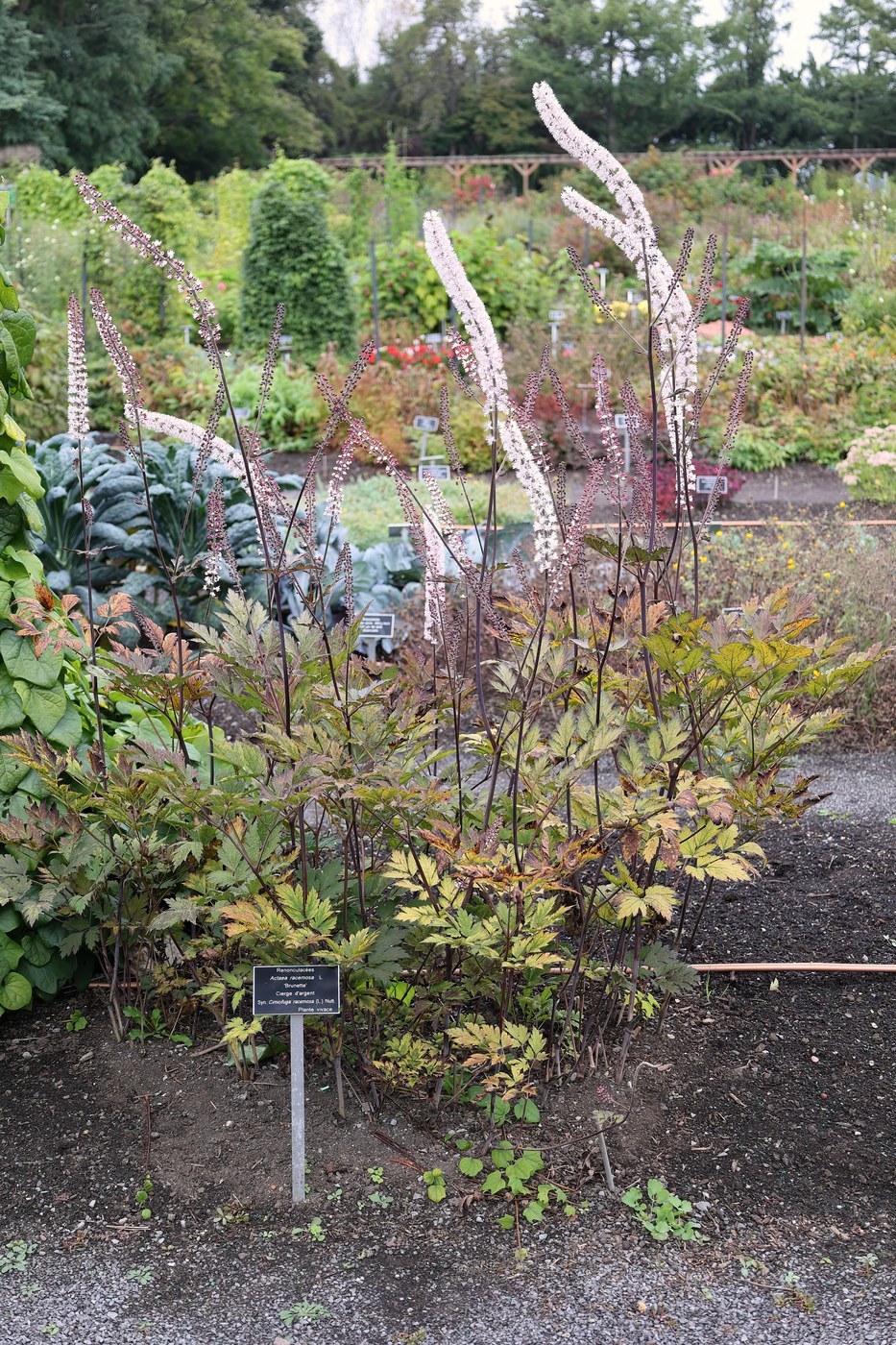
Snakeroot, also called black cohosh, is a tall woodland perennial bearing dramatic white bottlebrush spires of fragrant flowers above ferny foliage. It is a striking native for moist, shady gardens.
- Light
- Part to full shade
- Water
- Keep consistently moist
- Difficulty
- Moderate
Got a plant like this?
Identify any plant from a photo, free.
Overview
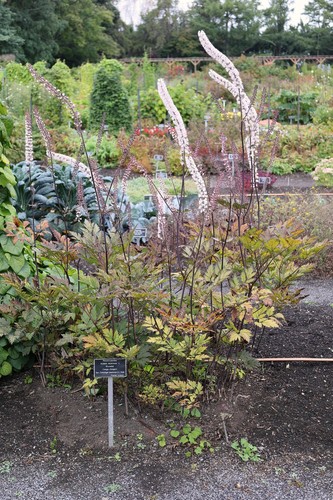
Snakeroot (Actaea racemosa, formerly Cimicifuga racemosa), commonly known as black cohosh, is a stately perennial in the buttercup family (Ranunculaceae). It sends up towering, wand-like spires of fluffy white flowers, earning the name 'fairy candles.'
The flowers carry a distinctive, somewhat musky-sweet fragrance and bloom in mid- to late summer, lighting up shaded gardens. The dark, divided foliage forms a handsome backdrop all season.
Native to eastern North American woodlands, it is a bold ornamental for shaded and woodland gardens.
How to identify it
Recognize snakeroot by its tall white flower wands above ferny foliage.
- Flowers: Tiny, petal-less white blooms (showy from clustered stamens) packed into slender, arching racemes up to 2 feet long
- Leaves: Large, compound, deeply divided and toothed, dark green and fern-like
- Size: Foliage mounds 2 to 3 feet, with flower spires rising 4 to 7 feet tall
- Fragrance: Distinctive musky-sweet scent
- Bloom time: Mid- to late summer
Care & growing
Provide woodland conditions for best performance.
- Light: Part to full shade; tolerates more sun only with constant moisture
- Water: Keep soil consistently moist; dislikes drying out
- Soil: Rich, humus-rich, moisture-retentive soil
- Temperature: Hardy in USDA zones 3 to 8
- Feeding: Compost or balanced feed in spring
- Propagation: Division in spring or fall, or seed (slow, requiring cold stratification); plants are slow to establish but long-lived
Habitat & origin
Native to rich, moist deciduous woodlands and shaded slopes of eastern North America, from Ontario south to Georgia.
It thrives in woodland gardens, shaded borders, and naturalistic moist plantings where its height adds vertical drama. It is widely grown as an ornamental.
Frequently asked questions
Is snakeroot the same as black cohosh?
Yes. Actaea racemosa is commonly called both snakeroot and black cohosh, and is also known as fairy candles.
Why are the flower spikes so tall?
The wand-like racemes can rise 4 to 7 feet, creating a dramatic vertical accent that towers above the foliage.
Can snakeroot grow in deep shade?
Yes, it tolerates part to full shade and is one of the better tall perennials for moist, shady spots.
Snakeroot guides
In-depth guides for identifying, growing, and caring for Snakeroot.