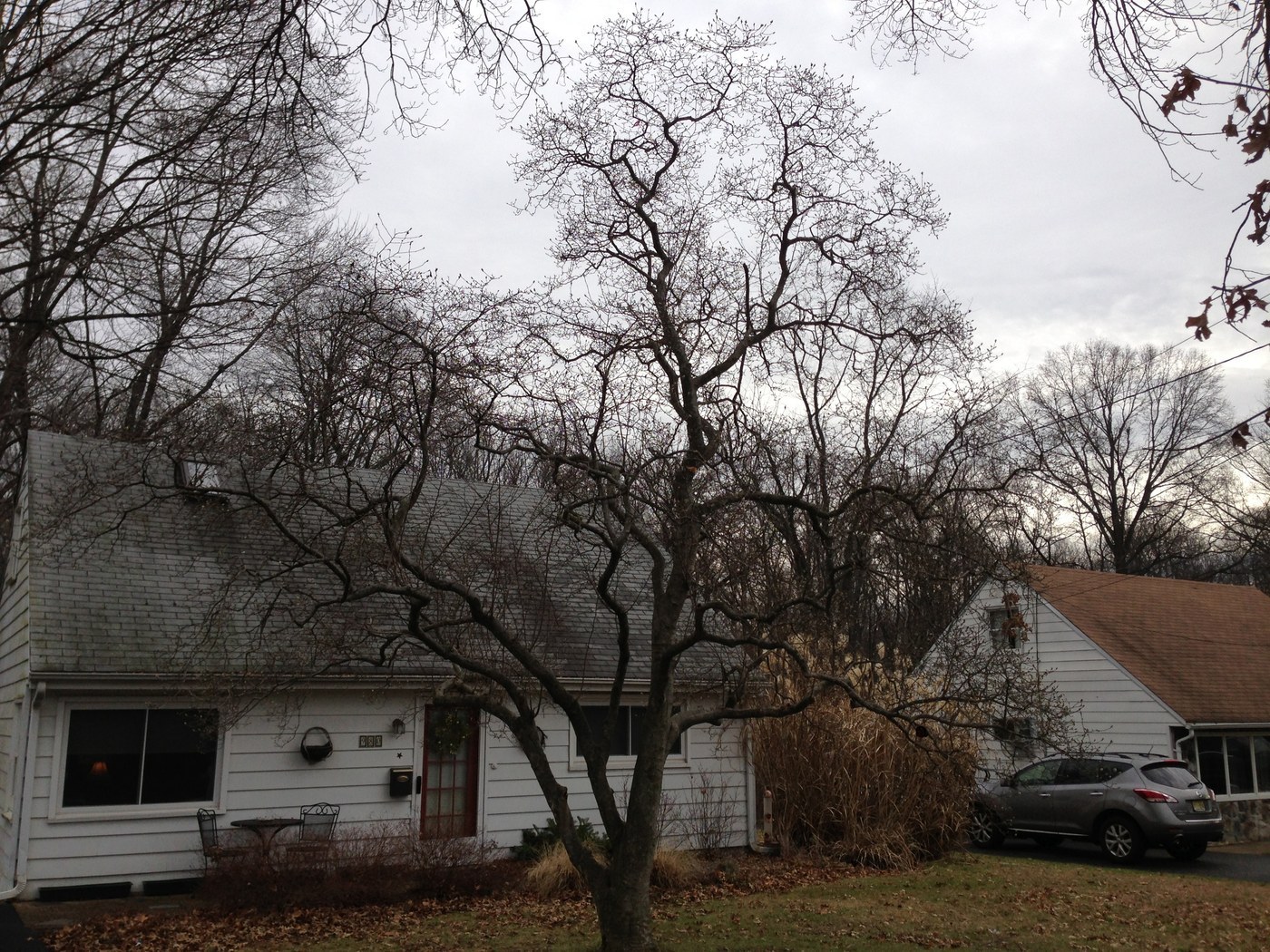
Star Magnolia
Magnolia stellata
Star magnolia is a slow-growing small tree or large shrub that opens dozens of fragrant, many-petaled white star-shaped flowers in very early spring, often before any other tree blooms. Its compact size suits smaller gardens.
- Light
- Full sun to part shade
- Water
- Weekly; consistent moisture
- Difficulty
- Easy
Got a plant like this?
Identify any plant from a photo, free.
Overview
Star magnolia (Magnolia stellata) is a deciduous, slow-growing small tree or large shrub native to Japan, valued as one of the earliest and most reliable spring-flowering magnolias. Its strap-petaled, star-shaped flowers appear on bare branches in late winter to early spring and carry a light fragrance.
Reaching only 15-20 ft over many years, it is among the most compact magnolias, fitting well in small yards, foundation plantings and mixed borders. Pink-tinged cultivars such as 'Royal Star' and 'Jane Platt' extend the color range.
How to identify it
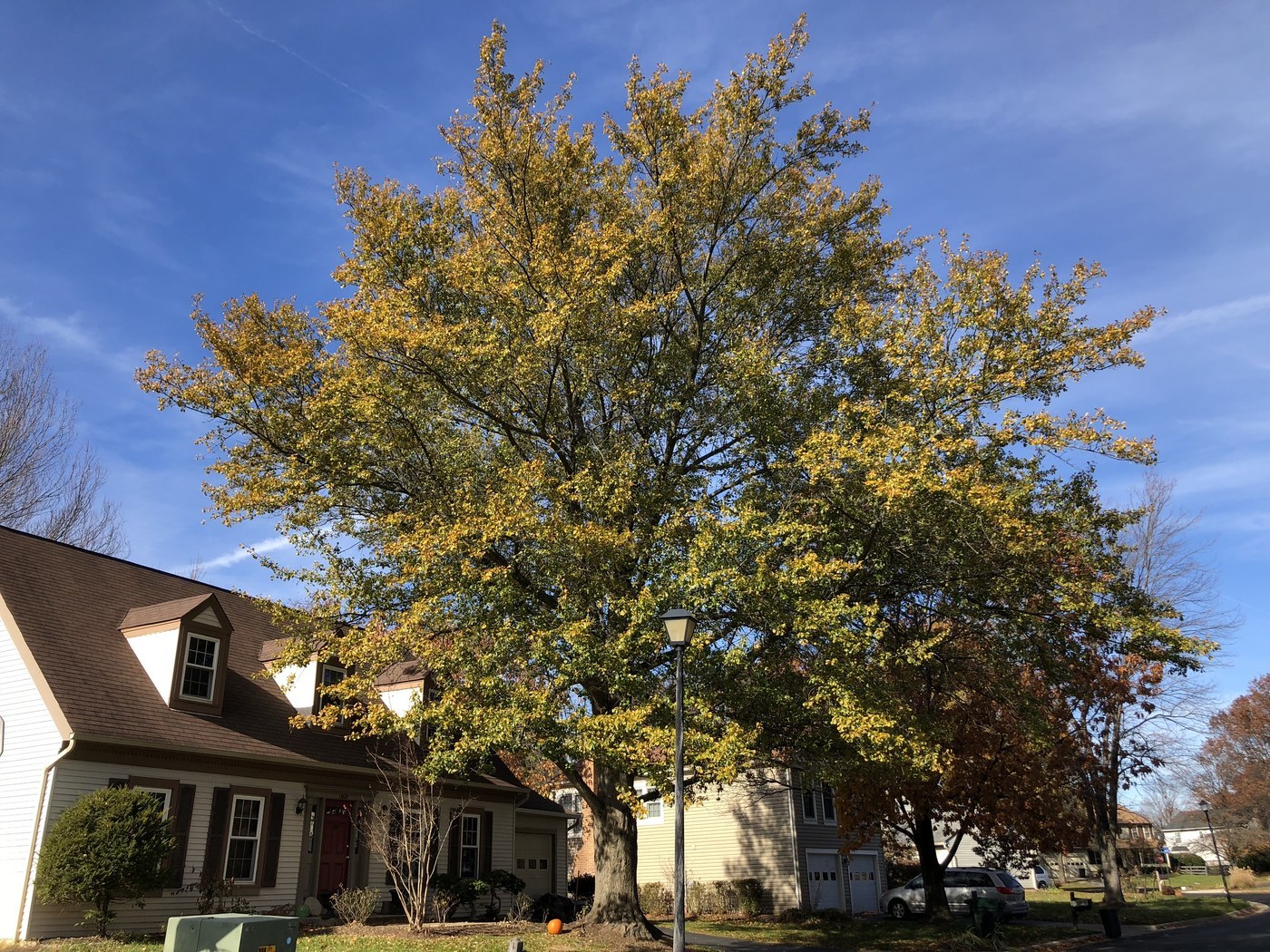
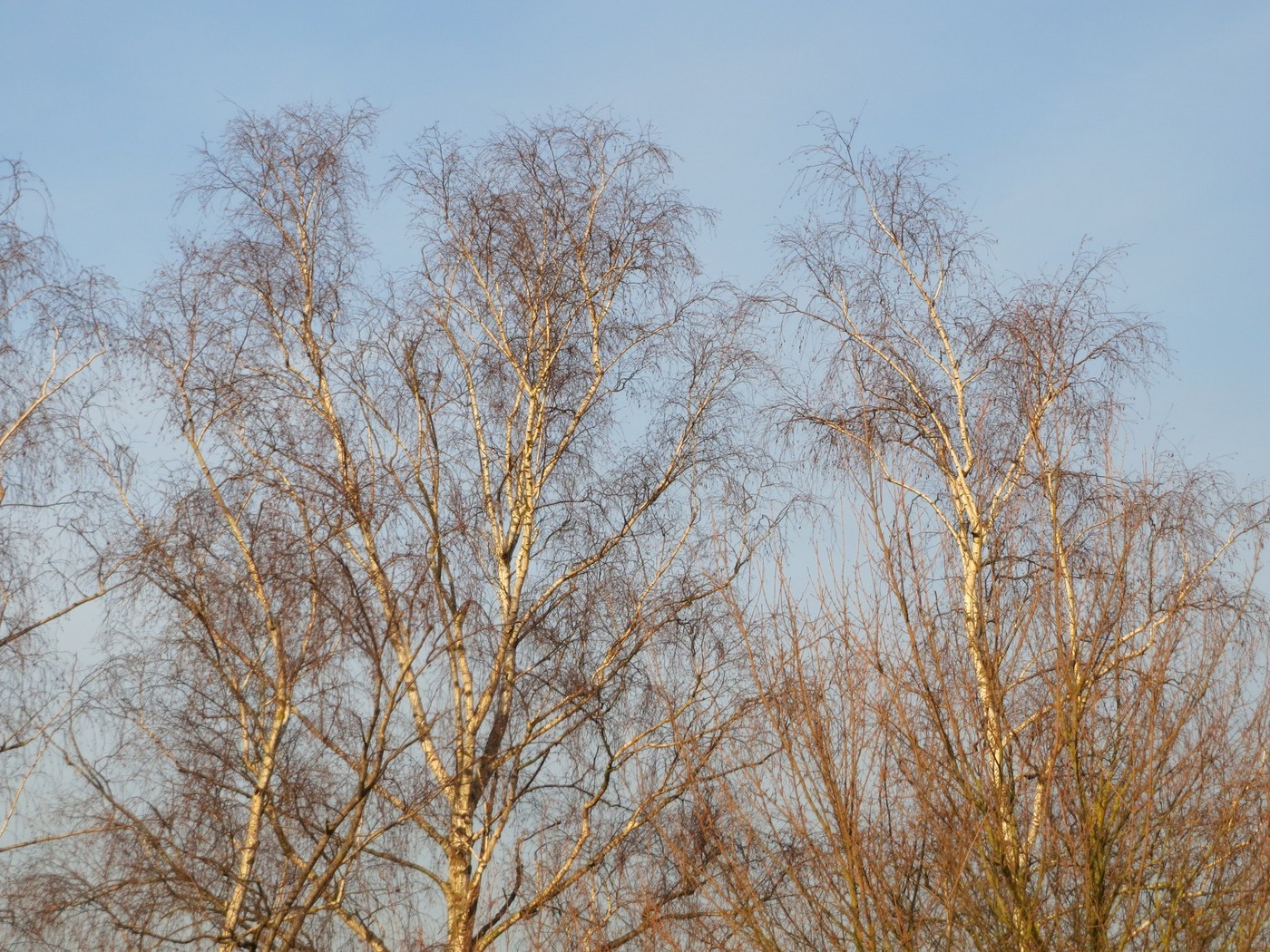
- Habit: Dense, twiggy small tree or large shrub, 15-20 ft tall, often broader than tall.
- Flowers: 3-4 in white (sometimes pink-flushed) blooms with 12-many narrow strap-like petals (tepals), opening before leaves.
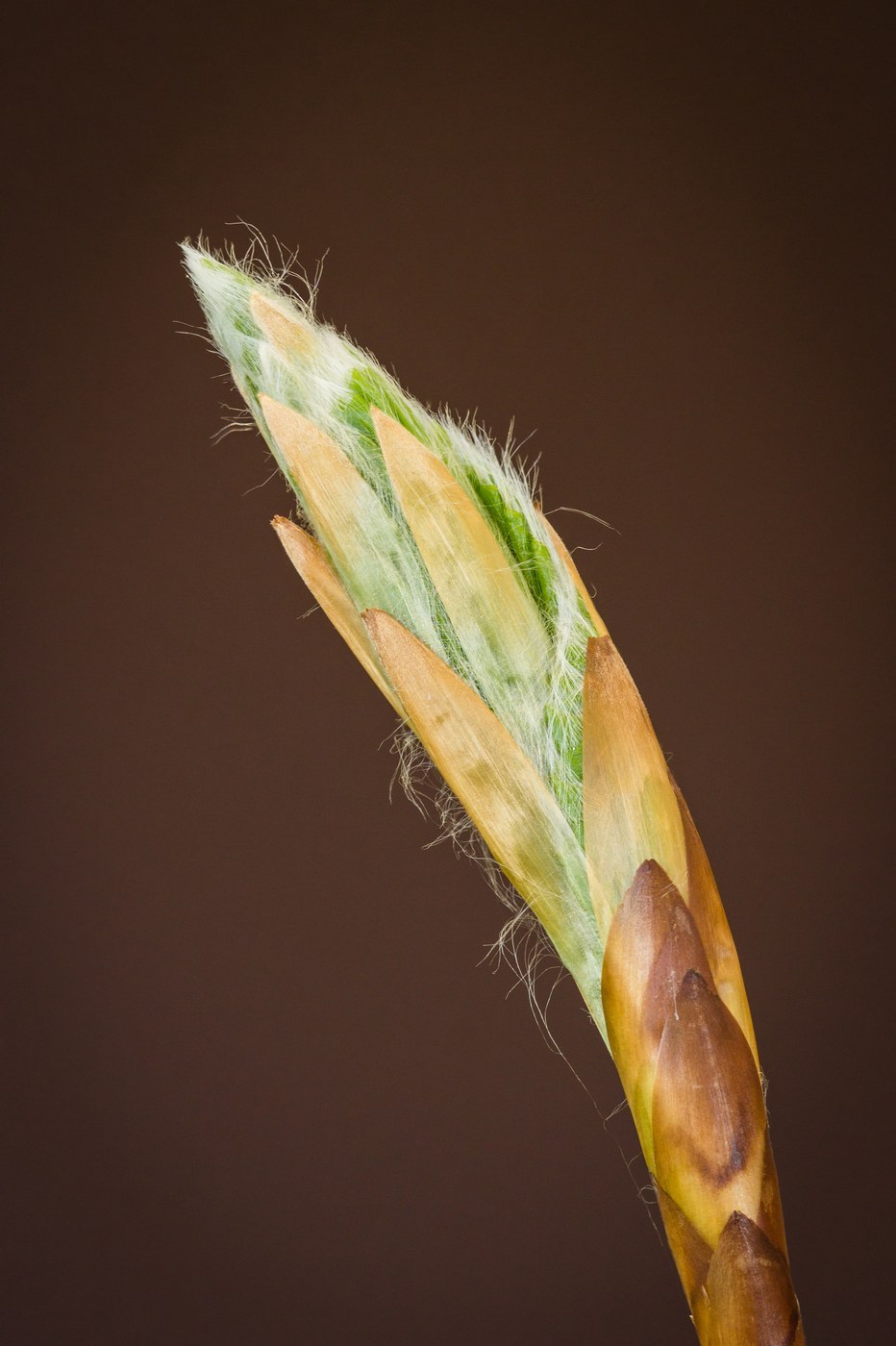
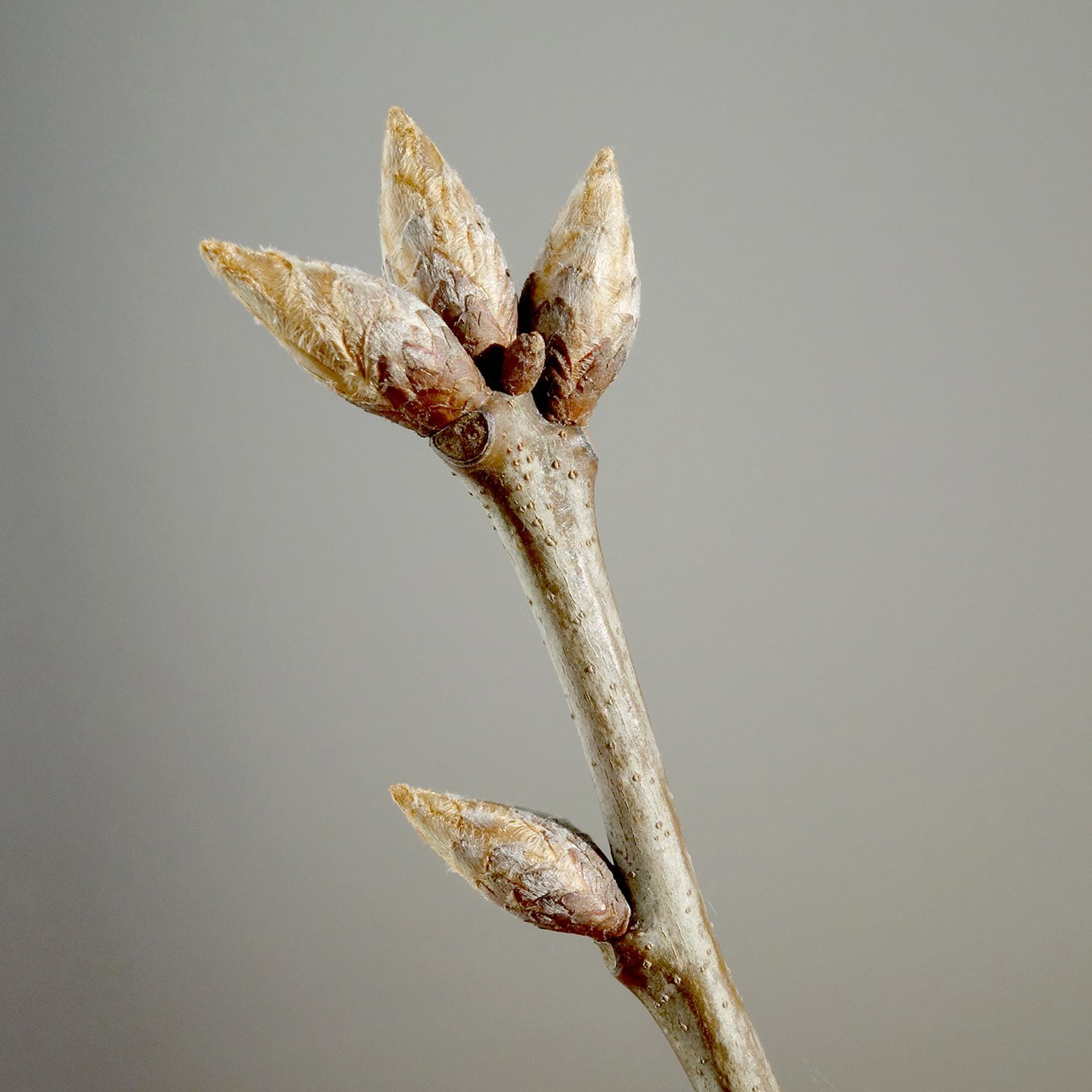
- Buds: Distinctive silvery, furry overwintering flower buds.
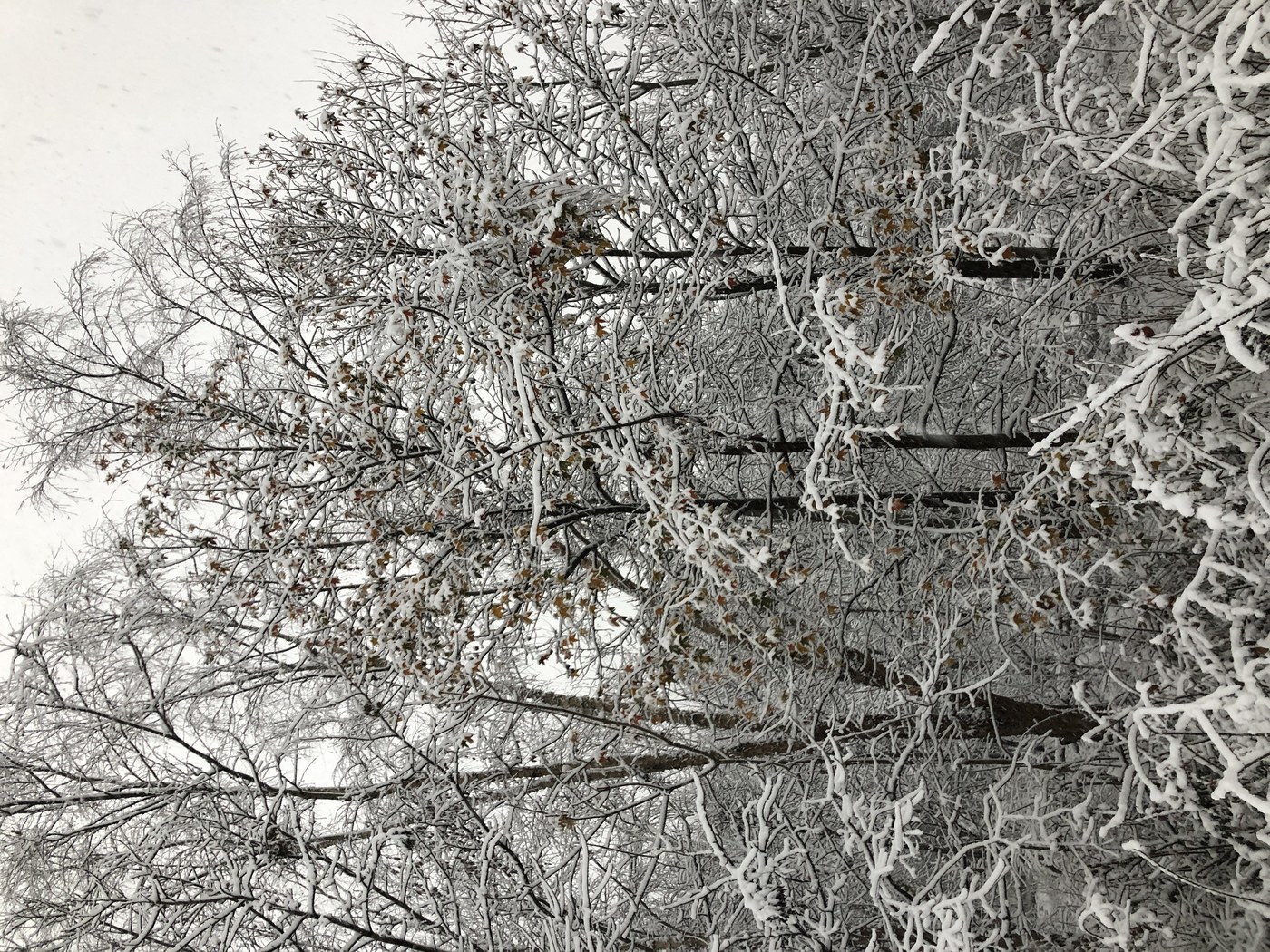
- Leaves: Oblong, dark green, 2-4 in, turning yellow-bronze in fall.
- Bark: Smooth, gray.
Care & growing
Light: Full sun to partial shade; more sun yields more flowers.
Water: Keep soil consistently moist, especially when young; about weekly in dry weather.
Soil: Rich, moist, well-drained, slightly acidic loam high in organic matter.
Temperature: Hardy USDA zones 4-8. Early blooms can be nipped by late frost.
Feeding: Light spring feeding with an acid-forming fertilizer; mulch to keep roots cool.
Pruning/Propagation: Needs little pruning; shape after flowering. Propagate by softwood cuttings or layering.
Habitat & origin
Native to Japan, where it grows in moist woodland and along streamsides on the main island of Honshu. It is now rare in the wild but widely cultivated worldwide.
In gardens it thrives across temperate zones 4-8 and is a favorite in North America, Europe and East Asia for its early bloom and small stature.
Frequently asked questions
How big does star magnolia get?
It is one of the smallest magnolias, slowly reaching about 15-20 ft tall and often wider.
Will a late frost ruin the flowers?
It can. The very early blooms are sometimes browned by hard frosts; planting in a slightly protected spot helps.
Does it need acidic soil?
It prefers moist, slightly acidic, organic-rich soil but tolerates near-neutral conditions.
When does star magnolia bloom?
It is among the earliest magnolias, opening its star-shaped white flowers on bare branches in late winter to early spring, often before other trees bloom.
Star Magnolia guides
In-depth guides for identifying, growing, and caring for Star Magnolia.
How to Care for Star Magnolia
Grow Star Magnolia with confidence: sun, watering, soil, pruning and seasonal tips for this early-blooming deciduous tree.
Star Magnolia Identification Guide
Identify Magnolia stellata by its many-petaled, strap-shaped white star flowers on bare branches in very early spring, its compact shrubby form, and its fuzzy gray buds.