Trumpet Tree
Handroanthus impetiginosus
The trumpet tree is a tropical American tree that bursts into a mass of pink-to-magenta trumpet-shaped flowers, often while leafless. Known as pink ipê, it is a prized ornamental.
- Light
- Full sun
- Water
- Moderate; drought-tolerant
- Difficulty
- Moderate
Got a plant like this?
Identify any plant from a photo, free.
Overview
Handroanthus impetiginosus (formerly Tabebuia impetiginosa), the pink trumpet tree or pink ipê, is a deciduous tree native to tropical and subtropical America, famed for its vivid floral display.
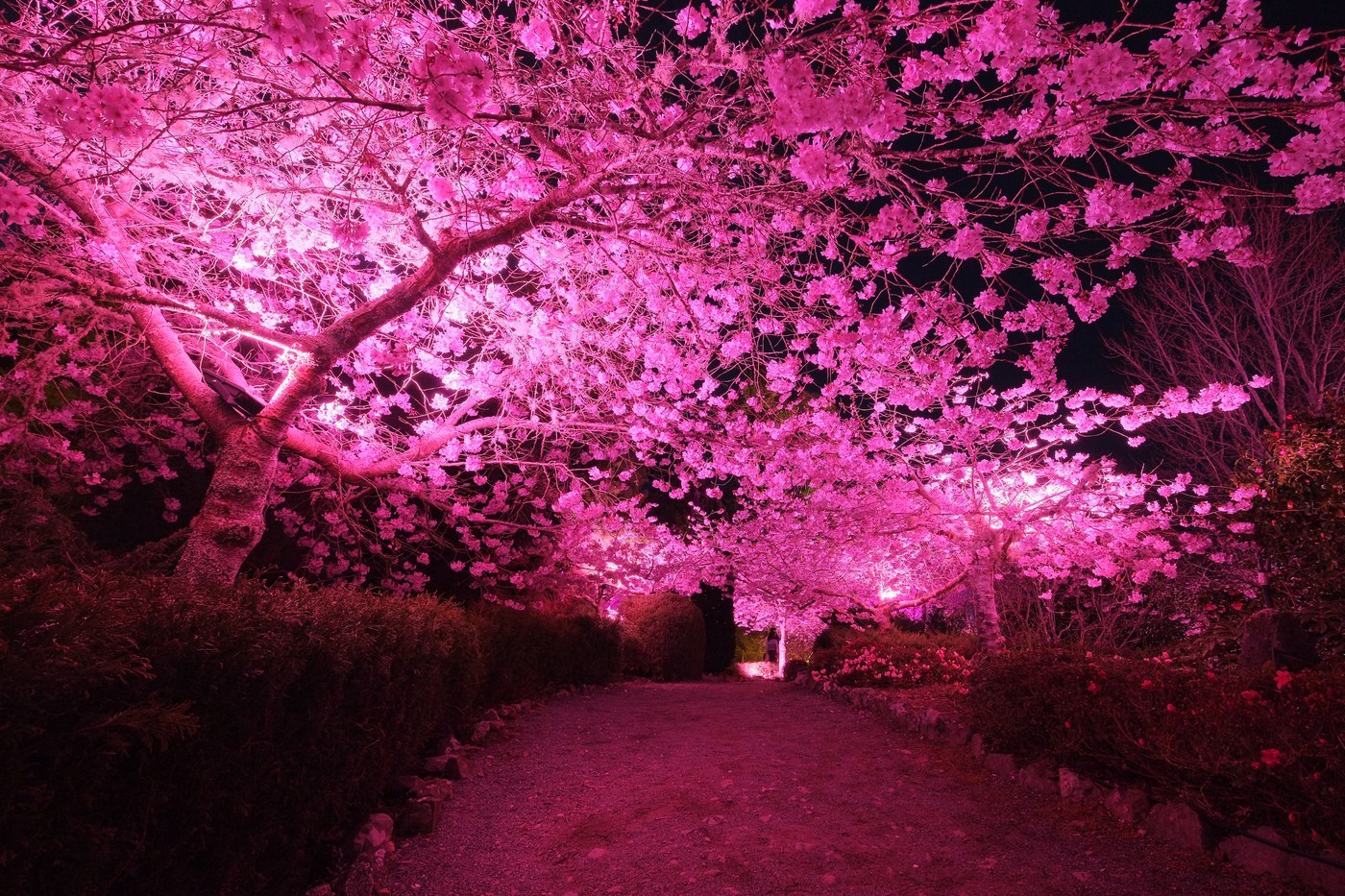
In late winter or spring, often before the leaves appear, the bare branches erupt with clusters of large, pink to rose-purple trumpet flowers, creating a spectacular show against the sky.
The genus name Tabebuia is still widely used for several related trumpet trees.
How to identify it
A medium-sized deciduous tree reaching 8-20 m with an irregular, spreading crown.
- Leaves: palmately compound with five elliptic, finely toothed leaflets, often dropped before flowering
- Flowers: large, tubular, trumpet-shaped, pink to rose-magenta with a yellow throat, in dense clusters
- Fruit: long, narrow cylindrical seed capsules splitting to release winged seeds
- Bark: grey-brown
- Habit: flowering occurs in a brief, dramatic flush on bare or sparsely leafed branches
Care & growing
A flowering tree for warm, frost-free climates.
- Light: full sun for the best floral display
- Water: moderate; drought-tolerant once established
- Soil: well-drained soil; tolerates a range of types
- Temperature: best in zones 9-11; tolerates only light, brief frost
- Feeding: occasional balanced feeding supports young trees
- Propagation: from seed, which germinates readily, or semi-hardwood cuttings
Habitat & origin
Native to a broad range from northern Mexico through Central America and into South America, especially Brazil and Argentina, growing in tropical and subtropical dry and moist forests.
Widely planted as an ornamental in warm regions worldwide, and the national tree of Paraguay (as the lapacho). It thrives in subtropical urban landscapes from Florida to Australia.
Frequently asked questions
Why does it flower without leaves?
Like many trumpet trees, it often drops its foliage before blooming, so the flowers appear on bare branches for maximum visual impact.
Is this tree the same as Tabebuia?
Yes, it was long classified as Tabebuia impetiginosa and is still commonly sold under that name; it is now placed in the genus Handroanthus.
Can it handle frost?
Only light, brief frost. It is best grown in frost-free subtropical and tropical climates, zones 9-11.
Trumpet Tree guides
In-depth guides for identifying, growing, and caring for Trumpet Tree.
How to Care for Trumpet Tree
The Trumpet Tree is a striking flowering tree for warm climates, bursting with pink-purple blooms and needing full sun and good drainage.
Trumpet Tree Identification Guide
How to identify Trumpet Trees (Tabebuia/Handroanthus) by their masses of pink, yellow, or white trumpet flowers, palmate leaves, and long bean-like pods.