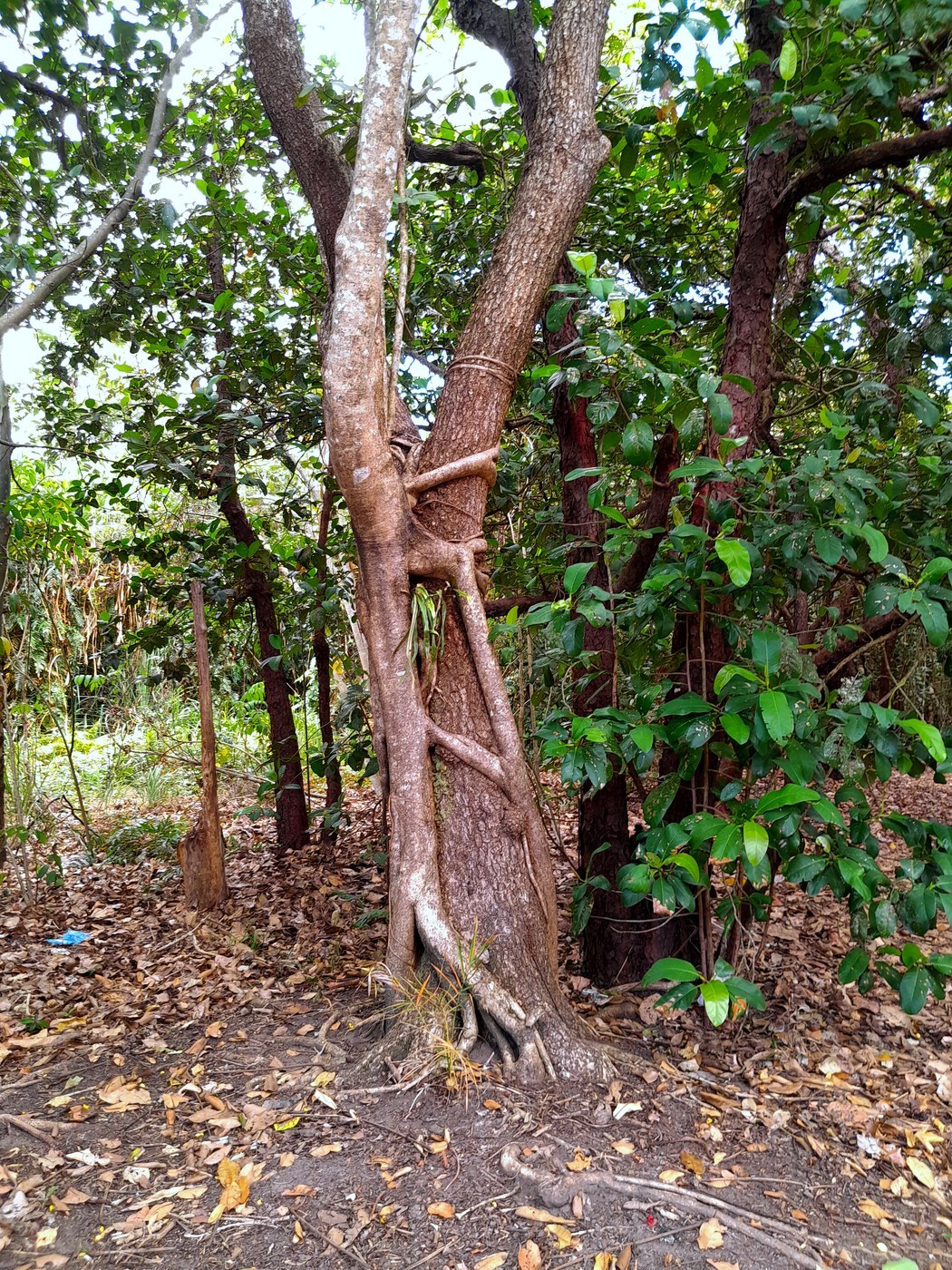
Umbrella Tree
Schefflera actinophylla
The umbrella tree is a fast-growing tropical plant whose glossy leaflets radiate from a central point like the spokes of an umbrella. It makes a lush, easy-care indoor tree.
- Light
- Bright indirect light
- Water
- When top inch of soil dries
- Difficulty
- Easy
Got a plant like this?
Identify any plant from a photo, free.
Overview
Schefflera actinophylla is an evergreen tropical tree grown indoors for its bold, glossy foliage. Each leaf is made up of several oval leaflets that spread out from a single point like the ribs of an umbrella, giving the plant its common name.
The related dwarf umbrella tree, Schefflera arboricola, is more compact and even more common as a houseplant. Both are vigorous, bushy, and forgiving, quickly filling a space with greenery.
In the tropics the larger species can become a substantial tree topped with showy red flower spikes nicknamed octopus arms.
How to identify it
Identify the umbrella tree by:
- Leaves: compound, with glossy oval leaflets radiating from a central stalk like umbrella spokes
- Leaflet count: typically 5-16 leaflets per leaf (more on mature plants)
- Color: deep green; variegated yellow or cream cultivars exist
- Habit: upright, bushy, fast-growing
- Flowers: showy red, tentacle-like spikes on large outdoor specimens (rare indoors)
Care & growing
- Light: bright, indirect light keeps it full; low light causes legginess
- Water: water when the top inch of soil dries; avoid both soggy soil and complete drought
- Humidity: average to high
- Soil: well-draining potting mix
- Temperature: 60-80 degrees F; protect from cold drafts
- Feeding: feed monthly in spring and summer
- Propagation: stem cuttings or air layering
- Tip: prune to control size and encourage bushy growth
Habitat & origin
The umbrella tree is native to tropical rainforests of northeastern Australia, New Guinea, and Java, where it grows as a tall tree, often beginning life as an epiphyte before reaching the ground.
It is grown worldwide as a houseplant and as a landscape tree in frost-free climates. In places like Florida and Hawaii it has become an invasive species, so outdoor planting is discouraged there.
Frequently asked questions
Why is my umbrella tree getting leggy?
Sparse, stretched growth is caused by too little light. Move it to a brighter, indirect spot and prune the tips to encourage a bushier shape.
How often should I water an umbrella tree?
Water when the top inch of soil dries out. Overwatering causes leaf drop and root rot, while severe drought also triggers leaf loss, so aim for consistency.
What is the difference between the umbrella tree and dwarf umbrella tree?
Schefflera actinophylla is the larger species with big leaves, while Schefflera arboricola is a smaller, more compact plant with smaller leaflets, often grown as a tabletop houseplant or bonsai.
Umbrella Tree guides
In-depth guides for identifying, growing, and caring for Umbrella Tree.
How to Care for Umbrella Tree
Grow a glossy, fast-growing Umbrella Tree (Schefflera) indoors with bright indirect light, even watering, and occasional pruning.
Umbrella Tree Identification Guide
Identify the Umbrella Tree (Schefflera) by its glossy leaflets radiating like umbrella spokes from a central point on long stalks.