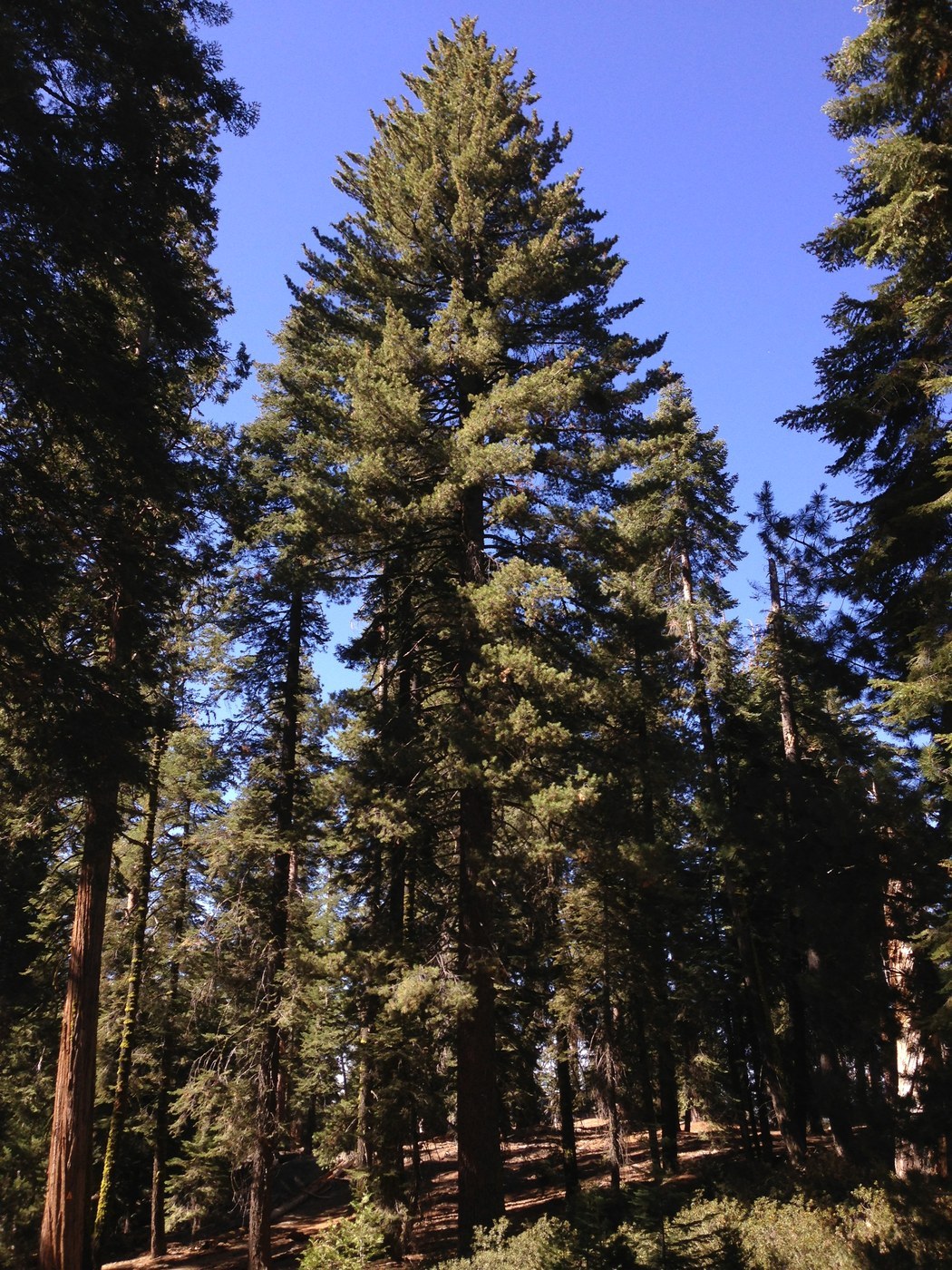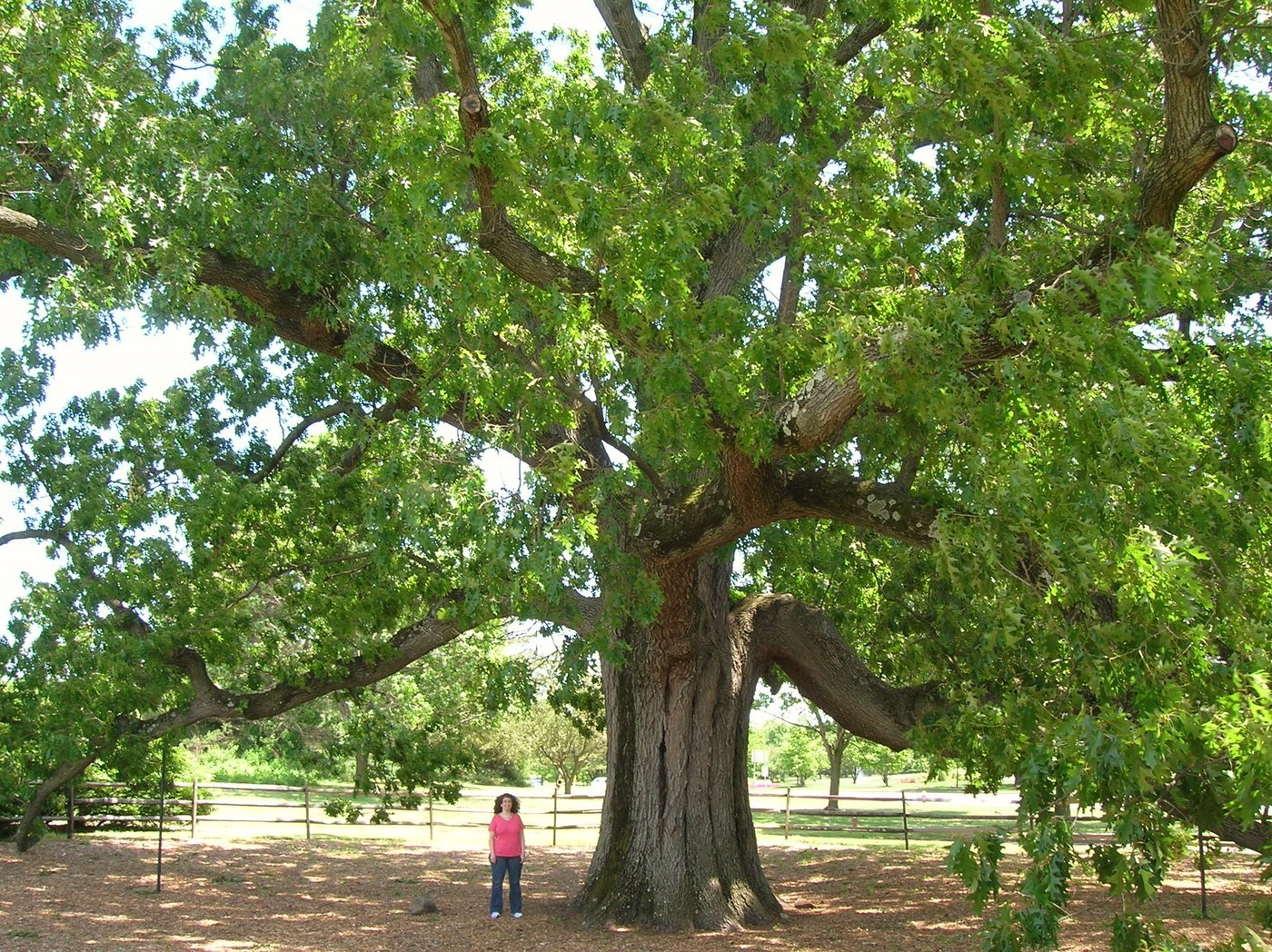
Black Oak
Quercus velutina
Black oak is a large red-oak-group tree of eastern North America with dark, blocky bark and bristle-tipped lobed leaves. Its inner bark once yielded the yellow dye quercitron.
- Light
- Full sun
- Water
- Low to moderate; drought tolerant
- Difficulty
- Moderate
Got a plant like this?
Identify any plant from a photo, free.
Overview
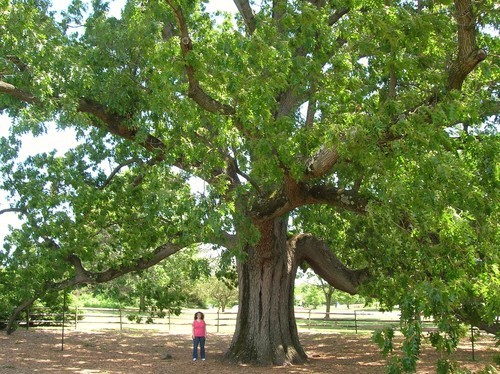
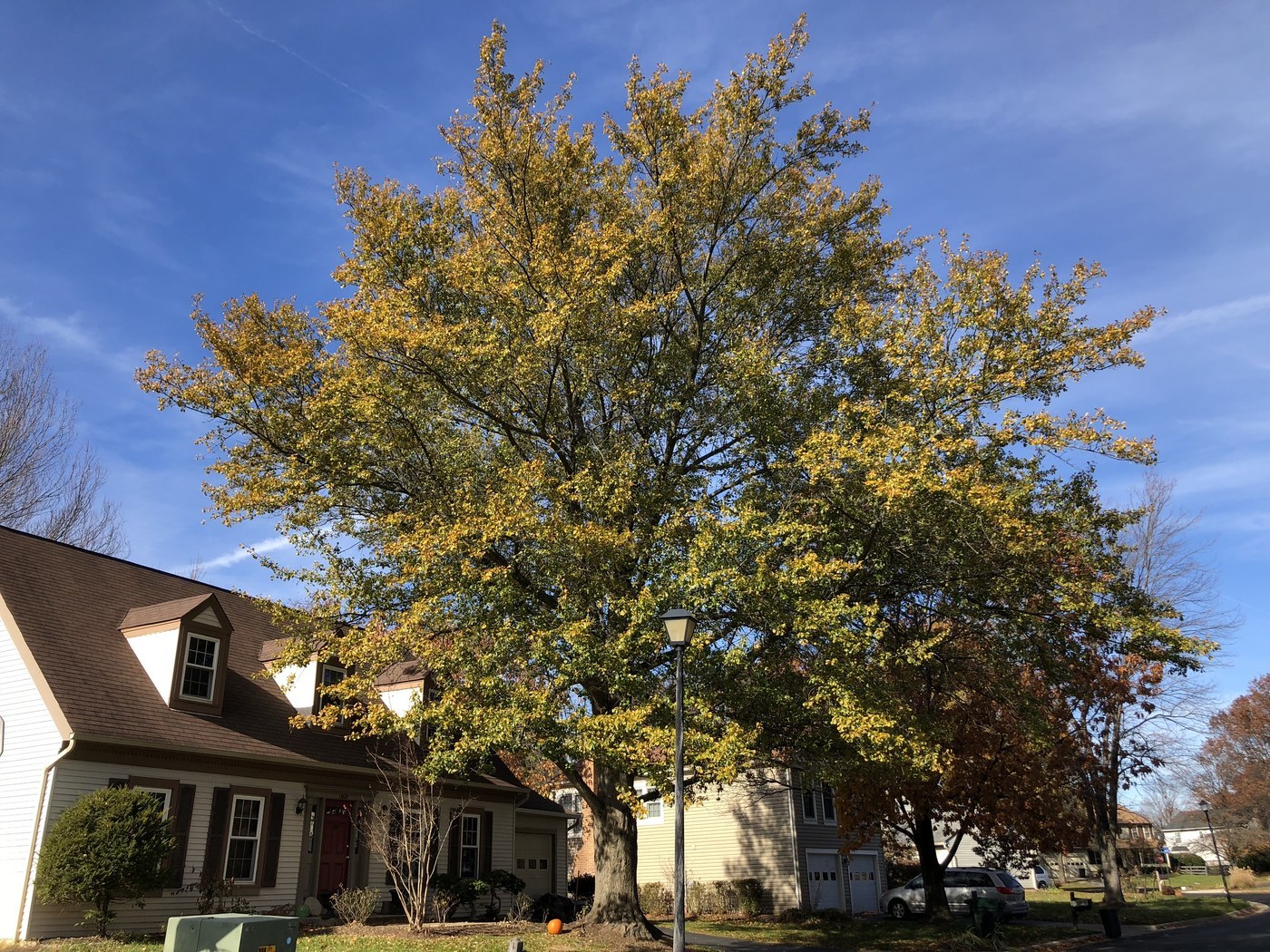
Black oak (Quercus velutina) is a large deciduous tree in the red oak group, native to eastern and central North America. Its common name refers to its dark, nearly black, deeply furrowed bark on mature trees.
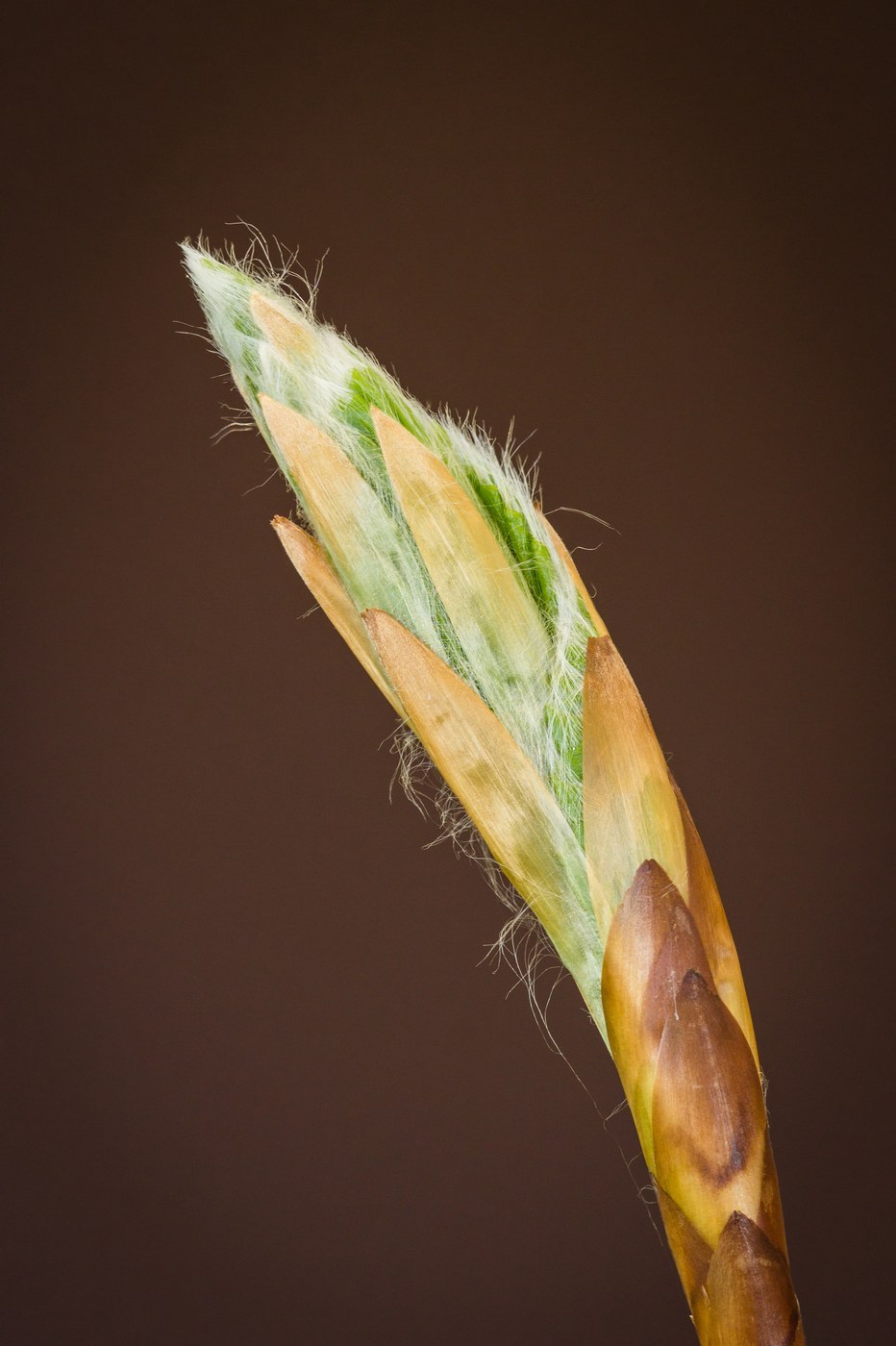
The species name velutina ("velvety") describes its fuzzy buds and young leaves. The bright yellow-orange inner bark was historically the source of quercitron, a commercial yellow dye and tanning agent.
Black oak is a tough, drought-tolerant tree of dry uplands and often hybridizes with other red oaks.
How to identify it
- Leaves: 4–9 in long, glossy dark green, with 5–7 (usually 7) bristle-tipped lobes and deep, U-shaped sinuses; often fuzzy-veined beneath.
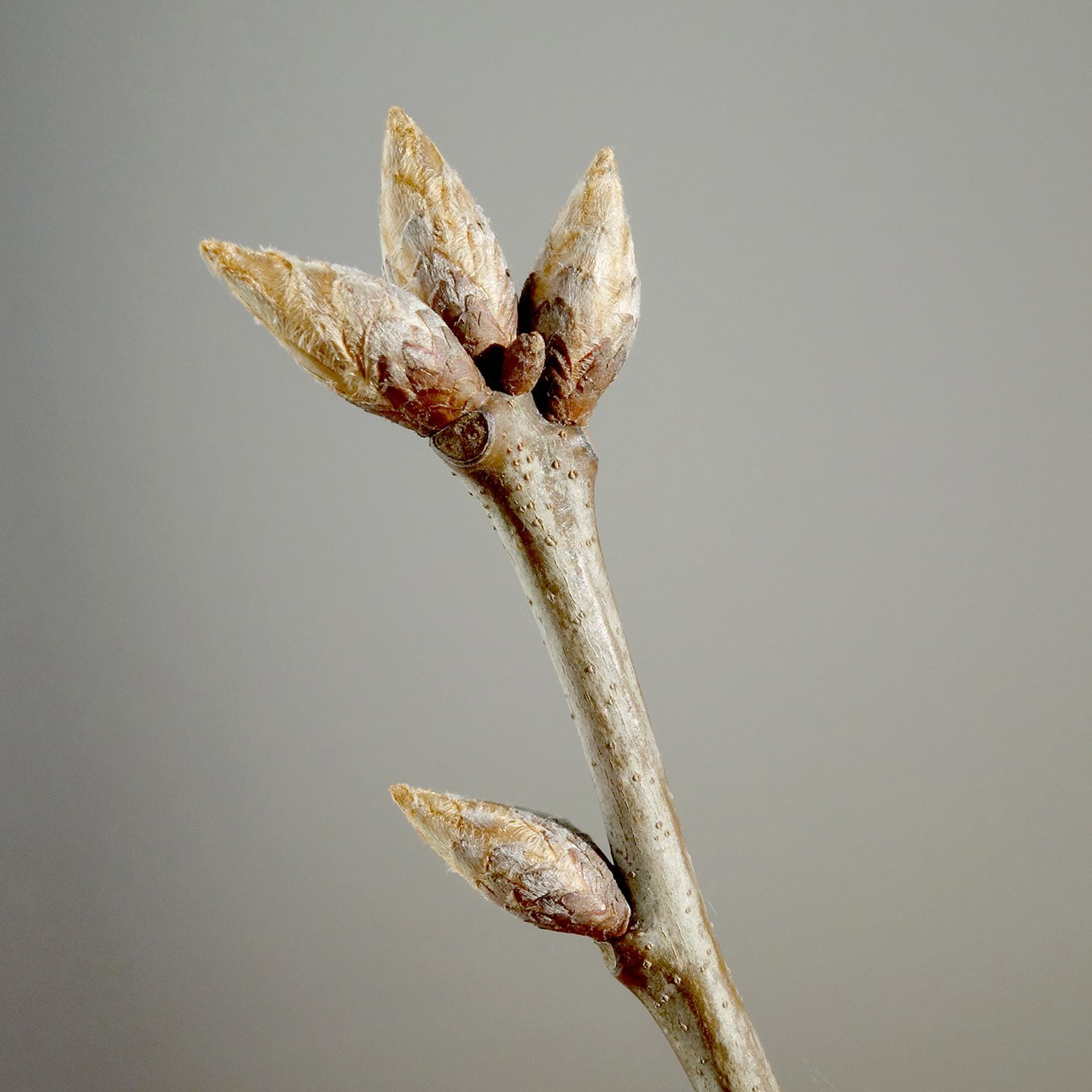
- Buds: Large, angled, and covered in pale gray or tan velvety hairs — a key feature.
- Inner bark: Bright yellow to orange when cut.
- Bark: Dark gray-black, thick, and deeply furrowed into blocky ridges.
- Acorns: Reddish-brown, with a deep, scaly cap that covers about half the nut; matures in two seasons (red oak group).
- Size: Typically 50–80 ft tall.
Care & growing
Black oak grows best in full sun on dry, well-drained soils.
- Water: Drought tolerant once established; dislikes wet ground.
- Soil: Prefers dry, sandy, gravelly, or rocky upland soils, often acidic.
- Temperature: Hardy in USDA zones 3–9.
- Feeding: Not generally needed.
- Propagation: From acorns; develops a deep taproot, making transplanting of older trees difficult, so plant young.
Habitat & origin
Native to eastern and central North America, from Maine and Ontario south to Florida and west to Texas and Minnesota.
It is characteristic of dry, sandy or rocky upland forests and ridges, often growing with other oaks and hickories. It tolerates poor, droughty soils where richer-site oaks struggle.
Frequently asked questions
How do I identify black oak?
Look for dark, blocky bark, bristle-tipped lobed leaves, large velvety gray buds, and bright yellow-orange inner bark when the bark is cut.
What is quercitron?
Quercitron is a yellow dye and tanning material extracted from black oak's inner bark, once an important commercial product.
Is black oak in the red or white oak group?
It belongs to the red oak group: its leaves have bristle-tipped lobes and its acorns take two years to mature.
Does black oak tolerate dry soil?
Yes. It is well adapted to dry, sandy, and rocky upland soils and is quite drought tolerant once established.
Black Oak guides
In-depth guides for identifying, growing, and caring for Black Oak.