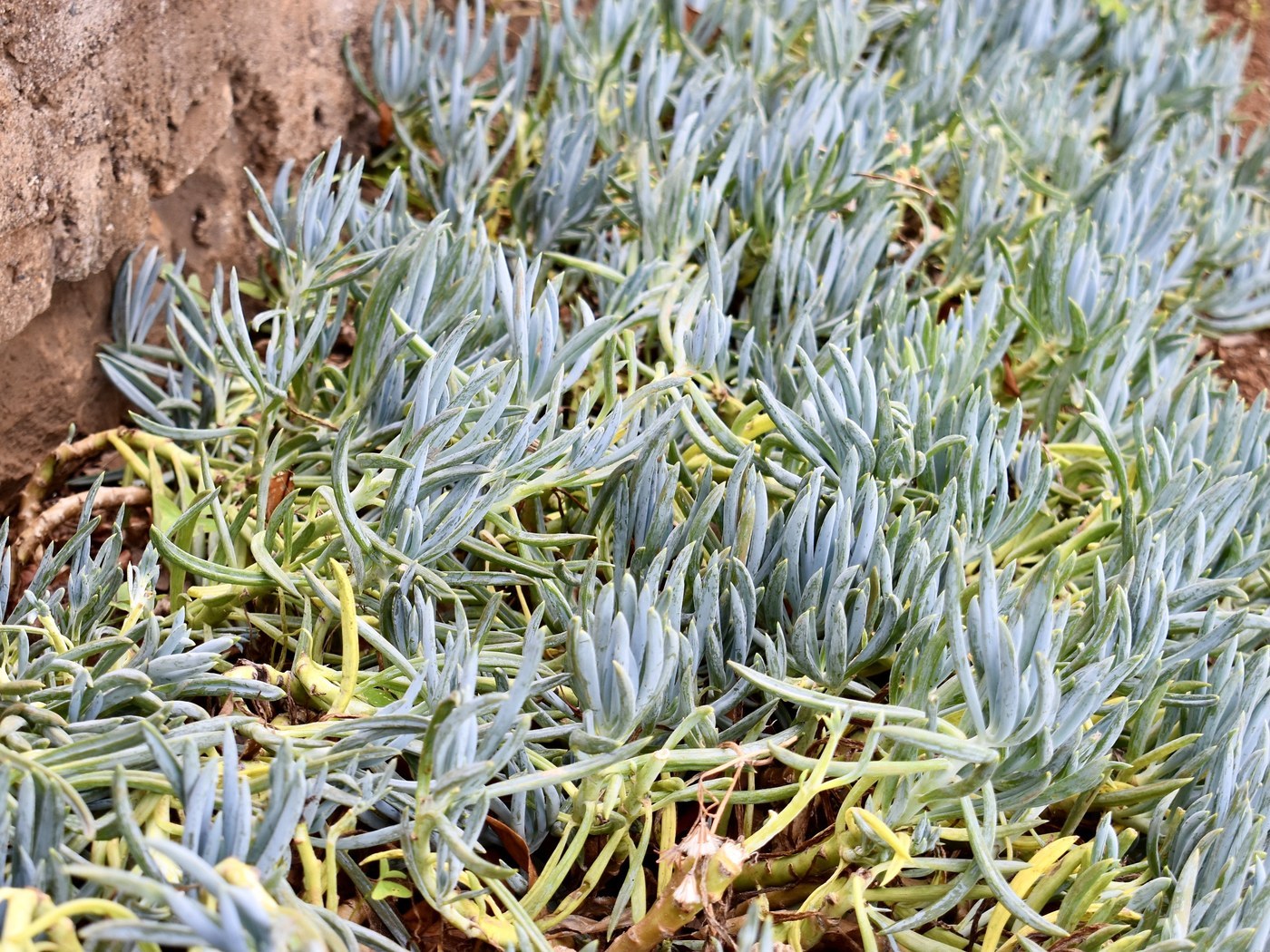
Blue Chalksticks
Senecio serpens
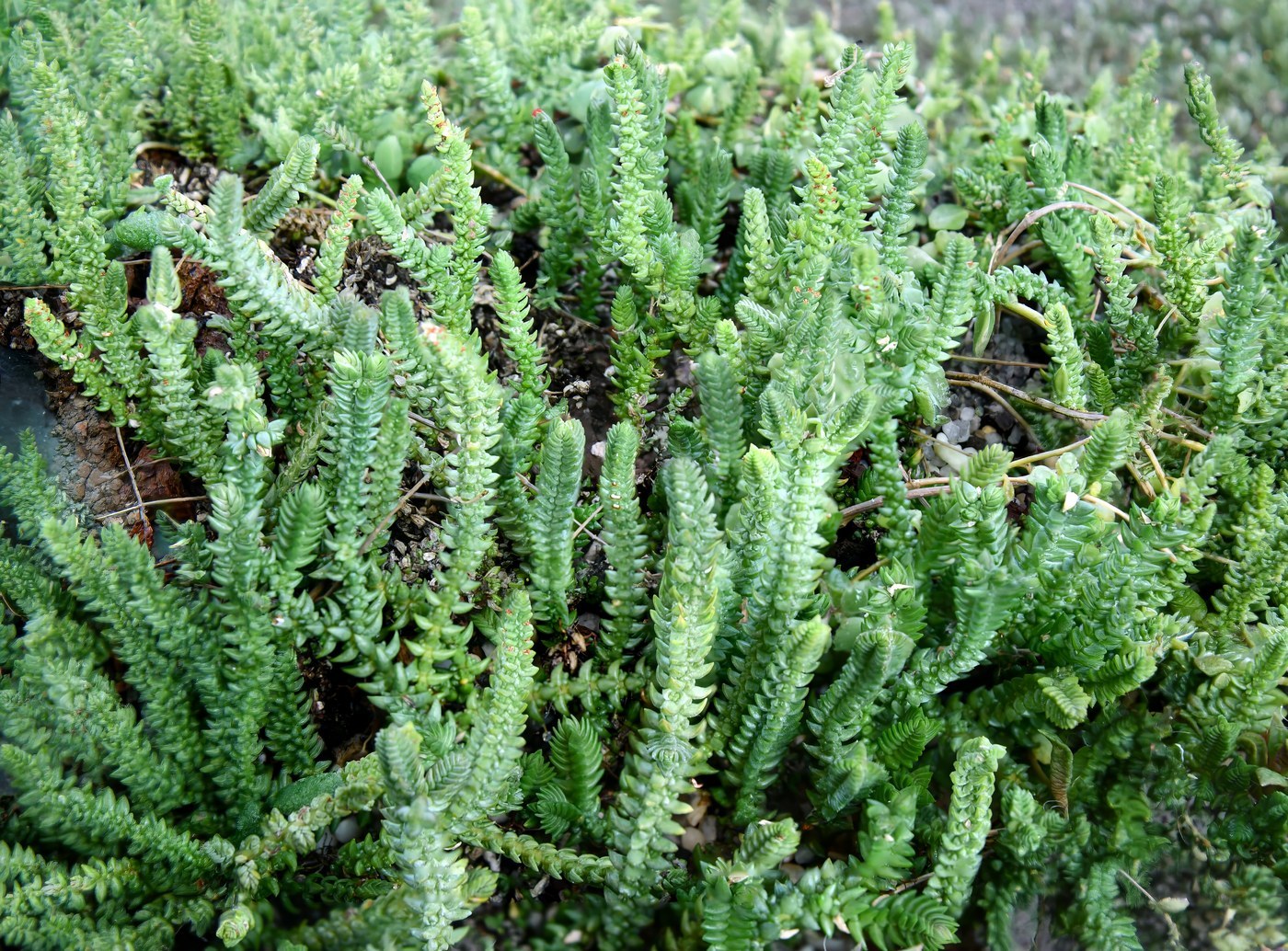
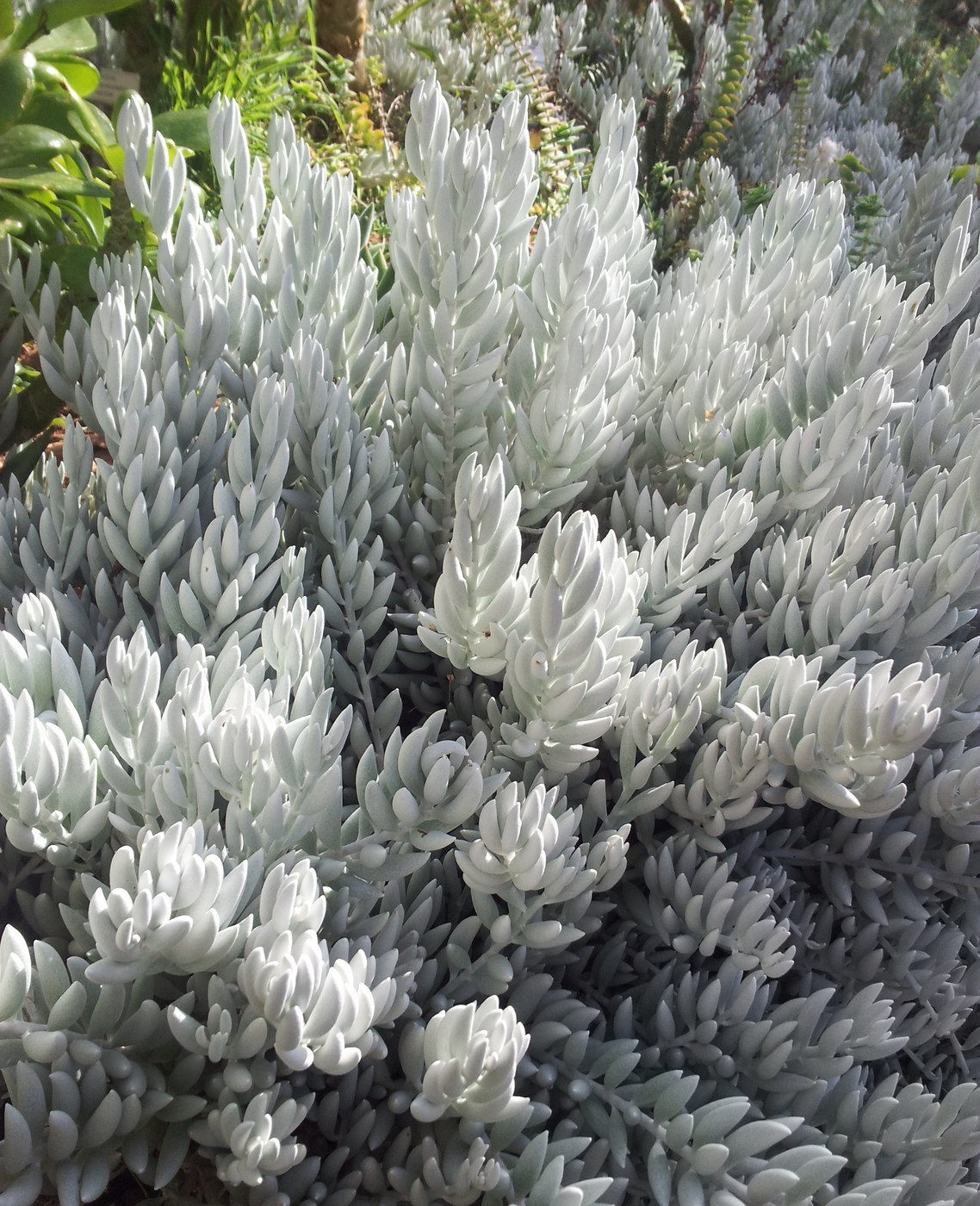
Blue chalksticks is a spreading ground-cover succulent with slender, upright, powdery blue-green finger-like leaves. Its cool blue color and low, mounding habit make it a popular landscape and container plant.
- Light
- Full sun to bright light
- Water
- Infrequent; drought-tolerant
- Difficulty
- Easy
Got a plant like this?
Identify any plant from a photo, free.
Overview
Blue chalksticks (Senecio serpens, also classified as Curio repens) is a low, spreading succulent grown for its striking powdery-blue, cylindrical leaves. The chalky coating, a natural wax called farina, gives the plant its frosty color and helps reflect sun.
It forms a dense, mounding mat 8 to 12 inches tall, making it an excellent drought-tolerant ground cover and a cool-toned contrast in succulent plantings.
Easy and fast-spreading in the right conditions, it roots wherever stems touch the soil.
How to identify it
- Slender, upright, finger-like cylindrical leaves
- Distinctive powdery, chalky blue to silver-green color
- Low, spreading, mat-forming habit, around 8-12 inches tall
- Stems trail and root where they contact soil
- Small, off-white flowers appear in summer, though grown mainly for foliage
Care & growing
- Light: Full sun to bright light; sun keeps the blue color vivid and growth compact
- Water: Drought-tolerant; water infrequently and let soil dry fully
- Soil: Sandy, sharply draining soil
- Temperature: Warm climates; tolerates light frost but not hard freezes
- Feeding: Minimal; light feeding occasionally
- Propagation: Extremely easy from stem cuttings, which root readily
Habitat & origin
Native to South Africa, where it grows in dry, rocky coastal and inland areas.
It is widely planted in warm-climate gardens as a water-wise ground cover, in rock gardens, and along borders, and is grown in containers in cooler regions.
Frequently asked questions
Why is my blue chalksticks losing its blue color?
The chalky blue comes from a waxy coating that is best in bright sun. Low light leads to greener, stretched growth.
How do I propagate it?
Snip a stem segment, let it callus briefly, and lay it on or push it into dry soil. It roots very easily.
Can it handle frost?
It tolerates brief light frost but is damaged by hard freezes, so protect or pot it in cold climates.
How big does blue chalksticks get?
It stays low, forming a spreading mat about 8-12 inches tall that can creep outward as stems root along the ground.
Blue Chalksticks guides
In-depth guides for identifying, growing, and caring for Blue Chalksticks.
How to Care for Blue Chalksticks
Grow Blue Chalksticks (Senecio serpens), a powder-blue trailing succulent: sun, sparse watering, gritty soil and easy propagation.
Blue Chalksticks Identification Guide
How to identify Blue Chalksticks by its slender, powdery blue, finger-like upright leaves forming a spreading mat.