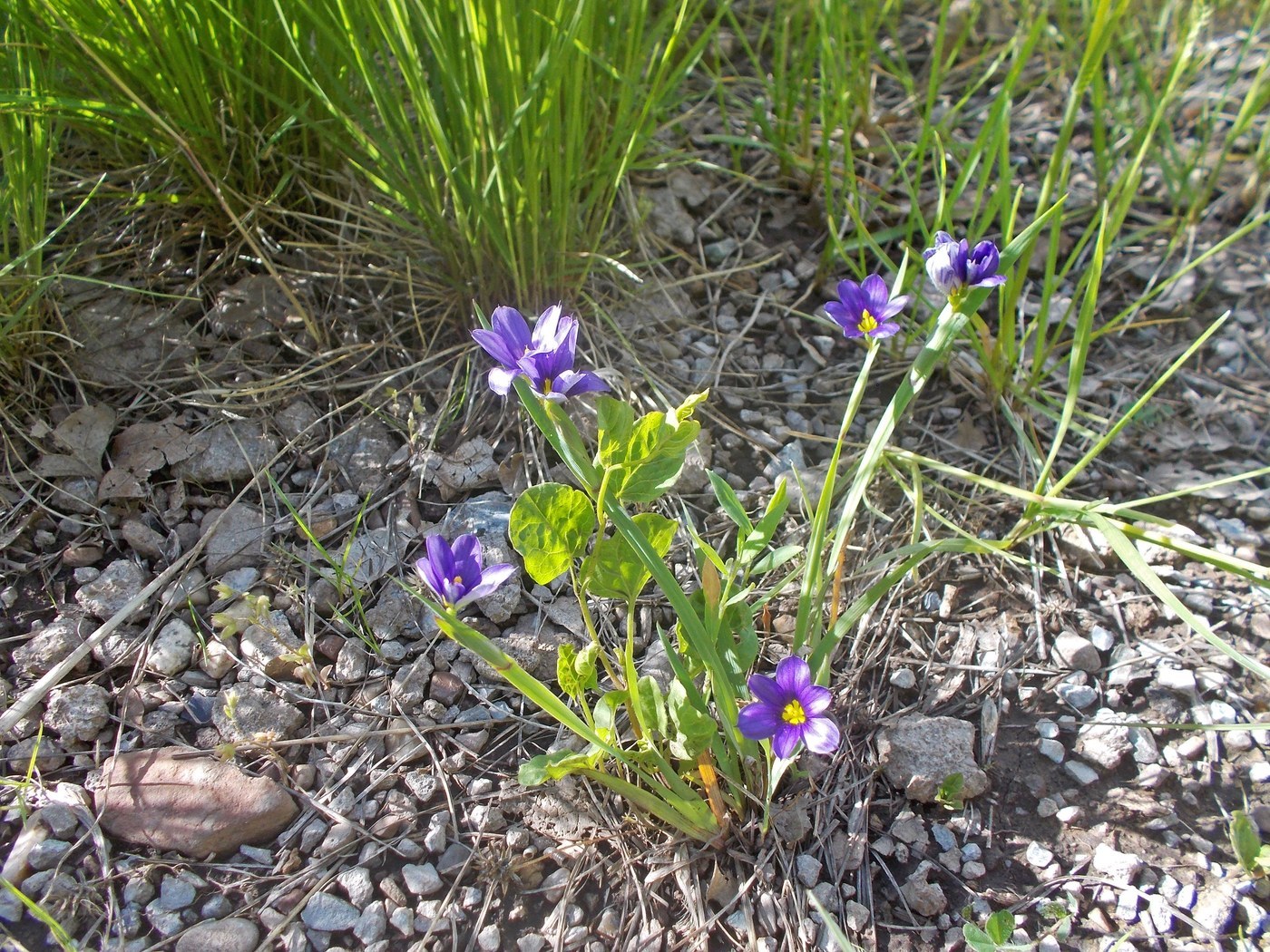
Blue-eyed Grass
Sisyrinchium angustifolium
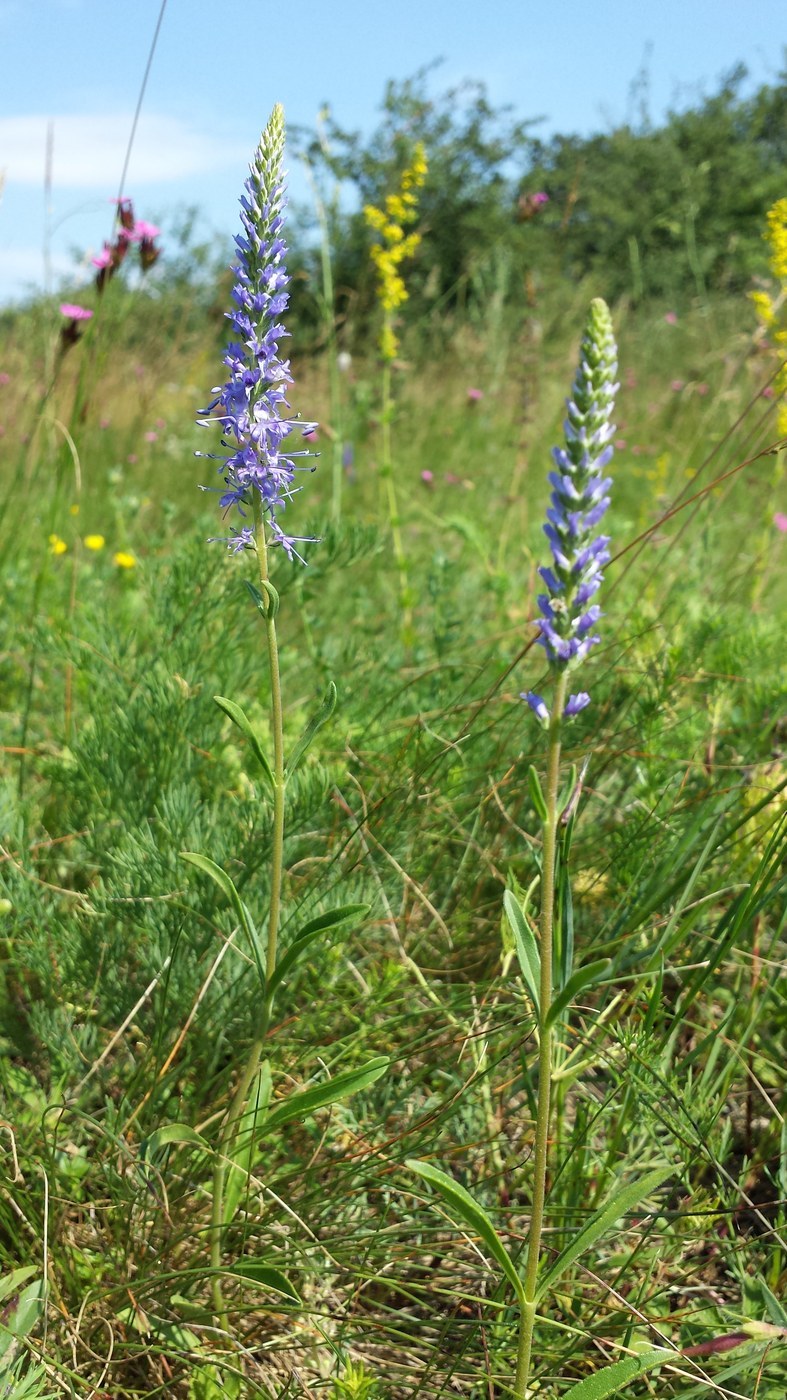
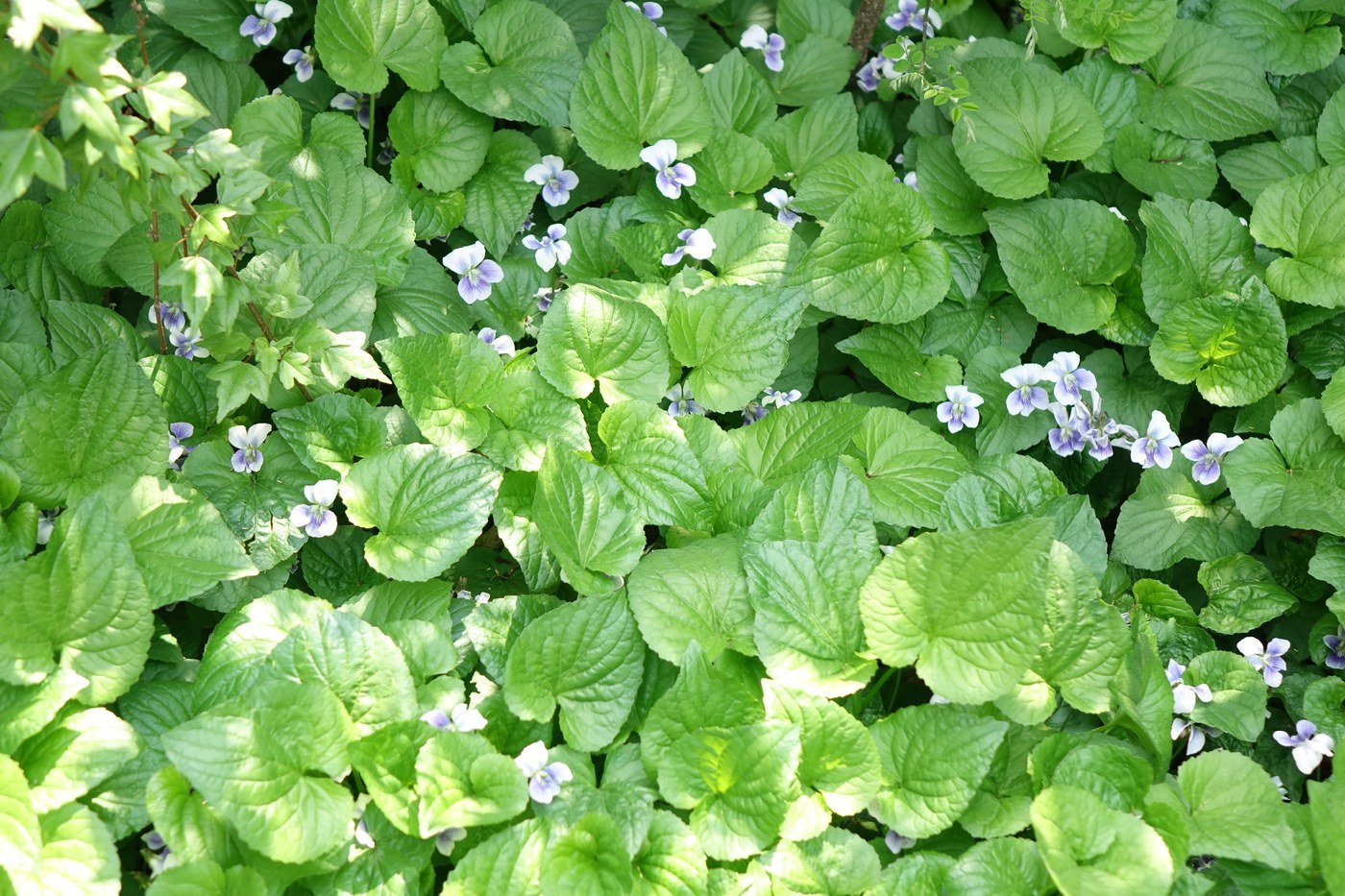
A dainty native wildflower that, despite its name and grassy leaves, is actually a member of the iris family. It produces small, star-shaped blue-violet flowers with bright yellow centers atop slender, flattened stems.
- Light
- Full sun to part shade
- Water
- Moderate; evenly moist soil
- Difficulty
- Easy
Got a plant like this?
Identify any plant from a photo, free.
Overview
Blue-eyed grass (Sisyrinchium angustifolium and related species) is a petite perennial that looks like a clump of grass until it blooms. It is not a grass at all but a member of the iris family (Iridaceae), revealed by its six-tepaled, star-shaped flowers.
The small flowers are typically blue to violet with a contrasting yellow 'eye' at the center. Each bloom is short-lived, but plants flower freely over several weeks in late spring and early summer.
Its narrow, fan-shaped foliage and tidy clumping habit make it a fine choice for the front of beds, rock gardens, and naturalistic meadows.
How to identify it
Look for grassy tufts topped by small blue star flowers with yellow centers.
- Flowers: Small, six-tepaled, star-shaped, blue to violet with a yellow eye and tiny pointed tips
- Leaves: Narrow, flattened, grass-like, arranged in fans like a miniature iris
- Stems: Slender, flattened or winged, rising just above the foliage
- Size: 6 to 20 inches (15 to 50 cm) tall
- Bloom time: Late spring to early summer
Care & growing
Blue-eyed grass is easy and low-maintenance in sunny, moist sites.
- Light: Full sun to light shade
- Water: Prefers evenly moist, well-drained soil; tolerates some dryness once established
- Soil: Average to moist soils; not fussy
- Temperature: Cold-hardy perennial across much of the temperate zone
- Propagation: By division in spring or by seed; self-sows modestly
- Care: Divide clumps every few years to keep them vigorous
Habitat & origin
Blue-eyed grass species are native to North and South America. Sisyrinchium angustifolium is native to eastern and central North America.
It grows in moist meadows, prairies, open woods, stream banks, and along roadsides, favoring sunny, damp ground.
It is grown in rock gardens, meadow plantings, borders, and naturalistic landscapes, where its small but cheerful flowers add fine texture.
Frequently asked questions
Is blue-eyed grass actually a grass?
No. Despite the grassy foliage and name, it is a member of the iris family, as its star-shaped, six-tepaled flowers reveal.
Why is it called blue-eyed grass?
The small blue to violet flowers have a bright yellow center, or 'eye,' set against the slender, grass-like leaves.
Do the flowers last long?
Each individual bloom is short-lived, often a single day, but plants flower freely in succession over several weeks.
How do I keep clumps healthy?
Divide the clumps every few years in spring, which rejuvenates the plant and prevents the center from dying out.
Blue-eyed Grass guides
In-depth guides for identifying, growing, and caring for Blue-eyed Grass.
How to Care for Blue-eyed Grass
Grow Blue-eyed Grass (Sisyrinchium angustifolium): a dainty, grass-like native perennial with starry blue flowers that thrives in moist, sunny spots.
Blue-eyed Grass Identification Guide
Identify Blue-eyed Grass (Sisyrinchium) by its small six-petaled blue-violet flowers with yellow centers on flat, grass-like stems. This guide explains why it is an iris, not a grass.