Cardinal Flower
Lobelia cardinalis
Cardinal flower is a moisture-loving native perennial bearing tall spikes of brilliant scarlet-red flowers in late summer. Its intense color is a magnet for hummingbirds.
- Light
- Full sun to part shade
- Water
- High; keep consistently moist
- Difficulty
- Moderate
Got a plant like this?
Identify any plant from a photo, free.
Overview
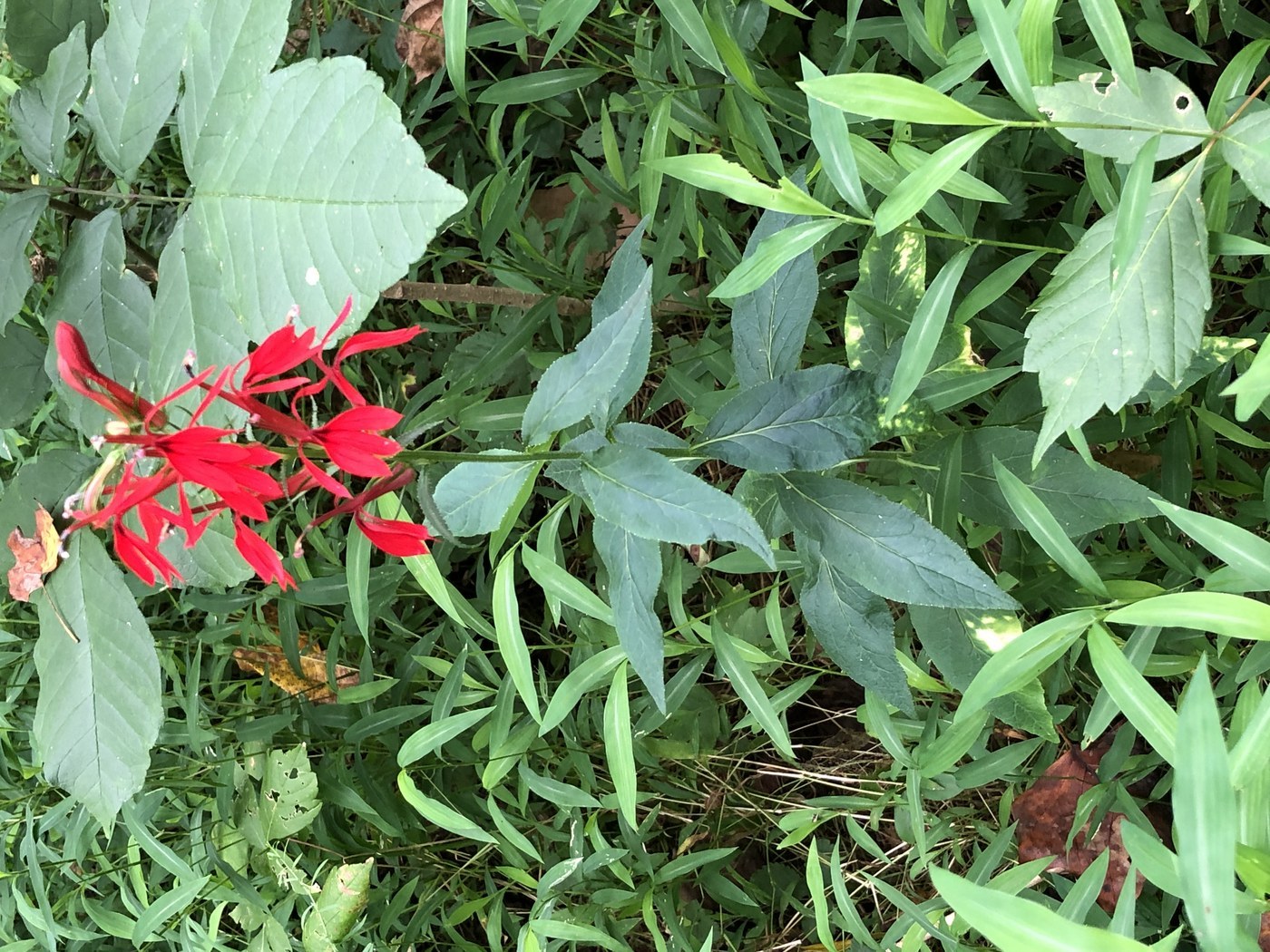
Cardinal flower (Lobelia cardinalis) is a striking North American perennial named for the vivid red of a cardinal's robes. From late summer into early fall it sends up spikes packed with tubular scarlet blooms.
It is a wetland plant at heart, thriving along streams, ponds, and in rain gardens where the soil stays consistently moist. Given those conditions it is reliable, though it can be short-lived and benefits from self-sowing or division.
The brilliant flowers and the hummingbirds they draw make it a standout in native and pollinator gardens.
How to identify it
- Flowers: Intense scarlet-red, tubular, two-lipped, densely packed on erect spikes; bloom late summer to fall
- Height: Upright stems 2-4 ft (occasionally taller)
- Leaves: Lance-shaped, toothed, dark green, alternate along the stem
- Habit: Forms a basal rosette that overwinters, then bolts into flowering stems
- Habitat clue: Found naturally in wet, low-lying ground
Care & growing
- Light: Full sun to part shade; afternoon shade helps in hot climates
- Water: High and consistent; never let it dry out, and it tolerates boggy or even shallowly flooded soil
- Soil: Rich, moisture-retentive, slightly acidic soil high in organic matter
- Temperature: Hardy roughly USDA zones 3-9
- Feeding: Generally not needed in fertile, organic soil; topdress with compost
- Propagation: By seed (needs light to germinate), by division of the basal rosettes, or by pinning stems down to root
Habitat & origin
Cardinal flower is native across much of eastern and central North America, from Canada to Central America, growing in wet meadows, swamps, and along streambanks, ponds, and ditches.
In gardens it is grown in rain gardens, pond margins, bog gardens, and any reliably moist border, and is valued as a native plant for ecological landscaping.
Frequently asked questions
Why did my cardinal flower die after a year or two?
It is naturally short-lived. Keep the soil moist, avoid mulching over the basal rosette, and let it self-sow or divide it to maintain the planting.
Does cardinal flower really attract hummingbirds?
Yes. Its red tubular flowers are among the best hummingbird plants and are largely pollinated by them.
Can cardinal flower grow in standing water?
It tolerates very wet soil and shallow flooding at pond edges, making it ideal for bog and rain gardens, but it should not be fully submerged.
How tall does cardinal flower grow?
Flowering stems typically reach 2-4 ft, rising from a low basal rosette, and occasionally grow taller in rich, moist ground.
Cardinal Flower guides
In-depth guides for identifying, growing, and caring for Cardinal Flower.
How to Care for Cardinal Flower
Cardinal flower delivers vivid red spikes in sun to part shade when grown in consistently moist, rich soil that never dries out.
Cardinal Flower Identification Guide
How to identify Cardinal Flower (Lobelia cardinalis) by its brilliant scarlet-red, tubular two-lipped flowers on tall upright spikes in moist habitats.
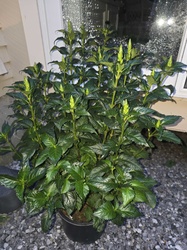
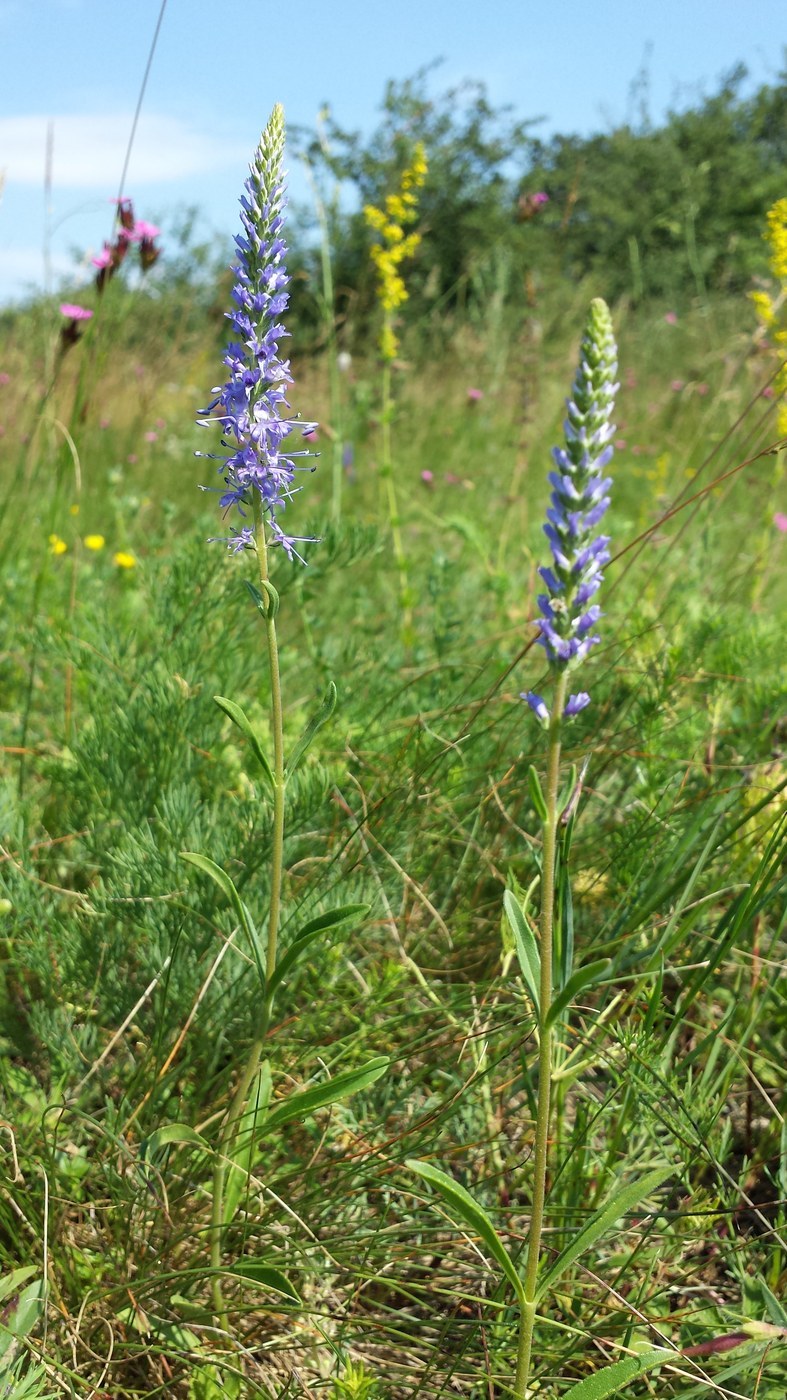
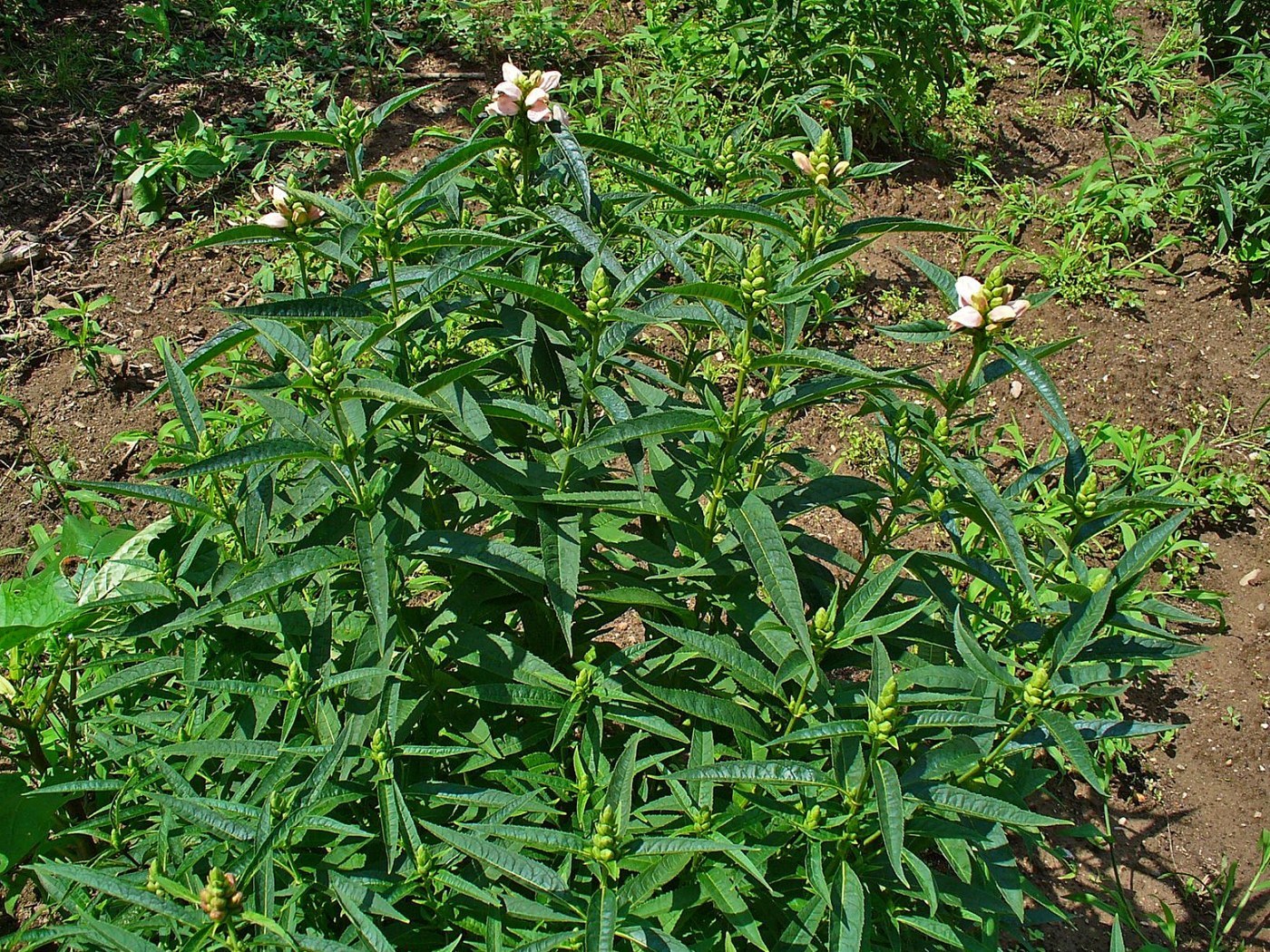
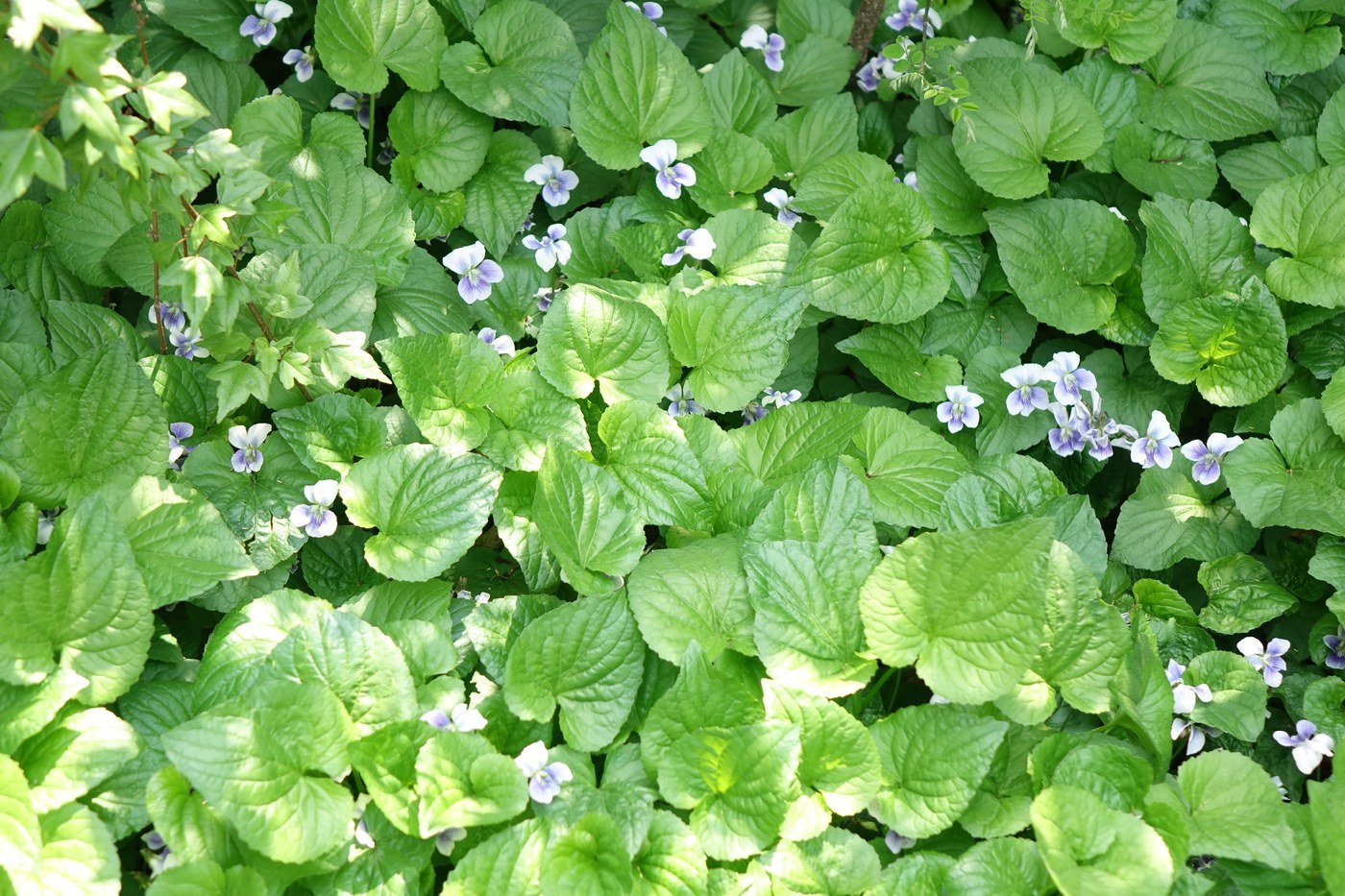
Cardinal Flower identified by the community
Real specimens identified with Plant Identifier.