Creeping Buttercup
Ranunculus repens
Creeping buttercup is a low, spreading perennial with glossy yellow flowers that colonizes lawns and damp ground via rooting runners. It is an aggressive and persistent weed.
- Light
- Sun to part shade
- Water
- Moist to wet soils
- Difficulty
- Easy
Got a plant like this?
Identify any plant from a photo, free.
Overview
Creeping buttercup (Ranunculus repens) is a low-growing perennial native to Europe, Asia, and northwestern Africa and now a widespread weed across temperate regions. It spreads aggressively by above-ground runners (stolons) that root at the nodes, quickly forming dense patches in lawns, gardens, and damp ground.
Its cheerful, glossy yellow flowers are attractive, but the plant is a tenacious weed that is difficult to eradicate once established. It thrives in moist, heavy, poorly drained soils where many other plants struggle.
Once it gains a foothold it competes strongly with turf and other plantings, making early, persistent control important.
How to identify it
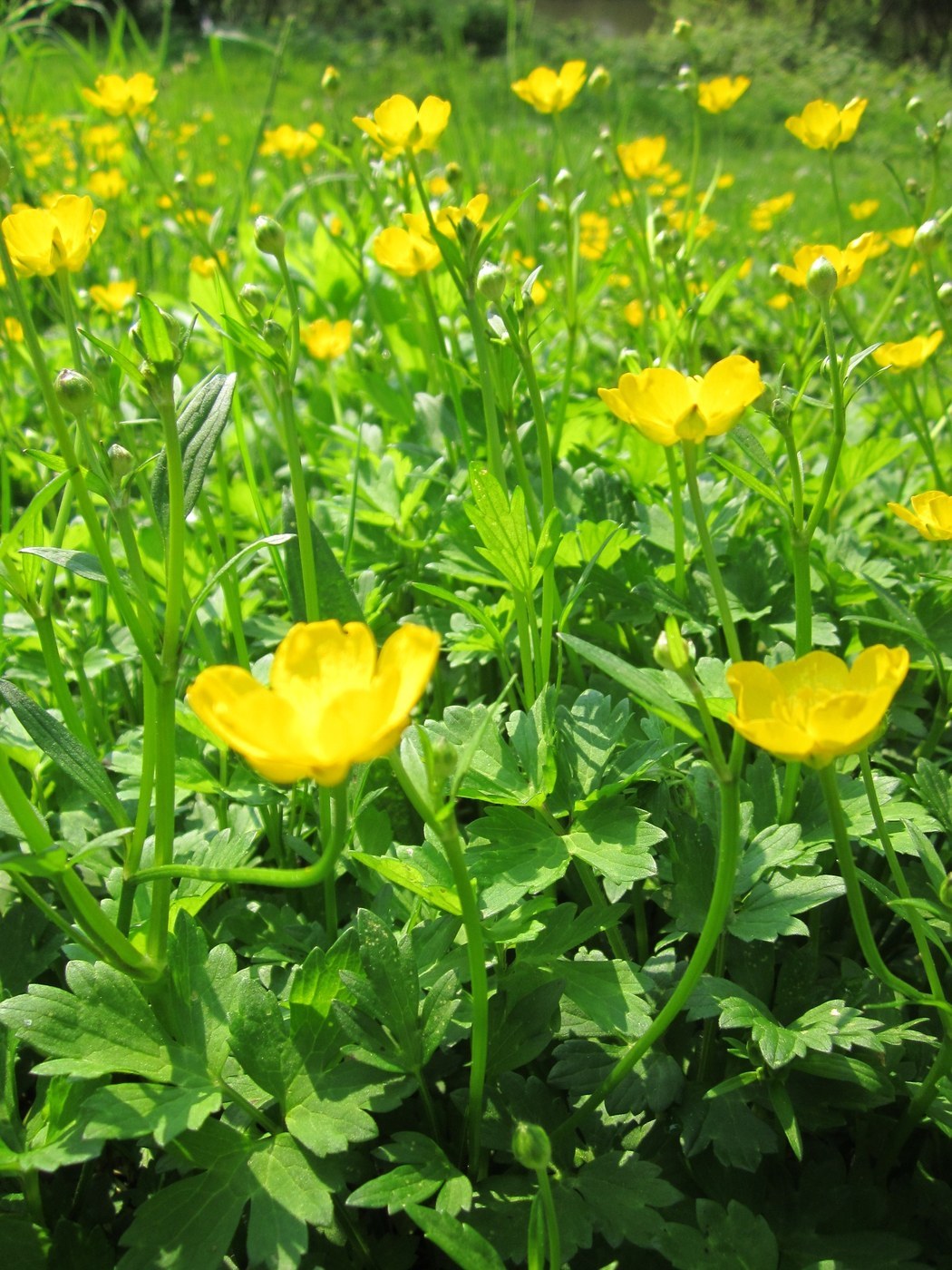
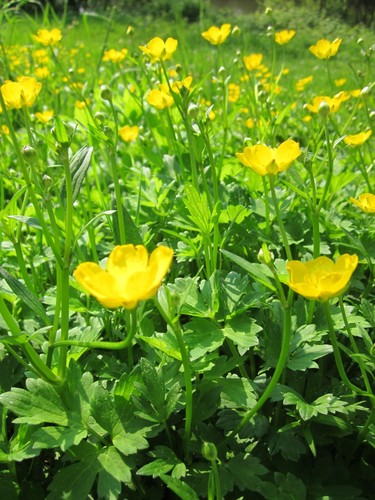
Identify creeping buttercup by its rooting runners, three-part hairy leaves, and glossy yellow flowers.
- Flowers: Glossy, five-petaled, bright yellow, about 1 inch across
- Leaves: Divided into three lobed, toothed leaflets, often with pale blotches, on hairy stalks
- Habit: Low, spreading, with horizontal runners that root at the nodes to form mats
- Roots: Fibrous, with creeping stolons; persistent
- Habitat clue: Favors damp, heavy, poorly drained ground
Care & growing
Managed as an aggressive weed.
- Control: Dig out the whole plant including runners and roots; fragments re-root
- Cultural: Improve drainage and aeration, since it thrives in wet, compacted soil
- Timing: Remove before it flowers and spreads; persist over multiple seasons
- It needs no care to spread and tolerates mowing, sun, and partial shade
Habitat & origin
Native to Europe, Asia, and northwestern Africa, creeping buttercup has naturalized across North America, Australia, New Zealand, and other temperate regions.
It favors moist, heavy, poorly drained ground: damp lawns, pastures, ditches, stream banks, woodland edges, and gardens. Its tolerance of wet, compacted soils gives it a competitive edge in places where turf and crops struggle.
Frequently asked questions
Why is creeping buttercup so hard to get rid of?
It spreads by runners that root at the nodes, and even small root or stem fragments can regrow, so it must be dug out thoroughly and controlled over several seasons.
What kind of soil does creeping buttercup like?
It thrives in moist, heavy, poorly drained, compacted soils, so improving drainage and aeration helps discourage it.
Does mowing control creeping buttercup?
No. It tolerates mowing and continues to spread by low runners, so digging out the plants and improving drainage are more effective.
How do I recognize creeping buttercup?
Look for glossy five-petaled yellow flowers about an inch across, hairy leaves divided into three toothed leaflets often with pale blotches, and horizontal runners that root at the nodes to form mats.
Creeping Buttercup guides
In-depth guides for identifying, growing, and caring for Creeping Buttercup.
How to Care for Creeping Buttercup
A tough, cheerful groundcover with glossy yellow flowers that thrives in damp soil and spreads freely by runners.
Creeping Buttercup Identification Guide
Identify creeping buttercup (Ranunculus repens) by its glossy yellow five-petaled flowers, three-part toothed leaves often with pale blotches, and rooting runners.