Culver's Root
Veronicastrum virginicum
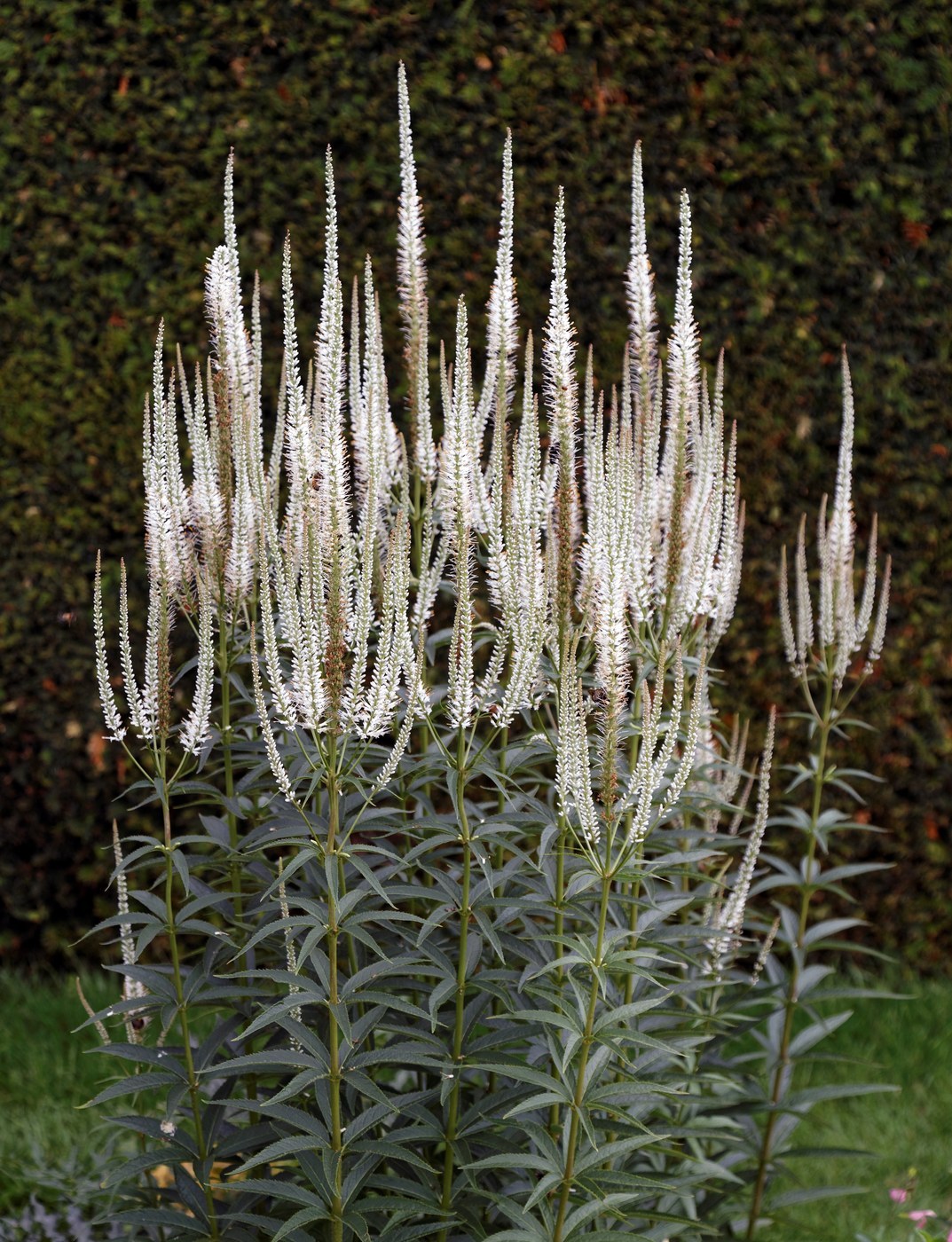
Culver's root is a tall, elegant North American prairie perennial with whorled leaves and slender, candelabra-like spires of white to pale-lilac flowers. It is a magnet for bees and butterflies in summer.
- Light
- Full sun to part shade
- Water
- Keep evenly moist
- Difficulty
- Easy
Got a plant like this?
Identify any plant from a photo, free.
Overview
Culver's root (Veronicastrum virginicum) is a stately native perennial in the plantain family (Plantaginaceae). Its narrow, upright flower spikes branch like a candelabra, giving the plant a refined, vertical presence.
Reaching 4 to 6 feet tall, it blooms in mid- to late summer with slender racemes of tiny white (sometimes pale lavender) flowers that hum with pollinators.
Long-lived and trouble-free, it is a favorite for naturalistic, prairie-style, and pollinator gardens.
How to identify it
Recognize Culver's root by its distinctive whorled foliage and spiky flower form.
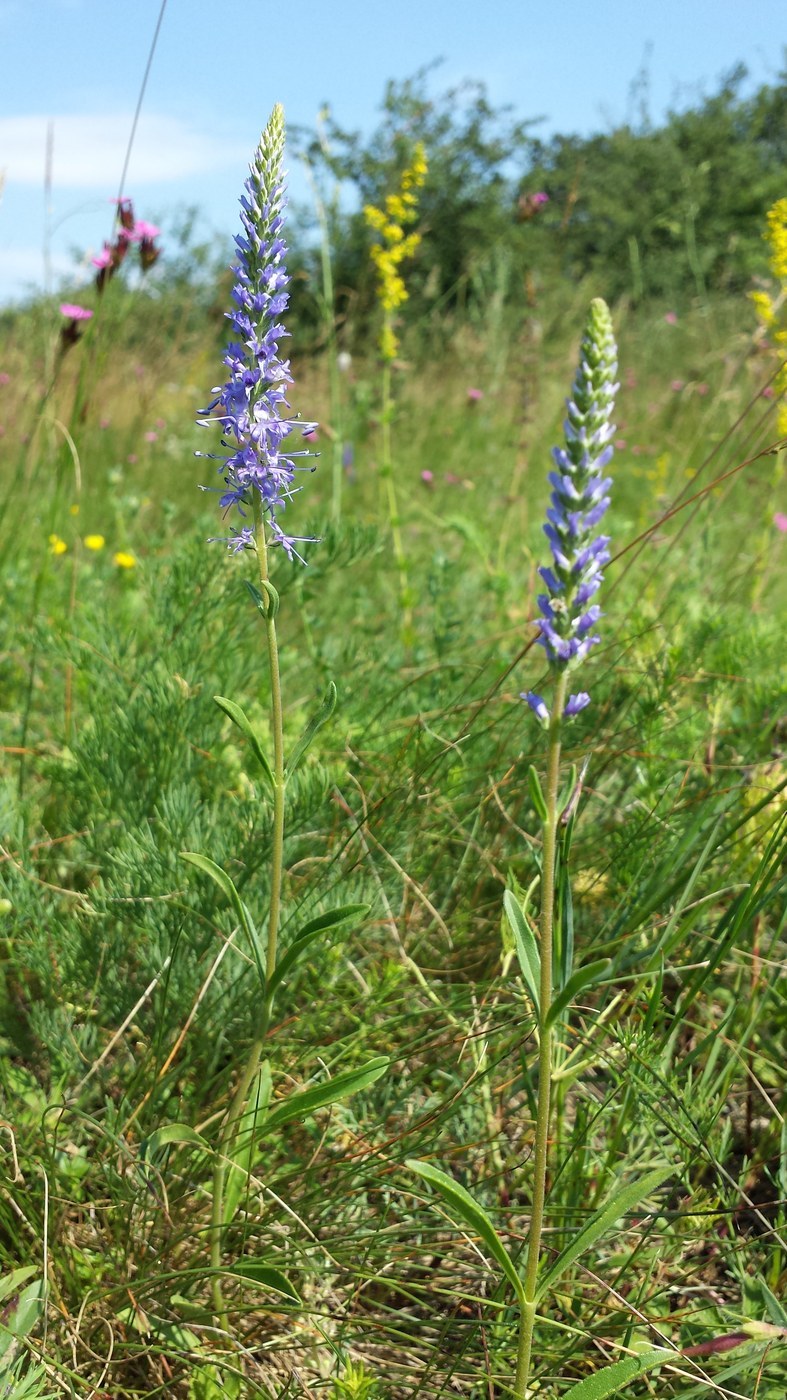
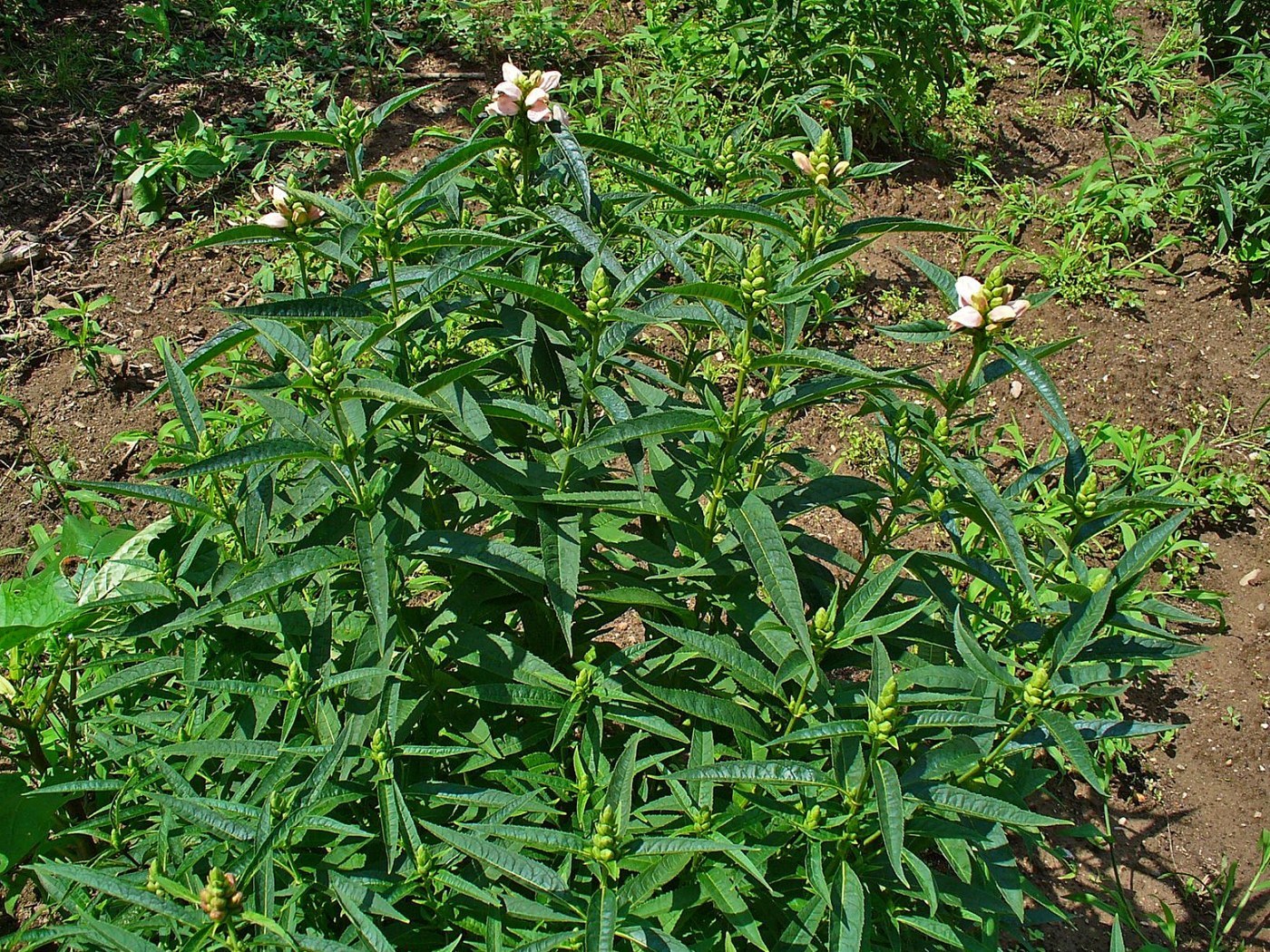
- Leaves: Lance-shaped, finely toothed, arranged in whorls of 3 to 7 around the stem
- Flowers: Tiny tubular blooms densely packed into slender, tapering spikes 4 to 9 inches long, usually white
- Size: 3 to 6 feet tall, with an upright, columnar habit
- Stems: Strong, mostly unbranched until the candelabra-like flower heads at the top
- Bloom time: Mid- to late summer
Care & growing
An easy, adaptable native that asks little once established.
- Light: Full sun for the strongest, most upright growth; tolerates light shade
- Water: Prefers evenly moist soil; tolerates average moisture but not prolonged drought
- Soil: Adaptable, from loam to clay; prefers fertile, humus-rich ground
- Temperature: Hardy in USDA zones 3 to 8
- Feeding: Minimal; topdress with compost in spring
- Propagation: Division in spring or fall, or sow seed (which benefits from cold stratification)
Habitat & origin
Native to moist prairies, meadows, open woods, and stream banks across eastern and central North America.
It grows well in rain gardens, meadow plantings, and the back of perennial borders where its height can shine. It is widely cultivated across temperate North America and Europe in naturalistic and pollinator gardens.
Frequently asked questions
Why is it called Culver's root?
It is named after Dr. Culver, an early American physician historically associated with the plant.
Does Culver's root need staking?
Usually not. Grown in full sun, its stems stay strong and upright; in too much shade it may flop.
Is Culver's root good for pollinators?
Yes, it is one of the best. Its flower spikes attract abundant bees and butterflies in mid- to late summer.
Is Culver's root invasive?
No. It spreads slowly by rhizomes into well-behaved clumps and is a welcome native, not an aggressive spreader.
Culver's Root guides
In-depth guides for identifying, growing, and caring for Culver's Root.
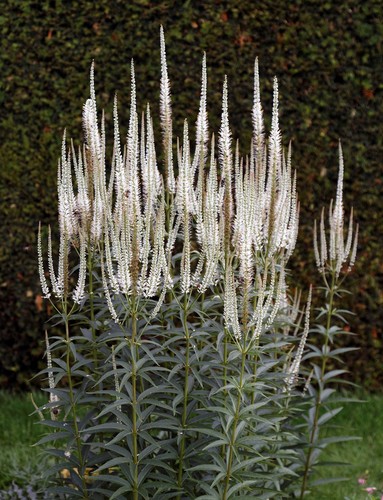
How to Care for Culver's Root
Grow Culver's Root for its tall candelabra of white flower spikes. An easy, moisture-loving native perennial for sunny borders and rain gardens.
Culver's Root Identification Guide
A field guide to identifying Veronicastrum virginicum by its whorled leaves and slender candelabra of white flower spikes.