Dawn Redwood
Metasequoia glyptostroboides
A fast-growing 'living fossil' conifer that drops its feathery needles each fall, once known only from fossils until living trees were discovered in China in the 1940s.
- Light
- Full sun
- Water
- Consistently moist soil
- Difficulty
- Easy
Got a plant like this?
Identify any plant from a photo, free.
Overview
Dawn redwood is one of botany's great surprises: known only from fossils and presumed extinct until living trees were found in a remote part of central China in the 1940s. Seeds were then distributed worldwide, and it is now a popular landscape and avenue tree.
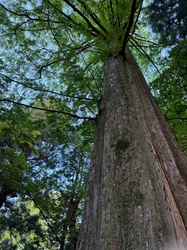
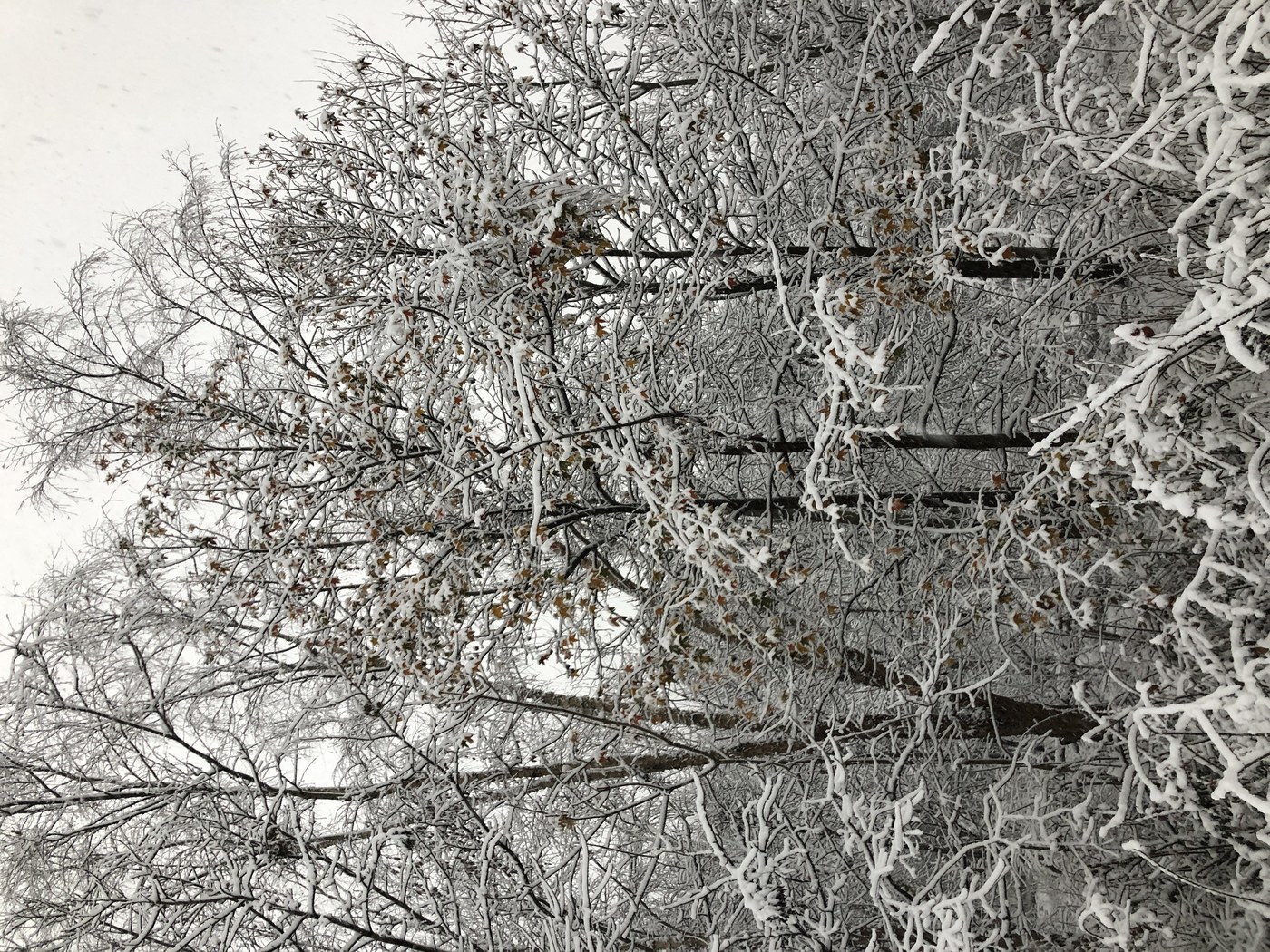
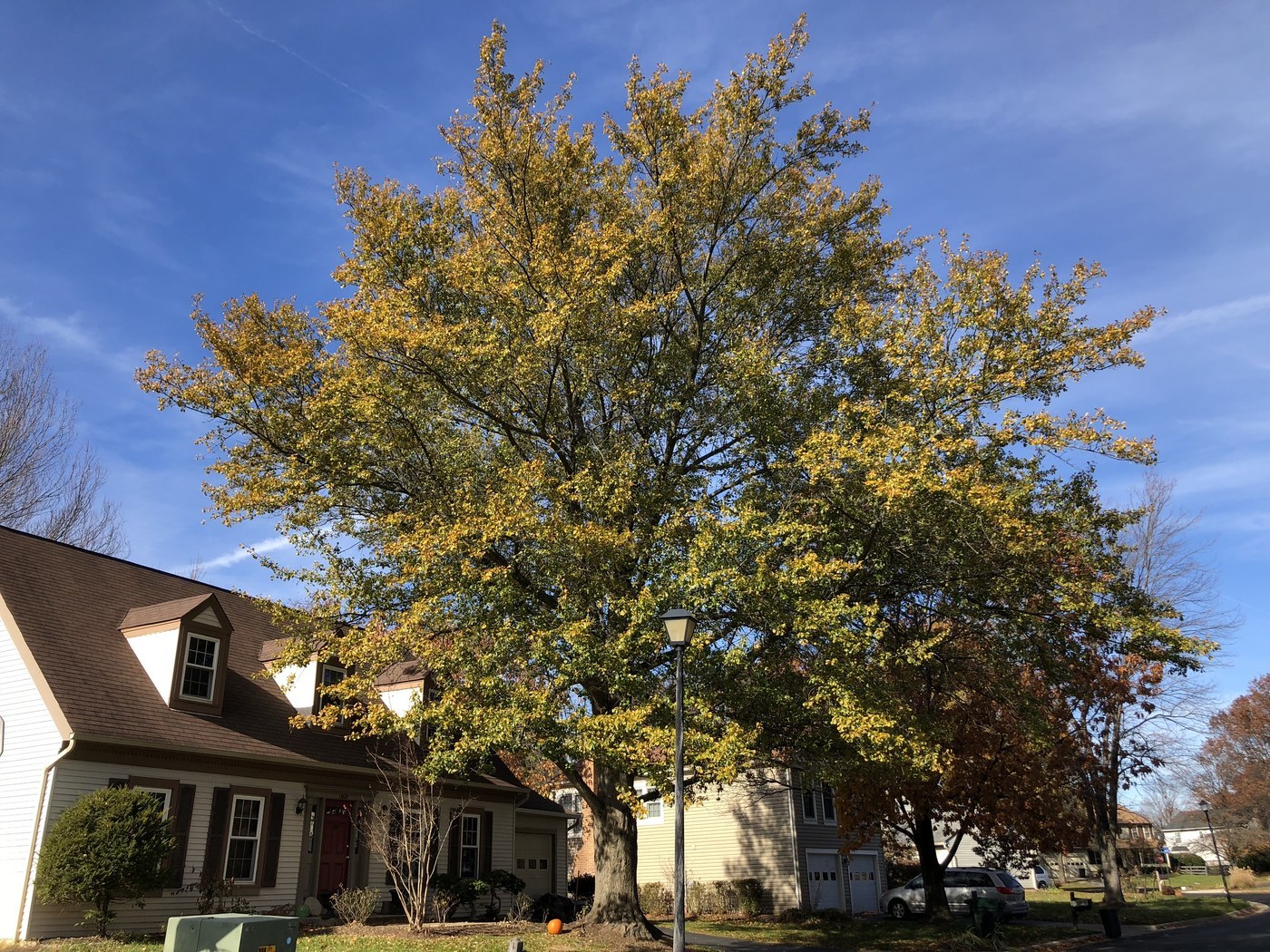
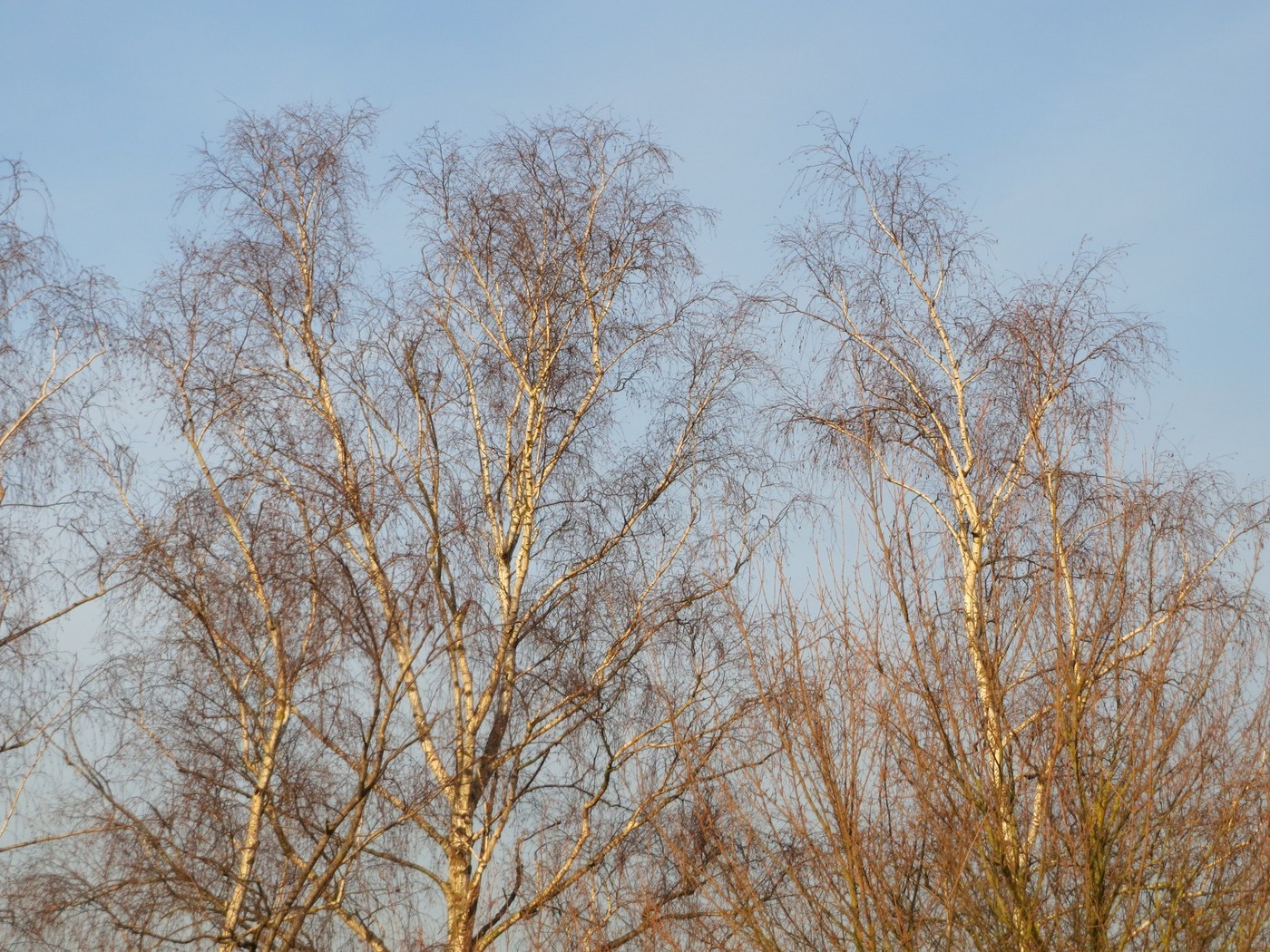
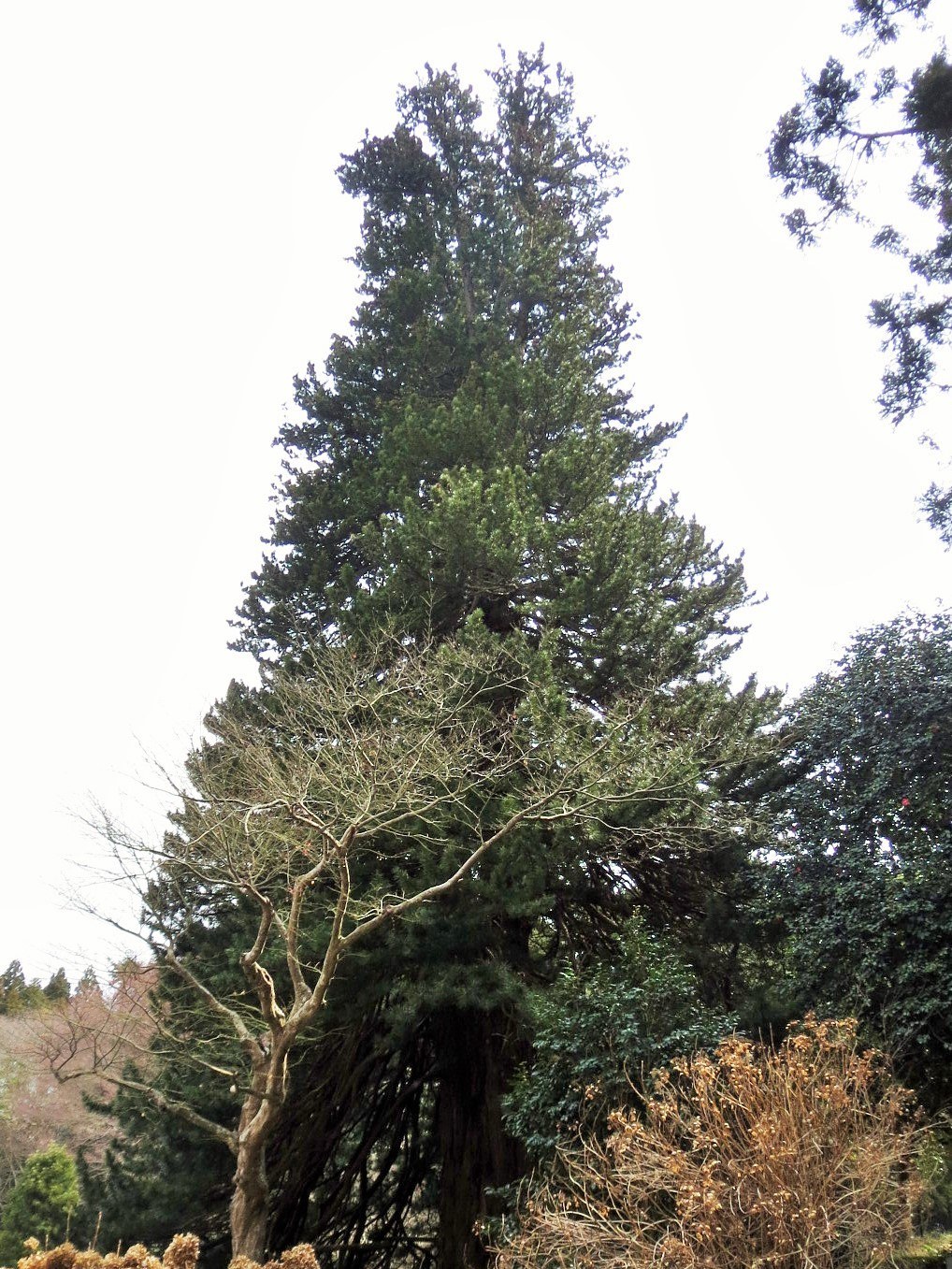
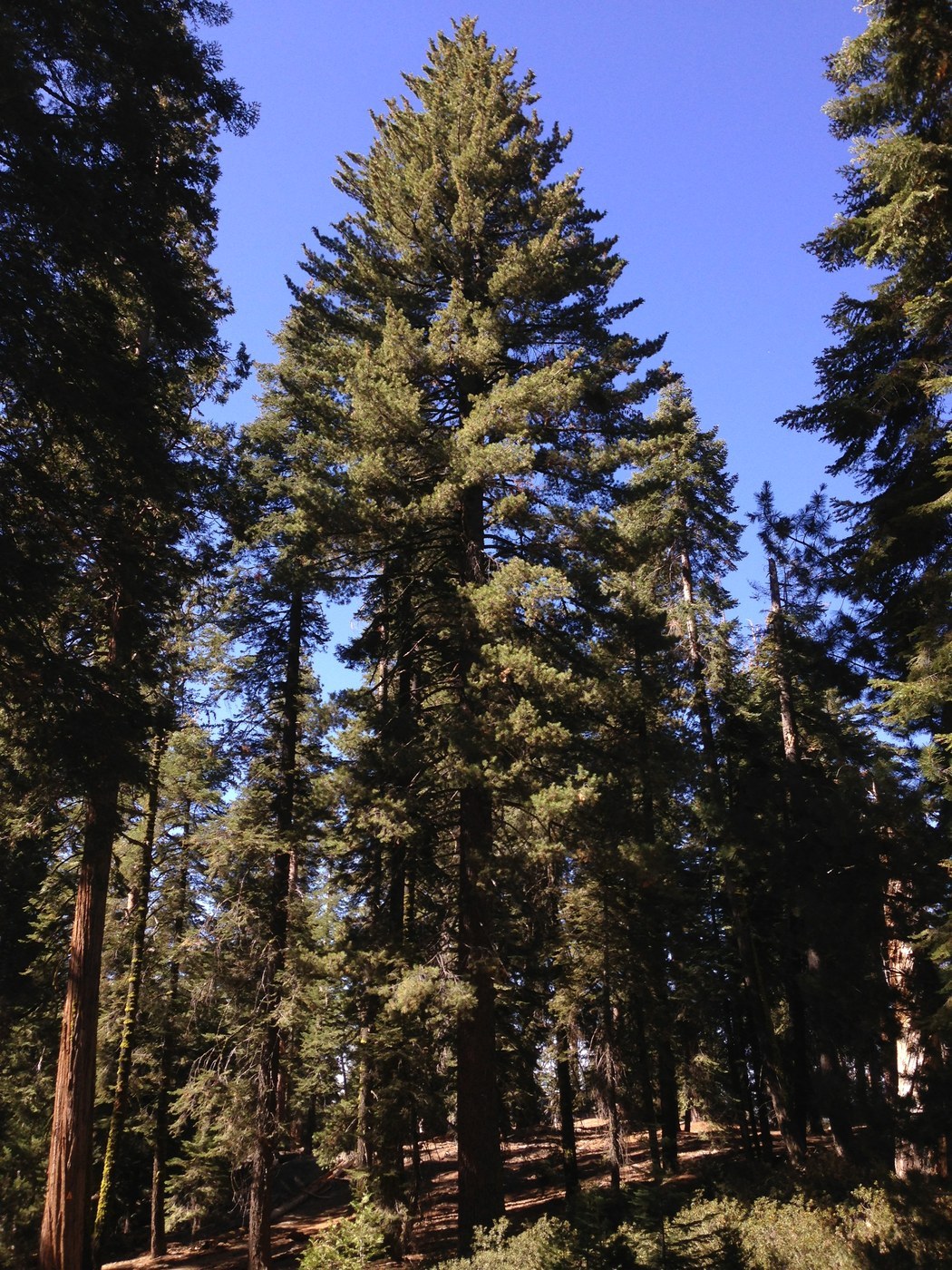
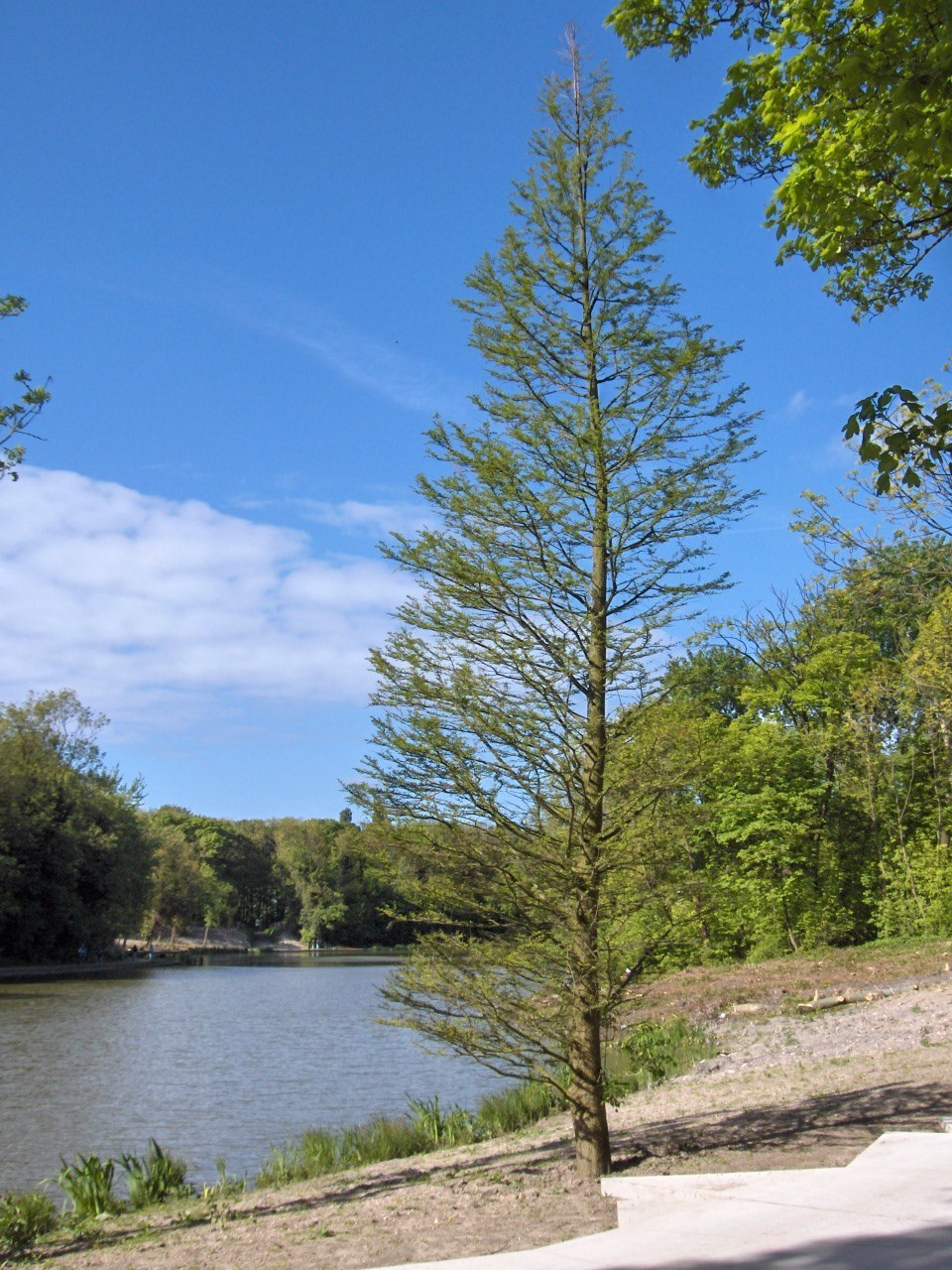
Unlike most conifers, it is deciduous, shedding its soft, feathery foliage in autumn after a coppery display. It grows remarkably fast, forming a tall, straight, pyramidal trunk often buttressed and fluted at the base.
How to identify it
Opposite needles and a fluted trunk separate it from look-alikes:
- Needles soft, flat, feathery, bright green, arranged in opposite pairs along the twigs (bald cypress is alternate); turn russet-bronze before dropping in fall
- Trunk straight and tapering, often deeply fluted and buttressed at the base, with 'armpit' hollows under branches
- Bark reddish-brown, fibrous, peeling in long strips
- Cones small, round to oblong, hanging on long stalks
- Form narrow to broad pyramid, fast-growing, reaching 70-100 ft
Care & growing
Vigorous and easy in moist ground.
- Light: Full sun for best growth
- Water: Prefers consistently moist soil; tolerates wet sites and even shallow standing water
- Soil: Adaptable but best in deep, moist, slightly acidic loam; can yellow in dry alkaline soil
- Temperature: Hardy in USDA zones 4-8
- Feeding: Rarely needed in decent soil
- Propagation: Easy from seed or softwood/hardwood cuttings
Habitat & origin
Native to a small area of central China (Hubei, Hunan, and Chongqing), where wild trees survive in moist valleys and along streams. The remaining native population is small and protected.
Widely planted around the world as an ornamental, it thrives in parks, large gardens, and along waterways, and is often used in research and arboretum collections.
Frequently asked questions
Why is it called a living fossil?
It was known only from fossils and thought extinct until living trees were discovered in China in the 1940s, then propagated worldwide.
Does it really lose its needles?
Yes — it is a deciduous conifer, turning coppery-bronze and shedding its needles each autumn, releafing in spring.
How do I tell it from bald cypress?
Dawn redwood has opposite needles and branchlets; bald cypress has alternate ones. Dawn redwood also has a more deeply fluted trunk.
How fast does it grow?
Very fast — often 2-3 ft per year when young, quickly forming a tall pyramidal tree.
Dawn Redwood guides
In-depth guides for identifying, growing, and caring for Dawn Redwood.
How to Care for Dawn Redwood
Grow a fast, feathery Dawn Redwood: full sun, steadily moist soil, and room to reach great heights with easy, forgiving care.
Dawn Redwood Identification Guide
Identify dawn redwood by its opposite, feather-like deciduous needles, fluted buttressed trunk, and shaggy reddish bark. Covers needles, cones, the bald cypress look-alike, and habitat.
Dawn Redwood identified by the community
Real specimens identified with Plant Identifier.