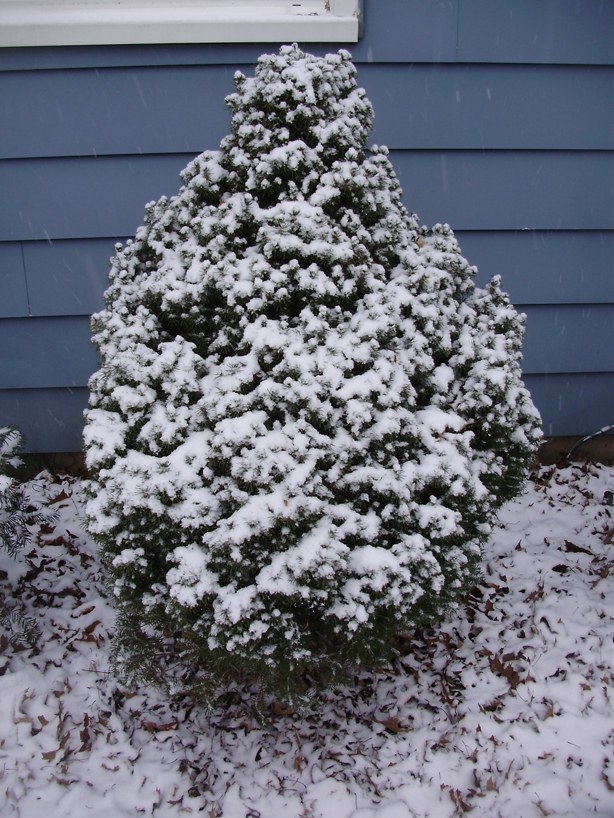
Dwarf Alberta Spruce
Picea glauca 'Conica'
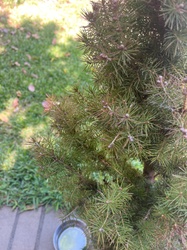
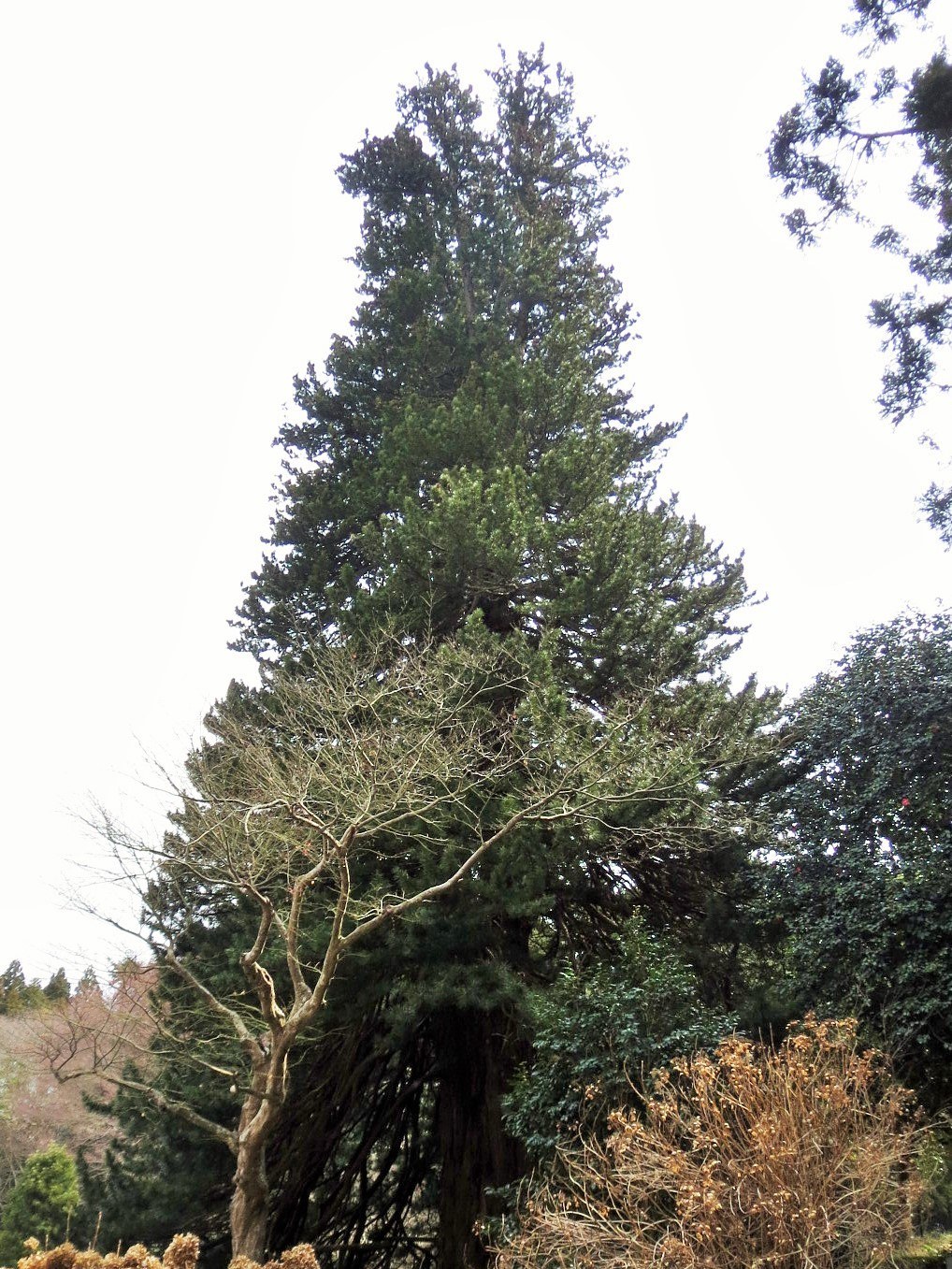
Dwarf Alberta spruce is a compact, naturally cone-shaped evergreen with dense, soft needles. Its slow growth and tidy pyramid form make it a popular accent and container conifer.
- Light
- Full sun to part sun
- Water
- Regular; keep evenly moist when young
- Difficulty
- Easy
Got a plant like this?
Identify any plant from a photo, free.
Overview
Dwarf Alberta spruce (Picea glauca 'Conica') is a slow-growing dwarf cultivar of the white spruce, famous for its perfectly symmetrical, cone-like silhouette that needs almost no pruning to maintain.
Growing only 2 to 4 inches per year, it may take decades to reach 10 to 12 ft, so it spends most of its life as a manageable small specimen ideal for containers, foundation plantings and formal pairs flanking entryways.
Its dense, fine, bright green needles give a soft texture, and the plant is widely sold as a living holiday tree and topiary subject.
How to identify it
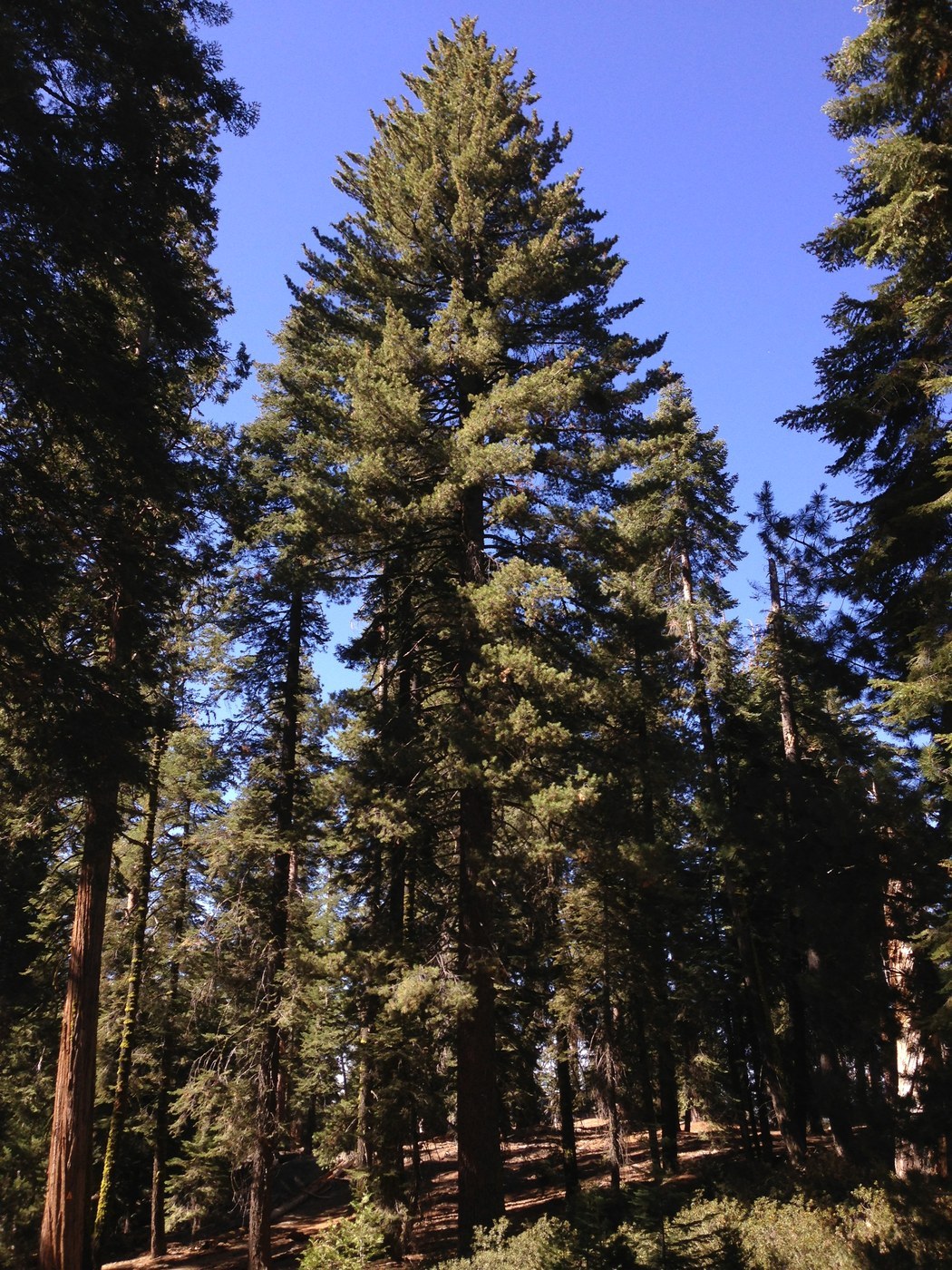
- Form: dense, narrowly pyramidal (conical) evergreen, very symmetrical
- Needles: short, soft, light to bright green, radiating around the twig; aromatic when crushed
- Size: very slow growing, commonly 6 to 8 ft over many years, eventually up to 10 to 12 ft
- Bark and stems: thin twigs densely clothed in needles; little visible trunk
- Cones: rarely produced on this cultivar
Care & growing
Best in full sun with good air circulation and consistent moisture.
- Water: keep evenly moist, especially when young and in containers; do not let it dry out fully
- Soil: well-drained, slightly acidic loam
- Temperature: very cold hardy, USDA zones 2 to 6; struggles in hot, humid southern climates
- Feeding: light application of a balanced or evergreen fertilizer in early spring
- Pests: prone to spider mites, especially in heat and drought; rinse foliage and monitor closely
- Propagation: by cuttings (difficult) or grafting; commercially propagated, not from seed (which reverts)
- Note: occasional branches may revert to the faster, coarser white spruce form and should be pruned out
Habitat & origin
The parent species, white spruce, is native to the northern forests of Canada and the northern United States, including Alberta, hence the name. The dwarf 'Conica' form was discovered in Alberta in the early 1900s.
The cultivar is grown ornamentally throughout cool-temperate regions worldwide and is especially popular in cold-climate gardens where many evergreens struggle.
Frequently asked questions
How big does a dwarf Alberta spruce get?
Very slowly. It grows just a couple of inches a year and stays small for decades, eventually reaching about 10 to 12 ft after many years.
Why is part of my spruce turning brown?
The most common cause is spider mites, which thrive in hot, dry conditions. Check for fine webbing and stippled needles, and rinse the foliage regularly.
Can I keep it in a pot?
Yes. It is one of the best conifers for containers, but keep the soil consistently moist and protect roots from extreme cold in winter.
Why did one branch grow much faster and coarser?
That is a reversion to the original white spruce. Prune the reverted branch back to keep the dwarf form.
Dwarf Alberta Spruce guides
In-depth guides for identifying, growing, and caring for Dwarf Alberta Spruce.
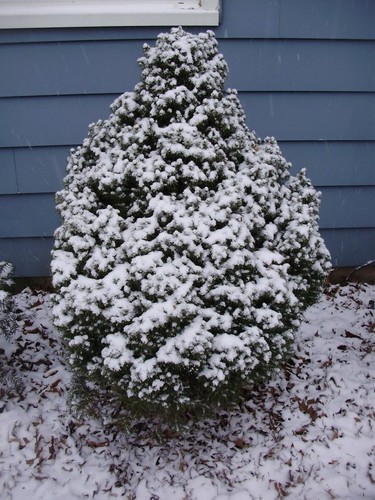
How to Care for Dwarf Alberta Spruce
Picea glauca 'Conica' is a slow-growing dwarf conifer forming a dense, neat cone of soft green needles, ideal for containers and beds.
Dwarf Alberta Spruce Identification Guide
Identify Dwarf Alberta Spruce by its dense, perfect cone shape, tiny soft needles, and extremely slow growth.
Dwarf Alberta Spruce identified by the community
Real specimens identified with Plant Identifier.