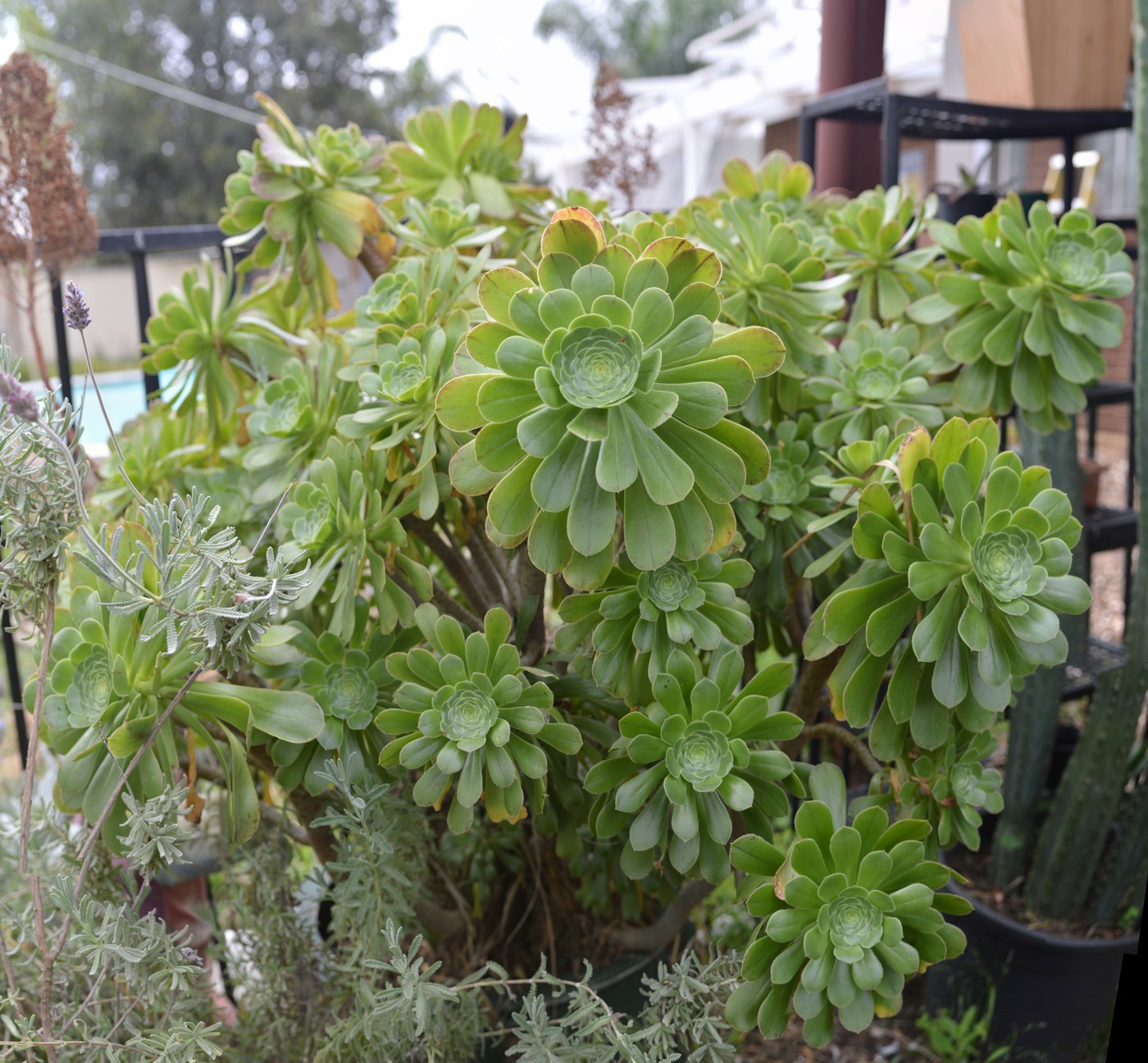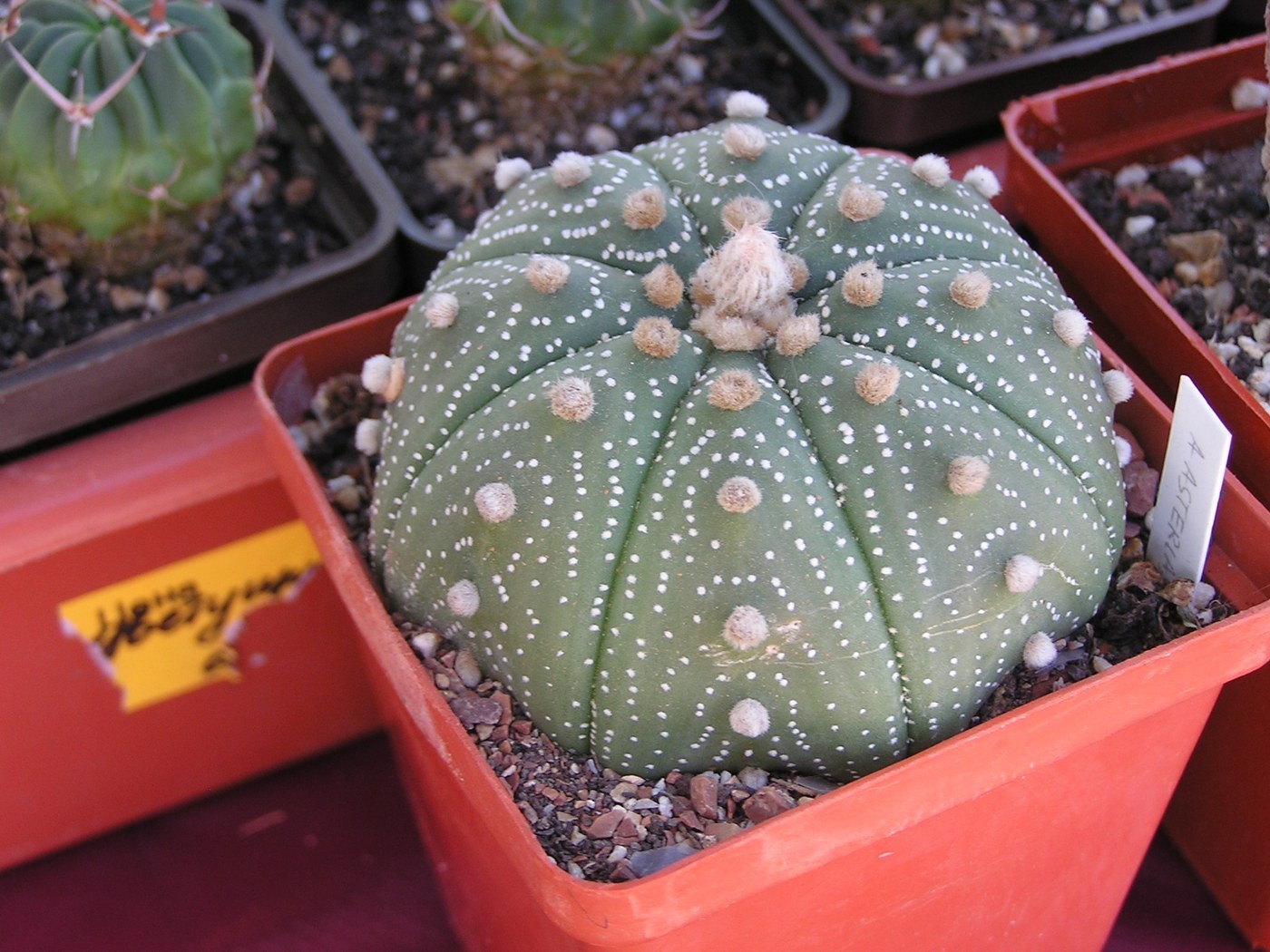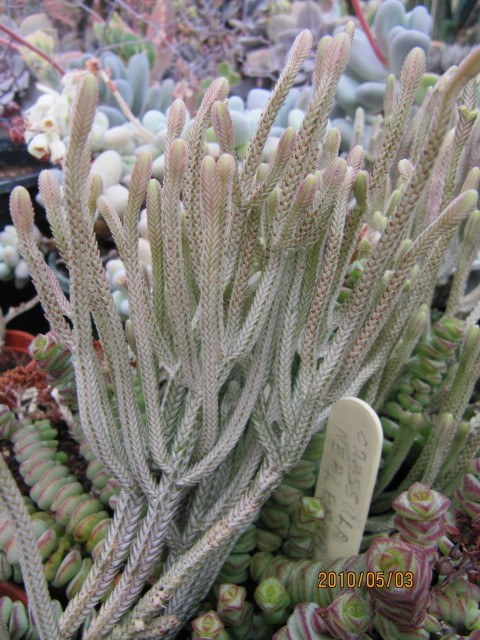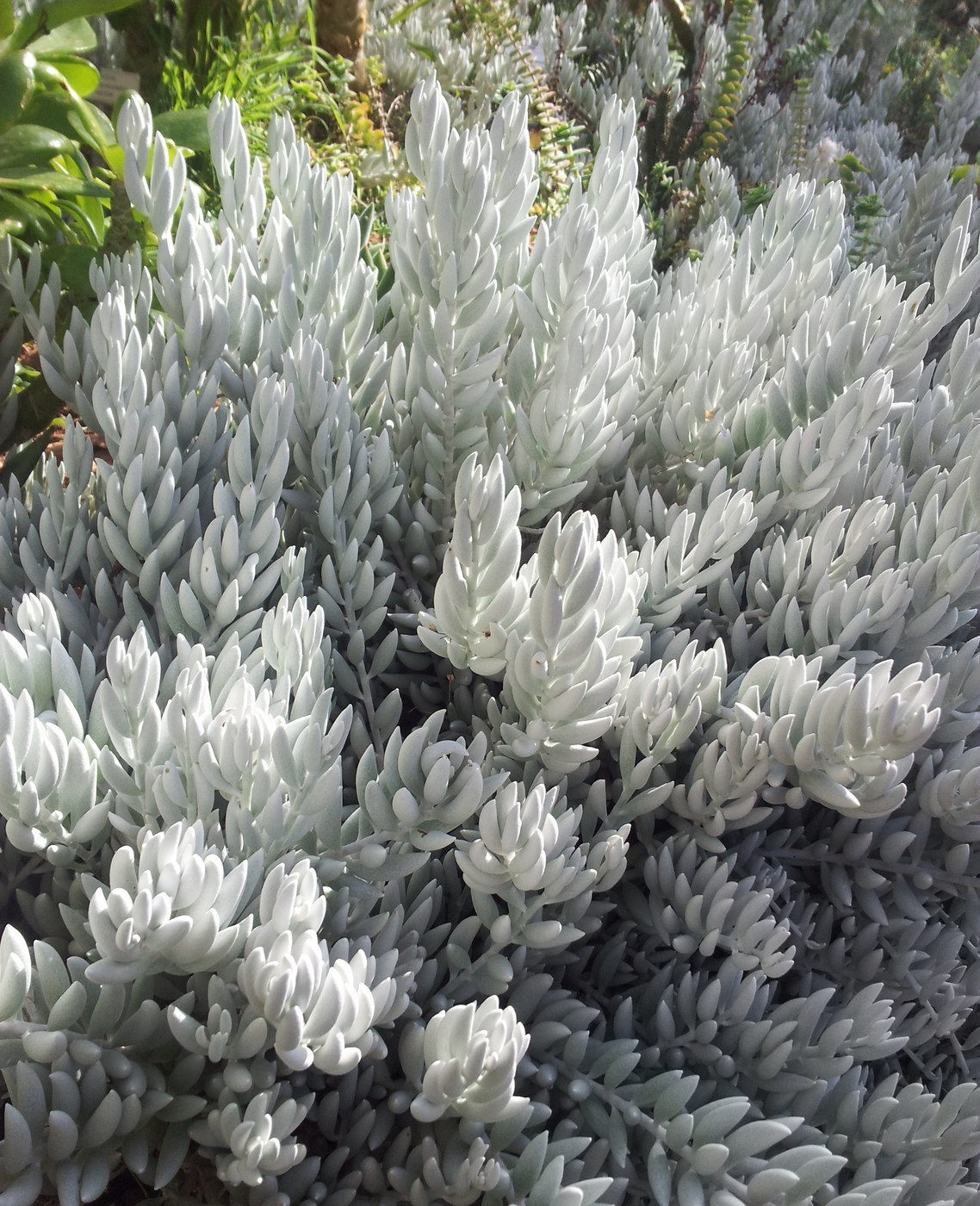
Flapjack Plant
Kalanchoe luciae
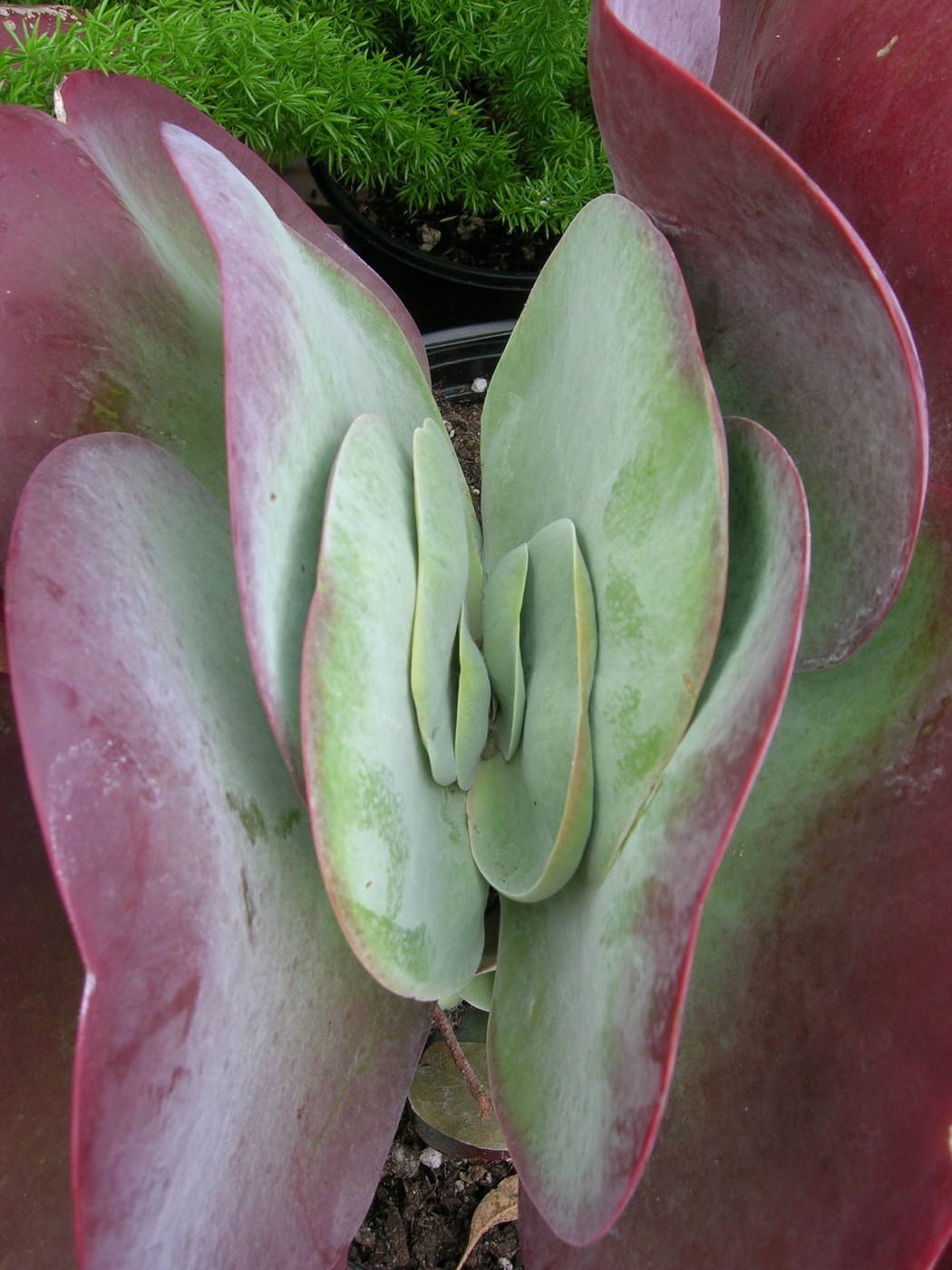
A striking rosette succulent with large, flat, rounded leaves that blush deep red along their edges when grown in bright sun. It is prized as an architectural accent in pots and water-wise gardens.
- Light
- Bright light to full sun
- Water
- Sparingly; let soil dry fully
- Difficulty
- Easy
Got a plant like this?
Identify any plant from a photo, free.
Overview
The Flapjack Plant is a South African succulent grown for its bold, stackable paddle-shaped leaves arranged in a tight basal rosette. In strong light the grey-green leaf margins flush vivid red or pink, giving the plant its other common name, red pancake.
It is often confused with Kalanchoe thyrsiflora, a closely related species. True K. luciae has smoother leaves with little of the white powdery bloom and produces a tall spike of pale yellow flowers, after which the main rosette dies but leaves behind offsets.
Low-maintenance and drought-tolerant, it thrives on neglect and is a favorite for containers, rockeries, and bright windowsills.
How to identify it
- Leaves: Large, flat, rounded paddles stacked in a rosette; grey-green with red or pink margins in sun, often dusted with a faint waxy bloom
- Habit: Low basal rosette, typically 12-18 in (30-45 cm) tall before flowering
- Flowers: Tall spike up to 2-3 ft (60-90 cm) of small, fragrant, pale yellow tubular blooms; the flowering rosette is monocarpic (dies after blooming)
- Offsets: Produces pups around the base, especially after flowering
- Distinguished from K. thyrsiflora by less powdery coating and yellow (not greenish) flowers
Care & growing
Light: Bright light to full sun brings out the best red leaf color; too little light leaves it green and stretched.
Water: Water deeply only when the soil has dried out completely, roughly every 2-3 weeks. Reduce in winter. Overwatering causes rot.
Soil: Fast-draining cactus or succulent mix; never let it sit in water.
Temperature: Prefers warm conditions (60-85 F / 15-29 C); protect from frost.
Feeding: Light feeding with diluted succulent fertilizer once or twice in spring and summer.
Propagation: Easiest from offsets or leaf cuttings allowed to callus before planting.
Habitat & origin
Native to the eastern and southern regions of South Africa, Kalanchoe luciae grows on rocky slopes and well-drained, sunny terrain.
It is widely cultivated worldwide as an ornamental succulent and is popular in Mediterranean, coastal, and xeriscape gardens, as well as indoors in bright windows.
Frequently asked questions
Why are my Flapjack Plant's leaves not turning red?
Red coloration requires lots of bright direct sun and some cool stress. In shade or low light the leaves stay plain green.
My plant grew a tall stalk and is dying - what happened?
It bloomed. The flowering rosette is monocarpic and dies after setting flowers, but it usually leaves offsets at the base that carry on.
How often should I water it?
Only when the soil is completely dry, typically every two to three weeks, and much less in winter.
How can I tell it apart from Kalanchoe thyrsiflora?
True K. luciae has smoother leaves with little white powdery bloom and bears pale yellow flowers, while K. thyrsiflora is more heavily coated and has greenish flowers.
Flapjack Plant guides
In-depth guides for identifying, growing, and caring for Flapjack Plant.
How to Care for Flapjack Plant
Grow the flapjack plant (Kalanchoe luciae) with its stacked paddle leaves that blush red in bright light and lean dry care.
Flapjack Plant Identification Guide
How to recognize the Flapjack Plant (Kalanchoe luciae/thyrsiflora) by its stacked, paddle-shaped leaves and dramatic red margins.