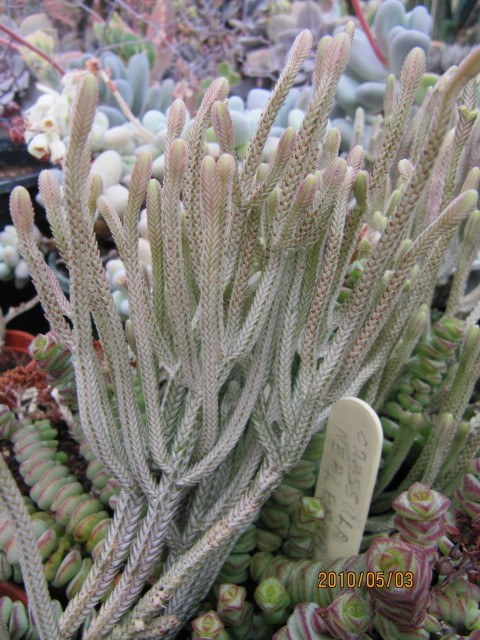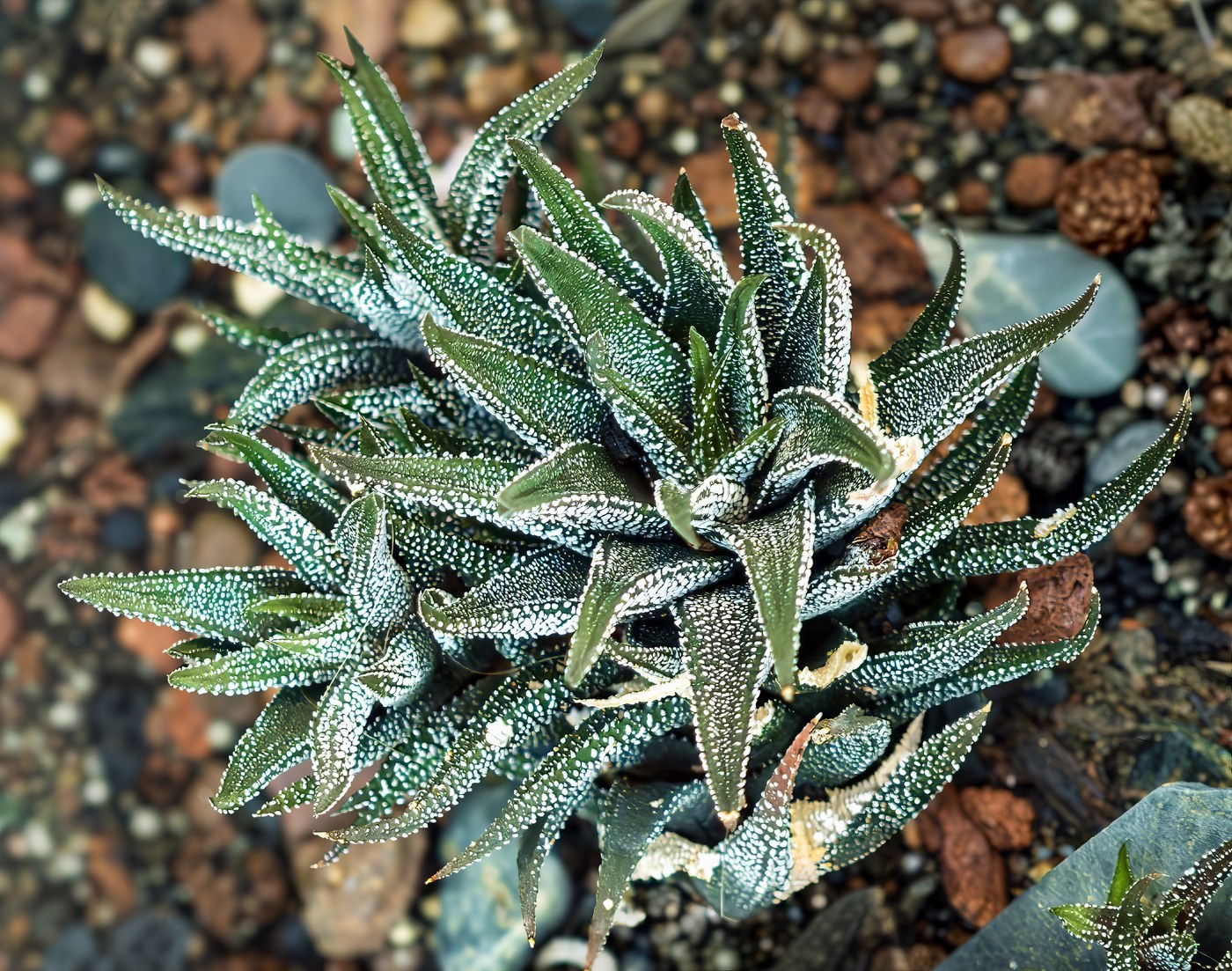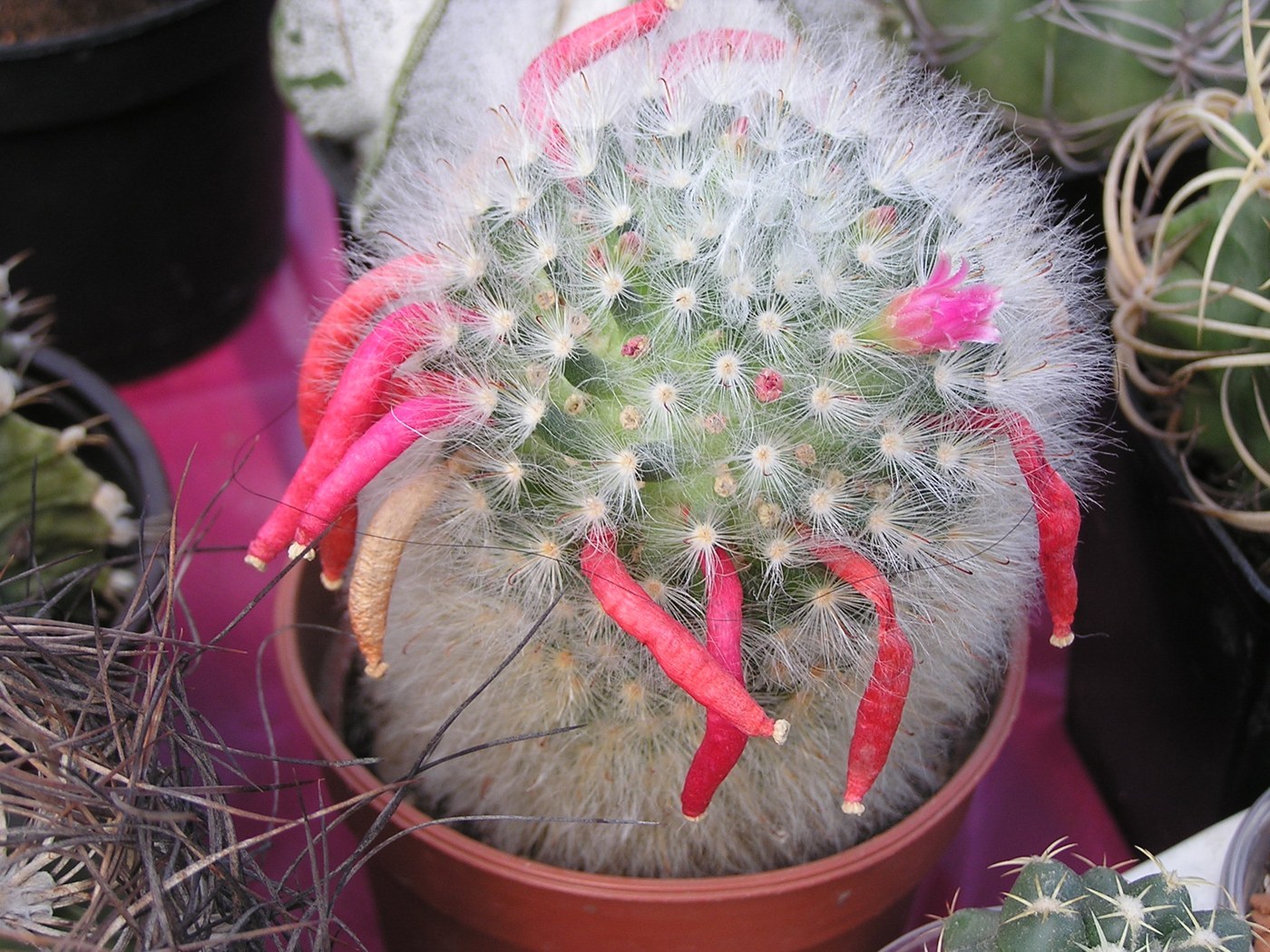
Ghost Plant
Graptopetalum paraguayense
The ghost plant is a hardy rosette succulent with pearly, pastel leaves that shift from grey-blue to pinkish or yellow depending on light. It is fast-growing, trailing, and extremely easy to propagate.
- Light
- Full sun to bright light
- Water
- Infrequent; let soil dry fully
- Difficulty
- Easy
Got a plant like this?
Identify any plant from a photo, free.
Overview
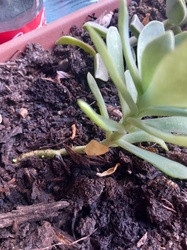
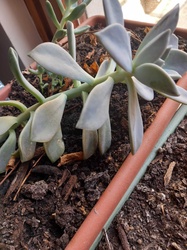
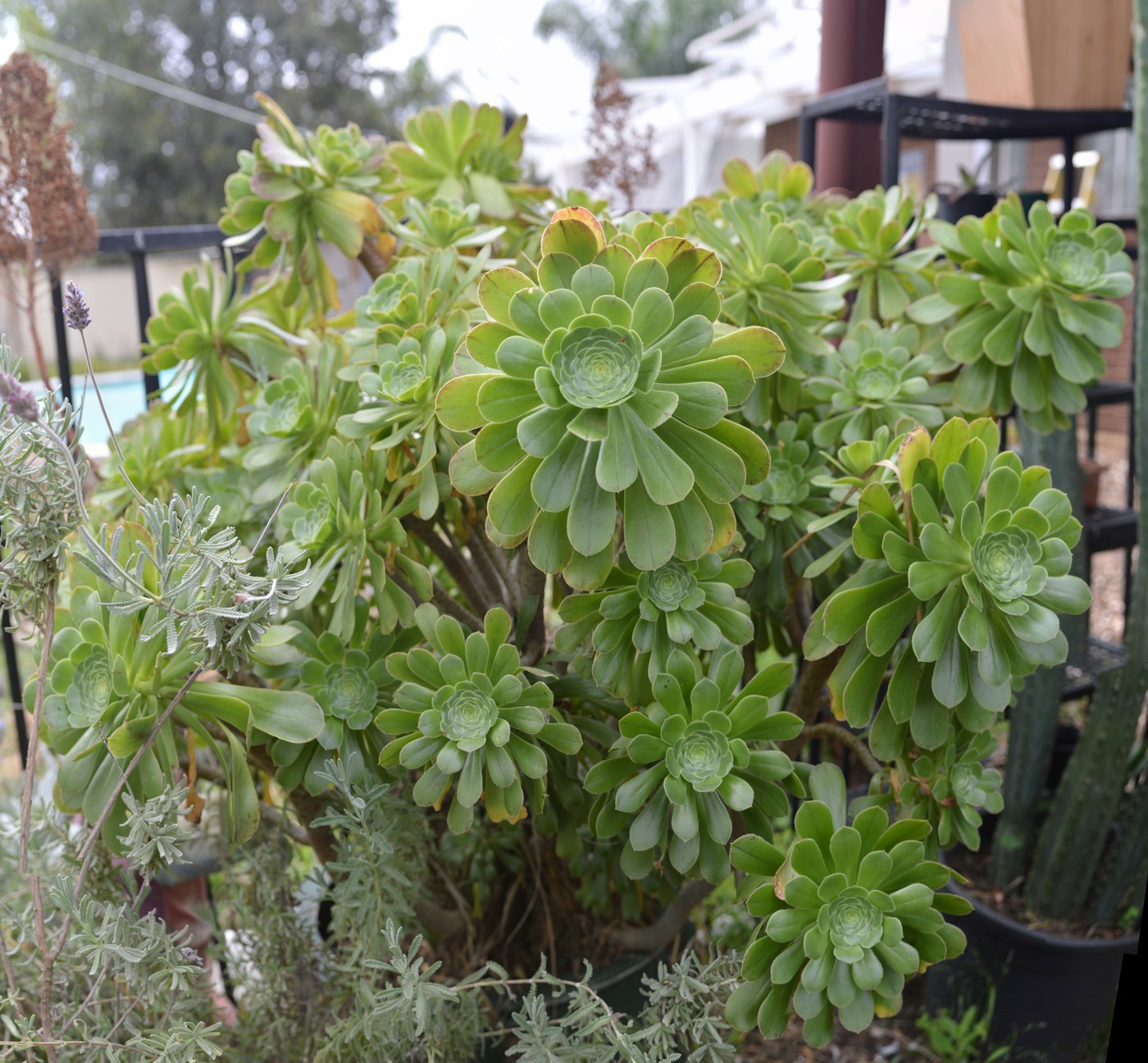
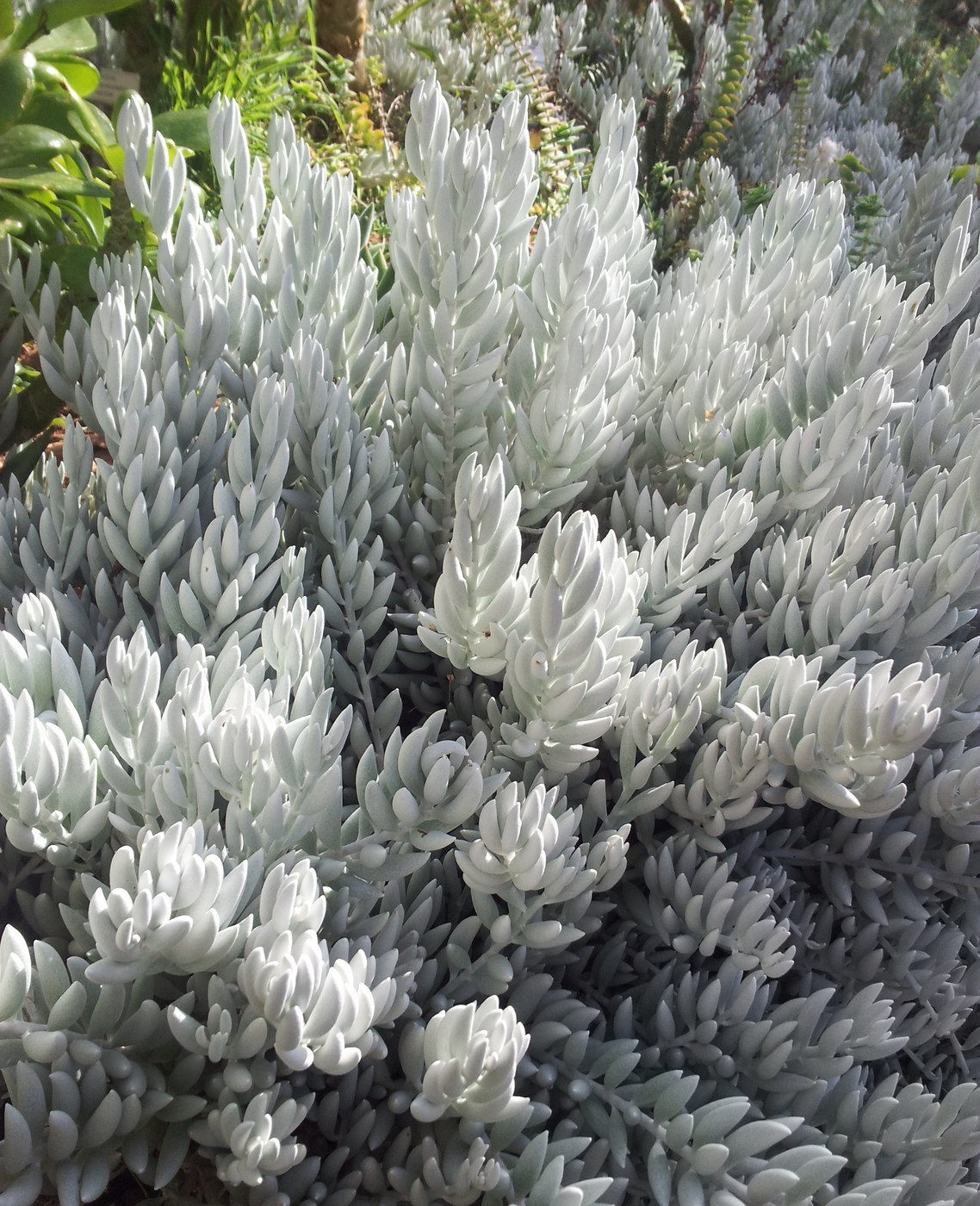
The ghost plant (Graptopetalum paraguayense) forms loose rosettes of thick, pointed leaves coated in a powdery farina that gives them an ethereal, ghostly pastel sheen. Colors range from blue-grey in shade to warm pink, peach, or yellow in bright sun.
Stems lengthen and trail or sprawl over time, making it attractive in hanging pots and as a spreading ground cover in mild climates.
It is one of the toughest and most forgiving succulents, dropping leaves that readily root into new plants, which has spread it widely among gardeners.
How to identify it
- Loose rosettes of thick, pointed, triangular leaves
- Pearly, powdery leaves shifting between grey-blue, lavender, pink, and yellow with light
- Stems elongate and trail or sprawl as the plant grows
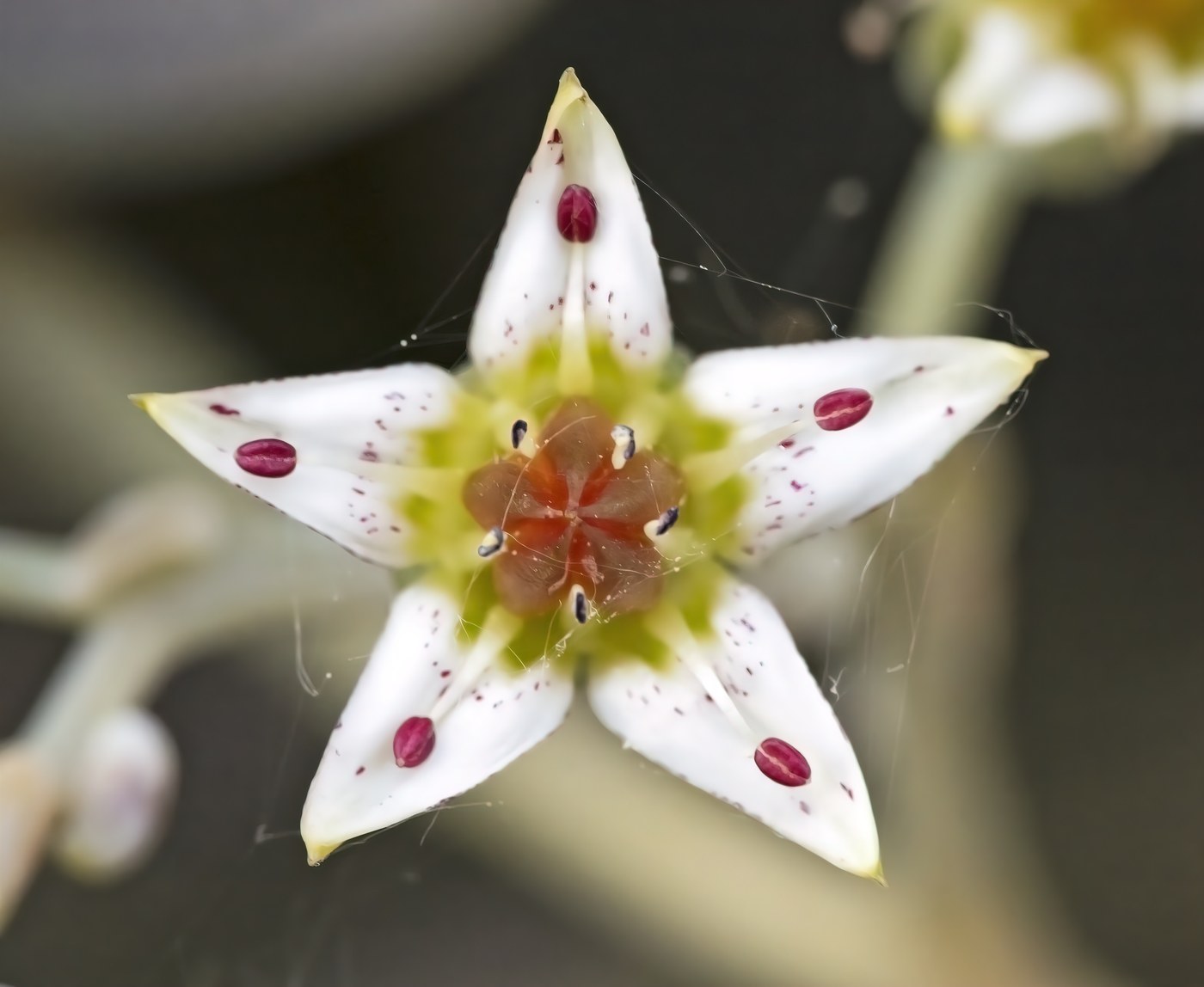
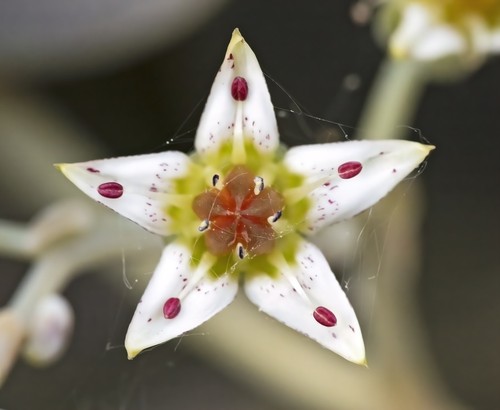
- Star-shaped, pale yellow to white flowers with red speckles in spring
- Leaves detach easily and root on their own
Care & growing
- Light: Full sun to bright light intensifies the pink and peach tones; low light keeps it bluer and leggier
- Water: Drought-tolerant; water only when soil is fully dry
- Soil: Fast-draining cactus or succulent mix
- Temperature: Tolerates a range; hardy to light frost but protect from hard freezes
- Feeding: Minimal; occasional light feeding
- Propagation: Extremely easy from fallen leaves or stem cuttings
Habitat & origin
Native to Mexico, particularly the high desert of Tamaulipas, despite the misleading species name paraguayense. It grows on rocky cliffs and slopes.
It is grown worldwide as an easy ornamental succulent, both indoors and outdoors in mild climates, where it naturalizes readily.
Frequently asked questions
Why does my ghost plant change color?
Leaf color shifts with light and stress. Bright sun brings out pink, peach, and yellow tones, while shade keeps it bluer-grey.
How do I propagate it?
Just lay a fallen leaf or a stem cutting on dry soil. It roots and sprouts new rosettes very easily.
Why is it getting leggy?
Stretched, sparse growth indicates too little light. Move it to a brighter spot for tighter rosettes.
Does the ghost plant trail?
Yes. Its stems lengthen and sprawl over time, making it well suited to hanging pots and as a spreading ground cover in mild climates.
Ghost Plant guides
In-depth guides for identifying, growing, and caring for Ghost Plant.
Ghost Plant identified by the community
Real specimens identified with Plant Identifier.