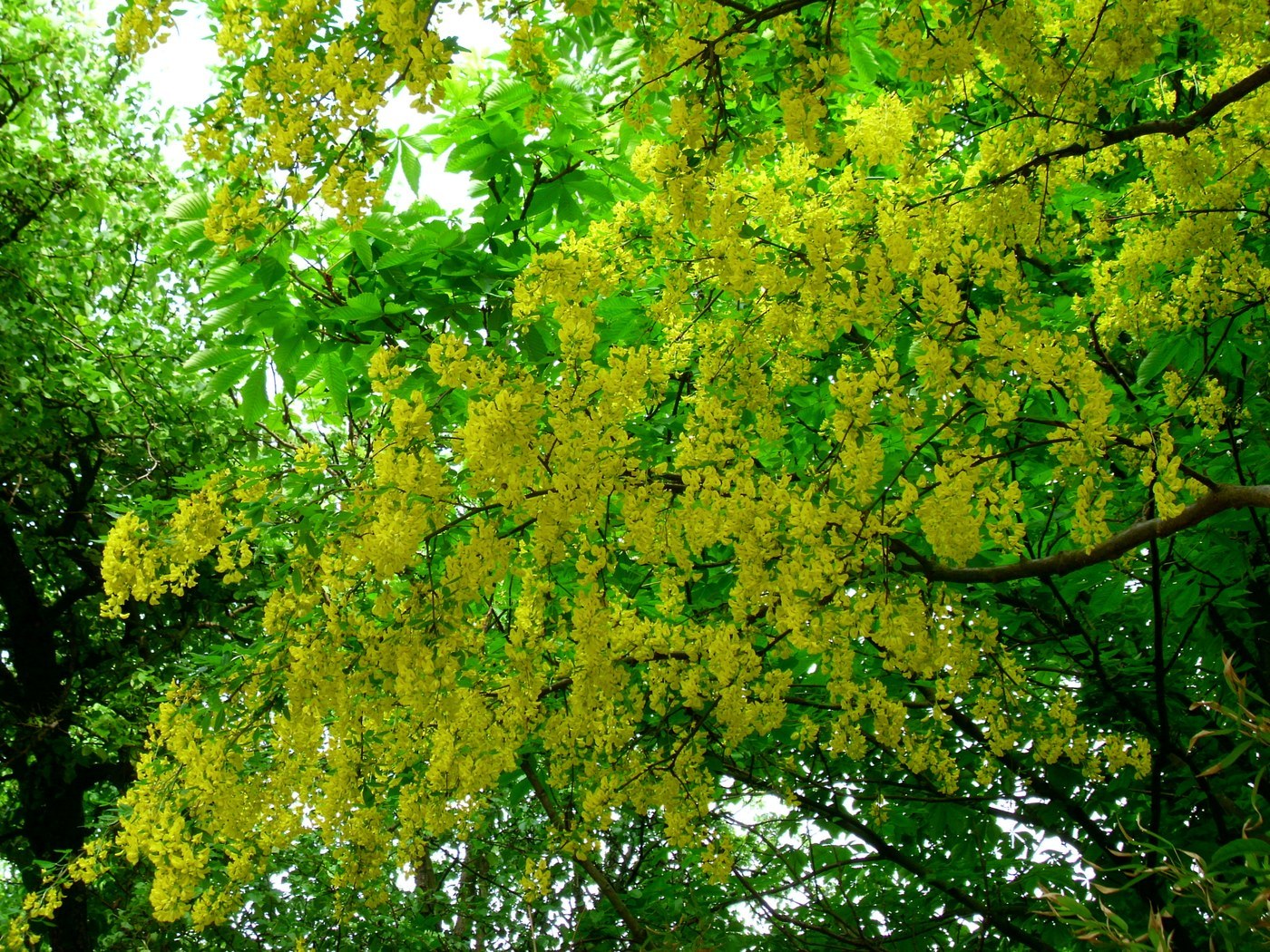
Golden Chain Tree
Laburnum anagyroides
A small deciduous tree that drips with long, hanging chains of brilliant yellow pea-like flowers in late spring.
- Light
- Full sun to partial shade
- Water
- Moderate; keep evenly moist
- Difficulty
- Moderate
Got a plant like this?
Identify any plant from a photo, free.
Overview
The golden chain tree, Laburnum anagyroides, is a small deciduous tree in the legume family (Fabaceae), grown almost entirely for its spectacular late-spring bloom. Long, pendulous clusters (racemes) of bright yellow, pea-shaped flowers hang from the branches like golden chains.
It reaches about 15-25 ft (4.5-7.5 m) and has an open, often vase-shaped crown. The hybrid Laburnum x watereri 'Vossii' is the most widely planted form because of its especially long flower chains and reduced seed set.
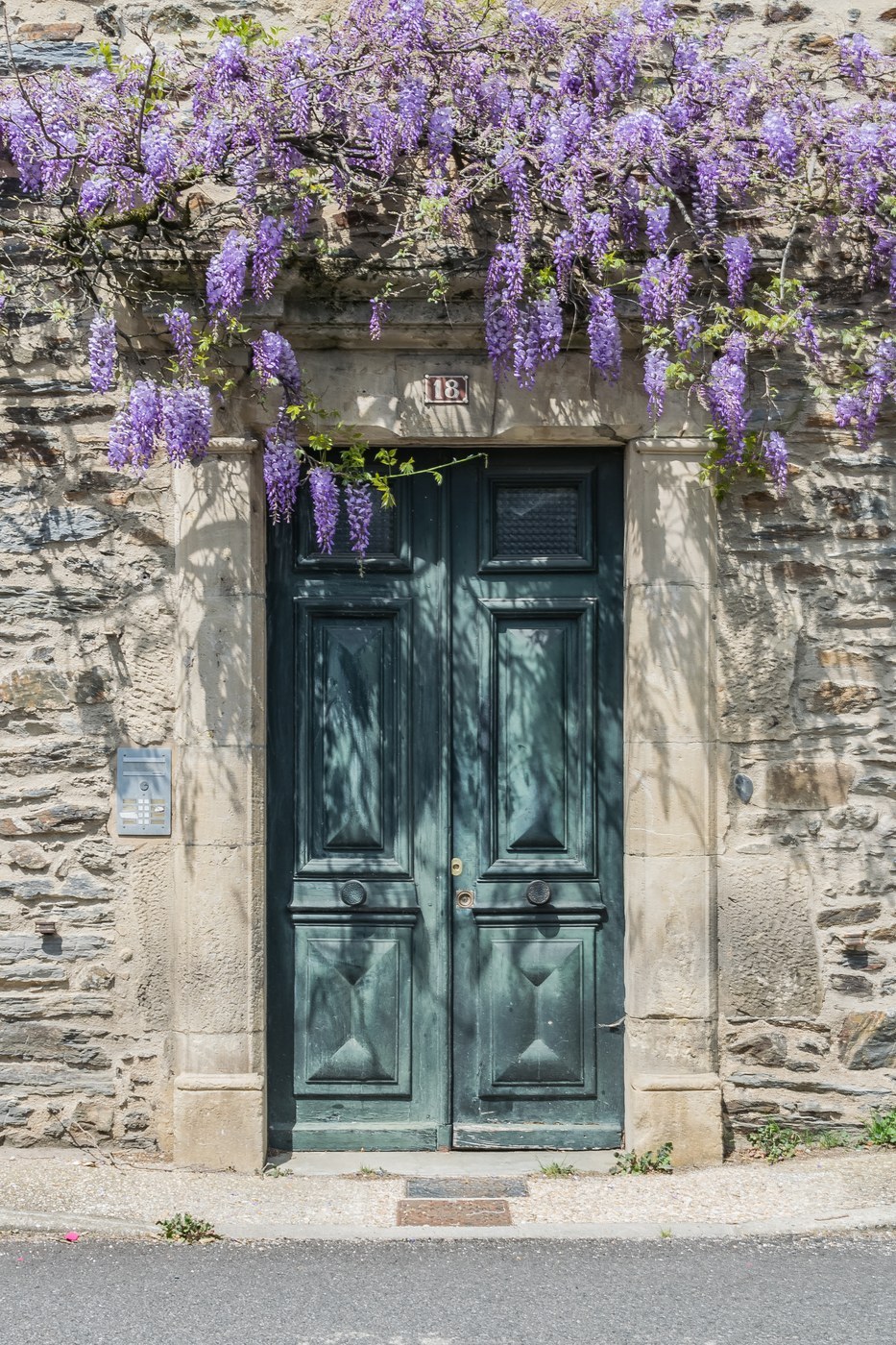
Famously, laburnum is used to create dramatic flowering tunnels in formal gardens.
How to identify it
- Flowers: Long pendulous racemes 6-24 in (15-60 cm) of bright yellow, pea-like blossoms in late spring
- Leaves: Compound, with three leaflets (clover-like trifoliate), soft green
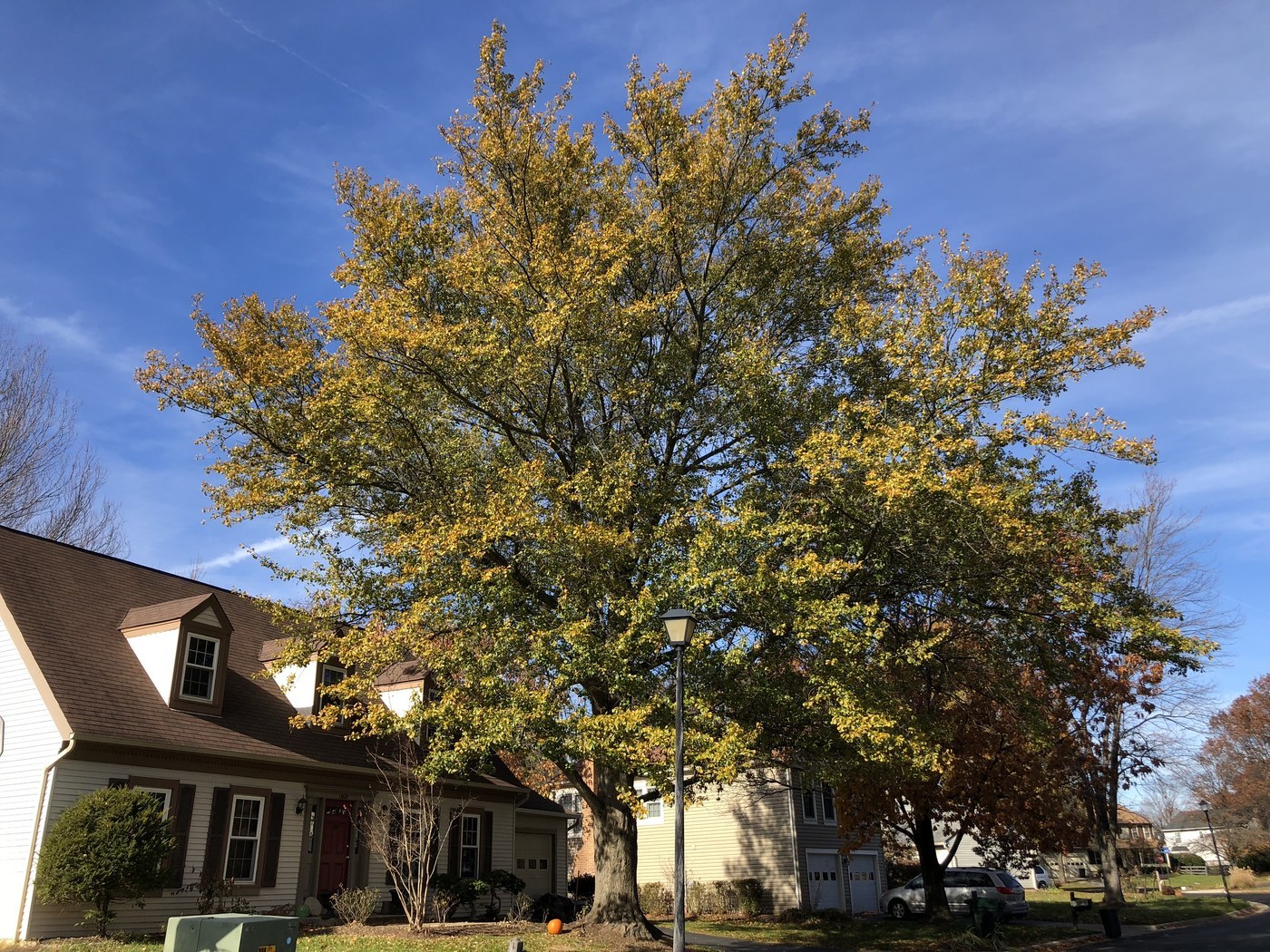
- Habit: Small tree, 15-25 ft, with an open, vase-shaped crown
- Pods: Slender bean-like seed pods that follow flowering, containing dark seeds
- Bark: Smooth, greenish-brown when young
Care & growing
Light: Full sun to light shade; best flowering in full sun.
Water: Prefers consistently moist but well-drained soil; water during dry spells.
Soil: Tolerates a range of soils including alkaline, but needs good drainage.
Temperature: Hardy in USDA zones 5-7; dislikes very hot, humid summers.
Feeding: Minimal; as a legume it fixes nitrogen.
Pruning & propagation: Prune lightly after flowering to shape; avoid heavy cuts. Propagate cultivars by grafting and species by seed.
Habitat & origin
Laburnum anagyroides is native to the mountains of central and southern Europe, where it grows on rocky slopes and in open woodland, often on limestone soils.
It is widely cultivated as an ornamental in cool-temperate regions of Europe and North America, valued in formal gardens and famous for arched laburnum walkways such as the one at Bodnant Garden in Wales.
Frequently asked questions
How do I get the longest flower chains?
Grow it in full sun with even moisture and choose the cultivar Laburnum x watereri 'Vossii', which produces especially long racemes.
Why are the leaves dropping in summer?
Laburnum dislikes hot, dry, humid conditions and may shed leaves under heat stress. Keep it watered and avoid overly hot exposures.
How long does the bloom last?
The dramatic display lasts roughly two to three weeks in late spring, so it is a short but intense show.
Golden Chain Tree guides
In-depth guides for identifying, growing, and caring for Golden Chain Tree.
How to Care for Golden Chain Tree
Grow the Golden Chain Tree (Laburnum anagyroides) for its cascading golden-yellow flower chains in a sunny, well-drained garden spot.
Golden Chain Tree Identification Guide
Identify the golden chain tree (Laburnum) by its long hanging chains of bright yellow pea flowers, clover-like trifoliate leaves, and flat bean-like pods.