Jacob's Ladder
Polemonium caeruleum
Jacob's ladder is a graceful perennial named for its neat, ladder-like rows of paired leaflets. In late spring it bears clusters of bell- to cup-shaped blue, white or pink flowers, making it a fine choice for cottage and woodland-edge gardens.
- Light
- Part shade to full sun
- Water
- Regular; keep evenly moist
- Difficulty
- Easy
Got a plant like this?
Identify any plant from a photo, free.
Overview
Jacob's ladder (Polemonium caeruleum) is a clump-forming perennial in the phlox family, named for its distinctive foliage: the small leaflets are arranged in opposite, evenly spaced pairs along the leaf stalk, resembling the rungs of a ladder, a reference to the biblical ladder to heaven.
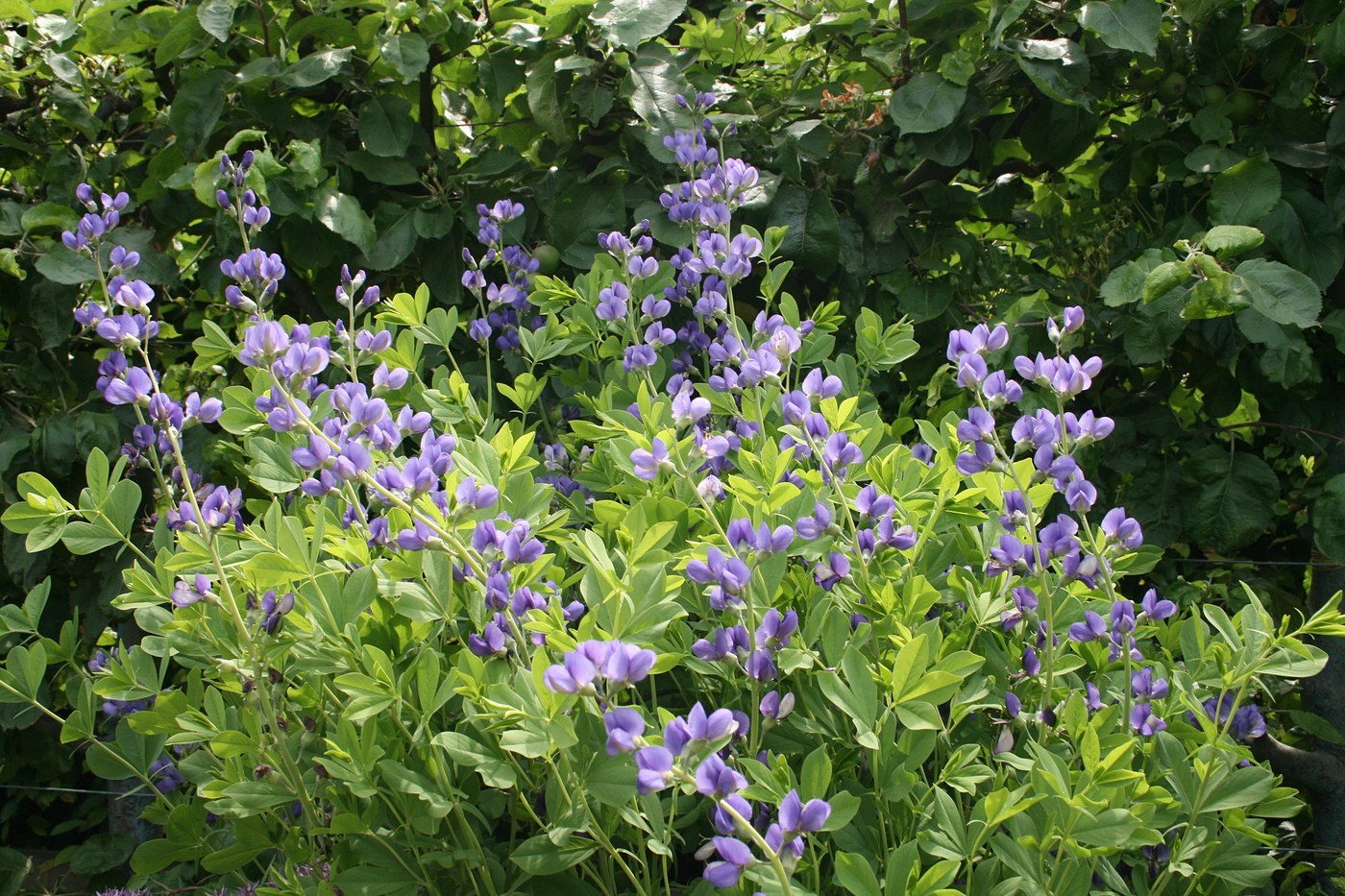
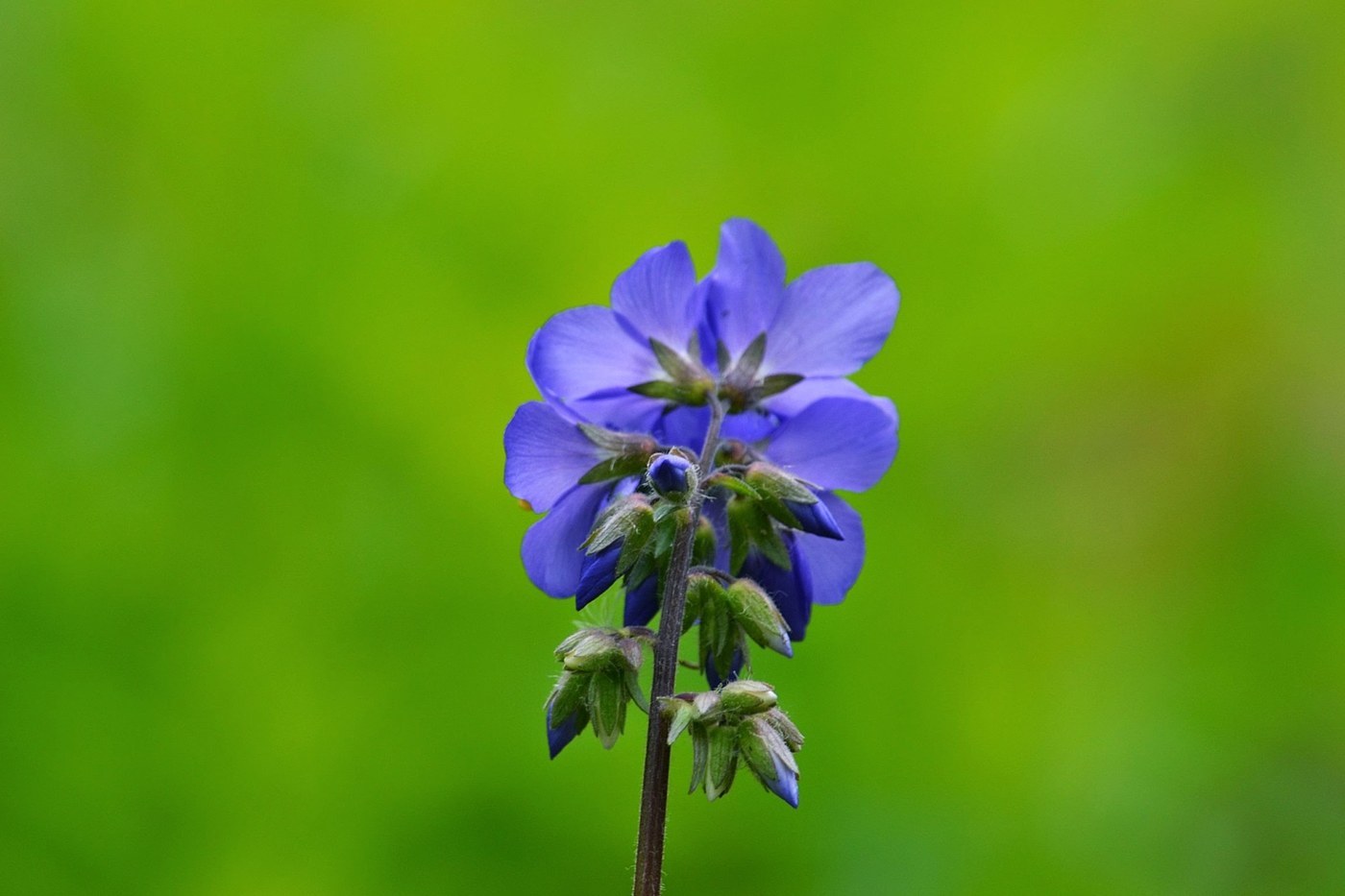
In late spring and early summer it produces loose clusters of nodding, bell-shaped flowers, most often in a clear sky blue with bright yellow stamens, though white and pink forms exist.
It is an easygoing, cool-climate plant that suits the front or middle of partly shaded borders.
How to identify it
Ladder-like leaves are the key feature.
- Leaves: Pinnate, with many small leaflets arranged in neat opposite pairs like the rungs of a ladder
- Flowers: Open bell- to cup-shaped, in loose clusters, usually sky blue with yellow stamens; also white or pink
- Habit: Upright clumps usually 1.5-2.5 ft tall; dwarf and variegated forms exist
- Bloom time: Late spring into early summer
Care & growing
Easy in cool, moist conditions.
- Light: Partial shade to full sun; afternoon shade is best in hot regions
- Water: Regular; keep soil consistently moist, never bone dry
- Soil: Rich, humus-rich, well-drained soil
- Temperature: Hardy in USDA zones 3-8; prefers cool summers
- Feeding: Light; a spring compost mulch helps
- Propagation: Division in spring or fall, or from seed
- Tip: Deadhead after flowering to tidy the plant and encourage possible rebloom
Habitat & origin
Jacob's ladder is native to temperate Europe and Asia, growing in damp meadows, woodland edges, and along stream banks and moist grassland. Related species are native to North America.
It is widely grown in cottage gardens, woodland-edge plantings, and shaded borders throughout cool temperate regions.
Frequently asked questions
Why is it called Jacob's ladder?
The paired leaflets are arranged like the rungs of a ladder, evoking the biblical story of Jacob's ladder reaching to heaven.
Does Jacob's ladder prefer sun or shade?
It does well in partial shade to full sun. In hot climates, give it afternoon shade and steady moisture to prevent stress.
Will Jacob's ladder rebloom?
Deadheading after the first flush can encourage a lighter second bloom, though its main display is in late spring and early summer.
Is Jacob's ladder easy to grow?
Yes, it's a low-maintenance perennial as long as it has cool, moist, humus-rich soil and isn't allowed to dry out.
Jacob's Ladder guides
In-depth guides for identifying, growing, and caring for Jacob's Ladder.

How to Care for Jacob's Ladder
A graceful woodland perennial with ladder-like foliage and clusters of blue bell-shaped flowers in late spring.
Jacob's Ladder Identification Guide
How to identify Jacob's ladder (Polemonium) by its ladder-like rows of paired leaflets and clusters of cup-shaped blue (or white) flowers with bright yellow stamens.