Japanese Black Pine
Pinus thunbergii
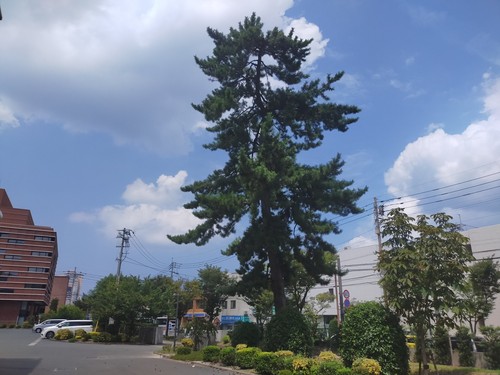
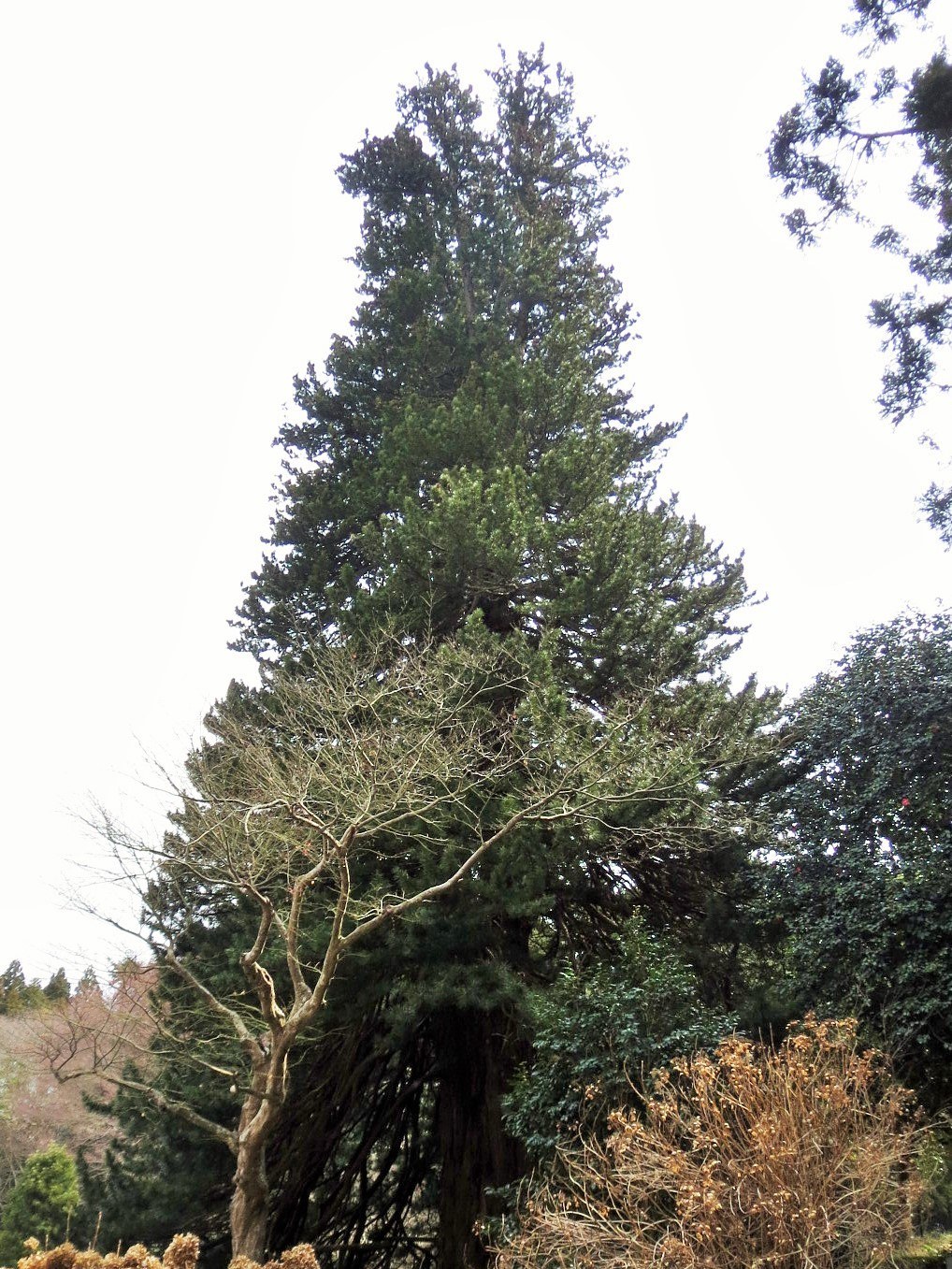
Japanese Black Pine is a rugged coastal conifer with dark bark, stiff needles, and a picturesque irregular form. It is a classic bonsai and ornamental tree highly tolerant of salt and wind.
- Light
- Full sun
- Water
- Low to moderate; drought and salt tolerant
- Difficulty
- Moderate
Got a plant like this?
Identify any plant from a photo, free.
Overview
Japanese Black Pine (Pinus thunbergii) is an evergreen conifer native to coastal Japan and South Korea. It is renowned for its rugged, sculptural appearance and exceptional tolerance of salt spray, wind, and sandy soils.
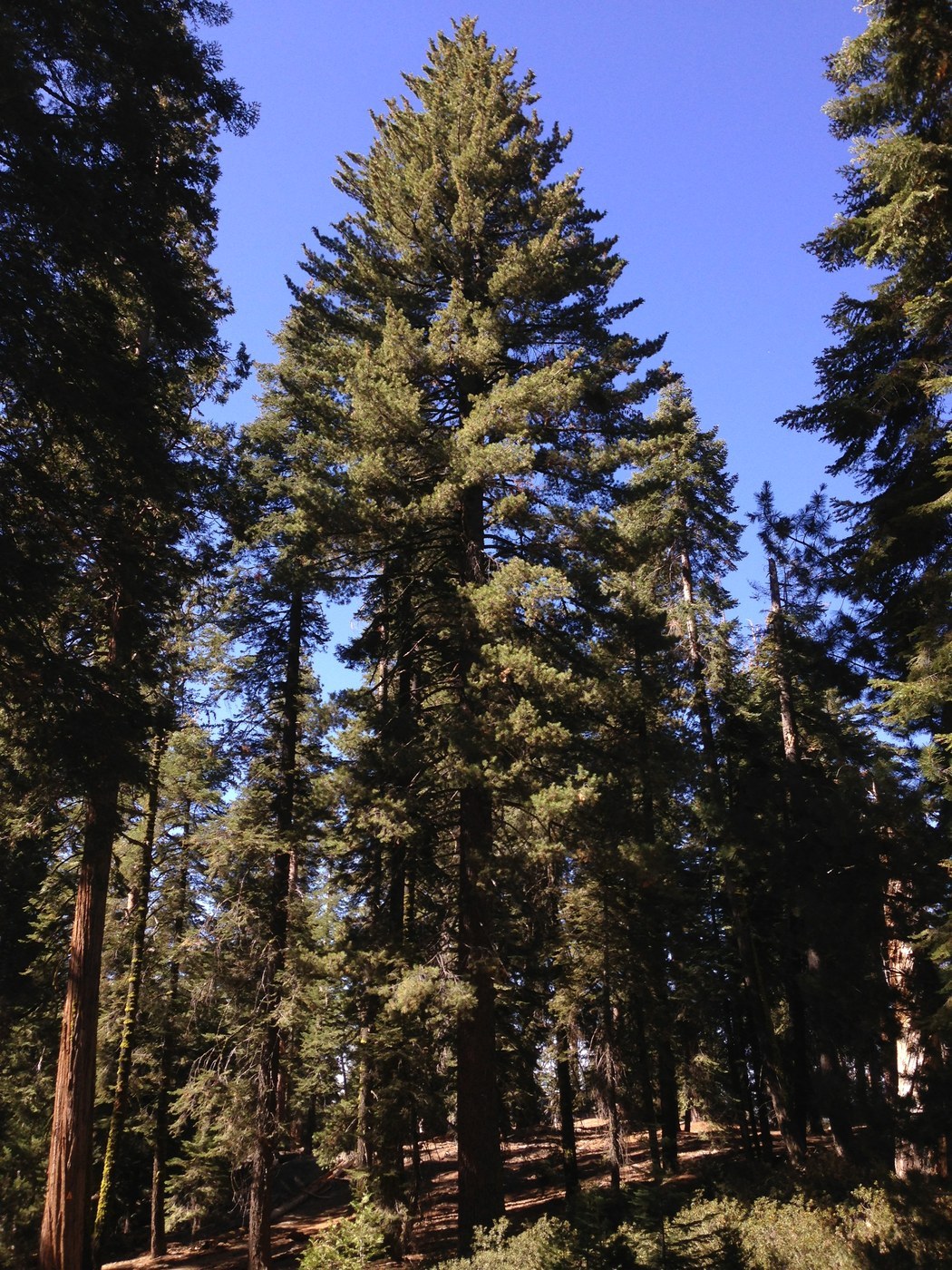
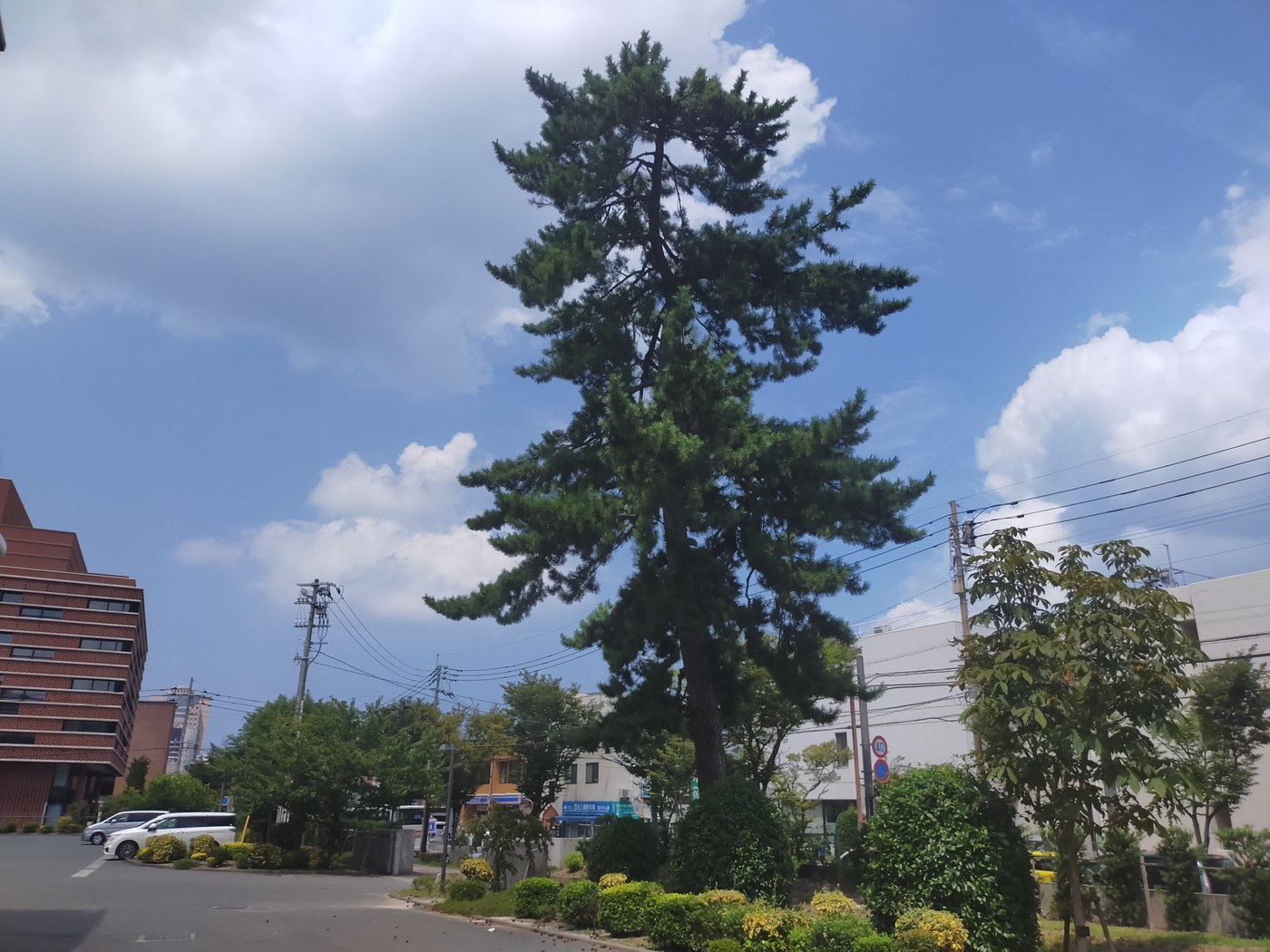
In the landscape it forms an irregular, often picturesquely twisted tree 20 to 40 feet tall, with dark grey-black fissured bark and dense, stiff dark green needles. Its silvery-white spring candles are a distinctive feature.
It is one of the most celebrated trees in Japanese gardening and is among the most popular species for bonsai, prized for the dramatic character it develops with training.
How to identify it
Identified by dark bark, sharp paired needles, and white candles.
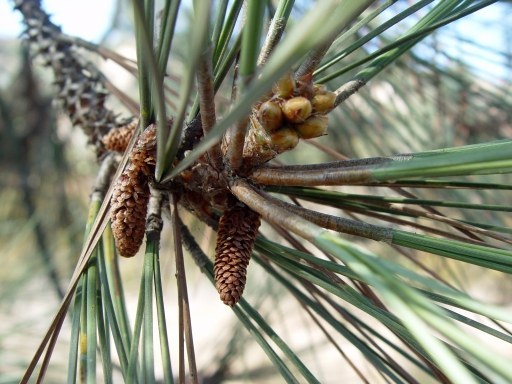
- Needles: Stiff, sharp, dark green needles 3 to 5 inches long in pairs (bundles of two)
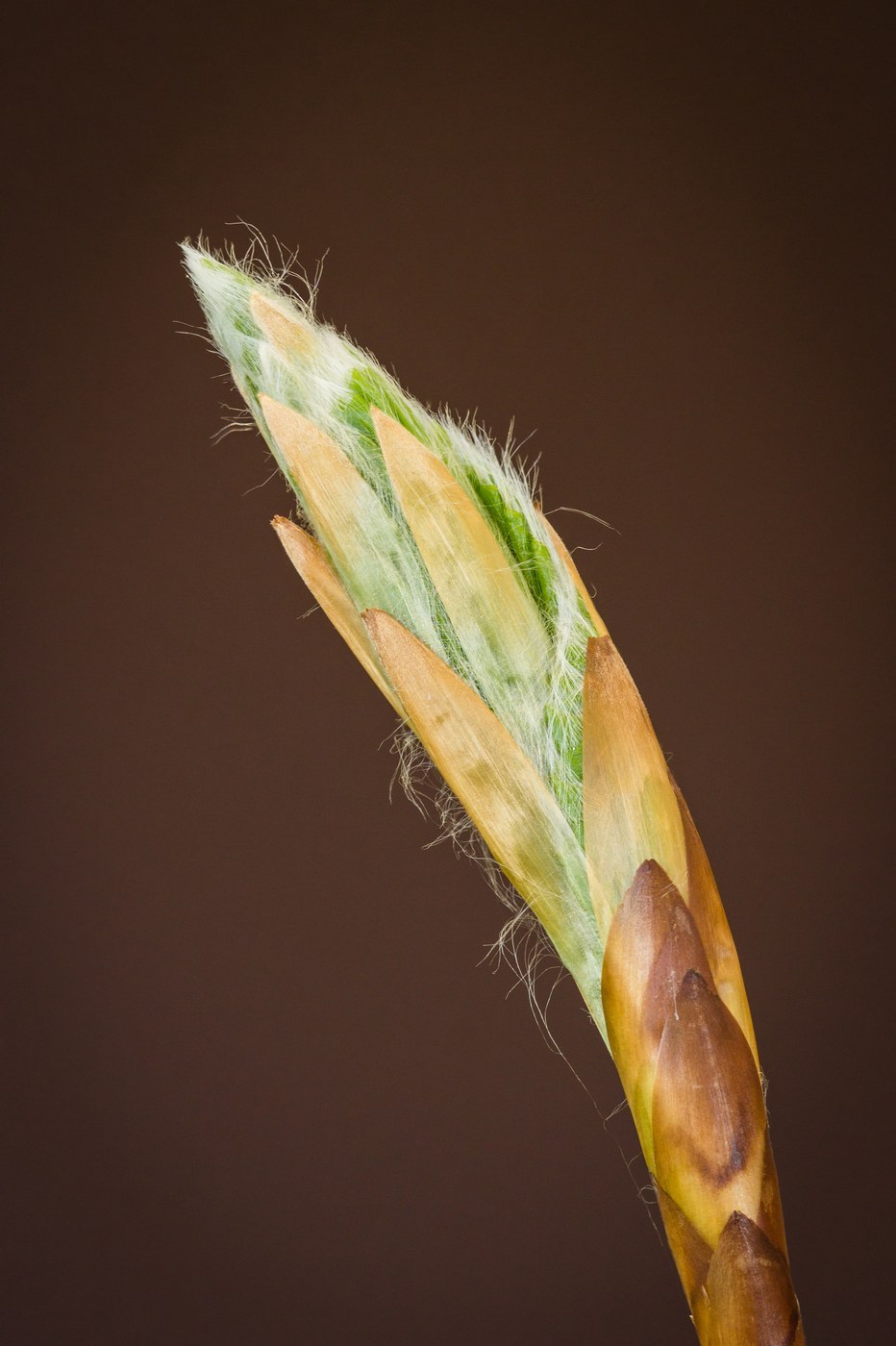
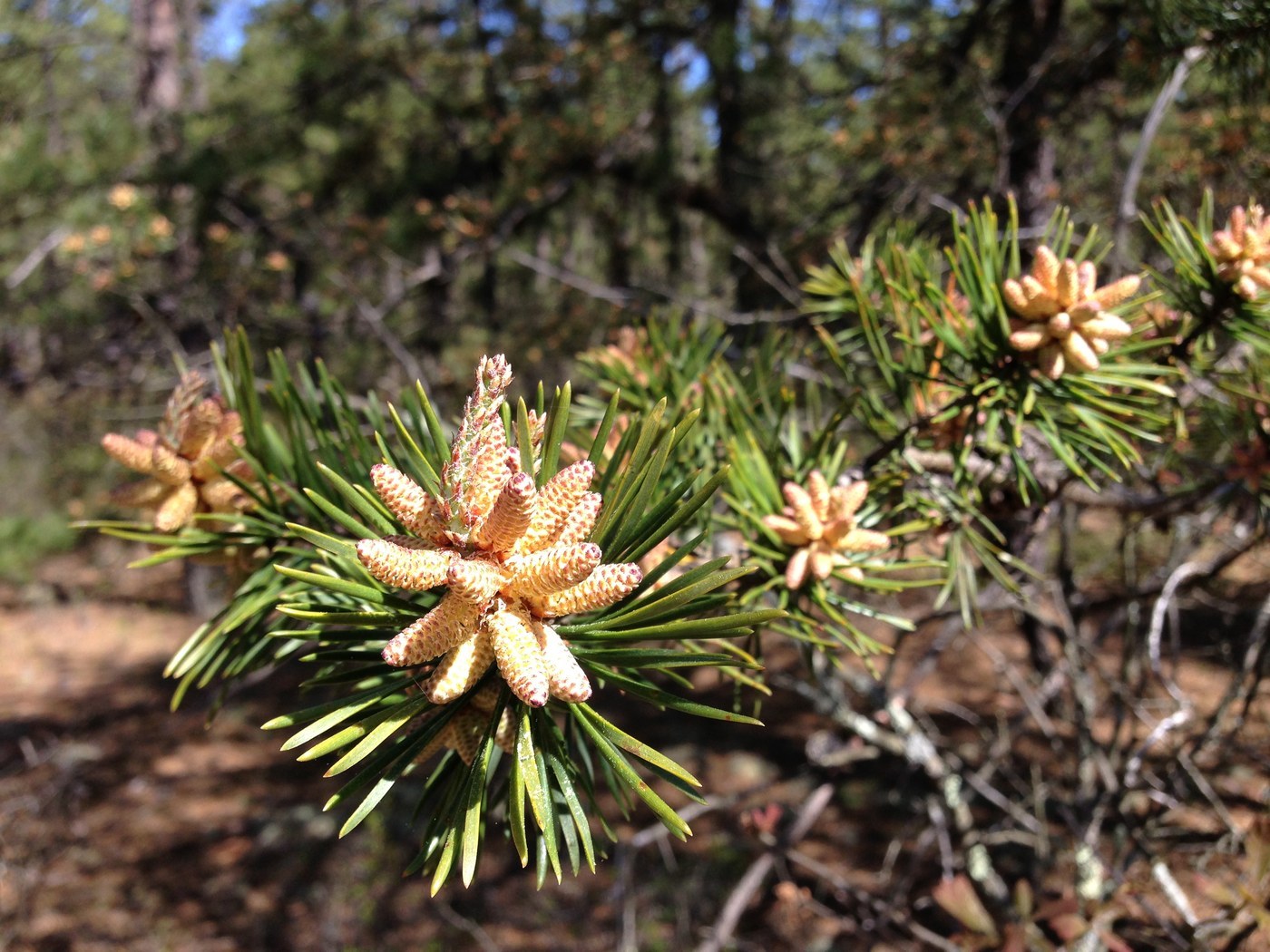
- Buds/Candles: Prominent silvery-white, cylindrical new-growth candles in spring, a key identifying trait
- Bark: Dark grey to nearly black, thick and deeply fissured into plates
- Form: Irregular, often leaning or twisted, picturesque crown
- Size: 20 to 40 feet in cultivation; larger in the wild
Care & growing
Tough but benefits from sun and good drainage; rewards careful pruning.
- Light: Full sun is essential
- Water: Drought tolerant once established; avoid wet, poorly drained soil
- Soil: Well-drained, even sandy or poor soils; very salt tolerant
- Temperature: Hardy in USDA zones 5 to 8; thrives in coastal heat
- Feeding: Light feeding; in bonsai, feeding is timed to control vigor
- Pruning: Responds well to candle-pinching and needle-pruning to refine shape
- Propagation: From seed; cultivars grafted
Habitat & origin
Native to coastal regions of Japan and South Korea, where it grows on sandy shores, dunes, and rocky headlands exposed to salt-laden wind.
It is widely planted along coasts as a windbreak and erosion control, in Japanese-style gardens worldwide, and is one of the most popular conifers for bonsai cultivation.
Frequently asked questions
Why is it popular for bonsai?
Its strong response to pruning, rugged dark bark, and ability to develop dramatic, characterful trunks and branches make it one of the most prized species for bonsai.
Can it handle coastal conditions?
Exceptionally well. It is one of the most salt- and wind-tolerant pines, naturally growing on dunes and headlands, making it ideal for seaside planting.
What are the white tips in spring?
Those are the new growth candles. Their silvery-white color is a distinctive identifying feature of Japanese black pine.
Does it need full sun?
Yes. It demands full sun to stay healthy and dense and does not tolerate shade well.
Japanese Black Pine guides
In-depth guides for identifying, growing, and caring for Japanese Black Pine.