Lawson Cypress
Chamaecyparis lawsoniana
Lawson Cypress, or Port Orford Cedar, is a tall, graceful conifer of the Pacific Northwest with flattened, fern-like fragrant foliage. It has produced hundreds of garden cultivars in many colors and forms.
- Light
- Full sun to part shade
- Water
- Moderate; consistent moisture, good drainage
- Difficulty
- Moderate
Got a plant like this?
Identify any plant from a photo, free.
Overview
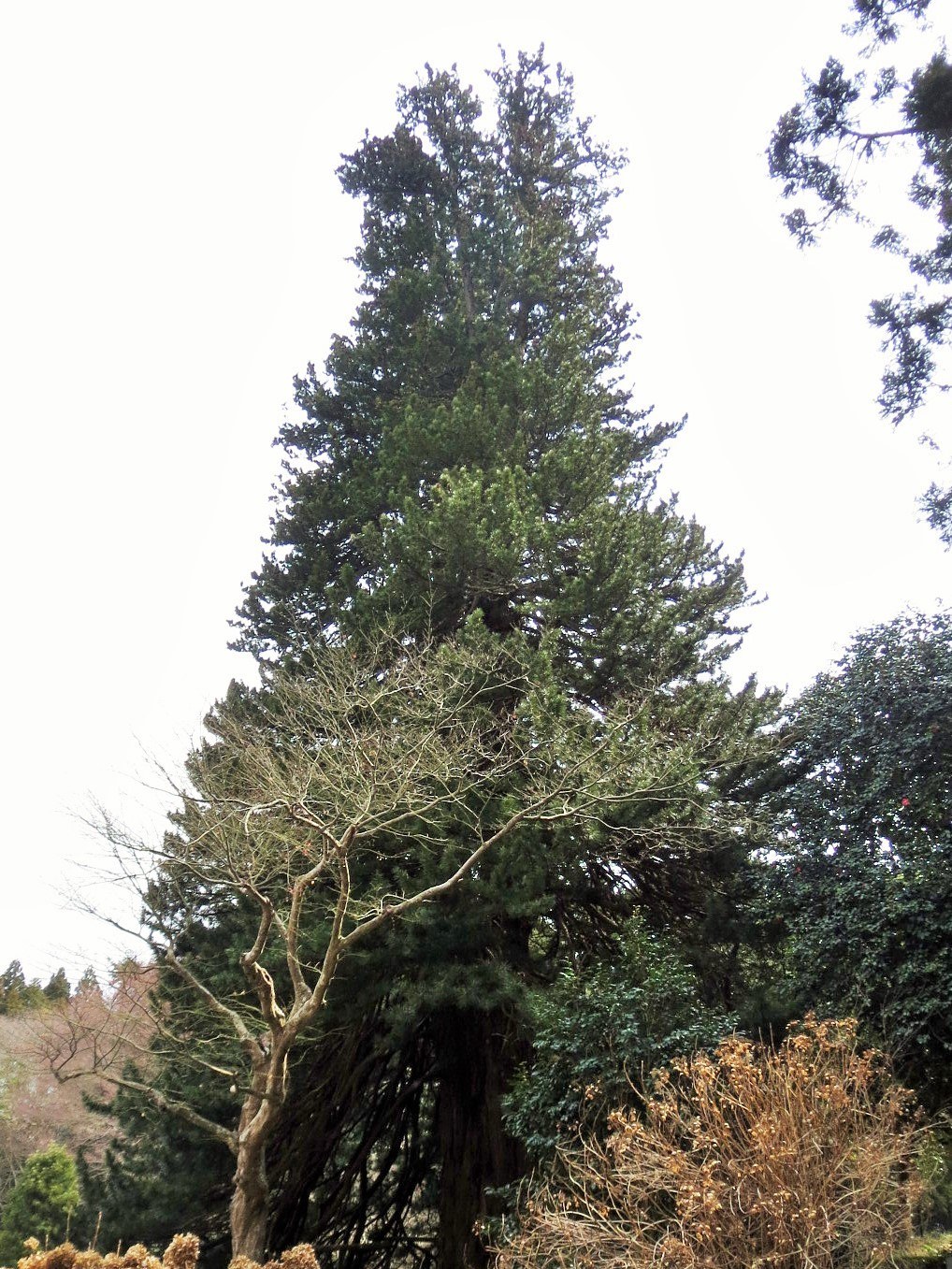
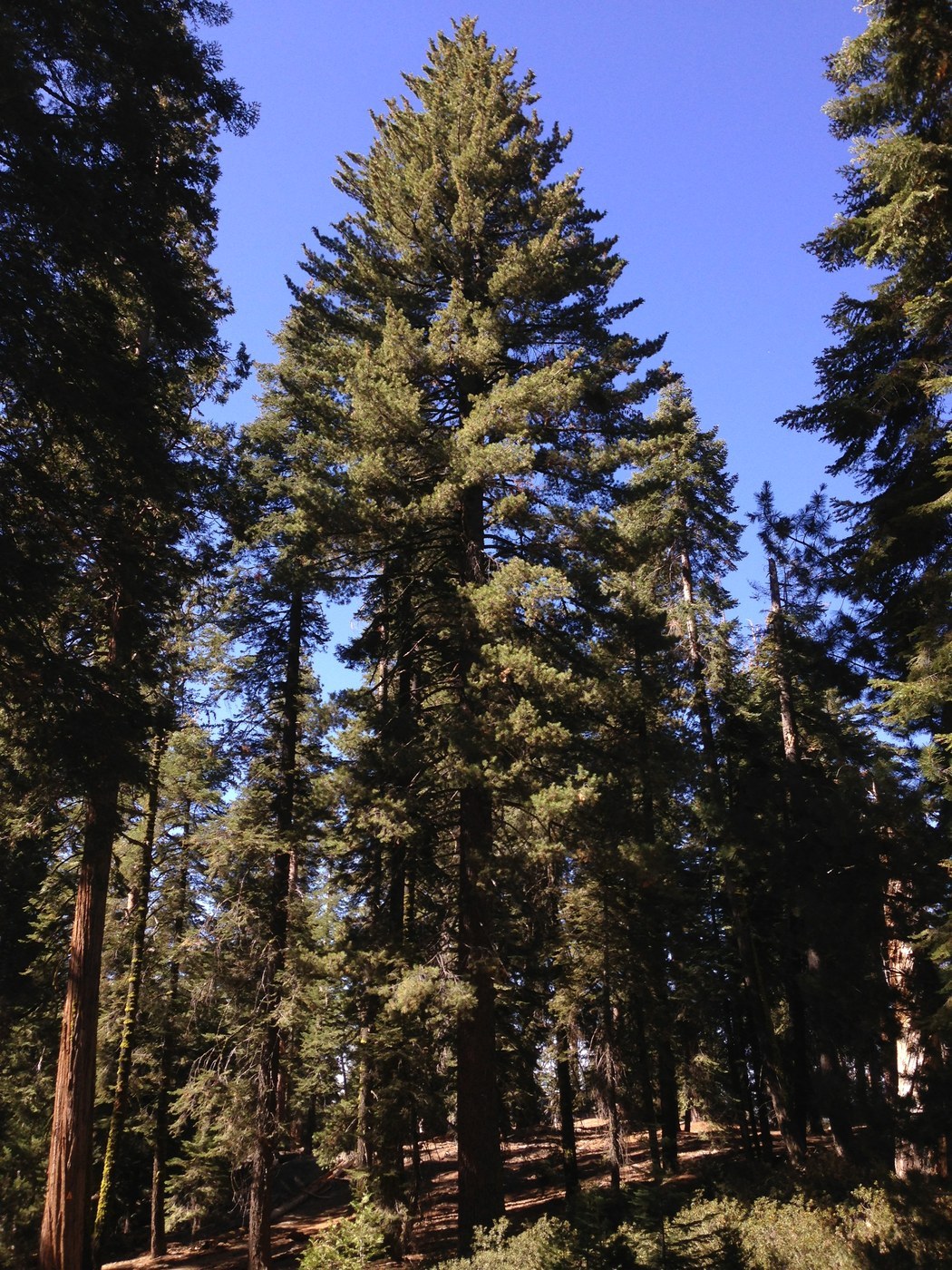
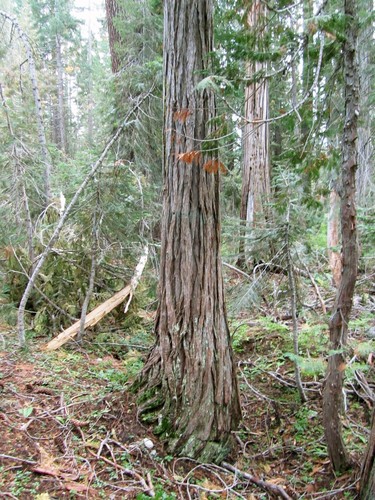
Lawson Cypress (Chamaecyparis lawsoniana), known in its native range as Port Orford Cedar, is a tall, slender evergreen conifer from a limited area of the Pacific Northwest, reaching up to 200 feet in old-growth forest.
It is admired for its soft, flat, fern-like sprays of aromatic foliage and a graceful, often drooping-tipped habit.
More than any other conifer it has produced an enormous range of garden cultivars, in colors from blue and gold to green and in shapes from dwarf globes to narrow columns.
How to identify it
- Foliage: Flattened, fern-like sprays of tiny scale leaves, often with a parsley or resinous scent; undersides show white X-shaped stomatal markings
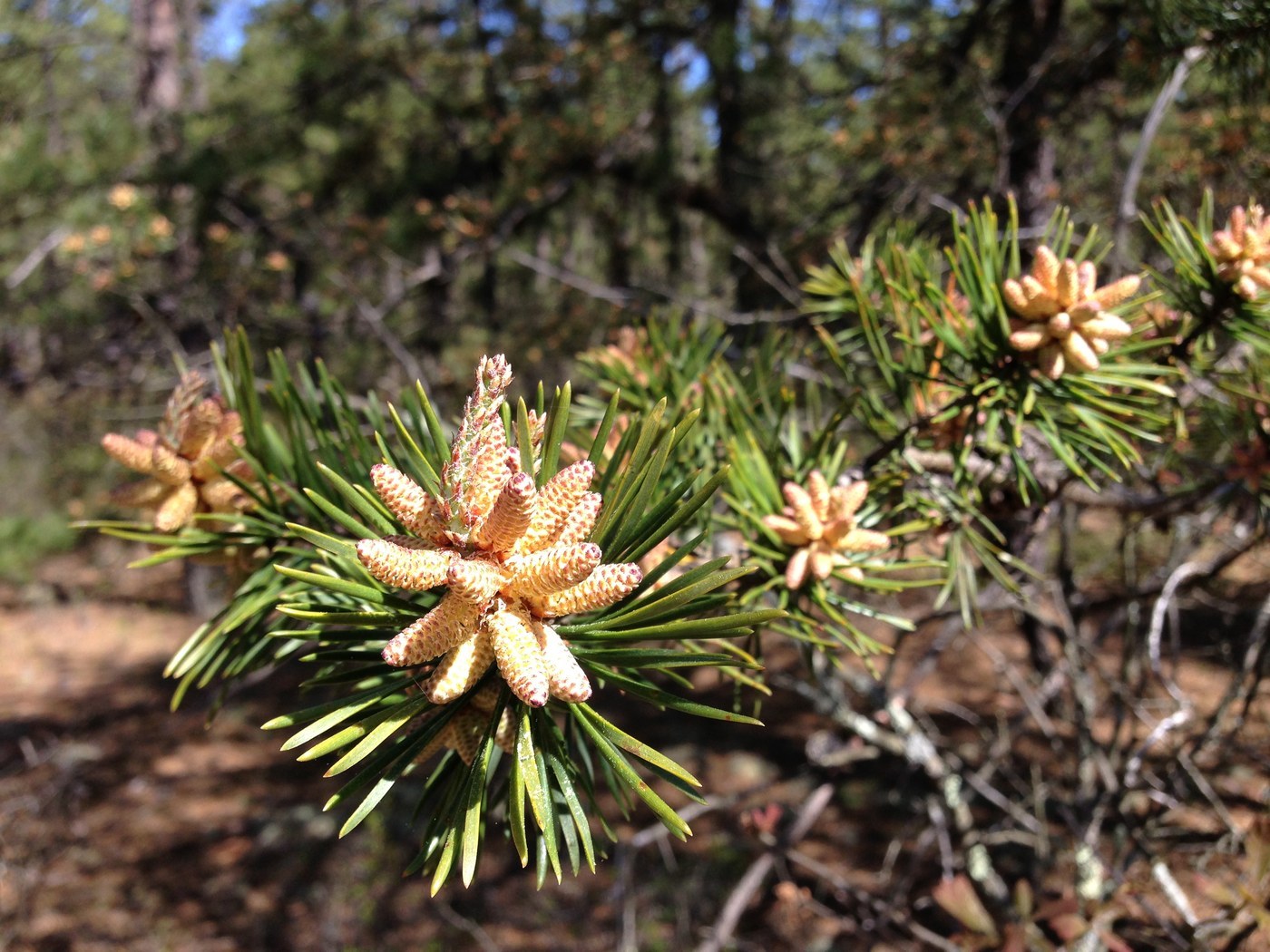
- Cones: Small, round, woody cones about 1/3 inch across, blue-green ripening to brown
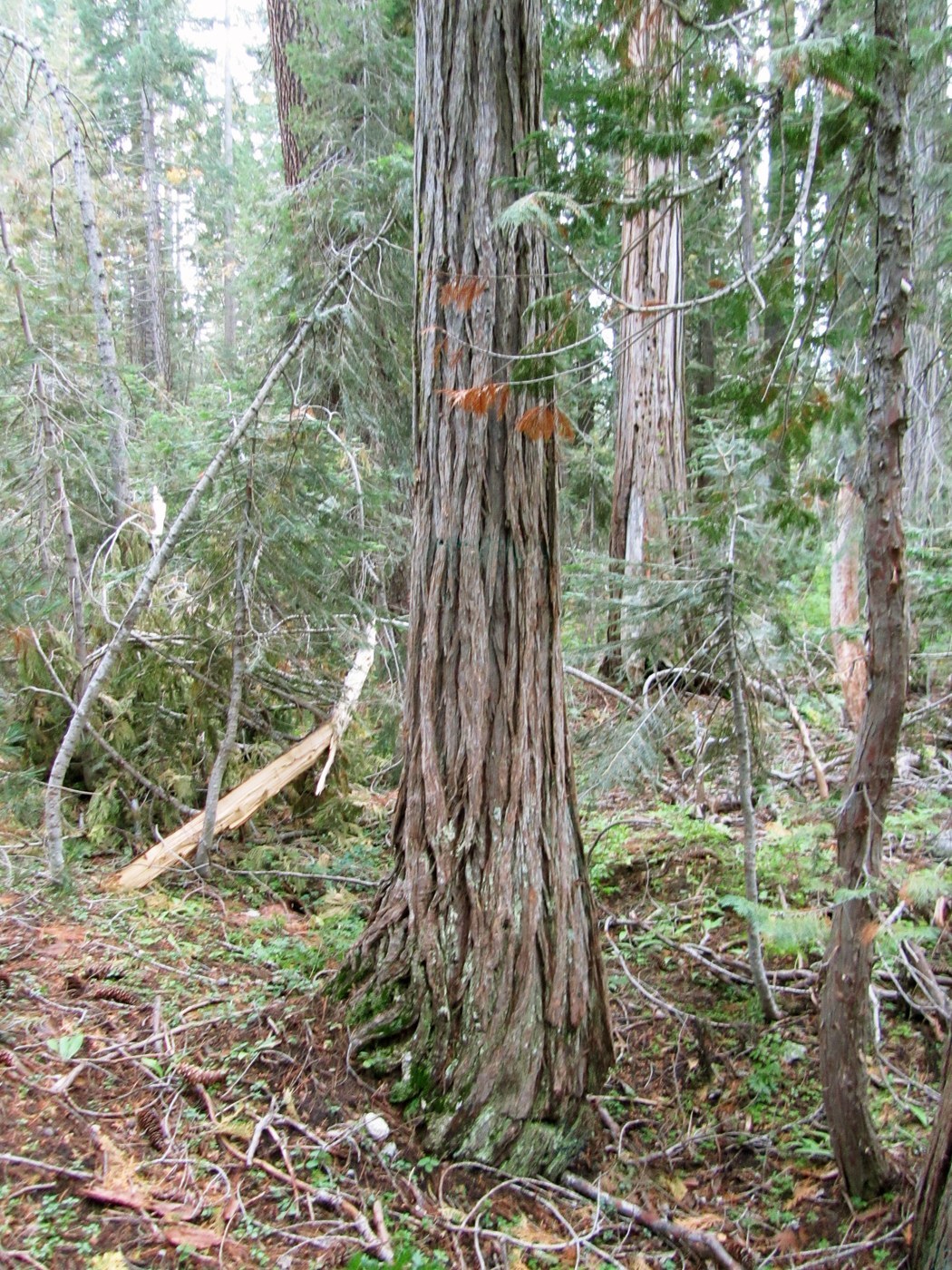
- Bark: Reddish-brown, fibrous, furrowed, thick on old trees
- Habit: Tall, narrow, conical with drooping leader and branch tips
- Cultivars: Hundreds, varying widely in color (blue, gold, green) and size
Care & growing
Prefers cool, moist, humid conditions and good drainage.
- Light: Full sun to part shade; colored cultivars color best in good light
- Water: Consistent moisture; dislikes drought and hot, dry air
- Soil: Moist, fertile, well-drained, slightly acidic soil
- Temperature: Hardy in USDA zones 5 to 7; prefers cool maritime climates
- Feeding: Light spring feeding if needed
- Propagation: Cuttings (for cultivars) or seed
It is vulnerable to Phytophthora lateralis root disease, a serious water-borne pathogen, so avoid wet, poorly drained, or contaminated soils.
Habitat & origin
Native to a restricted range in southwestern Oregon and northwestern California, where it grows in moist coastal and montane forests along streams and on slopes, often with redwood and Douglas-fir.
It is widely planted ornamentally across temperate regions, especially in Britain and Europe, where its many cultivars are garden mainstays.
Frequently asked questions
Is Lawson Cypress the same as Port Orford Cedar?
Yes. Lawson Cypress is the common horticultural name, while Port Orford Cedar is the name used in its native Pacific Northwest range; both refer to Chamaecyparis lawsoniana.
Why are there so many Lawson Cypress varieties?
It is exceptionally variable in cultivation and has produced hundreds of named cultivars ranging in color from blue to gold and in form from dwarf buns to tall columns.
What disease threatens Lawson Cypress?
It is highly susceptible to Phytophthora lateralis, a water-borne root rot that has killed many native trees; avoid wet, poorly drained, or infected soils.
How can I tell it from other cypresses?
Look for flat, fern-like foliage sprays with white X-shaped marks on the undersides, drooping branch tips, and small round cones about a third of an inch wide.
Lawson Cypress guides
In-depth guides for identifying, growing, and caring for Lawson Cypress.
How to Care for Lawson Cypress
Grow Lawson Cypress (Chamaecyparis lawsoniana): a graceful evergreen conifer with soft, feathery, aromatic foliage for screens and specimens.
Lawson Cypress Identification Guide
Identify Lawson Cypress (Chamaecyparis lawsoniana) by its flat ferny foliage sprays with white X-marks beneath, small round pea-sized cones, and drooping leading shoot.