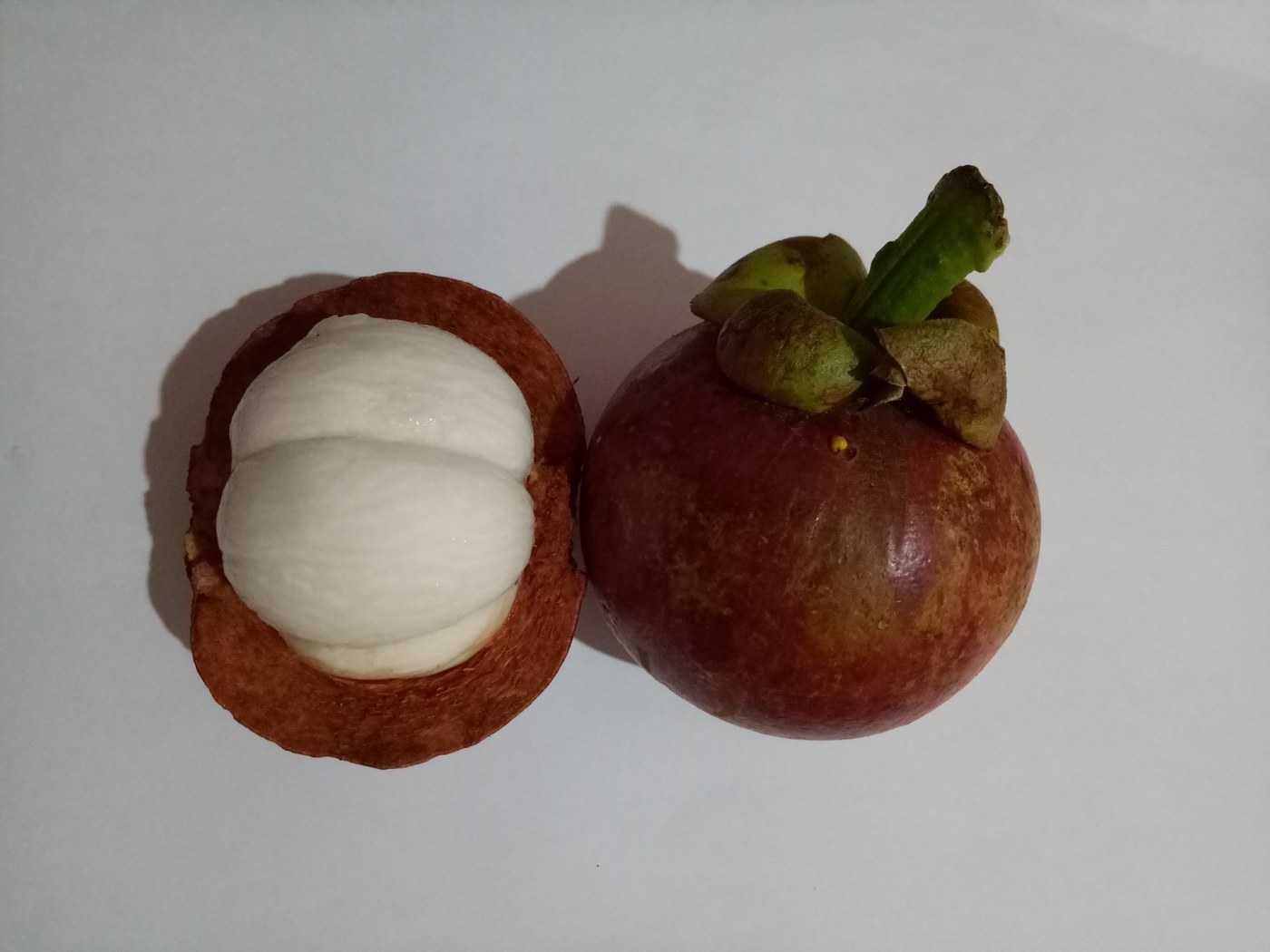
Mangosteen Tree
Garcinia mangostana
A slow-growing tropical evergreen known for its dark purple fruit with white segments. Notoriously demanding, it needs constant warmth and humidity and takes many years to fruit.
- Light
- Full sun to partial shade
- Water
- Frequent; keep soil consistently moist
- Difficulty
- Hard
Got a plant like this?
Identify any plant from a photo, free.
Overview
The mangosteen is a tropical evergreen tree native to Southeast Asia, grown as a fruiting orchard tree. Beneath its thick, leathery purple rind sits a cluster of white segments around the seeds.
It is one of the most difficult fruit trees to cultivate. The tree is intolerant of cold, drought, and transplanting, and seedlings can take 8 to 15 years to bear their first fruit. Because of this, commercial production remains concentrated in equatorial regions.
Mangosteen is strictly tropical, thriving only where temperatures stay warm and humidity is high year-round. It is grown more as a specialist orchard crop than a casual garden tree.
How to identify it
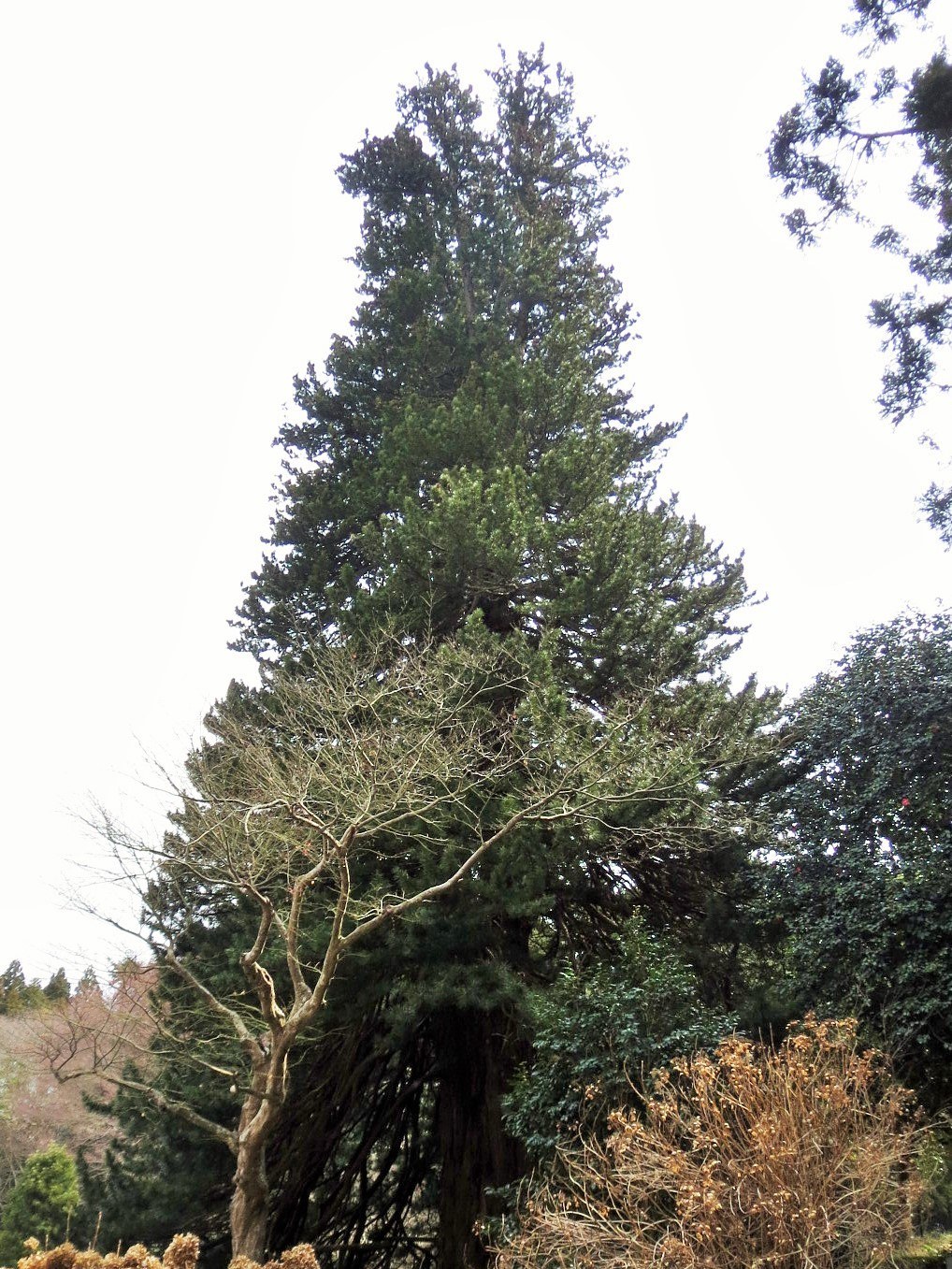
- Dense, pyramidal evergreen reaching 20 to 80 ft (6 to 25 m) in ideal conditions
- Large, glossy, leathery leaves arranged in opposite pairs, dark green above and yellowish beneath
- Thick, fleshy pink-to-red flowers borne singly or in pairs at branch tips
- Round fruit 5 to 7 cm across with a deep reddish-purple, woody rind
- Interior holds 4 to 8 soft, white, segmented aril; segment number is hinted by the petal-like marks on the fruit's base
- Yellow latex exudes from cut bark and unripe rind
Care & growing
Light: Full sun once mature, but young trees need partial shade for the first few years.
Water: Requires abundant, consistent moisture; never allow the root zone to dry out, but avoid waterlogging.
Soil: Deep, rich, well-drained loam high in organic matter, slightly acidic (pH 5.5 to 6.5).
Temperature: Strictly tropical; damaged below about 40 F (4 C) and ideal between 77 and 95 F (25 to 35 C) with high humidity.
Feeding: Regular applications of balanced organic fertilizer; sensitive to nutrient imbalance.
Propagation: Almost always from seed (recalcitrant, apomictic seeds that must be sown fresh); grafting is difficult and rarely successful.
Habitat & origin
Native to the Malay Archipelago and the tropical lowlands of Southeast Asia, including the Malay Peninsula, Indonesia, and the Philippines, though no true wild population is definitively known.
It naturally occupies humid, lowland tropical forest below about 1,500 ft (500 m). Today it is cultivated across Thailand, Malaysia, Indonesia, the Philippines, India, and to a limited extent in tropical zones of Central America and northern Australia.
Frequently asked questions
How long until a mangosteen tree fruits?
Seed-grown trees typically take 8 to 15 years to bear their first crop, which is why they are considered a long-term investment.
Can I grow mangosteen outside the tropics?
Realistically no in open ground. It is killed or badly damaged by even brief cool temperatures and needs constant warmth and humidity, so it is rarely successful outside true tropical climates.
Is mangosteen related to the mango?
No. Despite the similar name, mangosteen (Garcinia mangostana) is unrelated to the mango (Mangifera indica).
Mangosteen Tree guides
In-depth guides for identifying, growing, and caring for Mangosteen Tree.
How to Care for Mangosteen Tree
Grow the Mangosteen Tree (Garcinia mangostana), a slow, tropical evergreen with glossy leaves that demands warmth and constant moisture.
Mangosteen Tree Identification Guide
How to recognize the mangosteen tree (Garcinia mangostana) by its dense conical crown, thick leathery leaves, yellow latex, and the unmistakable purple-skinned fruit with a snowy-white interior.