Monterey Pine
Pinus radiata
Monterey Pine is a fast-growing California coastal pine that, though limited in the wild, has become the world's most widely planted plantation pine. It bears needles in threes and asymmetrical, long-lasting cones.
- Light
- Full sun
- Water
- Moderate; drought tolerant once established
- Difficulty
- Easy
Got a plant like this?
Identify any plant from a photo, free.
Overview
Monterey Pine (Pinus radiata) is native to a few small areas of the central California coast and offshore islands, yet it is the most extensively planted pine in the world thanks to its rapid growth in mild climates.
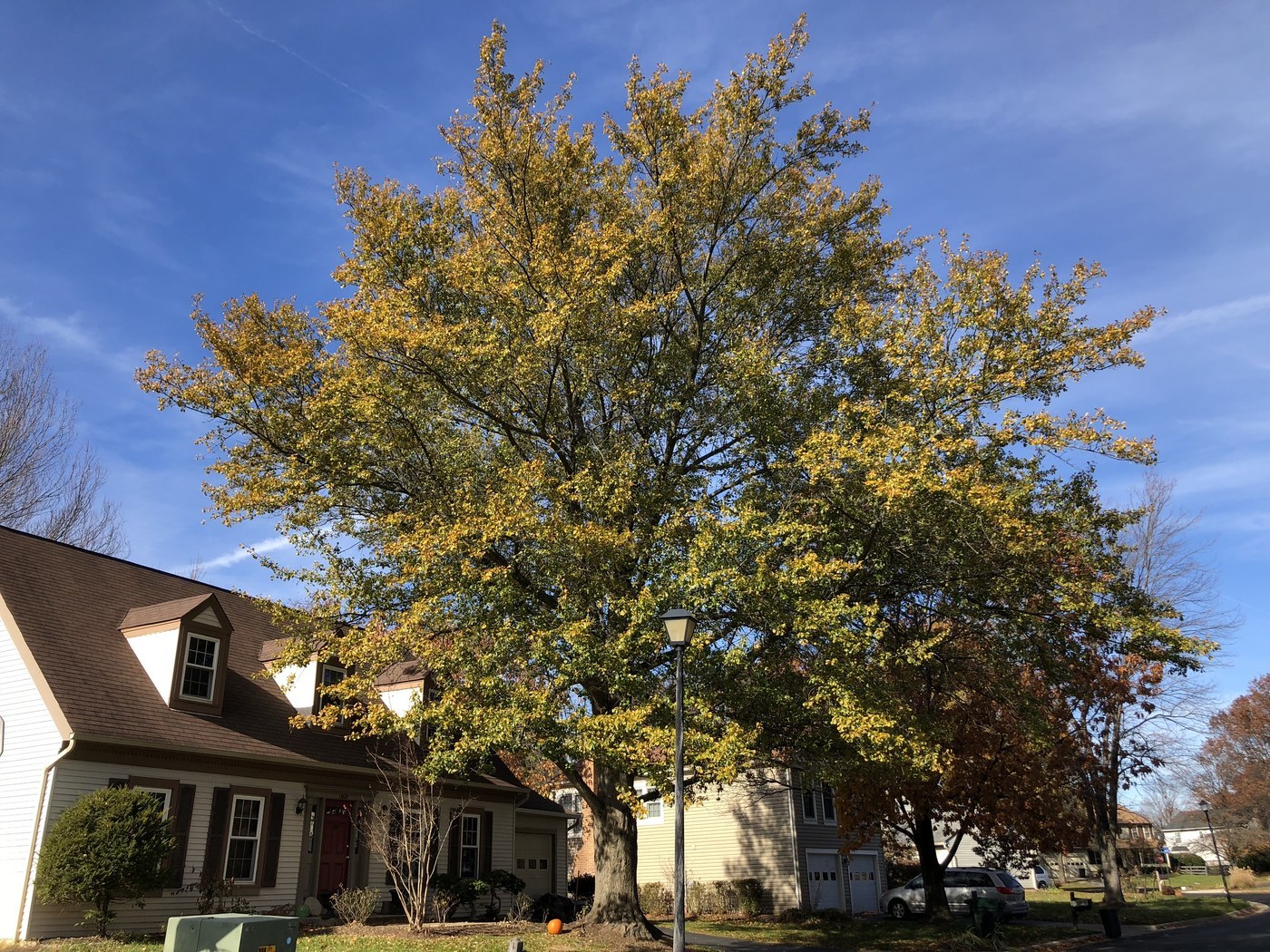
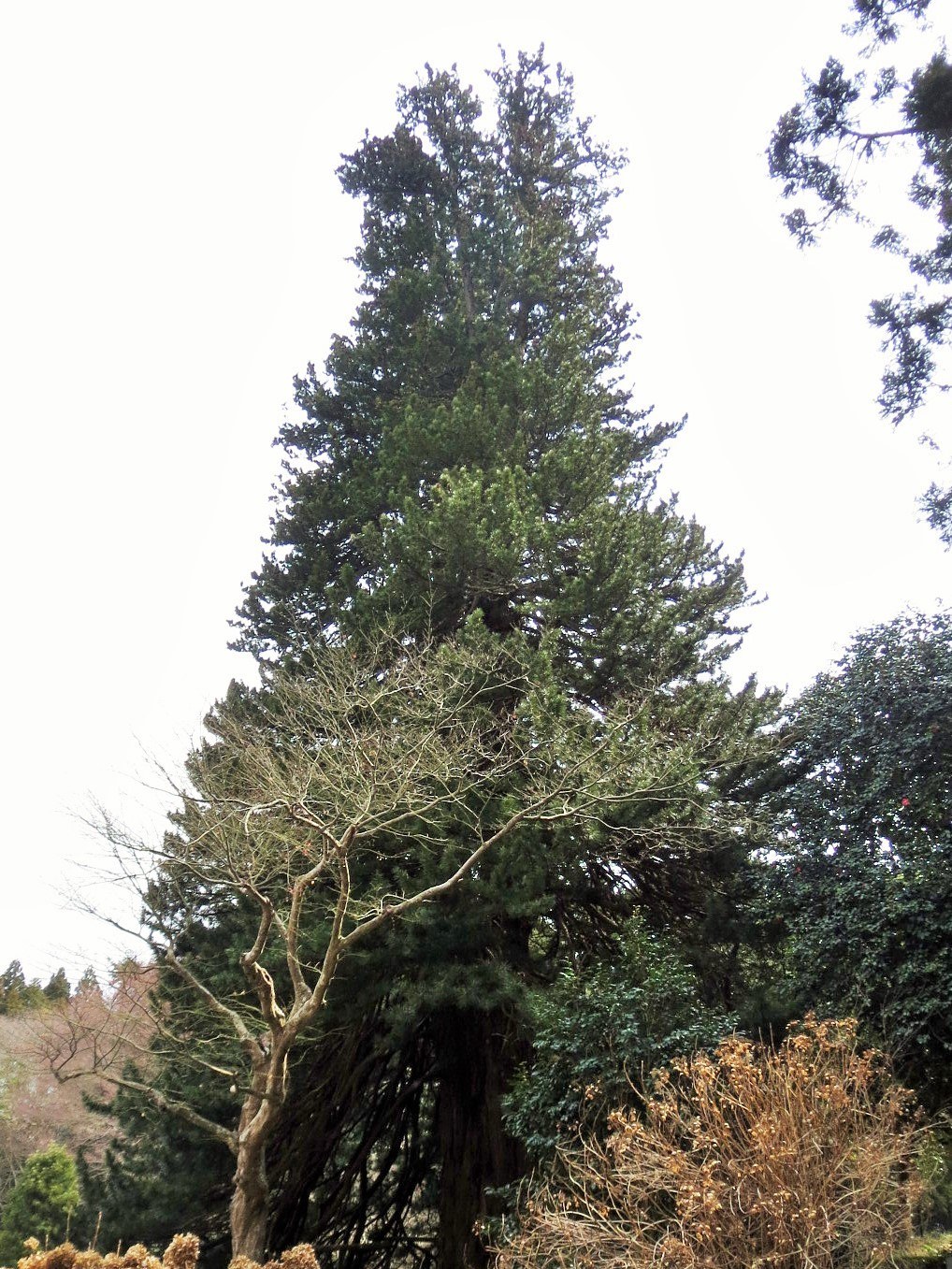
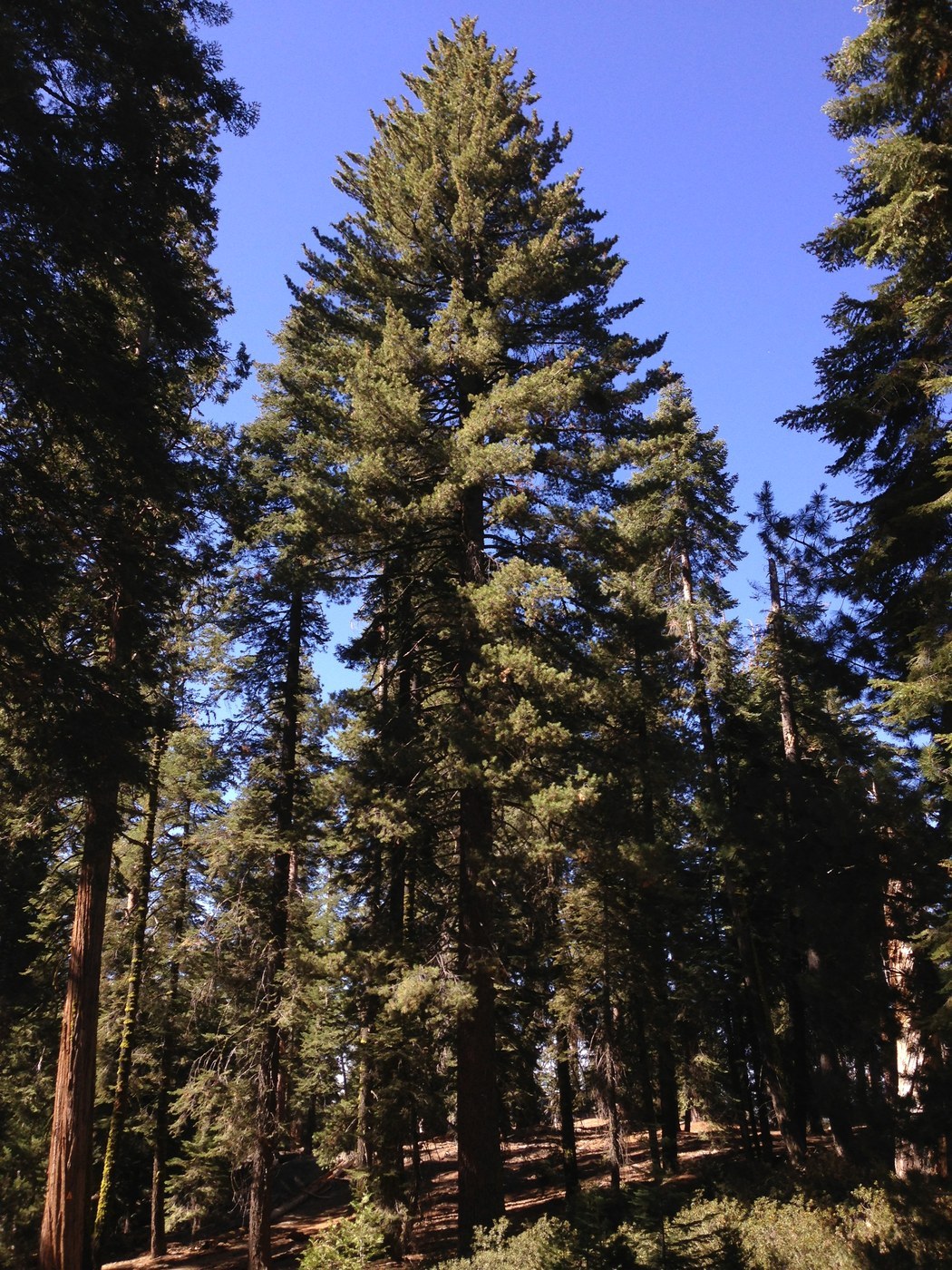
It forms a broad-crowned tree typically 50 to 100 feet tall, with bright green foliage and a vigorous, dense habit on favorable sites.
While endangered in its limited native range, it underpins huge timber industries in New Zealand, Australia, Chile, and Spain, where it grows far faster than at home.
How to identify it
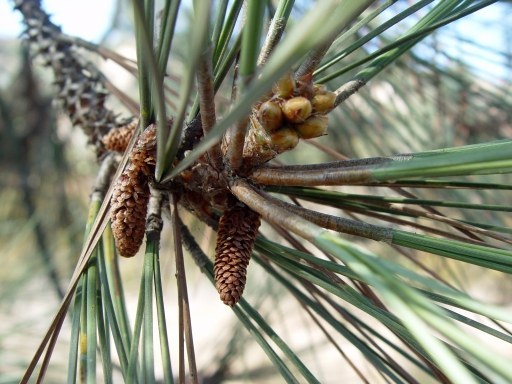
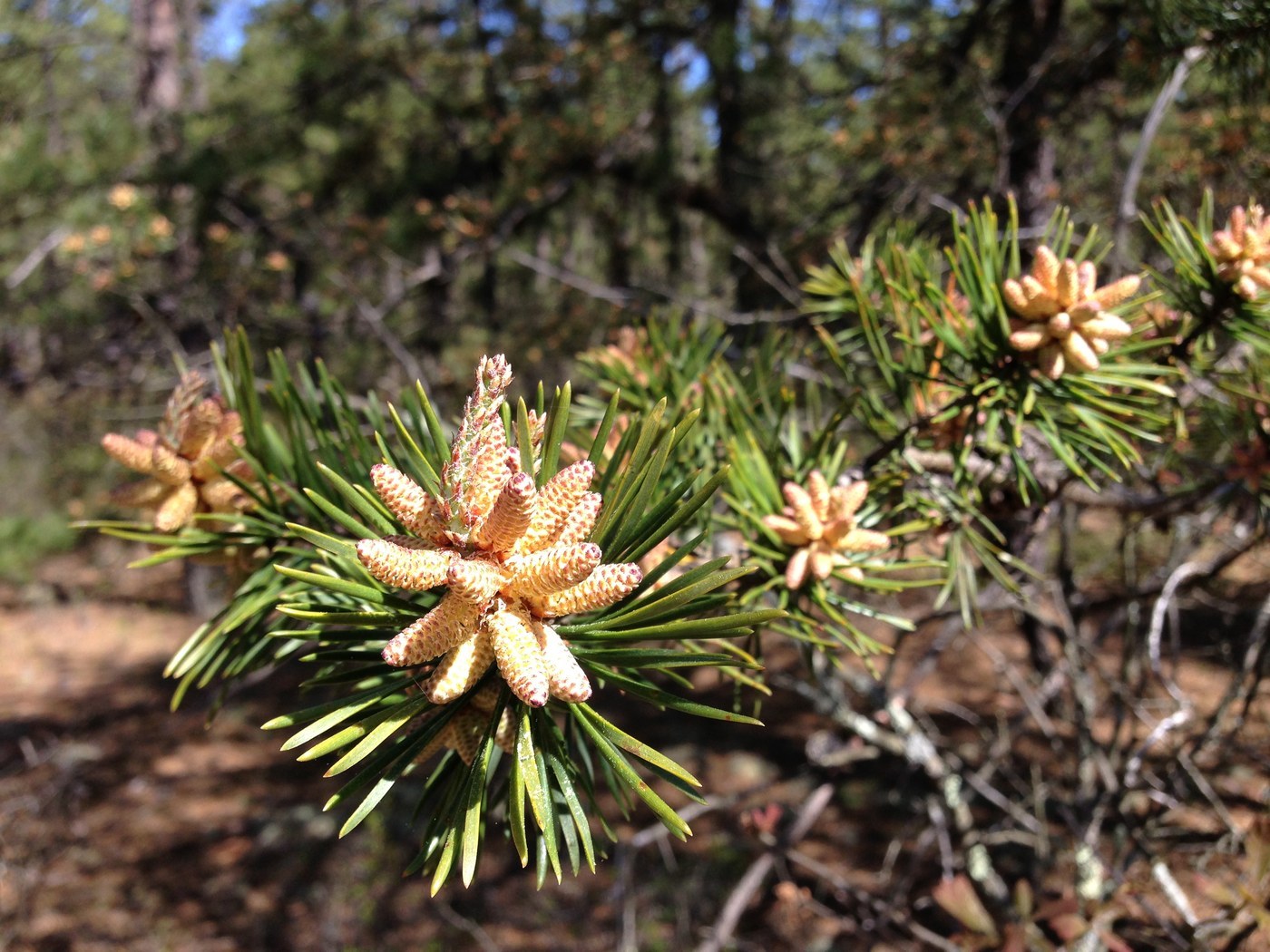
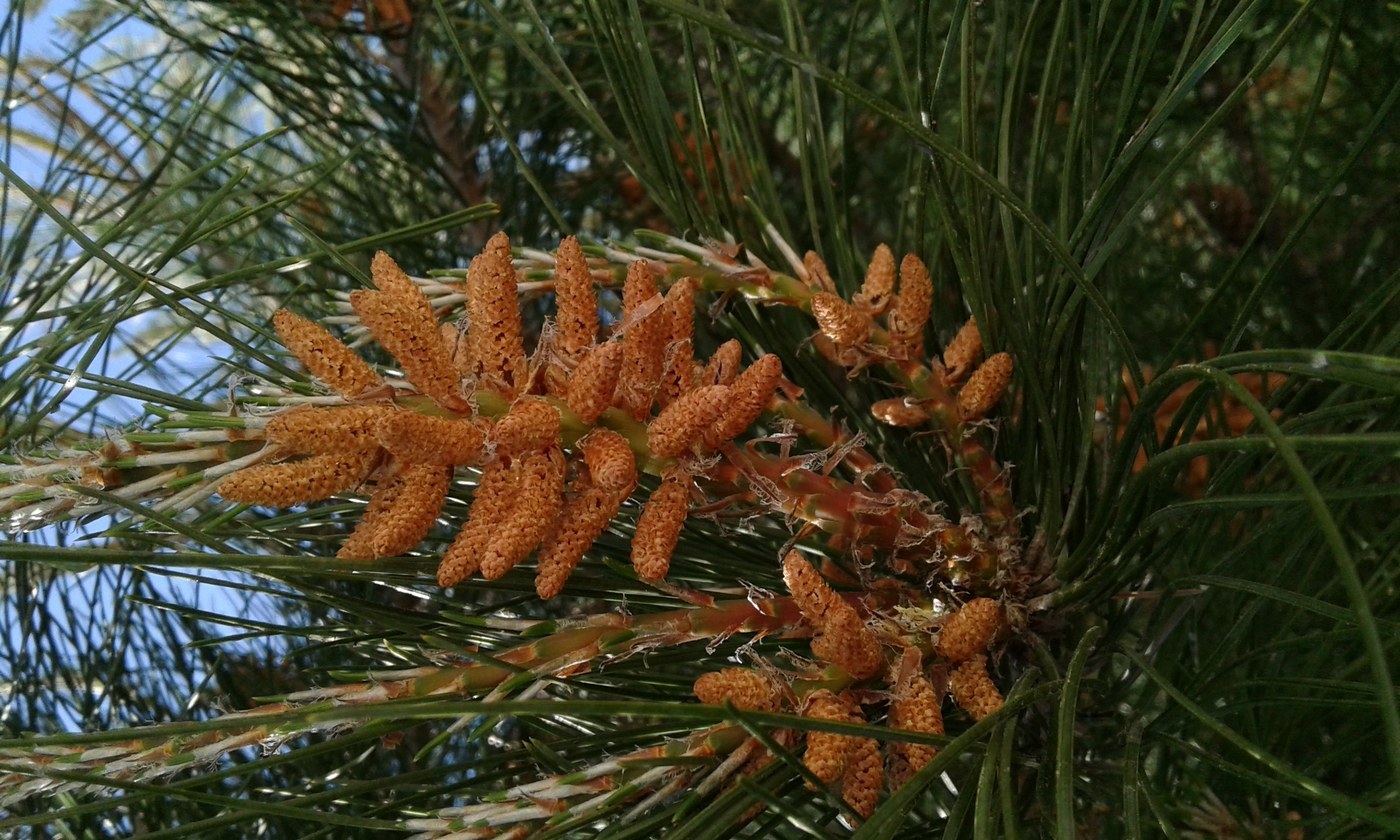
- Needles: Slender, bright green needles mostly in bundles of three, about 3 to 6 inches long
- Cones: Asymmetrical, woody, ovoid cones 3 to 6 inches long that cling to the branches for many years, sometimes opening only after fire
- Bark: Thick, deeply furrowed, dark gray-brown
- Habit: Fast-growing tree with a rounded to broad, dense crown
- Growth: Notably rapid, especially when young
Care & growing
Fast and easy in mild, frost-free maritime climates.
- Light: Full sun
- Water: Moderate when young; drought tolerant once established, though best with some moisture
- Soil: Tolerates a wide range; prefers well-drained, slightly acidic soil
- Temperature: Best in mild Mediterranean and coastal climates, roughly USDA zones 8 to 10; not very cold hardy
- Feeding: Rarely needed
- Propagation: From seed, which germinates readily
Its speed and dense canopy make it a good fast screen, but it can become large and is prone to pitch canker disease in some areas.
Habitat & origin
Native to a few small populations on the central California coast (notably the Monterey Peninsula) and two Mexican islands, where it grows in cool, foggy coastal conditions and is considered conservation-dependent.
It has been planted on millions of acres worldwide, dominating commercial forestry in New Zealand, Australia, Chile, South Africa, and parts of Spain.
Frequently asked questions
Why is Monterey Pine so widely planted if it's rare in the wild?
In its small native range it is conservation-dependent, but in mild climates abroad it grows extremely fast and straight, making it the world's most planted plantation pine.
How many needles per bundle does it have?
Monterey Pine usually bears needles in bundles of three, a key feature distinguishing it from two-needled pines like lodgepole.
Is Monterey Pine fast growing?
Yes, very. In favorable mild climates it is one of the fastest-growing pines, which is why it dominates commercial softwood forestry in several countries.
Why do old cones stay on the tree?
Its asymmetrical cones are partly serotinous, often staying closed and attached for years and releasing seed after heat or fire.
Monterey Pine guides
In-depth guides for identifying, growing, and caring for Monterey Pine.
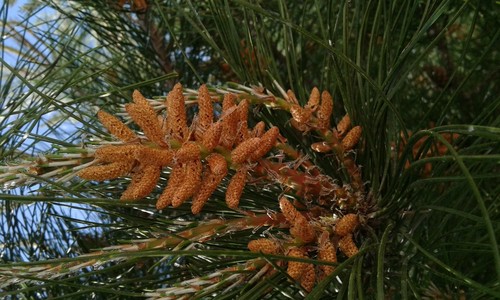
How to Care for Monterey Pine
Grow the fast-rising Monterey Pine (Pinus radiata) with full sun, free-draining soil, and light watering once established.
Monterey Pine Identification Guide
Identify Monterey Pine (Pinus radiata) by its bright green needles in bundles of three, large lopsided cones that stay closed for years, and dark furrowed bark.