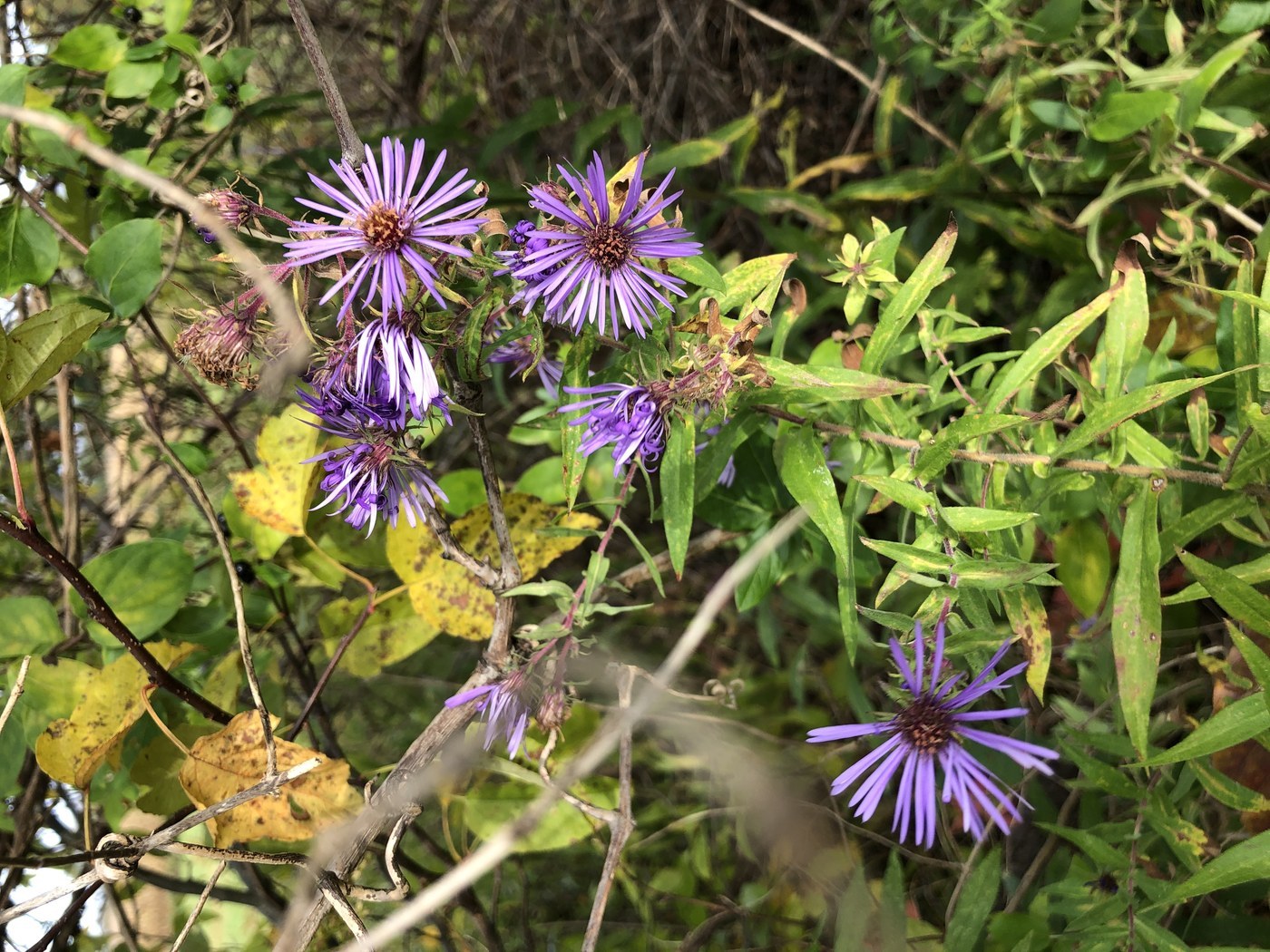
New England Aster
Symphyotrichum novae-angliae
A robust native perennial that crowns the fall garden with masses of purple, daisy-like flowers around golden centers. It is a magnet for late-season bees and migrating monarch butterflies.
- Light
- Full sun
- Water
- Moderate; tolerates moist soil
- Difficulty
- Easy
Got a plant like this?
Identify any plant from a photo, free.
Overview
New England aster (Symphyotrichum novae-angliae, formerly Aster novae-angliae) is one of the showiest of the native North American asters. It blooms in late summer and autumn, producing dense clusters of richly colored daisy flowers atop tall, sturdy stems.
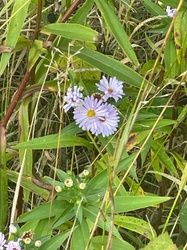
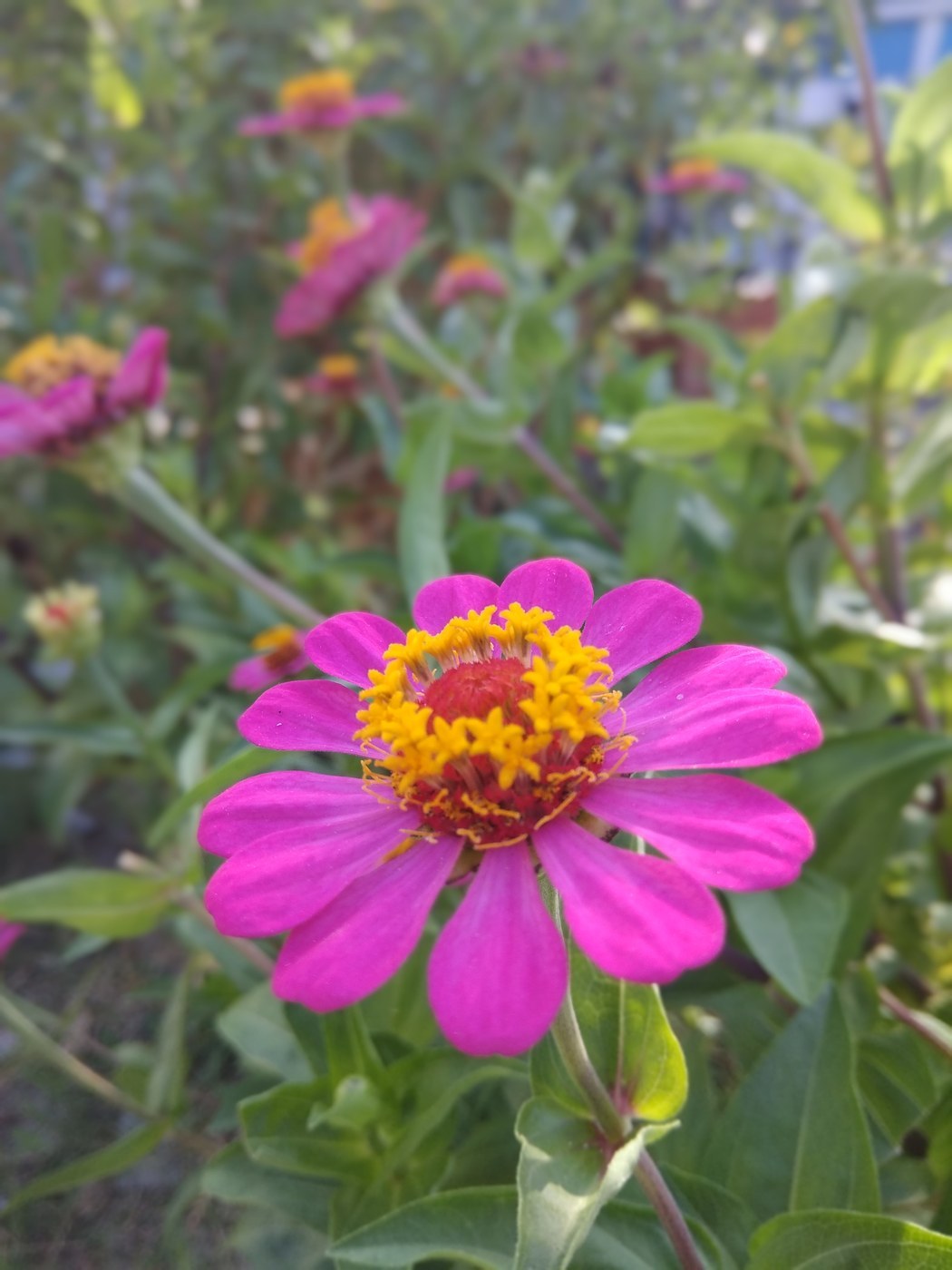
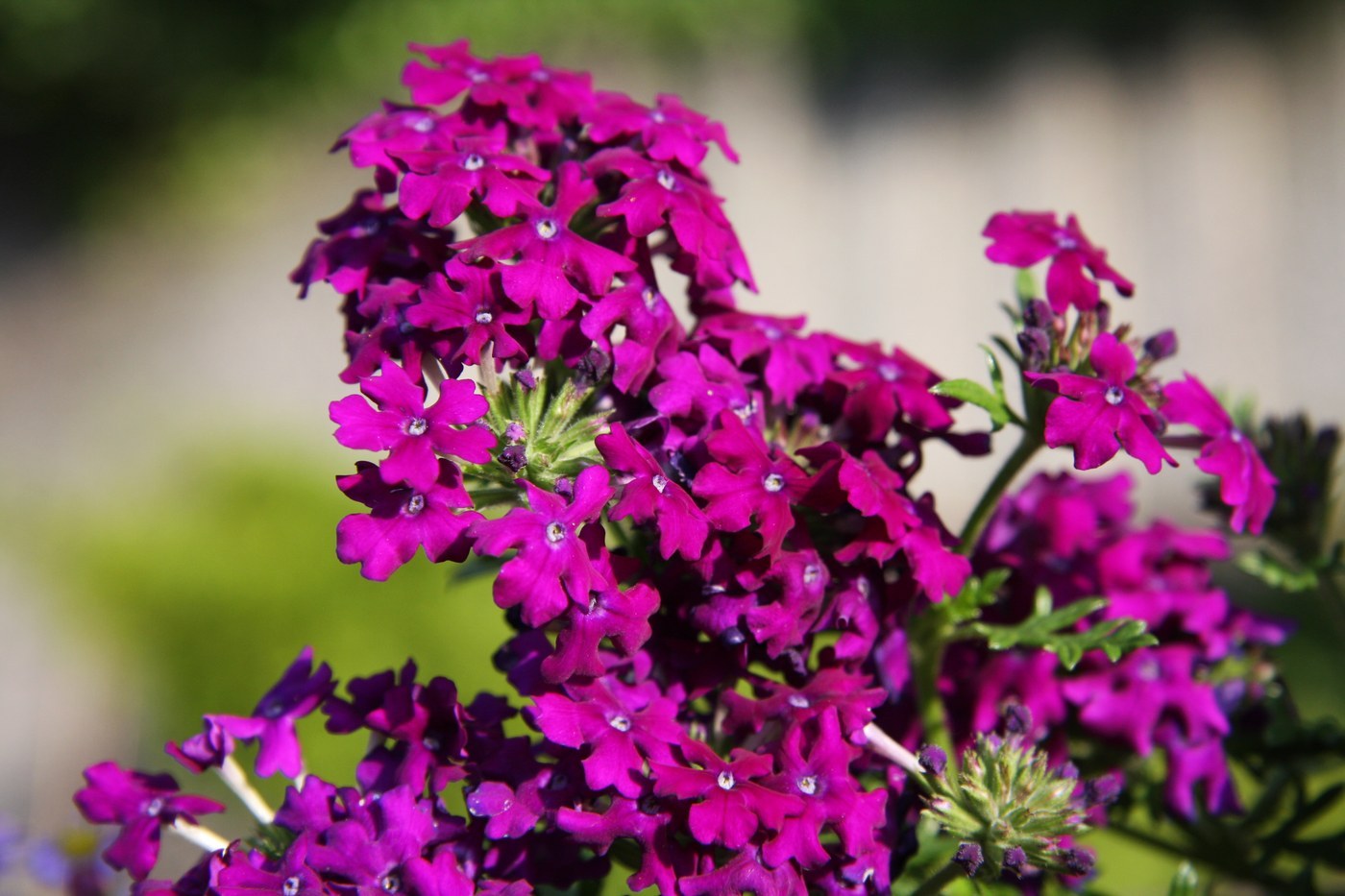
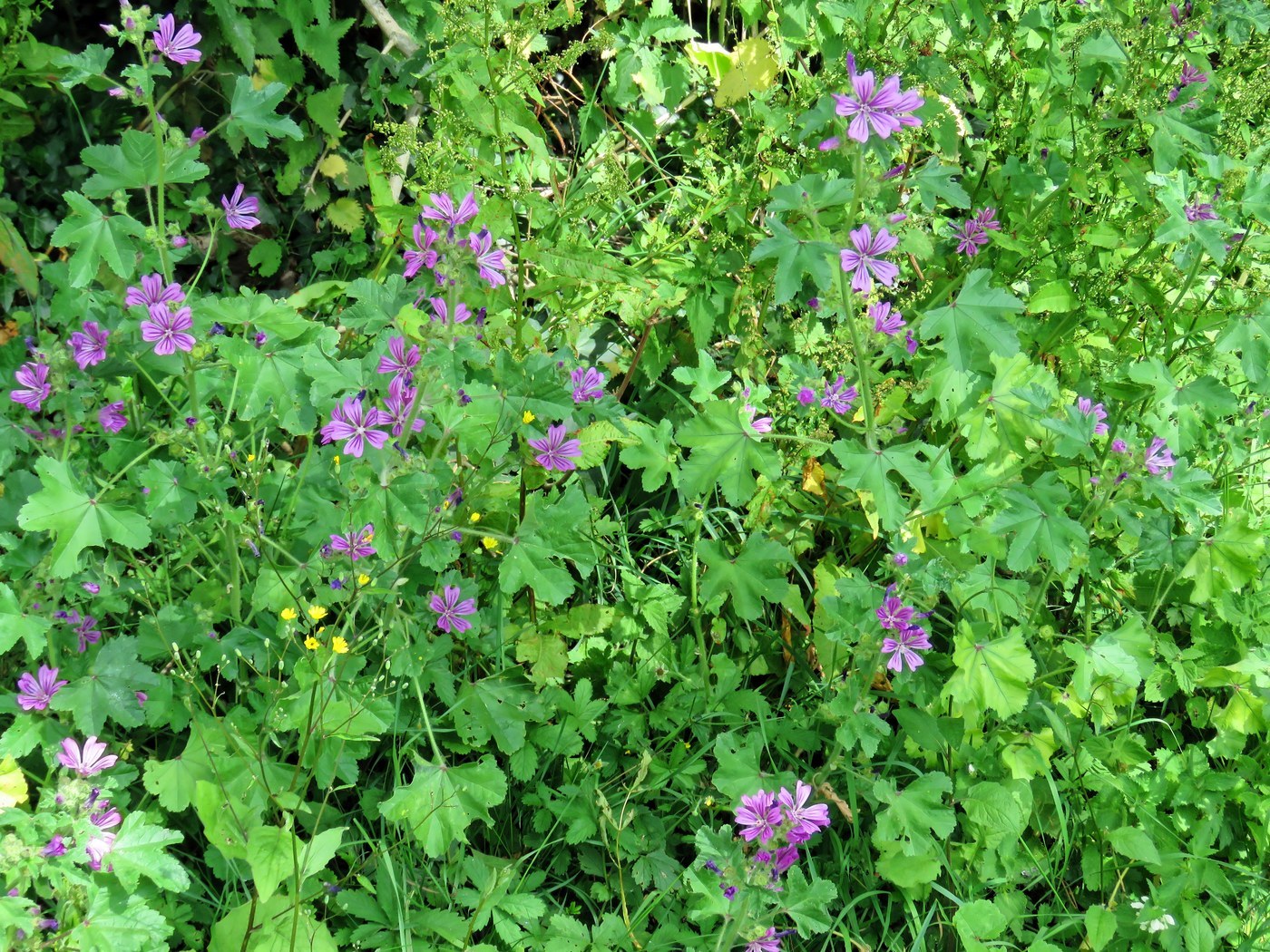
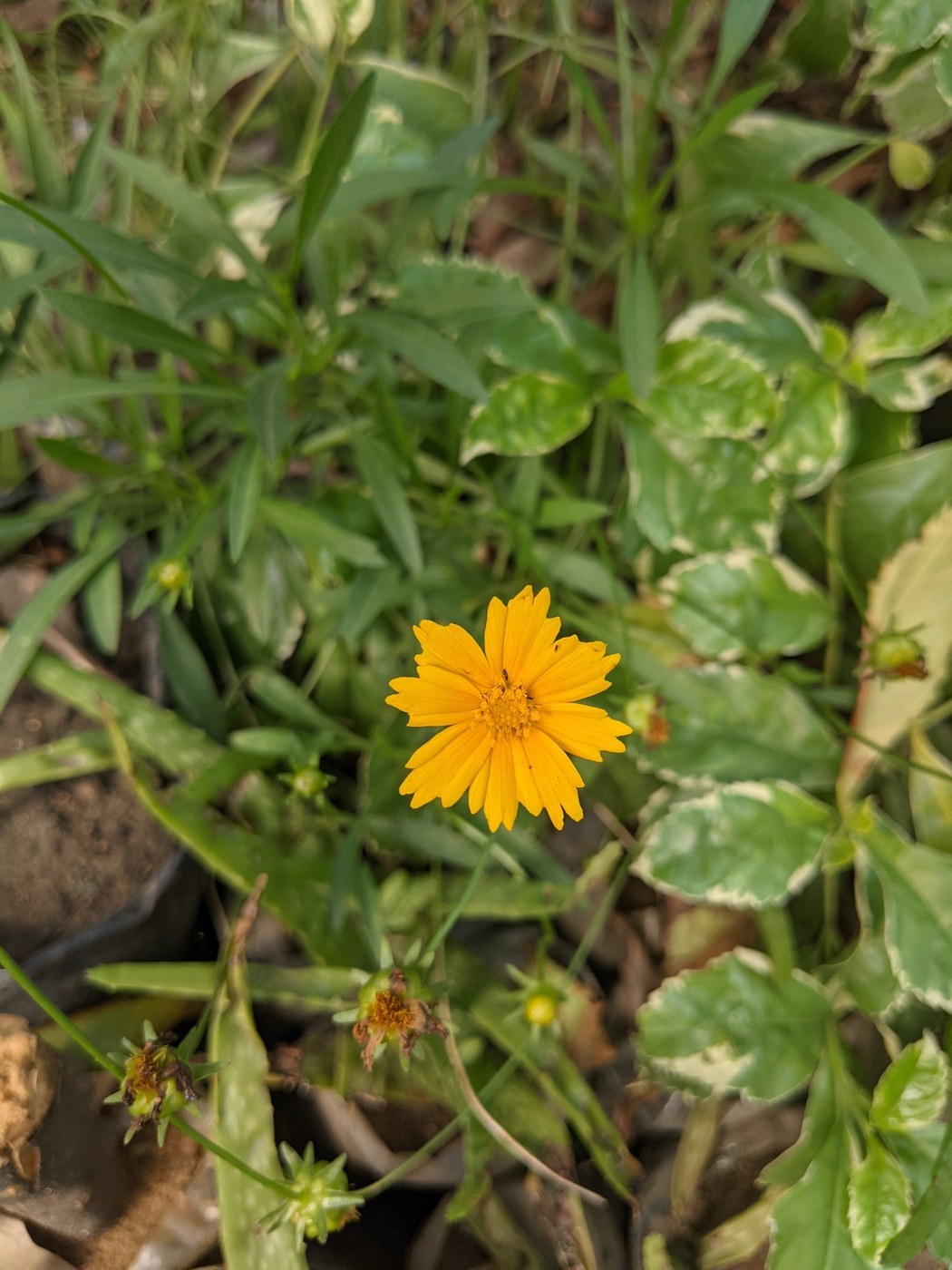
Flower color ranges from deep violet-purple to magenta and pink, each ray surrounding a bright yellow-orange center that ages to reddish. It is among the most important fall nectar plants for pollinators.
Unlike many asters, it has hairy stems and leaves and a stout, clumping habit, making it a strong vertical accent in borders and meadows.
How to identify it
Look for tall, hairy-stemmed clumps smothered in purple daisies in fall.
- Flowers: Daisy-like with 40 or more narrow violet-purple to pink rays around a yellow-orange disk
- Leaves: Lance-shaped, clasping the stem at the base, rough-hairy to the touch
- Stems: Stout, erect, hairy, often branching near the top
- Size: 3 to 6 feet (1 to 1.8 m) tall
- Bloom time: Late summer into mid-autumn
Care & growing
New England aster is vigorous and easy in sunny, moist sites.
- Light: Full sun for the most flowers and sturdiest growth
- Water: Prefers consistently moist soil; tolerates clay; lower leaves may drop if too dry
- Soil: Average to rich, moisture-retentive soil
- Temperature: Very cold-hardy perennial
- Propagation: By division in spring or by seed; divide every few years to keep clumps vigorous
- Tip: Pinch stems in early summer to reduce height and flopping and to increase flower count
Habitat & origin
New England aster is native to central and eastern North America, from Quebec south to Alabama and west to the Great Plains.
It grows naturally in moist meadows, prairies, thickets, stream banks, and roadside ditches, favoring open sunny ground with good moisture.
It is widely cultivated in perennial borders, pollinator gardens, and meadow plantings, and many garden cultivars in various colors and heights are available.
Frequently asked questions
When does New England aster bloom?
From late summer into mid-autumn, making it one of the most valuable fall nectar plants for pollinators.
How do I keep it from flopping over?
Pinch the stems back by about a third in early summer; this produces shorter, bushier, more floriferous plants that stand better.
Does it attract monarch butterflies?
Yes. Its abundant late-season nectar is an important fuel source for monarchs and other pollinators preparing for migration or winter.
Why are the lower leaves dropping?
Lower-leaf drop is common when soil dries out; keeping the plant evenly moist reduces this and keeps foliage fuller.
New England Aster guides
In-depth guides for identifying, growing, and caring for New England Aster.
How to Care for New England Aster
New England Aster crowns the fall garden with masses of purple daisy blooms. An easy, sun-loving native perennial for pollinator borders.
New England Aster Identification Guide
Recognize New England Aster (Symphyotrichum novae-angliae) by its dense, many-rayed purple flowers and clasping hairy leaves. This guide highlights features that separate it from other asters.
New England Aster identified by the community
Real specimens identified with Plant Identifier.