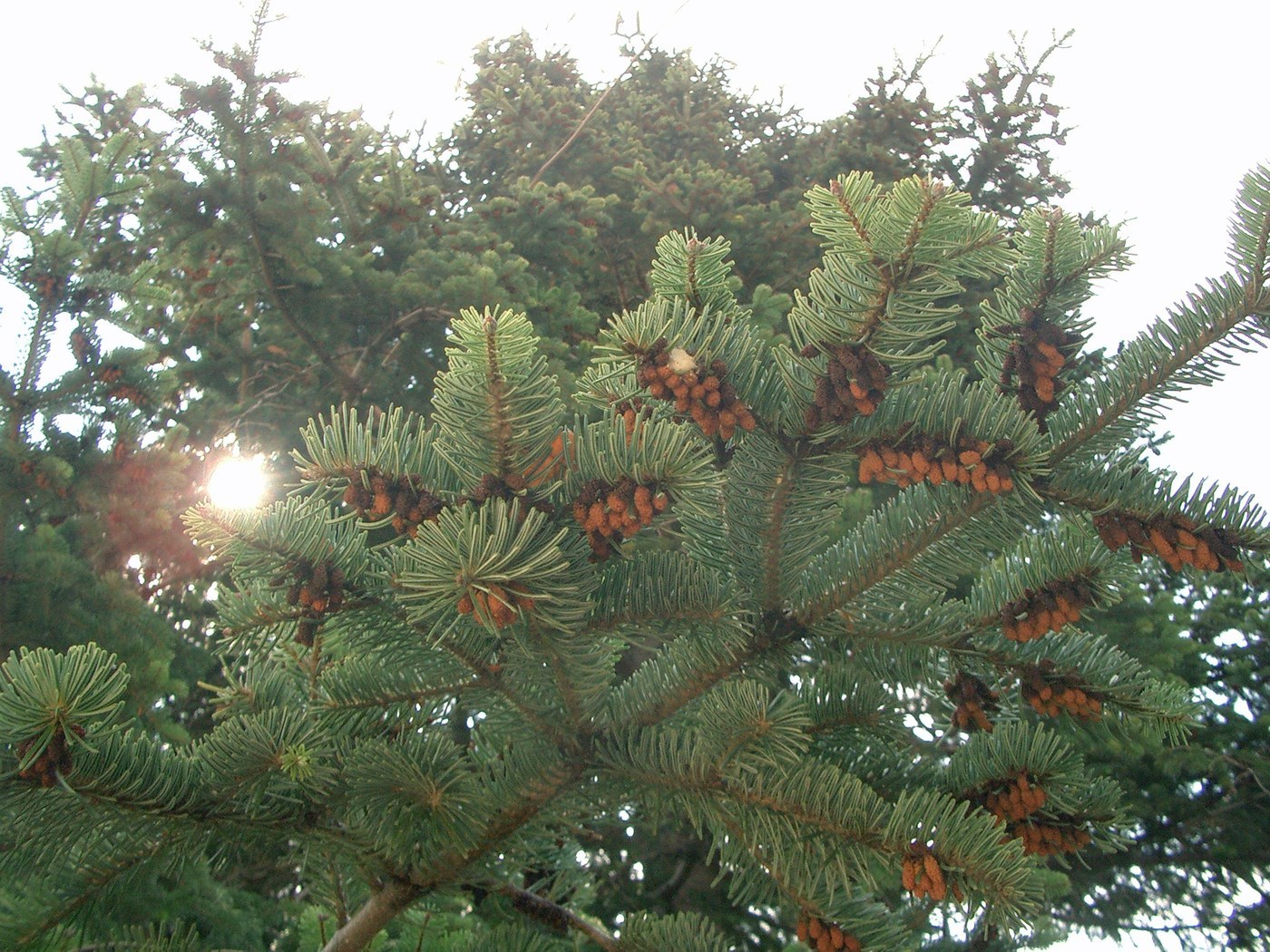
Nordmann Fir
Abies nordmanniana
Nordmann Fir is the world's most popular Christmas tree, prized for its soft, glossy, dark green needles that resist dropping. Native to the Caucasus, it forms a dense, symmetrical pyramid.
- Light
- Full sun to part shade
- Water
- Moist, well-drained soil
- Difficulty
- Easy
Got a plant like this?
Identify any plant from a photo, free.
Overview
Nordmann Fir (Abies nordmanniana) is a large conifer native to the mountains around the Black Sea, in the Caucasus and northern Turkey. It is the dominant commercial Christmas tree across Europe and increasingly worldwide.
Its popularity comes from its dense, even branching, soft non-prickly needles, and outstanding needle retention after cutting. As a landscape tree it grows into a tall, handsome specimen.
How to identify it
- Needles: Flattened, 1.5-3.5 cm, soft and blunt, glossy dark green above with two whitish bands beneath; densely arranged and forward-pointing, covering the upper side of the shoot
- Cones: Upright cylindrical cones 10-20 cm, resinous, with down-curved exserted bracts
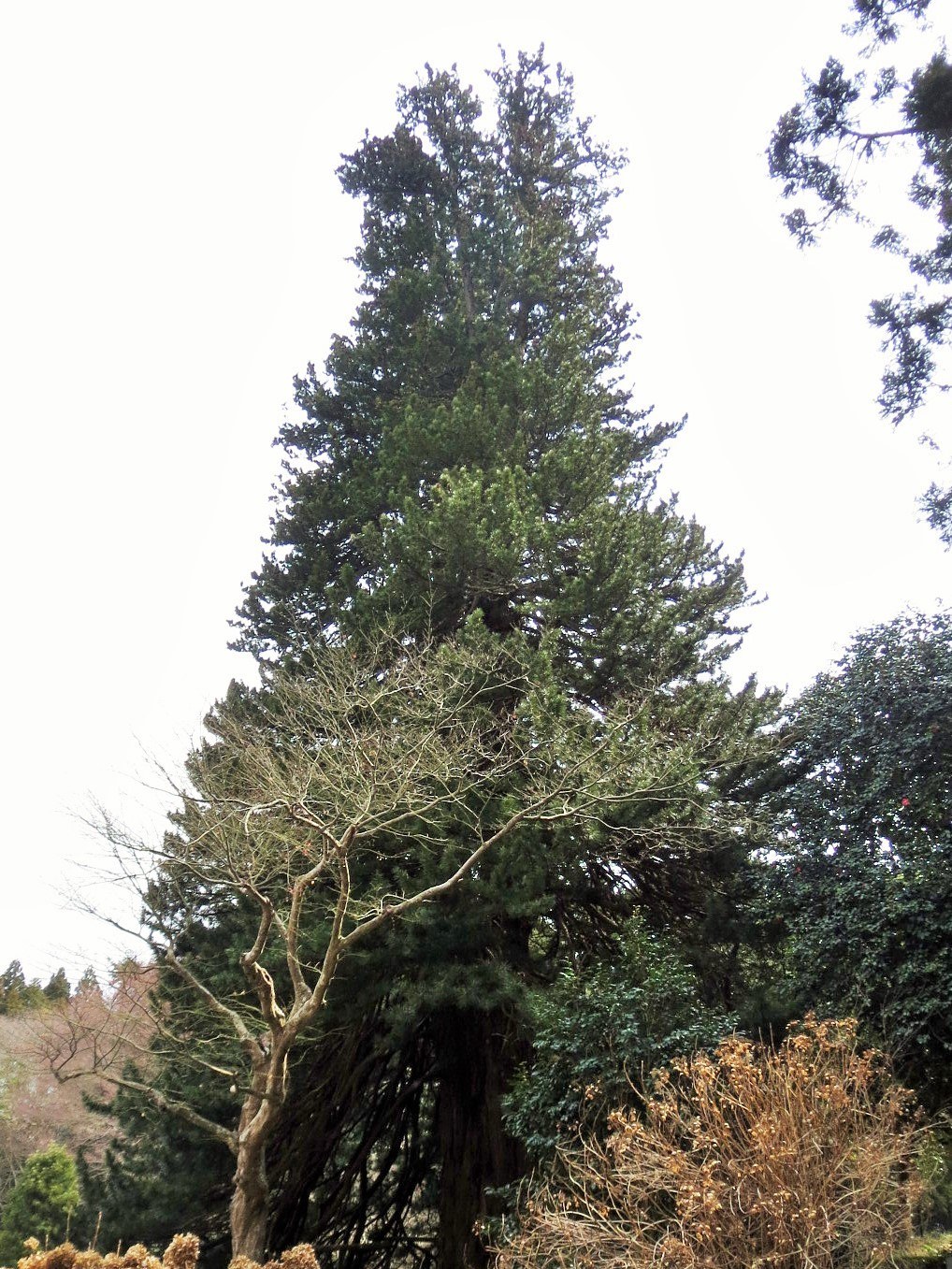
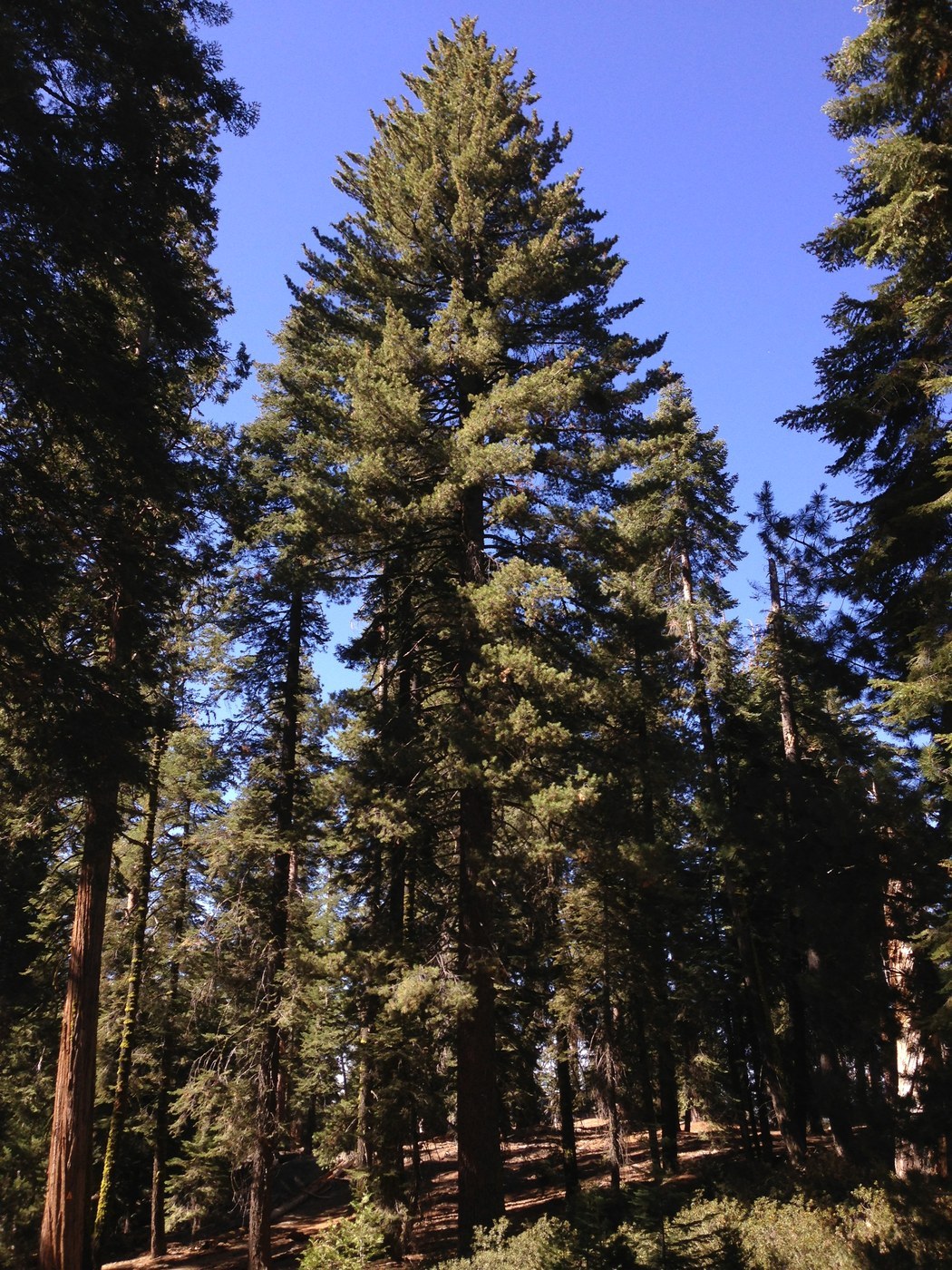
- Habit: Tall, symmetrical, conical; reaches 35-60 m in the wild
- Bark: Smooth grey, becoming fissured
- Soft, dense, glossy needles that point forward and obscure the top of the twig are the key trait
Care & growing
Light: Full sun to part shade.
Water: Likes consistently moist, well-drained soil; water young trees in dry spells.
Soil: Deep, fertile, slightly acidic loam is best.
Temperature: Hardy to USDA zone 4-5; prefers cool, humid climates.
Feeding: Spring feed in plantations to maintain rich green color.
Propagation: Grown from seed, often sourced from specific Georgian and Turkish provenances for Christmas-tree quality.
Habitat & origin
Native to the Caucasus Mountains of Georgia, Russia, Armenia, and Azerbaijan, and the Pontic Mountains of northeastern Turkey, growing in cool, humid montane forests between about 900 and 2,200 m.
It is now extensively cultivated in plantations across Denmark, Germany, the UK, and other temperate countries, primarily for the Christmas-tree trade.
Frequently asked questions
Why is Nordmann Fir the favorite Christmas tree?
Its needles are soft, glossy, and hold on for weeks after cutting, and the tree has a dense, symmetrical shape, making it cleaner and longer-lasting than spruces.
Do its needles prickle?
No, the needles are soft and blunt, which is part of its family appeal compared to spiky spruce trees.
How big can it get in the garden?
Left to grow it becomes a large tree of 35 m or more, so it needs space as a landscape specimen.
Where does it come from?
The Caucasus and northeastern Turkey, around the eastern Black Sea region.
Nordmann Fir guides
In-depth guides for identifying, growing, and caring for Nordmann Fir.
How to Care for Nordmann Fir
Grow a lush, dense Nordmann Fir with full sun, moist well-drained soil, and steady moisture through its early years.
Nordmann Fir Identification Guide
How to identify Nordmann fir (Abies nordmanniana) by its dense, soft, forward-pointing needles that hide the top of the shoot, plus large upright cones. Covers needles, bark, and look-alikes.