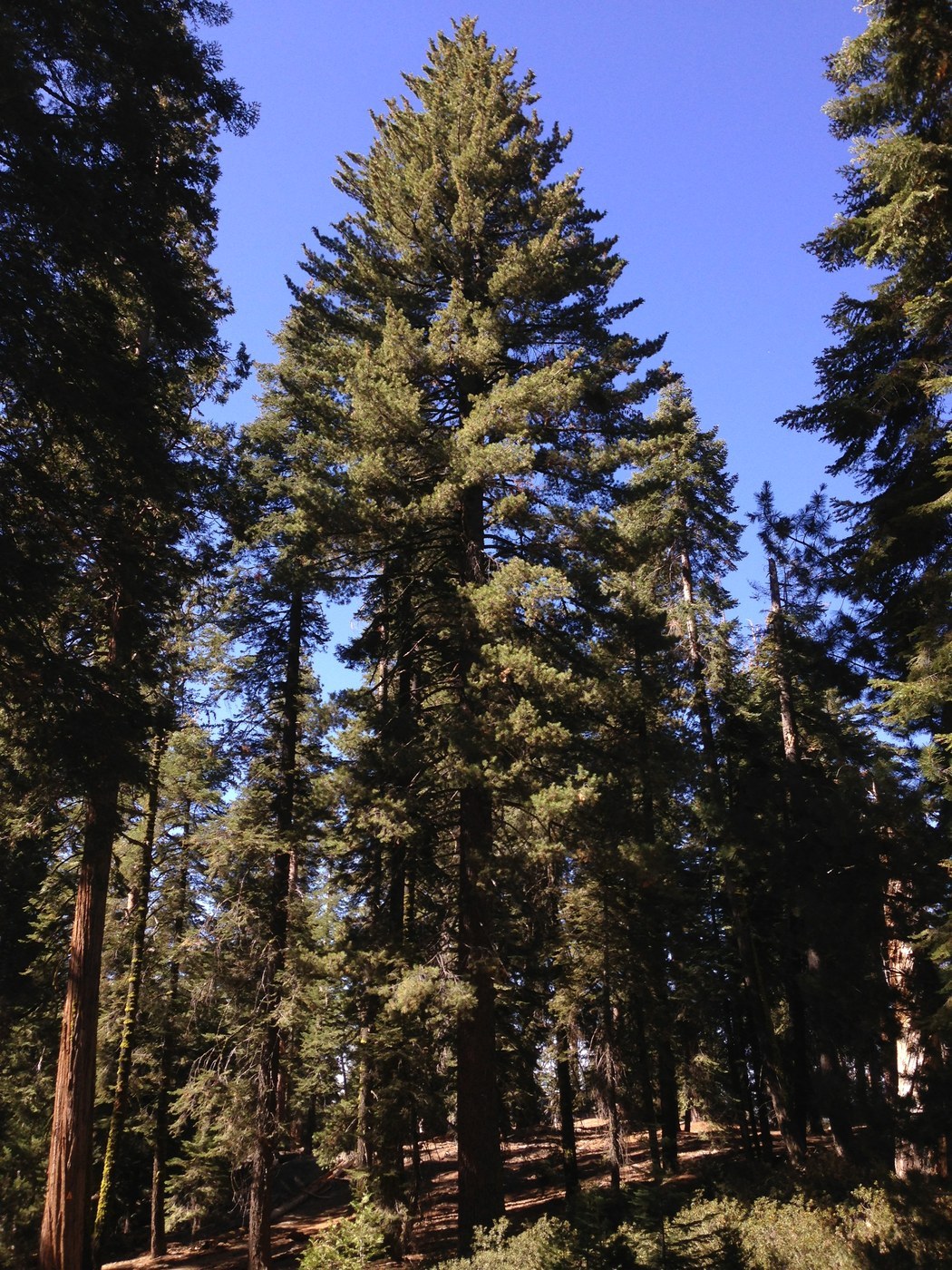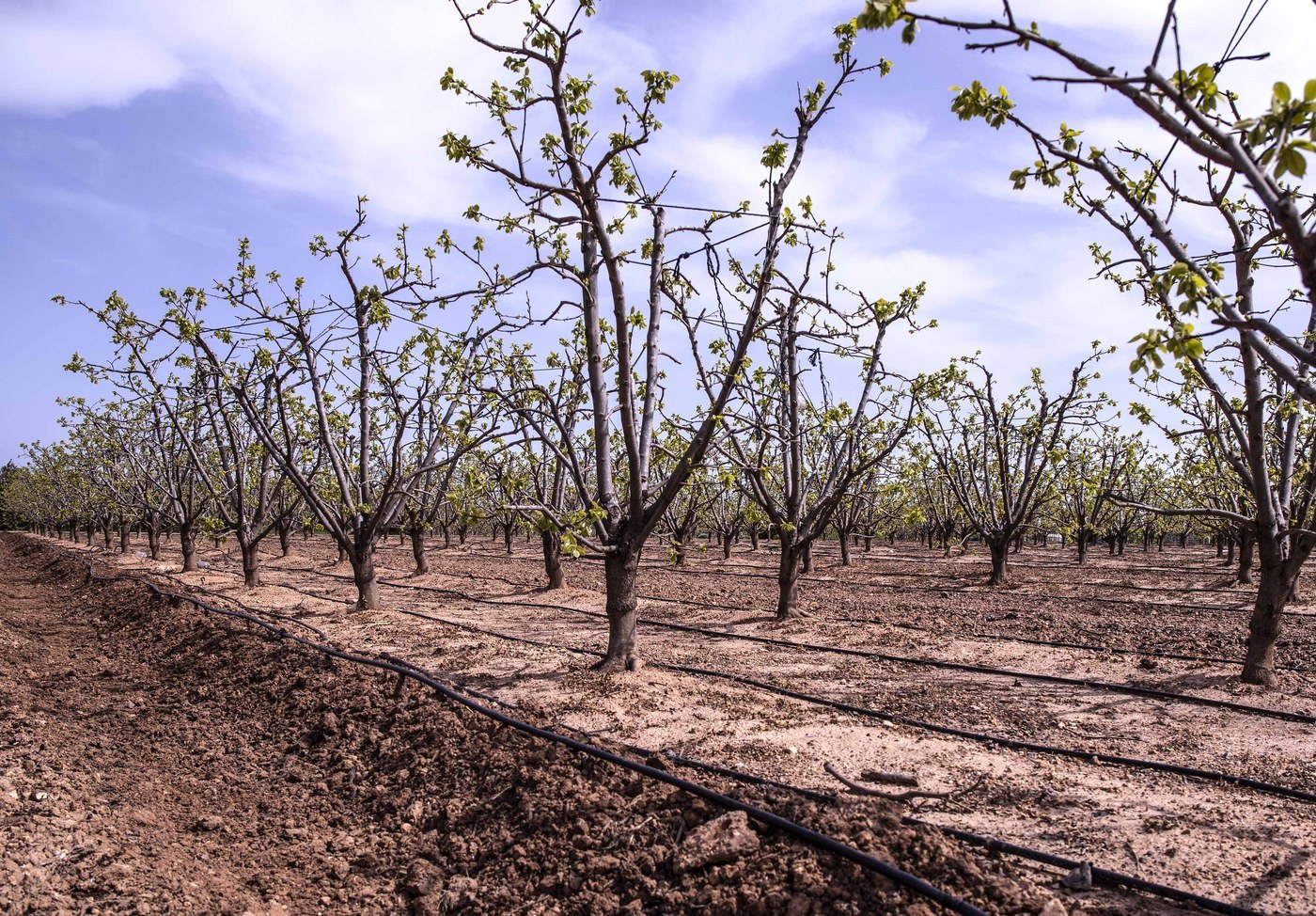
Persimmon Tree
Diospyros kaki
A deciduous fruit tree grown for its glossy orange fruit that ripens in autumn and clings to bare branches like ornaments, and for its vivid fall foliage.
- Light
- Full sun
- Water
- Regular; moderately drought-tolerant once established
- Difficulty
- Easy
Got a plant like this?
Identify any plant from a photo, free.
Overview
The Japanese or Asian persimmon is a deciduous fruit tree valued both for its autumn fruit and its ornamental fall display, when bright orange fruit hangs from leafless branches. It is the most widely grown persimmon species.
Varieties fall into two key groups: astringent types (such as 'Hachiya') and non-astringent types (such as 'Fuyu'), which differ in how the fruit is handled at maturity.
How to identify it
Identifying features:
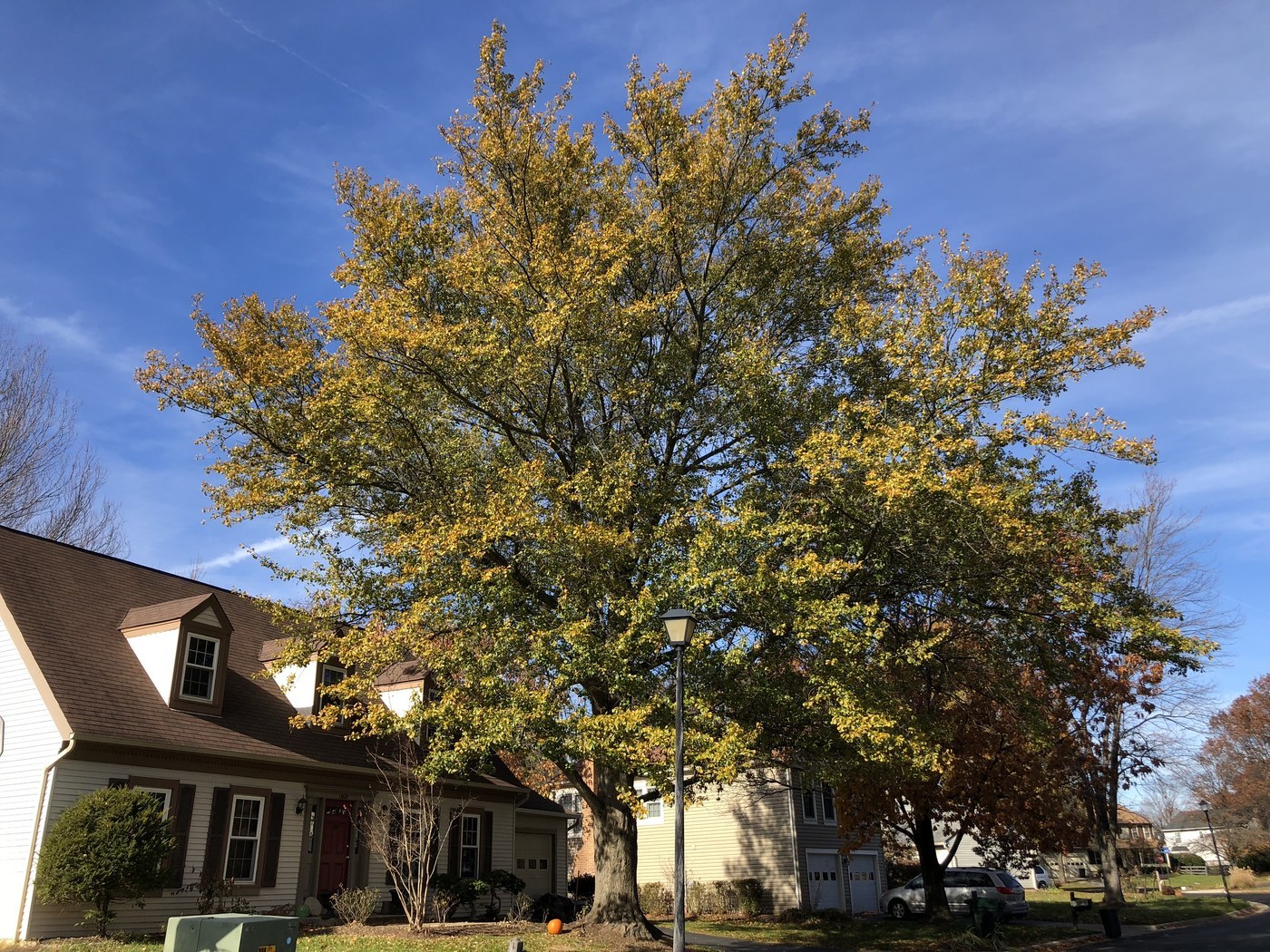
- Size & habit: Small to medium deciduous tree, 4.5-9 m, with a rounded, spreading crown
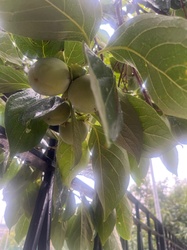
- Leaves: Broad, oval, glossy dark green, turning vivid orange, red, and yellow in autumn
- Flowers: Small, creamy-yellow, fairly inconspicuous
- Fruit: Round to slightly flattened or acorn-shaped, 4-9 cm, ripening glossy orange to reddish, with a persistent green calyx (cap)
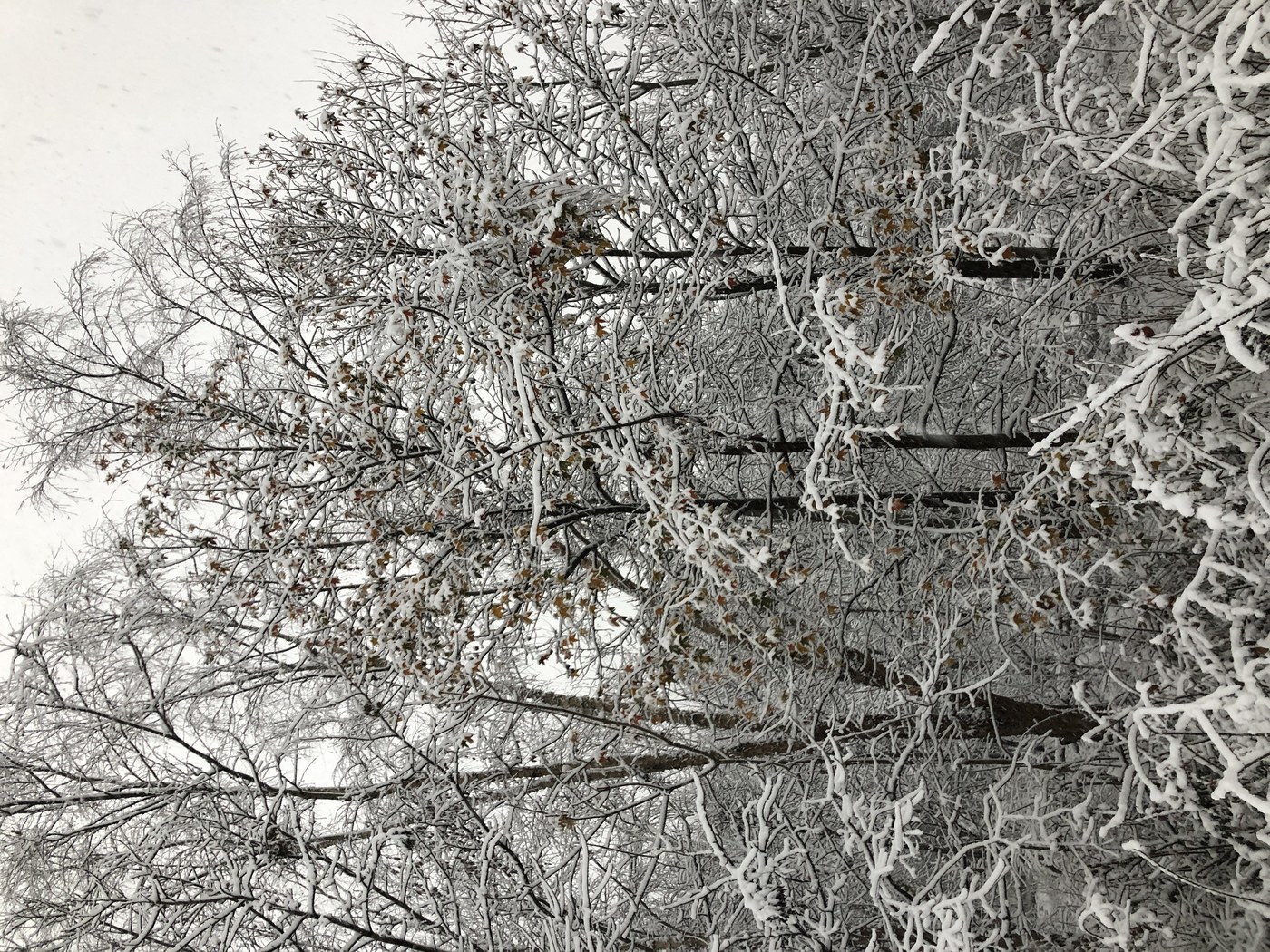
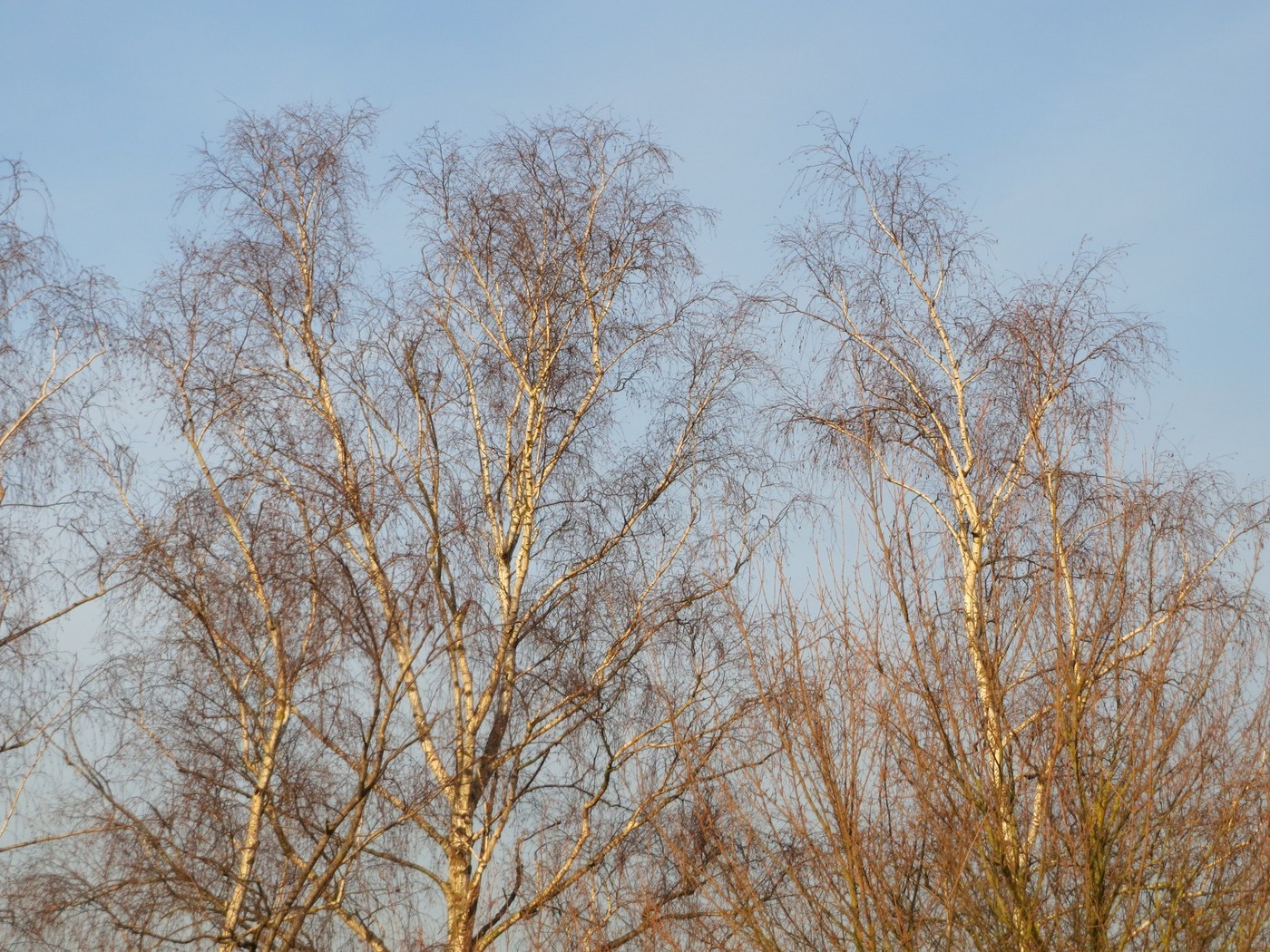
- Autumn feature: Fruit often persists on bare branches after leaf drop
Care & growing
Light: Full sun for the best fruit and fall color.
Water: Water regularly, especially while young and during fruit development; established trees are moderately drought-tolerant.
Soil: Adaptable to most well-drained soils; prefers loam with pH 6.0-7.5.
Temperature: Hardy in USDA zones 7-10; needs some winter chill but the wood is sensitive to severe cold.
Feeding: Light feeding; avoid excess nitrogen, which can worsen fruit drop.
Propagation: Usually grafted onto persimmon rootstock. Minimal pruning is needed beyond shaping and removing crossing limbs.
Habitat & origin
Diospyros kaki is native to China and has been cultivated there and in Japan and Korea for many centuries; it is sometimes called the national fruit of Japan.
It is now grown in warm-temperate regions worldwide, including California, the Mediterranean, Brazil, and Australia. The related American persimmon (Diospyros virginiana) is native to the eastern United States.
Frequently asked questions
Do persimmon trees need a pollinator?
Many Asian persimmon varieties are self-fertile and set seedless fruit without pollination, though some benefit from a pollinizer.
When does the fruit color up?
The fruit reaches full glossy orange color in mid to late autumn, often persisting on bare branches after the leaves have dropped.
What is the difference between astringent and non-astringent types?
They are two horticultural groups of Asian persimmon, such as 'Hachiya' (astringent) and 'Fuyu' (non-astringent), which differ in fruit handling at maturity.
How big does a persimmon tree get?
It is a small to medium deciduous tree, typically 4.5-9 m tall, with a rounded, spreading crown.
Persimmon Tree guides
In-depth guides for identifying, growing, and caring for Persimmon Tree.
How to Care for Persimmon Tree
Grow the ornamental Persimmon Tree (Diospyros kaki) for glossy foliage, brilliant autumn color, and a handsome branching form. Full-sun care guide.
Persimmon Tree Identification Guide
Identify persimmon trees (Diospyros) by their blocky checkered bark, glossy oval leaves, and round orange fruit with a distinctive four-lobed leafy cap.
Persimmon Tree identified by the community
Real specimens identified with Plant Identifier.