Queen of the Night
Epiphyllum oxypetalum
An epiphytic jungle cactus famous for its enormous, fragrant white flowers that open for a single night before wilting by dawn. It grows on flattened, leaf-like stems and is a celebrated rare bloomer.
- Light
- Bright indirect light
- Water
- Moderate; let topsoil dry
- Difficulty
- Moderate
Got a plant like this?
Identify any plant from a photo, free.
Overview
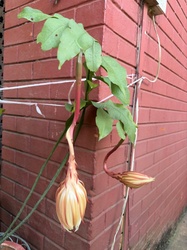
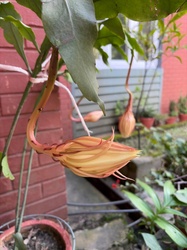
Queen of the Night is an epiphytic cactus renowned for one of the most dramatic blooms in the plant world: huge, intensely fragrant, pure white flowers that open only after dark and fade by morning. A flowering night is often a cause for celebration among growers.
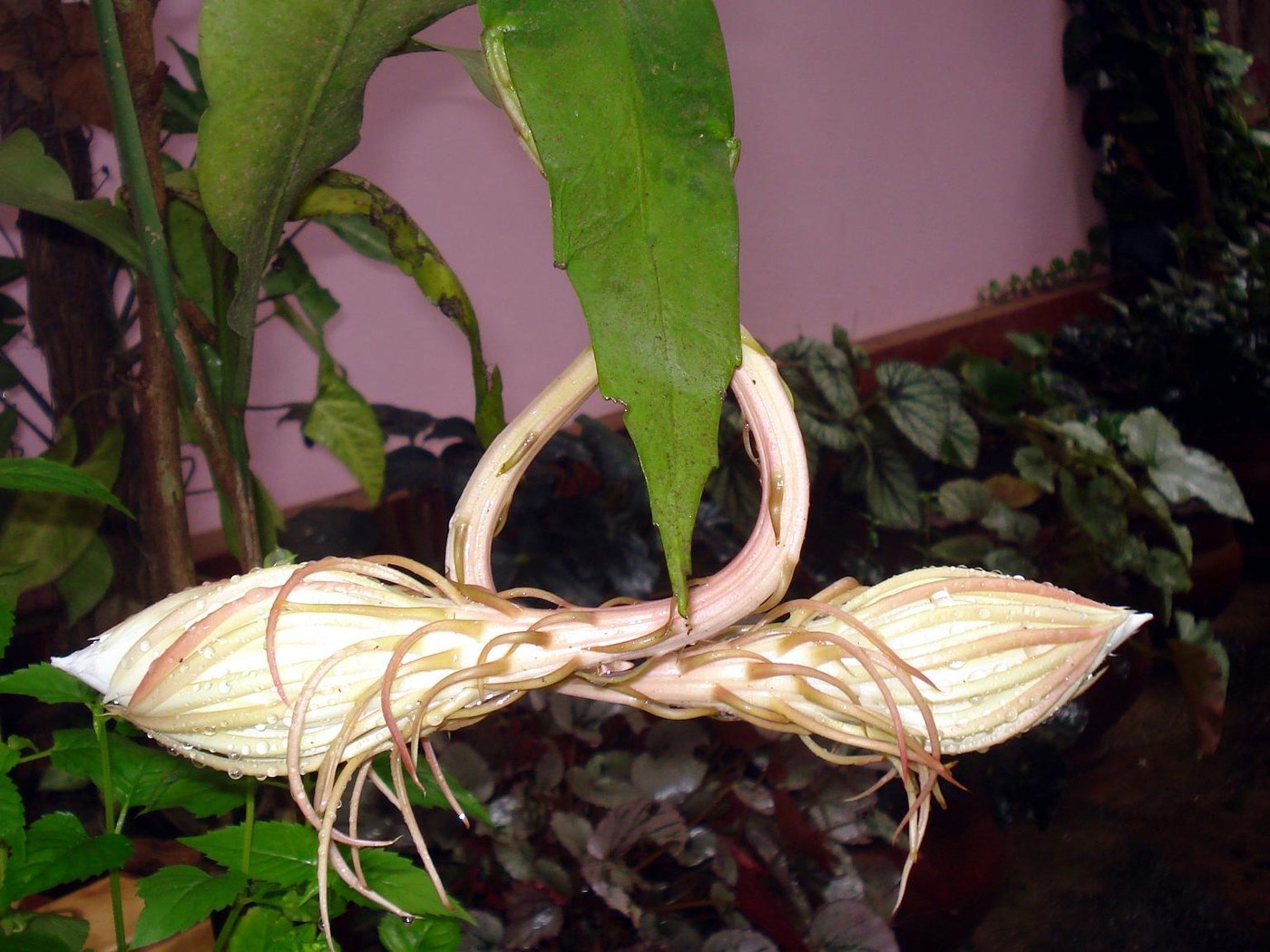
Rather than a thick stem, it grows long, flattened, leaf-like green stems (cladodes) that arch and trail, reflecting its life as a jungle epiphyte rather than a desert cactus. The name is shared by several night-blooming cacti, but Epiphyllum oxypetalum is the best-known.
It is relatively easy to grow as a foliage plant but requires maturity and the right conditions to flower.
How to identify it
- Stems: Long, flat, leaf-like green cladodes with scalloped or wavy edges; arching and trailing
- Flowers: Very large (up to 1 ft / 30 cm long), white, highly fragrant, opening at night and wilting by dawn
- Habit: Sprawling epiphytic cactus, often grown in hanging pots or trained on supports
- Spines: Largely spineless along the flattened stems
- Sometimes confused with other night-blooming cereus species that share the common name
Care & growing
Light: Bright indirect light; protect from harsh direct midday sun.
Water: As a jungle epiphyte it likes more moisture than desert cacti - water when the topsoil dries; reduce in winter.
Soil: Rich but free-draining mix, such as a cactus mix amended with orchid bark or compost.
Temperature: Warm and humid; avoid cold drafts.
Feeding: Feed with a balanced or high-potassium fertilizer in the growing season to encourage blooming.
Propagation: Very easy from flattened stem cuttings allowed to callus.
Blooming tip: Maturity, a slightly pot-bound root, and a cooler, drier winter rest help trigger flowering.
Habitat & origin
Epiphyllum oxypetalum is native to southern Mexico and Central America, where it grows as an epiphyte in humid tropical forests, perched on tree branches.
It is cultivated worldwide as a houseplant and patio plant and is especially cherished in many Asian cultures, where its rare nighttime bloom carries symbolic significance.
Frequently asked questions
How long do the flowers last?
Just one night. The huge fragrant blooms open after dark and typically wilt by the following morning.
Why won't my Queen of the Night bloom?
It needs to reach maturity and usually flowers better when slightly pot-bound and given a cooler, drier winter rest plus good feeding in the growing season.
Is it a true desert cactus?
No. It is an epiphytic jungle cactus, so it prefers more humidity, richer soil, and more frequent watering than desert cacti.
How do I propagate it?
Very easily - take a flattened stem cutting, let the cut end callus for a few days, then plant it in a free-draining mix.
Queen of the Night guides
In-depth guides for identifying, growing, and caring for Queen of the Night.
How to Care for Queen of the Night
A dramatic night-blooming epiphytic cactus; give it bright indirect light, airy soil, and let the topsoil dry between waterings.
Queen of the Night Identification Guide
Identify Queen of the Night (Epiphyllum oxypetalum) by its flat, leaf-like climbing stems and huge, fragrant white flowers that bloom for a single night.
Queen of the Night identified by the community
Real specimens identified with Plant Identifier.