Rhodiola
Rhodiola rosea
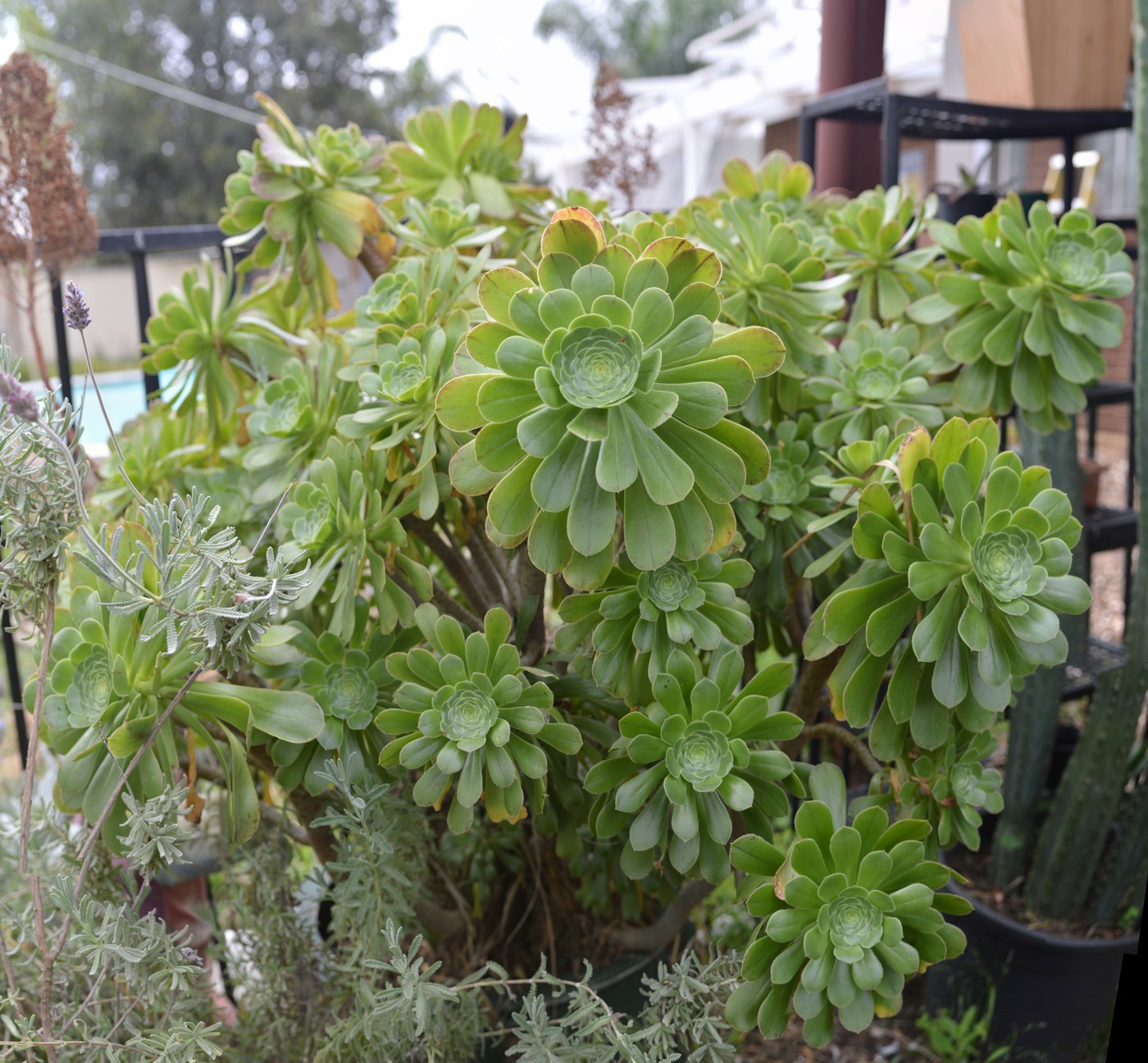
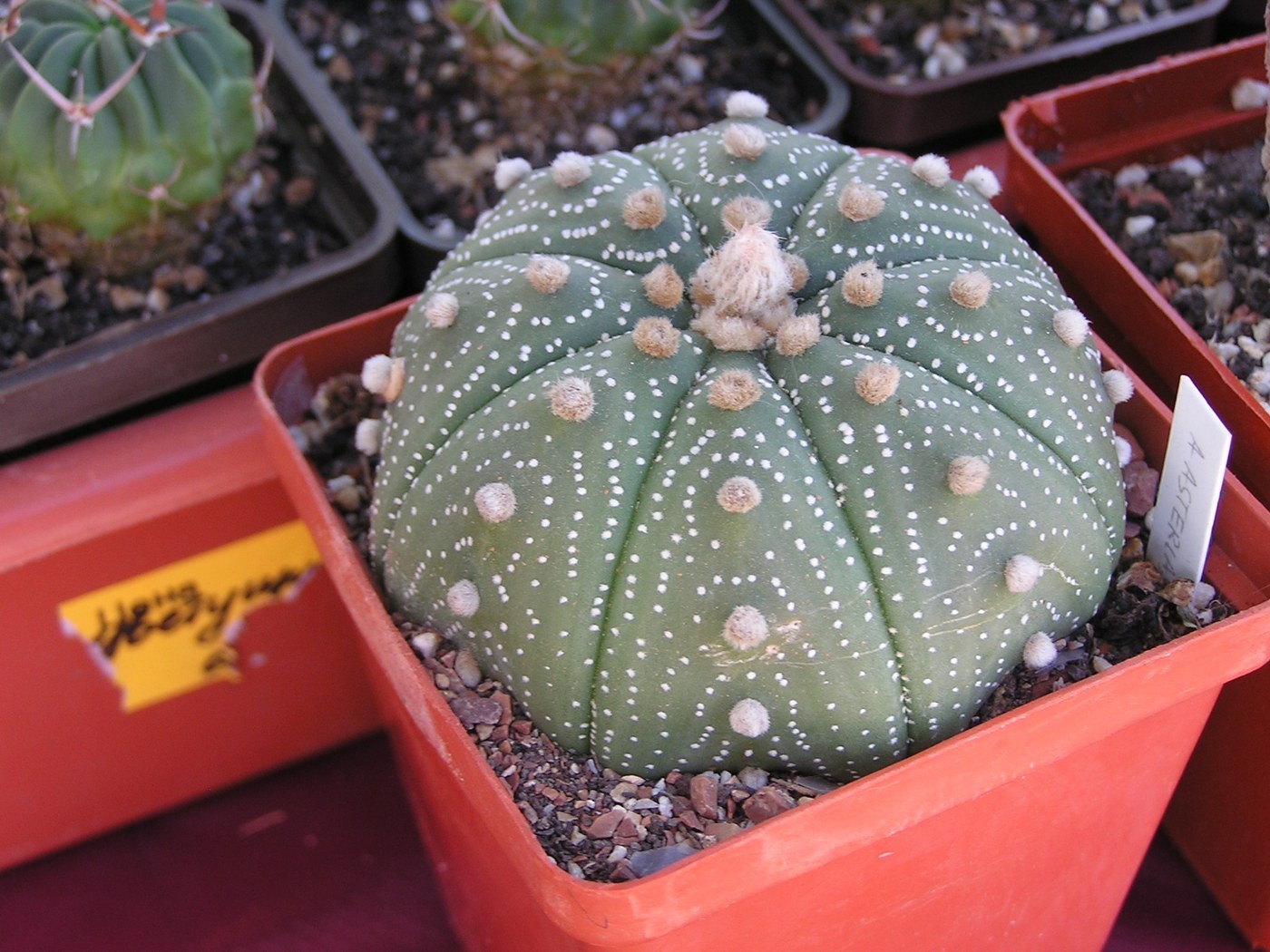
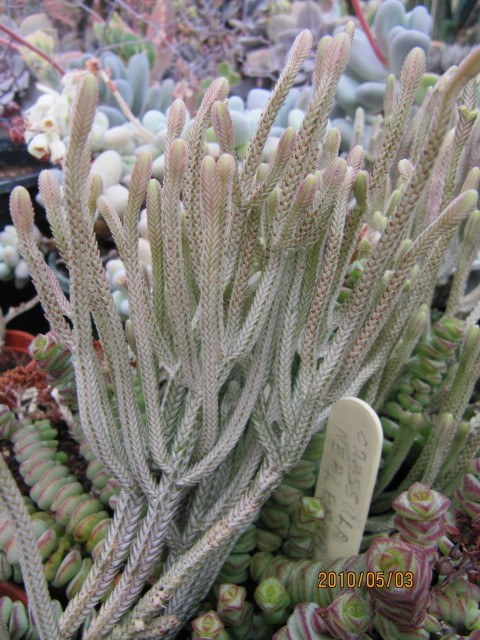
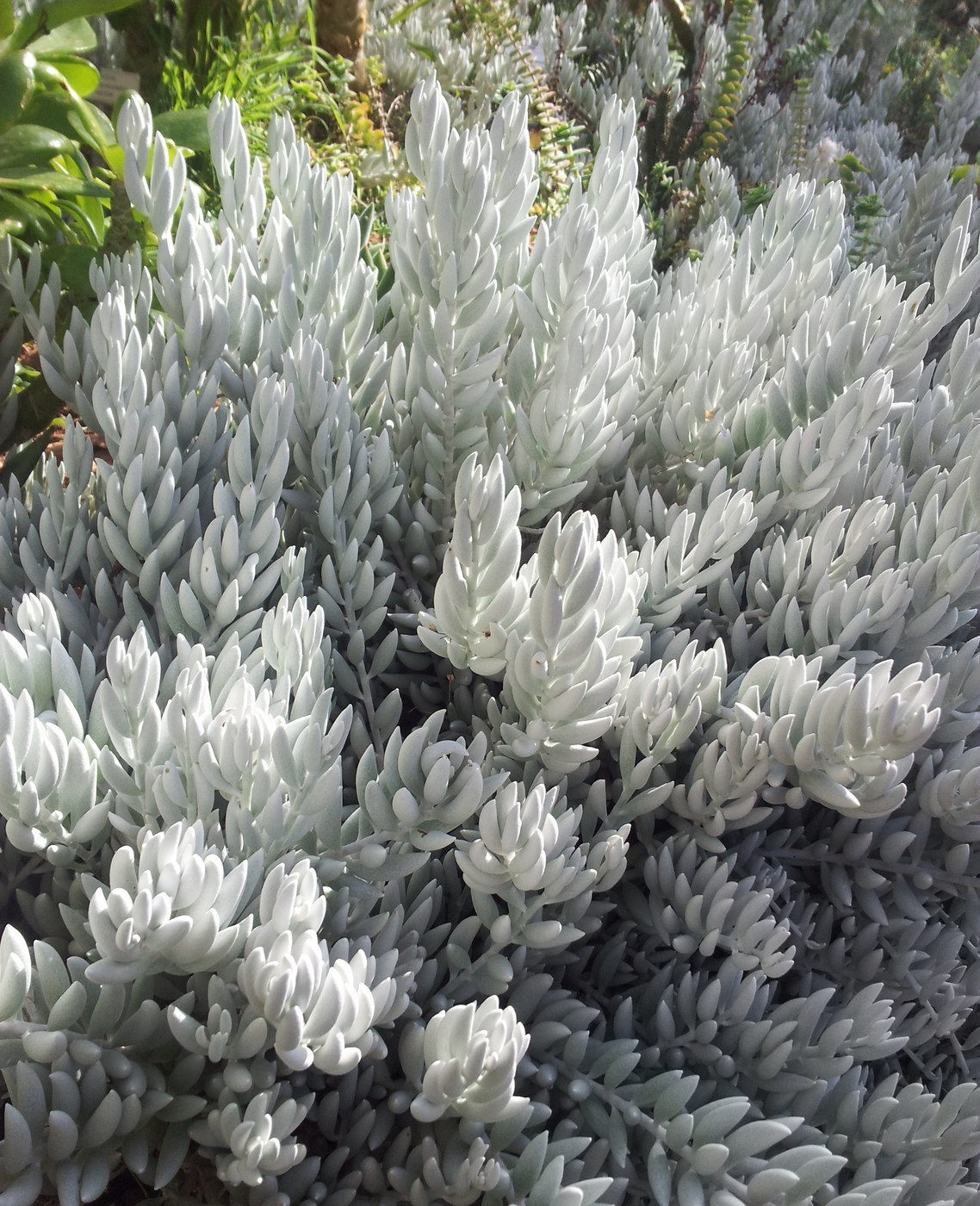
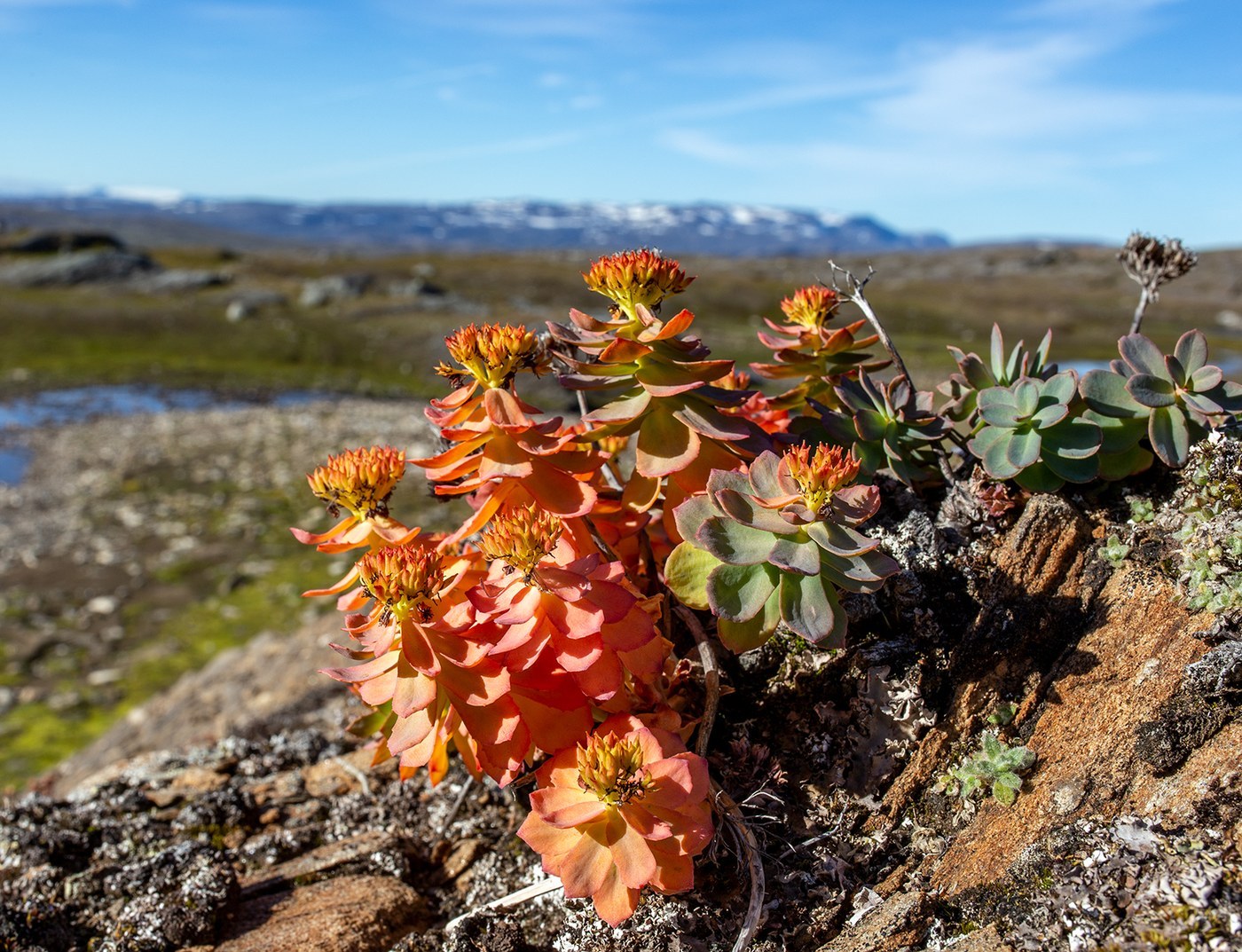
Rhodiola is a hardy, succulent alpine perennial of cold northern mountains, forming low rosettes of fleshy blue-green leaves and clusters of yellow flowers. Cut roots smell faintly of rose.
- Light
- Full sun
- Water
- Low to moderate; excellent drainage essential
- Difficulty
- Moderate
Got a plant like this?
Identify any plant from a photo, free.
Overview
Rhodiola (Rhodiola rosea) is a succulent perennial in the stonecrop family (Crassulaceae), native to the cold, high-altitude and arctic regions of Europe, Asia and North America.
Its thick rhizome smells of rose when cut, which inspired the common names "rose root" and "golden root." It has a long history of cultivation in Scandinavia, Russia and the Himalayas.
A tough survivor of harsh climates, rhodiola forms low rosettes of fleshy leaves and yellow flowers, thriving where few other plants can.
How to identify it
- Flowers: dense clusters of small yellow (sometimes greenish-yellow) flowers atop the stems in early summer; plants are usually dioecious (separate male and female)
- Leaves: fleshy, blue-green, oval to lance-shaped, succulent, densely set along the stems
- Stems: several upright stems, 5-35 cm tall, arising from a stout rootstock
- Root: thick, branching golden-fleshed rhizome that smells of rose when cut
- Habit: low, clumping alpine/arctic succulent
Care & growing
Light: Full sun; it is adapted to bright, exposed conditions.
Water: Low to moderate; the succulent leaves store water and the roots rot in soggy soil, so excellent drainage is essential.
Soil: Gritty, sharply drained, even rocky soil; tolerates poor, lean ground.
Temperature: Extremely cold-hardy (roughly USDA zones 2-7); it actually needs cold winters and struggles in hot, humid climates.
Feeding: Little to none; it is adapted to nutrient-poor soils.
Propagation: From seed (cold stratification needed) or division of the rhizome.
Habitat & origin
Rhodiola rosea grows in cold mountain and arctic regions across the Northern Hemisphere, including the mountains of Europe, the Arctic, Siberia, Central Asia and parts of North America.
It favors rocky ledges, cliffs, alpine meadows and sea cliffs at high latitudes or elevations. Cultivation succeeds best in cool-climate gardens with gritty, well-drained soil.
Frequently asked questions
How can I recognize rhodiola?
Look for low rosettes of fleshy, blue-green succulent leaves, several short upright stems, and dense clusters of small yellow flowers in early summer above a stout, golden-fleshed rootstock.
Why is it called golden root or rose root?
The thick rhizome has golden-colored flesh and gives off a rose-like fragrance when cut, which inspired both common names.
Can I grow rhodiola in a warm climate?
It is difficult in hot, humid areas because it is an arctic-alpine plant that needs cold winters, full sun and sharply drained, gritty soil to thrive.
Rhodiola guides
In-depth guides for identifying, growing, and caring for Rhodiola.
How to Care for Rhodiola
Grow Rhodiola rosea, a hardy alpine succulent, with full sun, gritty fast-draining soil, cool conditions, and restrained watering.
Rhodiola Identification Guide
Identify rhodiola (Rhodiola rosea) by its fleshy blue-green toothed leaves, dense yellow flower heads, and thick rose-scented rootstock on arctic and alpine rocks.