Silver Dollar Eucalyptus
Eucalyptus cinerea
A fast-growing eucalyptus famous for its round, silvery blue-green juvenile leaves, widely cut for fresh and dried floral arrangements. It carries the signature menthol-like eucalyptus fragrance.
- Light
- Full sun
- Water
- Moderate; let soil dry between waterings
- Difficulty
- Moderate
Got a plant like this?
Identify any plant from a photo, free.
Overview
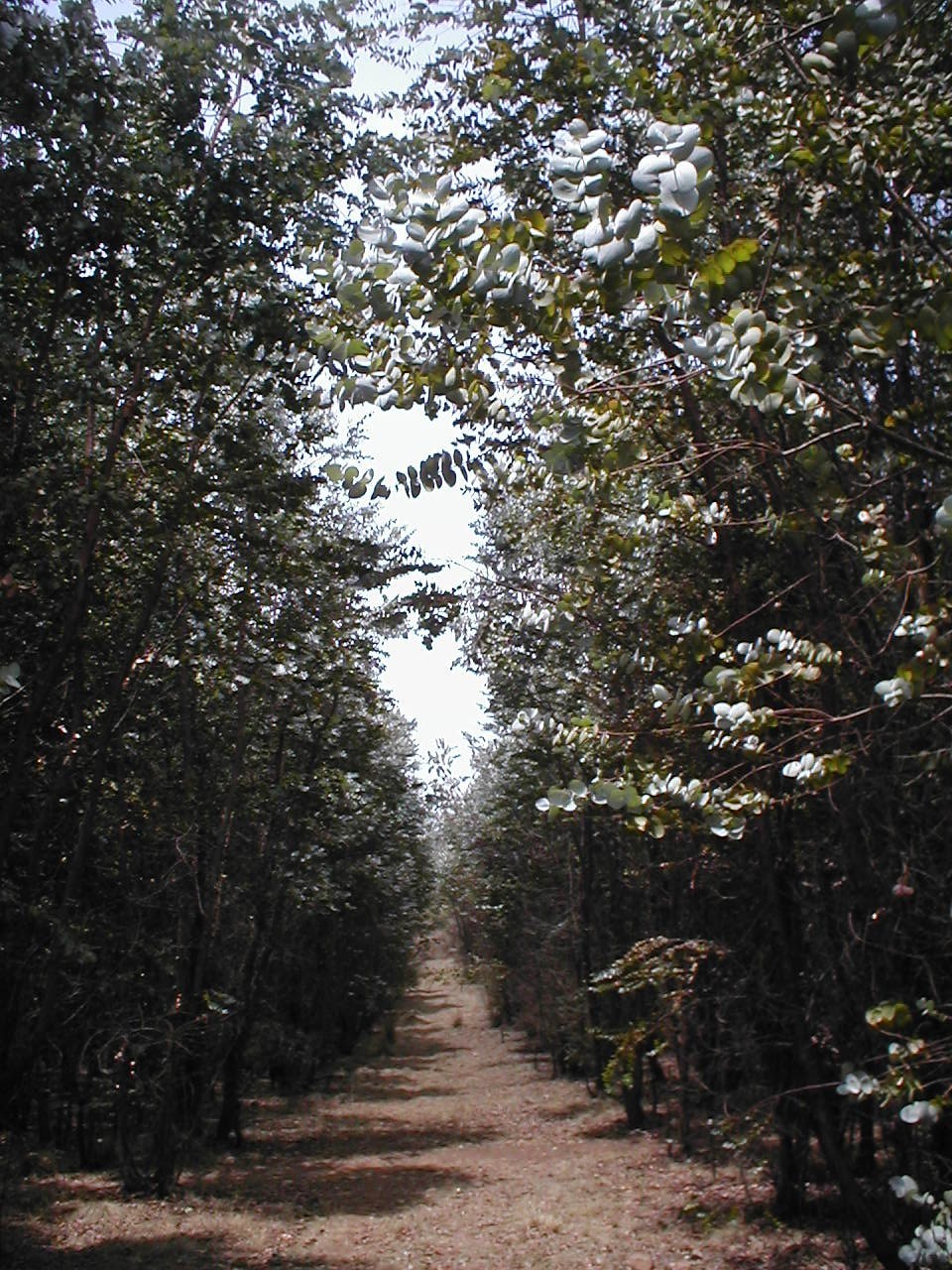
Silver Dollar Eucalyptus is an evergreen tree from Australia grown for its strikingly round, coin-shaped juvenile foliage with a powdery, silvery-blue cast. The aromatic leaves are a staple of the cut-flower trade, used fresh and dried in bouquets, wreaths, and home decor.
In the ground it can grow into a sizable tree, but it is often kept small by hard pruning or coppicing to encourage the prized round juvenile leaves. It can also be grown in containers or as a fast-growing annual in cooler climates.
How to identify it
Identify it by:
- Juvenile leaves: Rounded to oval, stalkless, paired along the stem, silvery blue-green with a waxy bloom
- Adult leaves: Longer, lance-shaped, and more gray-green (appear on mature, unpruned trees)
- Aroma: Strong, fresh, menthol-like eucalyptus scent when crushed
- Bark: Reddish-brown, fibrous, and persistent ('ironbark'-like)
- Flowers: Small, fluffy, creamy-white blooms
- Size: Can reach 25-50 feet as a tree, but often kept low
Care & growing
- Light: Full sun is essential
- Water: Moderate; water young plants regularly, then let the soil dry between waterings once established (drought tolerant)
- Soil: Well-draining; tolerates poor and slightly acidic soils
- Temperature: Hardy to about USDA zone 8; protect from hard freezes
- Feeding: Minimal; eucalyptus dislikes high-phosphorus fertilizers
- Propagation: Usually grown from seed; cuttings are difficult
- Pruning: Coppice or prune hard to keep the round juvenile foliage and a compact shape
Habitat & origin
Native to southeastern Australia (New South Wales and Victoria), where it grows on poor, shallow soils in woodland and on hillsides.
It is cultivated worldwide in warm-temperate and Mediterranean climates as an ornamental and a commercial cut-foliage crop, and is grown in containers or as a seasonal plant in colder regions.
Frequently asked questions
Why are the leaves round on some plants and long on others?
Young plants and hard-pruned ones produce the round juvenile leaves, while mature, unpruned trees develop long, lance-shaped adult leaves.
Can I grow it indoors?
It needs intense full sun and good airflow, so it struggles long-term indoors. It does best outdoors or in a sunny greenhouse.
How do I keep it bushy and small?
Prune or coppice it hard, even cutting it back near the base, to encourage compact growth and the desirable round juvenile foliage.
How is it propagated?
It is usually grown from seed, as cuttings root with difficulty. Seedlings grow quickly into the round-leaved juvenile stage.
Silver Dollar Eucalyptus guides
In-depth guides for identifying, growing, and caring for Silver Dollar Eucalyptus.
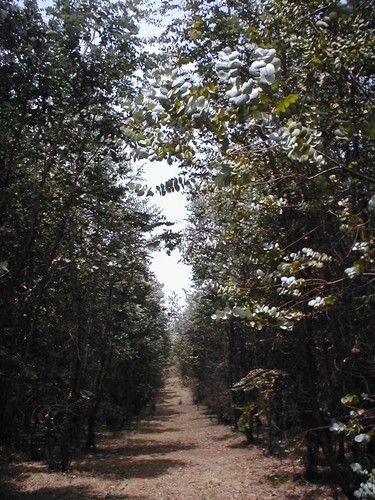
How to Care for Silver Dollar Eucalyptus
Grow Silver Dollar Eucalyptus (Eucalyptus cinerea) for its round, silvery-blue juvenile foliage in full sun with well-drained soil.
Silver Dollar Eucalyptus Identification Guide
Identify Silver Dollar Eucalyptus (Eucalyptus cinerea) by its round, silvery-blue paired leaves, aromatic foliage, and reddish peeling bark.