Silver Maple
Acer saccharinum
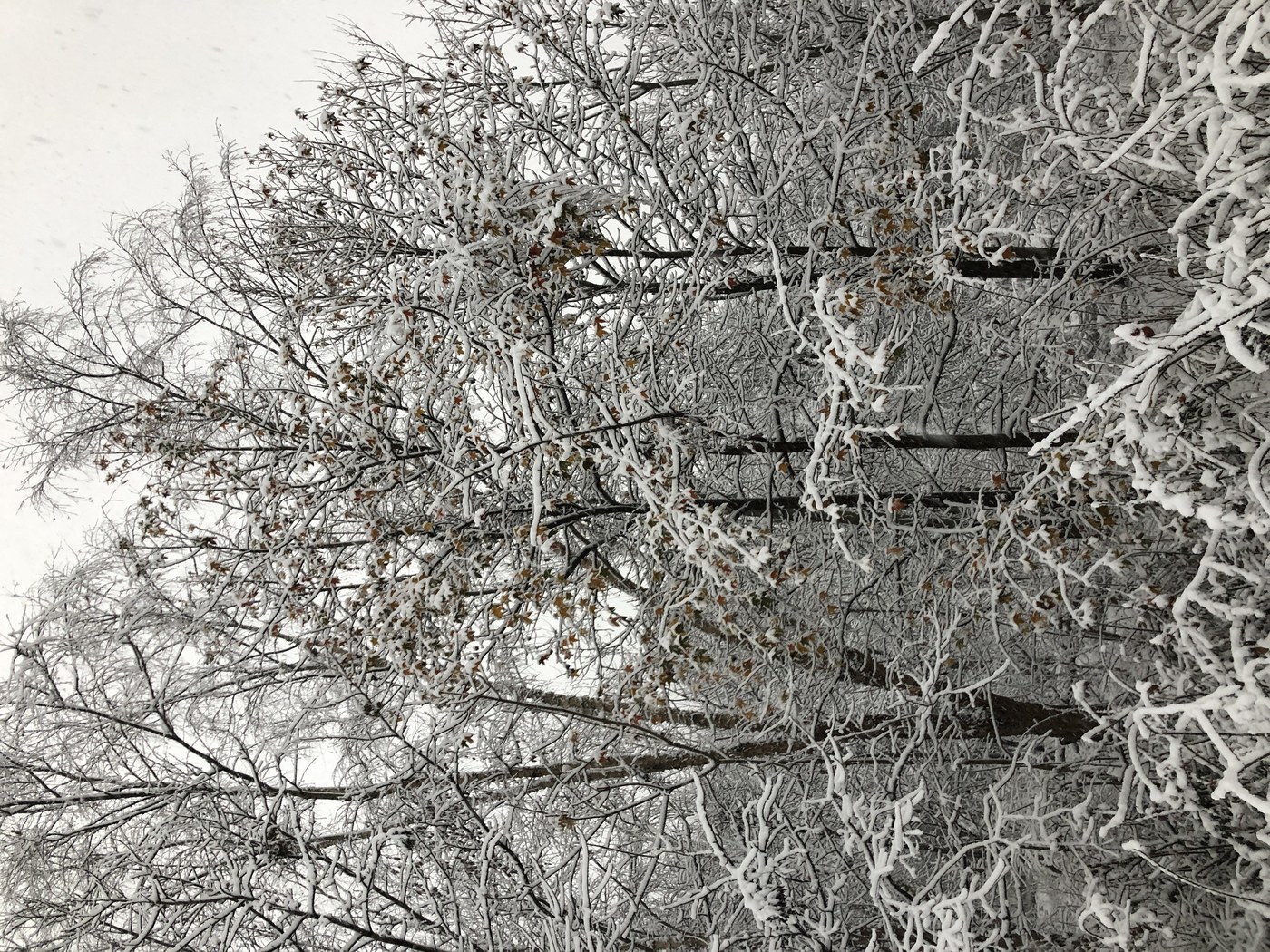
Silver maple is a fast-growing deciduous tree named for the silvery undersides of its deeply cut leaves, which flash in the wind; it is hardy and adaptable but has brittle wood prone to storm damage.
- Light
- Full sun to part shade
- Water
- Moderate to high; tolerates wet soil
- Difficulty
- Easy
Got a plant like this?
Identify any plant from a photo, free.
Overview
Silver maple (Acer saccharinum) is a large, fast-growing maple native to eastern North America. Its name comes from the silvery-white undersides of its leaves, which shimmer when the wind turns them over.
It is one of the quickest-growing shade trees available, which historically made it a popular choice for new neighborhoods. However, its rapid growth comes with weak, brittle wood and aggressive surface roots.
Despite its drawbacks in tight urban sites, it remains a tough, adaptable tree well suited to wet bottomlands and tough conditions.
How to identify it
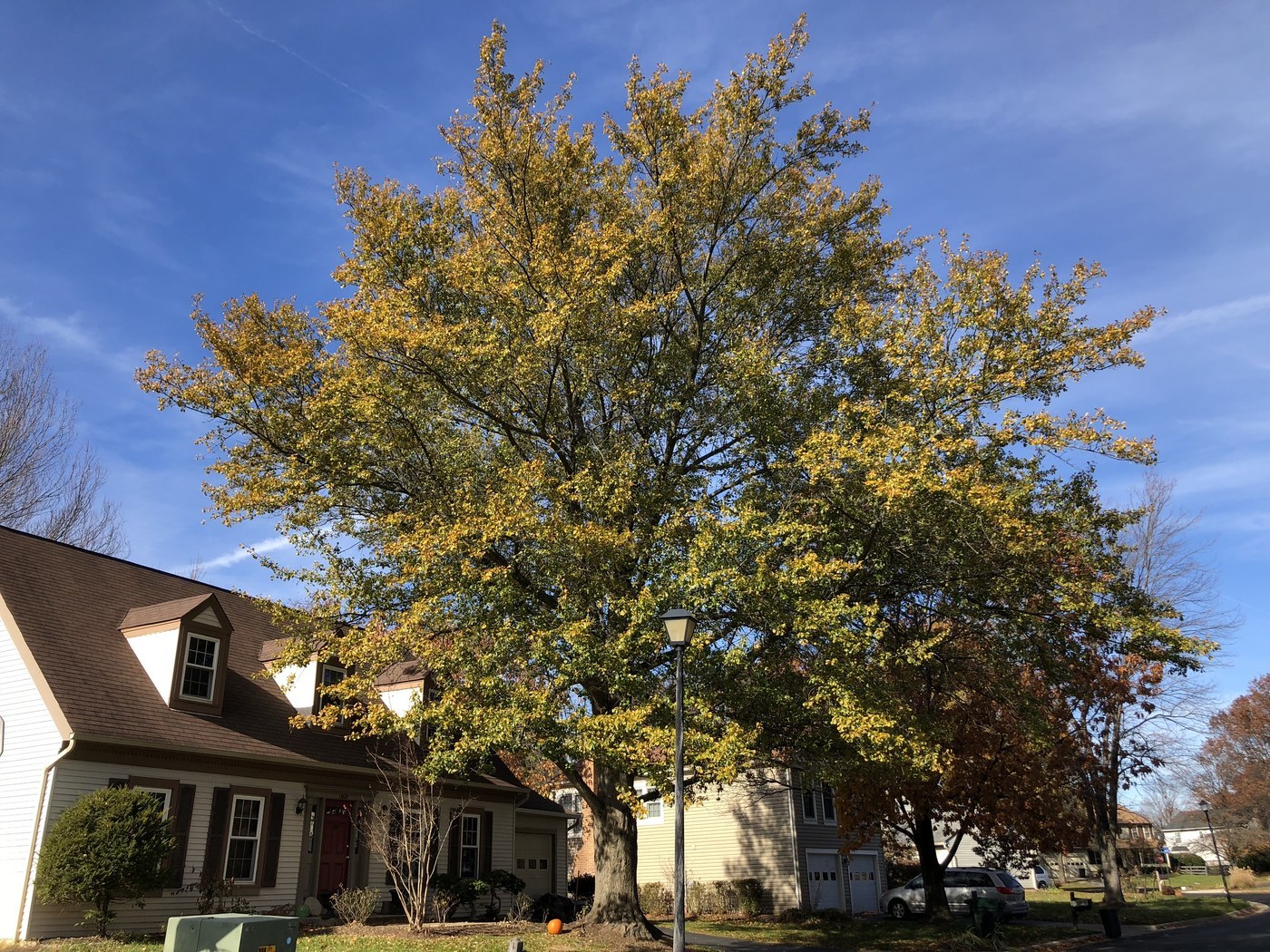
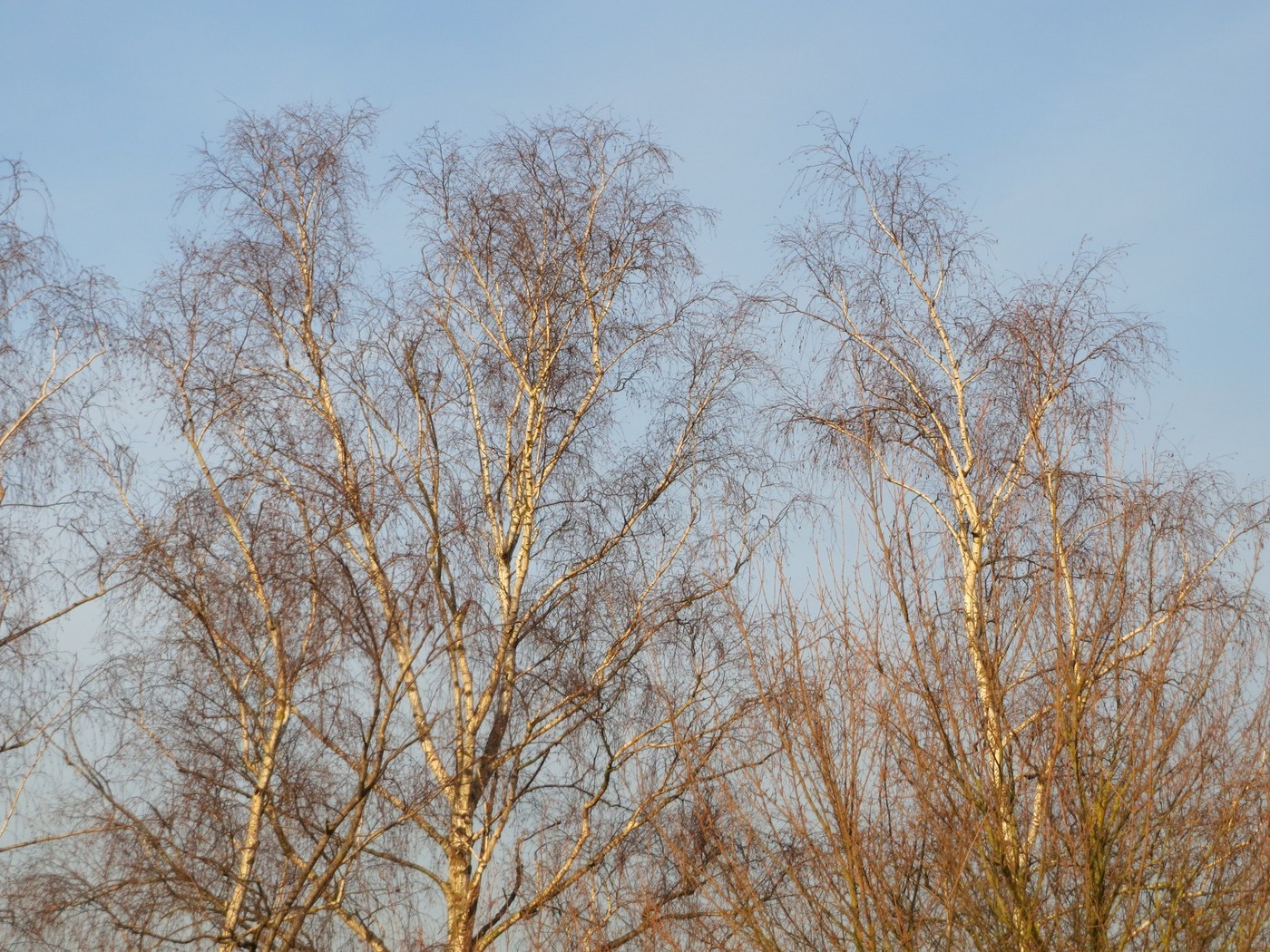
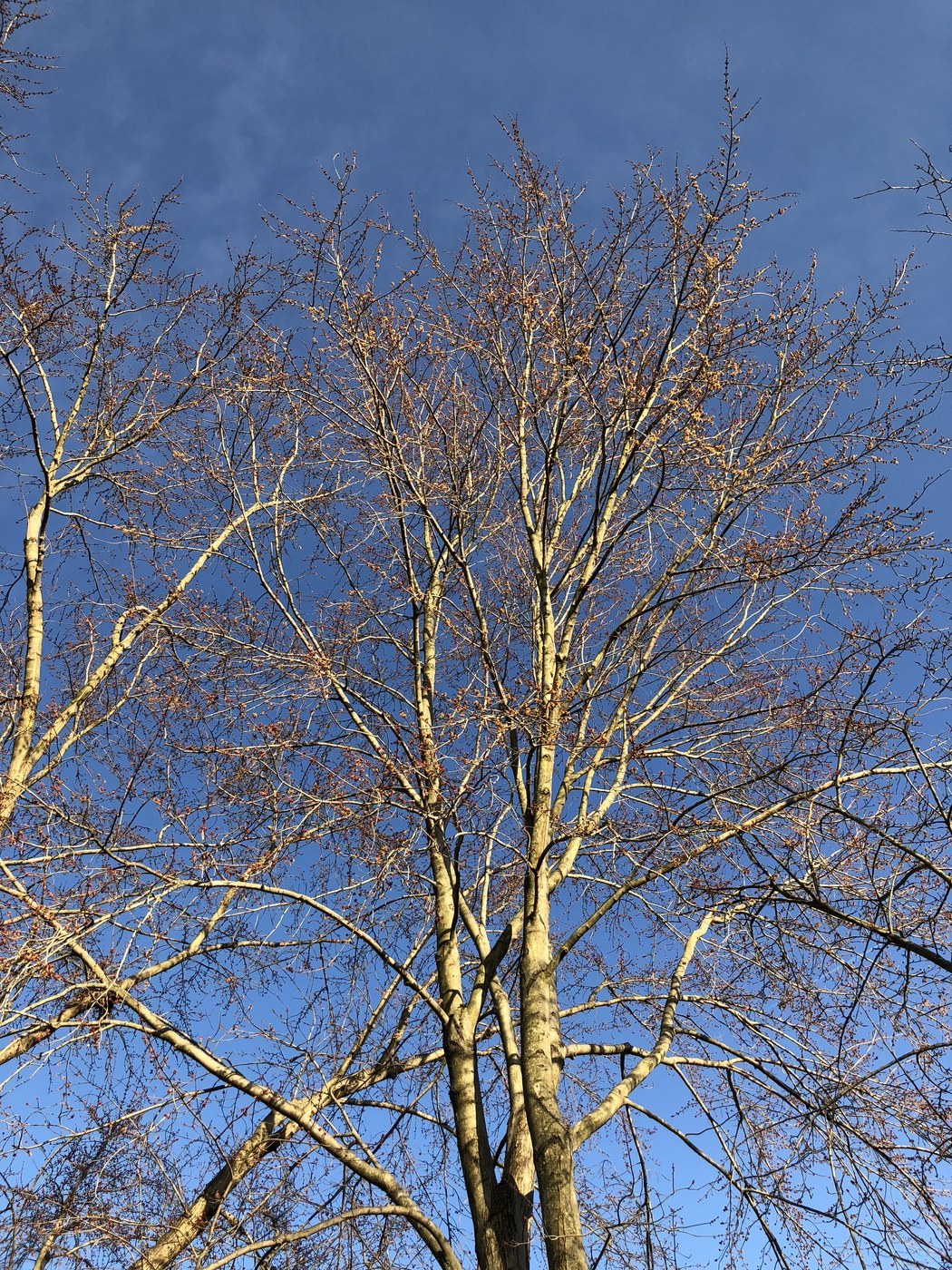
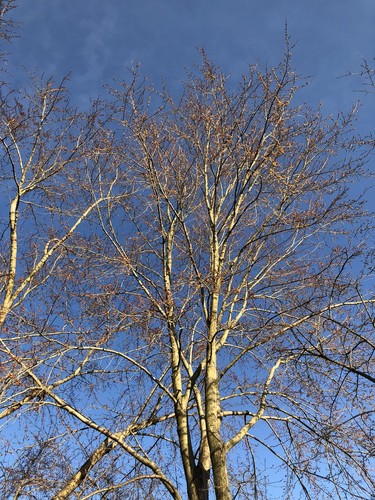
A large deciduous maple with a vase-shaped, spreading crown.
- Leaves: opposite, 8-16 cm, with five deeply cut lobes and sharp, toothed margins; bright green above, distinctly silvery-white below; pale yellow fall color
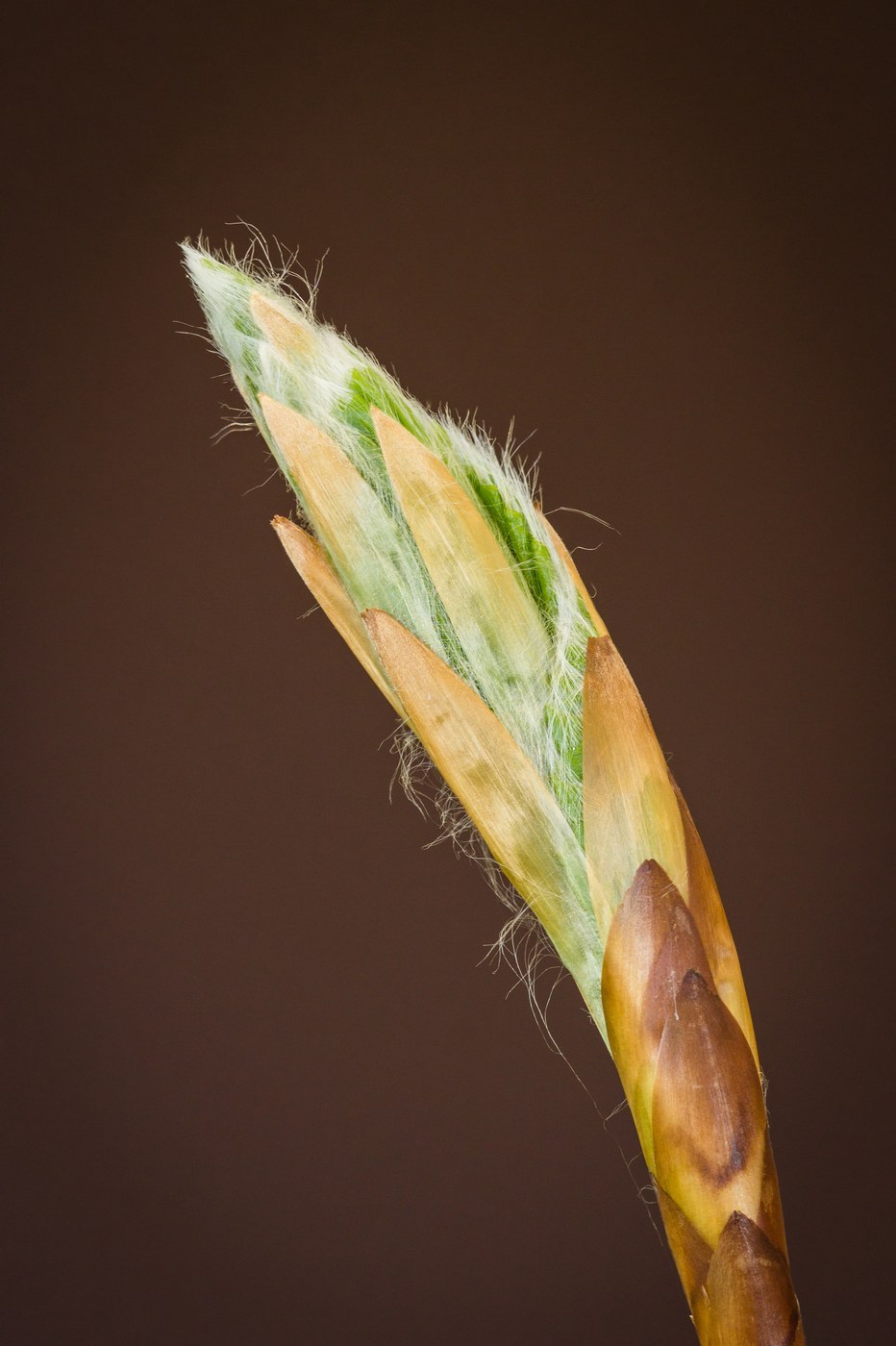
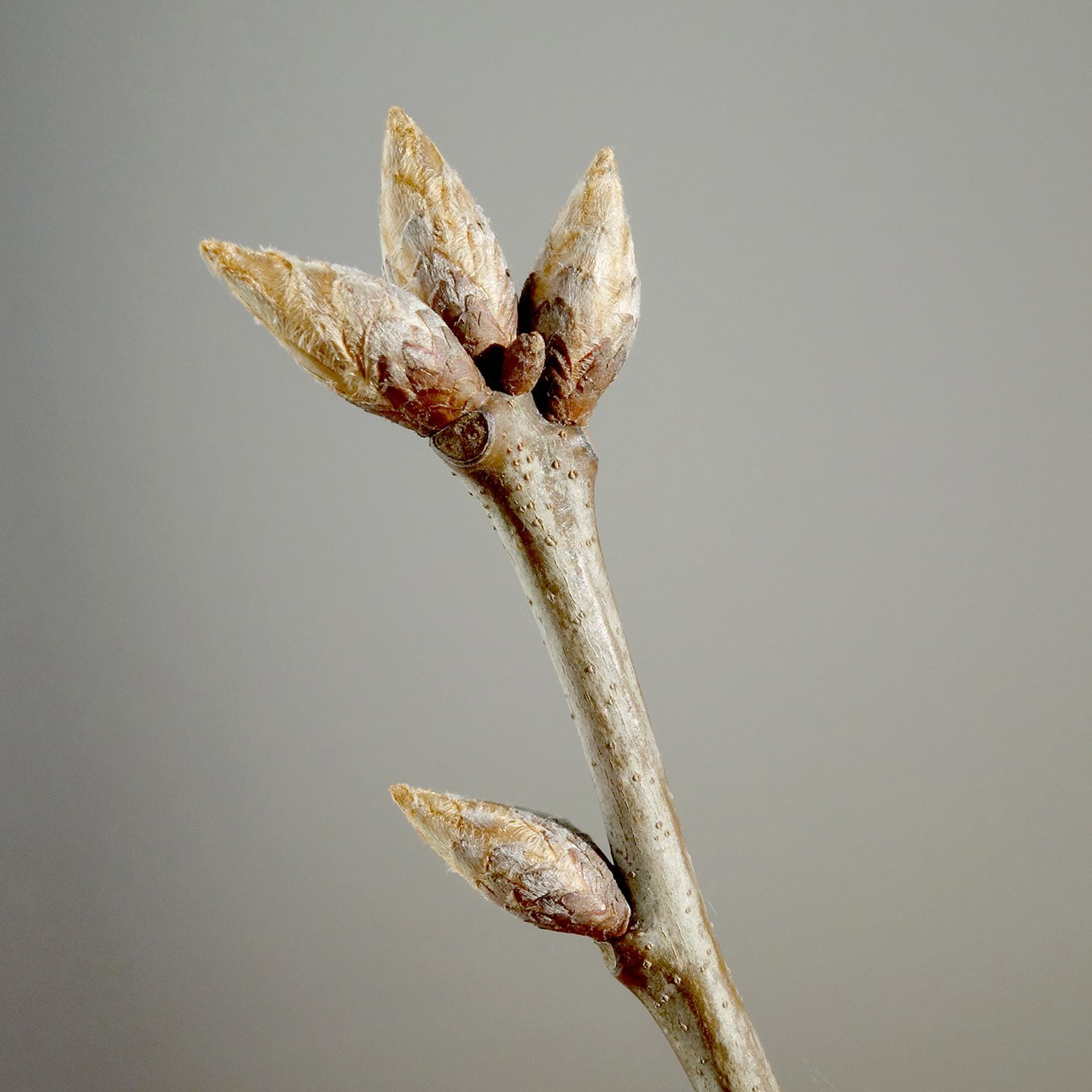
- Twigs/buds: when crushed, broken twigs can have a faintly rank odor; red buds in late winter
- Flowers: small, reddish to greenish, appearing very early in spring before leaves
- Seeds: paired winged samaras, the largest of native maples, with widely diverging wings
- Bark: gray and smooth when young, becoming shaggy and flaky with age
- Size: 15-25 m tall, often with multiple trunks
Care & growing
An undemanding, vigorous tree for large spaces.
- Light: full sun to partial shade
- Water: prefers moist soil and tolerates flooding and wet ground; also fairly drought tolerant once established
- Soil: adaptable to most soils; thrives in moist bottomland conditions
- Temperature: very hardy, USDA zones 3-9
- Feeding: rarely needed
- Propagation: from fresh seed (germinates quickly without dormancy) or softwood cuttings
- Note: brittle limbs make it prone to storm breakage; plant away from buildings and prune for strong structure
Habitat & origin
Native to the eastern and central United States and southeastern Canada, where it grows abundantly along rivers, streams, floodplains, and wet lowlands. It is one of the most flood-tolerant of the maples.
Widely planted as a fast shade tree across temperate regions, though its weak wood and root problems have made it less favored for small urban lots.
Frequently asked questions
Why is it called silver maple?
The undersides of its deeply lobed leaves are silvery-white, so the whole canopy flashes silver when wind flips the leaves.
Is silver maple a good yard tree?
It gives fast shade but has brittle wood prone to storm damage and aggressive, surface-heaving roots, so plant it away from homes, sidewalks, and sewer lines.
How fast does it grow?
Very fast — often 0.6-1 m per year when young — which is both its main appeal and the reason for its weak wood.
How can I tell it from other maples?
Its deeply cut, five-lobed leaves with bright silvery-white undersides and the largest winged samaras of any native maple are the clearest clues.
Silver Maple guides
In-depth guides for identifying, growing, and caring for Silver Maple.
How to Care for Silver Maple
Grow Silver Maple (Acer saccharinum), a fast, adaptable shade tree with silvery-backed leaves that flash in the wind.
Silver Maple Identification Guide
Recognize silver maple by its deeply five-lobed leaves with silvery undersides, large paired samaras, and shaggy flaking bark.