Western Red Cedar
Thuja plicata
Western red cedar is a large, aromatic evergreen conifer of the Pacific Northwest, famed for its rot-resistant, fragrant wood and flat sprays of scale-like foliage. It is a cultural and ecological cornerstone of the region.
- Light
- Full sun to partial shade
- Water
- Prefers consistently moist soil
- Difficulty
- Easy
Got a plant like this?
Identify any plant from a photo, free.
Overview
Western red cedar is a large evergreen conifer in the cypress family — not a true cedar — native to the moist Pacific Northwest of North America. It is one of the most important and culturally significant trees of the region.
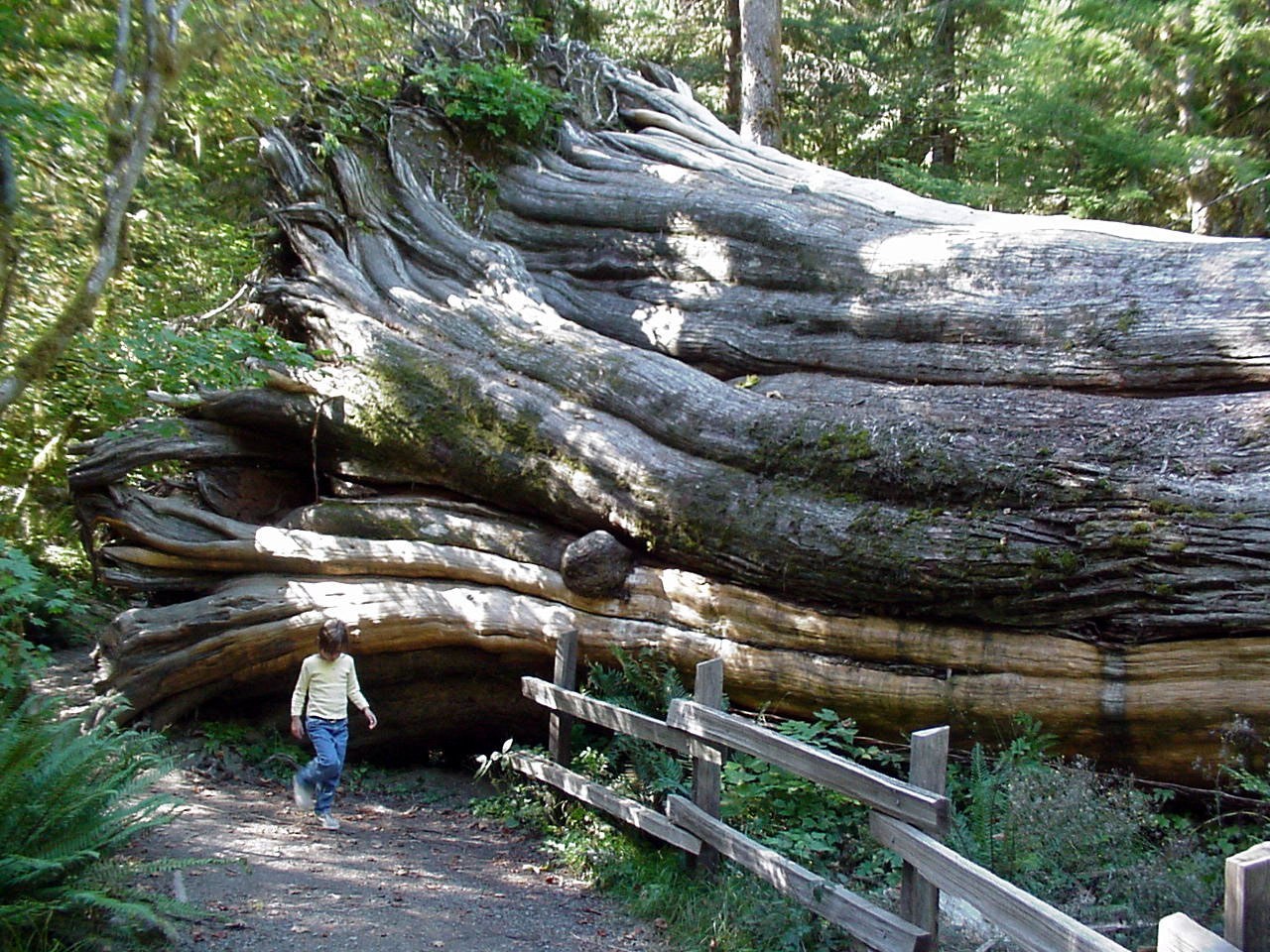
The tree is renowned for its fragrant, lightweight, naturally rot-resistant wood, which has been used for everything from totem poles and canoes to roofing shingles and outdoor furniture. Its flattened sprays of scale-like foliage and fibrous, peeling reddish-brown bark are distinctive.
Western red cedar can live for many centuries and grow to immense size in old-growth forests. It is also widely planted as an ornamental, hedge and screen, with many cultivars available.
How to identify it
- Foliage: Flattened sprays of small, scale-like leaves pressed against the twigs, glossy green above with whitish, butterfly-shaped markings beneath; pineapple-like scent when crushed
- Cones: Small (1–1.5 cm), upright, slender, green ripening to brown, with overlapping woody scales
- Bark: Reddish-brown to grey, fibrous, stringy and peeling in long vertical strips
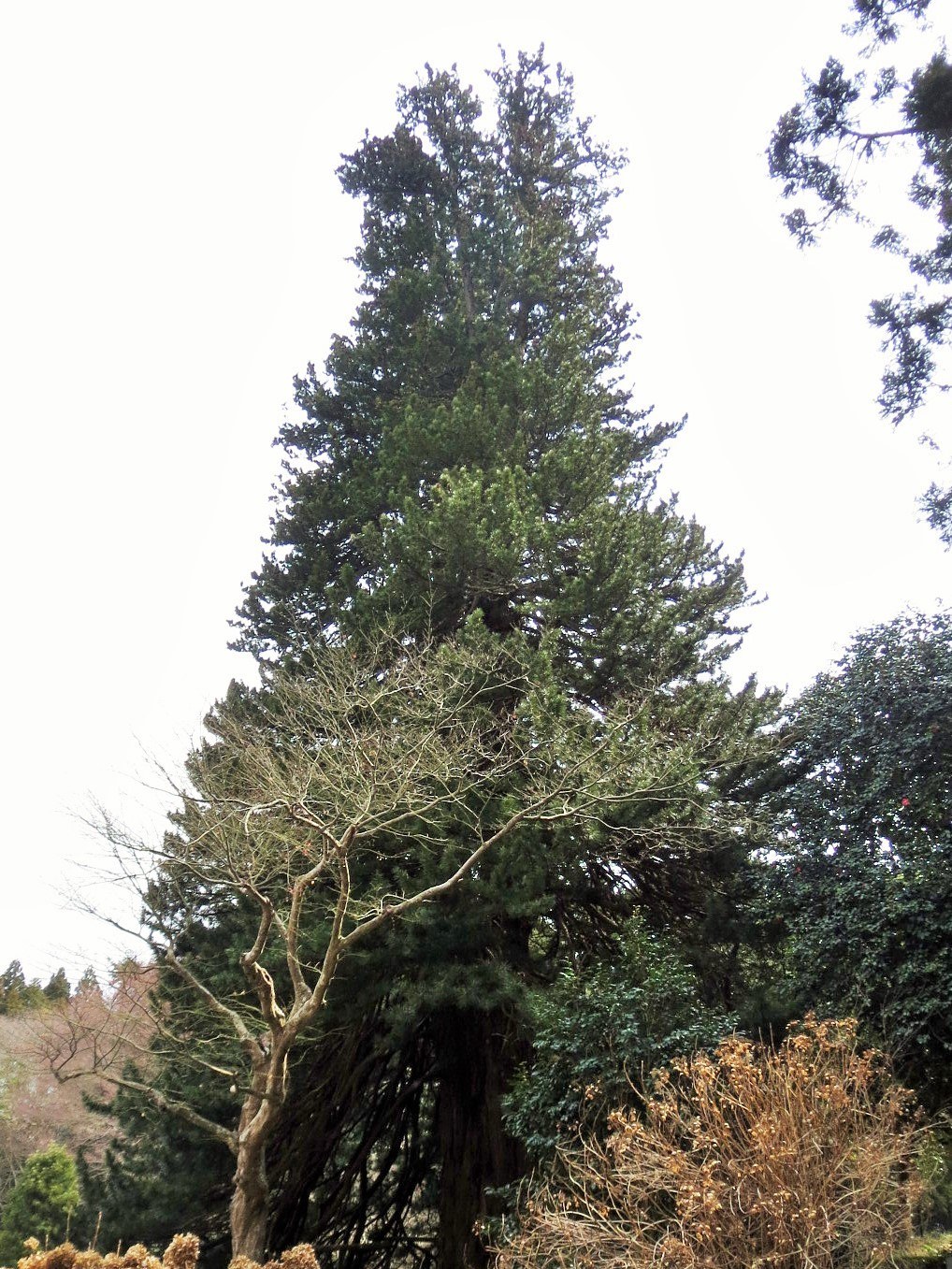
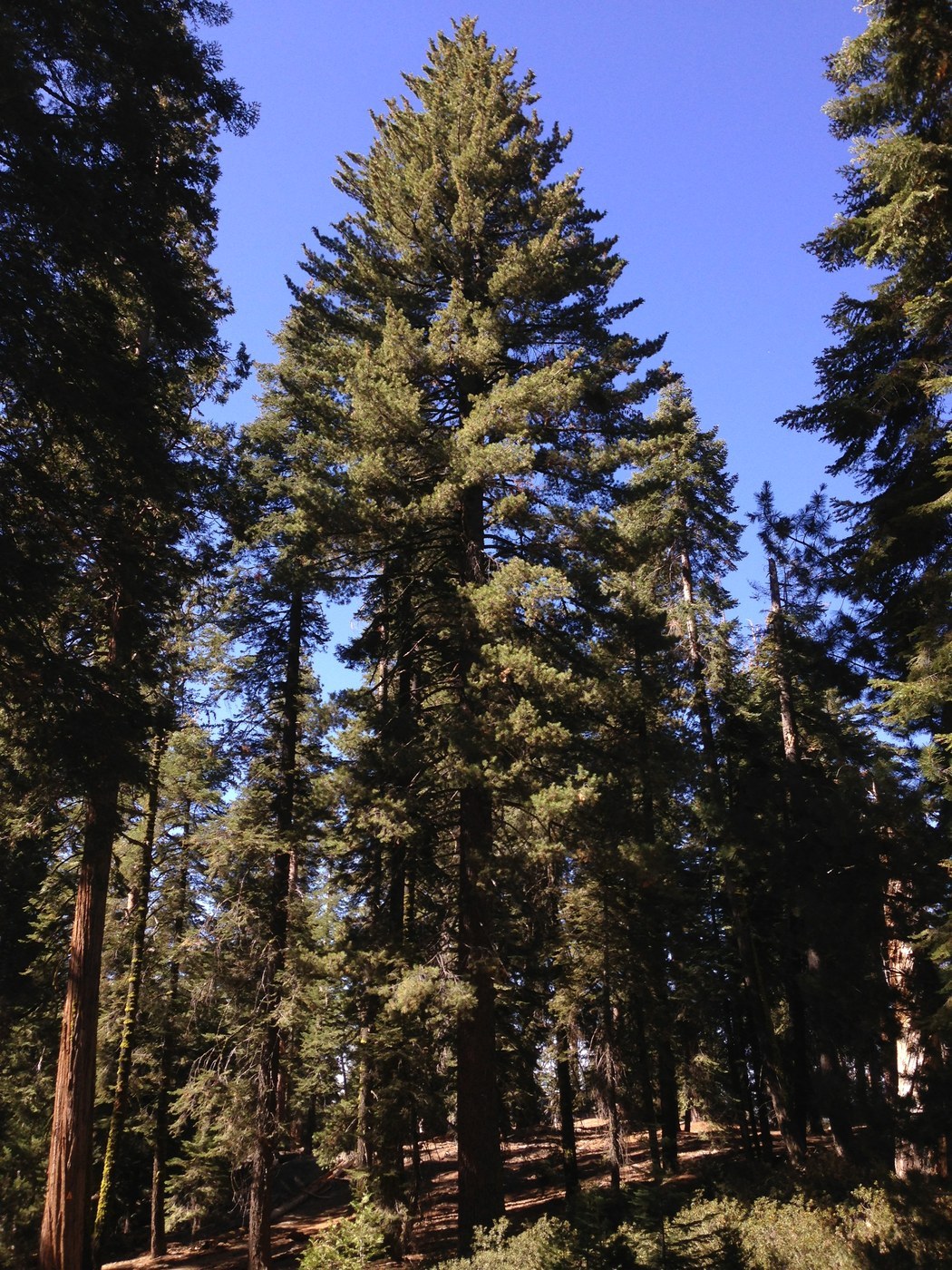
- Size: Commonly 30–60 m (100–200 ft) tall in the wild; smaller in cultivation
- Habit: Conical to columnar with a buttressed, often fluted trunk and drooping branch tips
- Aroma: Foliage and wood are strongly and pleasantly aromatic
Care & growing
Light: Full sun to partial shade; tolerates more shade than most conifers.
Water: Prefers consistently moist soil; not very drought-tolerant. Keep young trees and hedges well watered, especially in dry spells.
Soil: Moist, fertile, well-drained soils are ideal; tolerates a range including damp ground, but dislikes drought.
Temperature: Hardy in USDA zones 5–8; adapted to the cool, humid maritime Northwest climate.
Feeding: Light feeding in spring supports hedges and young plants.
Pruning: Tolerates trimming well, making it a popular hedge and screen plant.
Propagation: Grown from seed or, for cultivars, from cuttings.
Habitat & origin
Thuja plicata is native to the Pacific Northwest of North America, from coastal Alaska and British Columbia south through Washington and Oregon to northern California, and inland to the Rocky Mountains of Idaho and Montana.
It thrives in cool, moist, often rainy forests, frequently in shady, damp valley bottoms and along streams, where it can form towering old-growth stands. It is widely cultivated as an ornamental and hedging plant in temperate maritime climates around the world.
Frequently asked questions
Is western red cedar a true cedar?
No. Despite its name, it belongs to the cypress family (genus Thuja), not the true cedar genus Cedrus. It is sometimes called giant arborvitae.
Why is western red cedar wood so popular for outdoor use?
Its wood is naturally rich in oils that make it lightweight, dimensionally stable and resistant to rot and insects, so it lasts for decades outdoors without chemical treatment — ideal for shingles, decking and fencing.
Does western red cedar make a good hedge?
Yes. It tolerates trimming well, grows densely and stays evergreen, making it a popular choice for tall hedges and privacy screens in suitable moist climates.
How much water does western red cedar need?
It prefers consistently moist soil and is not very drought-tolerant. Water young trees and hedges regularly, especially during dry periods, to prevent browning.
Western Red Cedar guides
In-depth guides for identifying, growing, and caring for Western Red Cedar.
How to Care for Western Red Cedar
Grow Western red cedar (Thuja plicata) as a lush evergreen screen or specimen with moist soil, sun to part shade, and easy, low-fuss care.
Western Red Cedar Identification Guide
Identify western red cedar by its flat, fern-like sprays of scale leaves, fibrous reddish bark, and small upturned cones. Includes how to tell it from incense cedar, arborvitae, and Port Orford cedar.