American Holly
Ilex opaca
American Holly is a slow-growing evergreen tree of the eastern United States, prized for its spiny leathery leaves and bright red winter berries. It is a classic source of holiday greenery.
- Light
- Full sun to part shade
- Water
- Moderate; keep soil evenly moist
- Difficulty
- Easy
Got a plant like this?
Identify any plant from a photo, free.
Overview
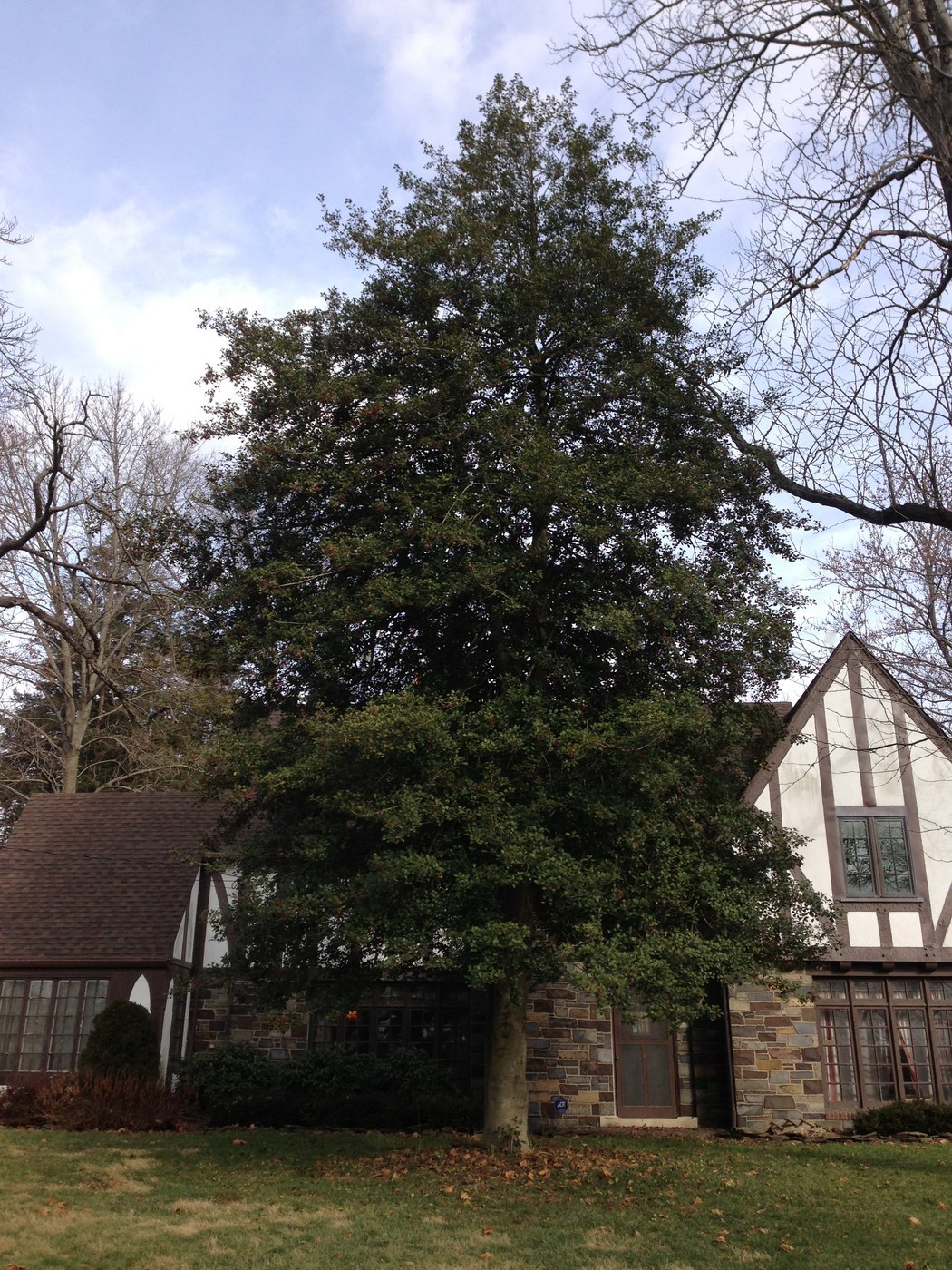
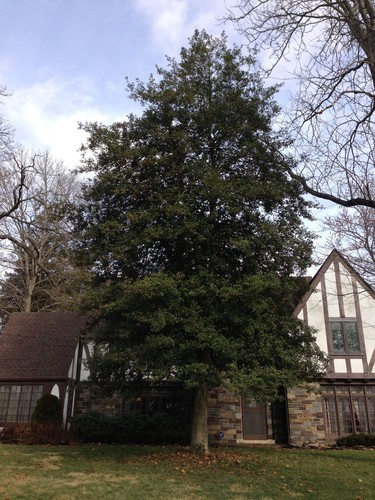
American Holly (Ilex opaca) is a broadleaf evergreen tree native to the eastern and central United States. It typically grows 15 to 30 feet tall in cultivation, though wild specimens can exceed 50 feet, forming a dense pyramidal crown.
Unlike the glossy English holly, American Holly has duller, matte green foliage, but it is far hardier in cold North American climates. It is the source of much traditional Christmas greenery.
Holly is dioecious, meaning male and female flowers grow on separate plants; only female trees bear the showy red berries, and a nearby male is needed for pollination.
How to identify it
- Leaves: Stiff, leathery, matte-green evergreen leaves 2 to 4 inches long with several sharp spiny teeth along the wavy margins
- Berries: Round, bright red drupes about 1/4 inch wide, ripening in fall and persisting through winter (female trees only)
- Bark: Smooth, light gray, often warty with age
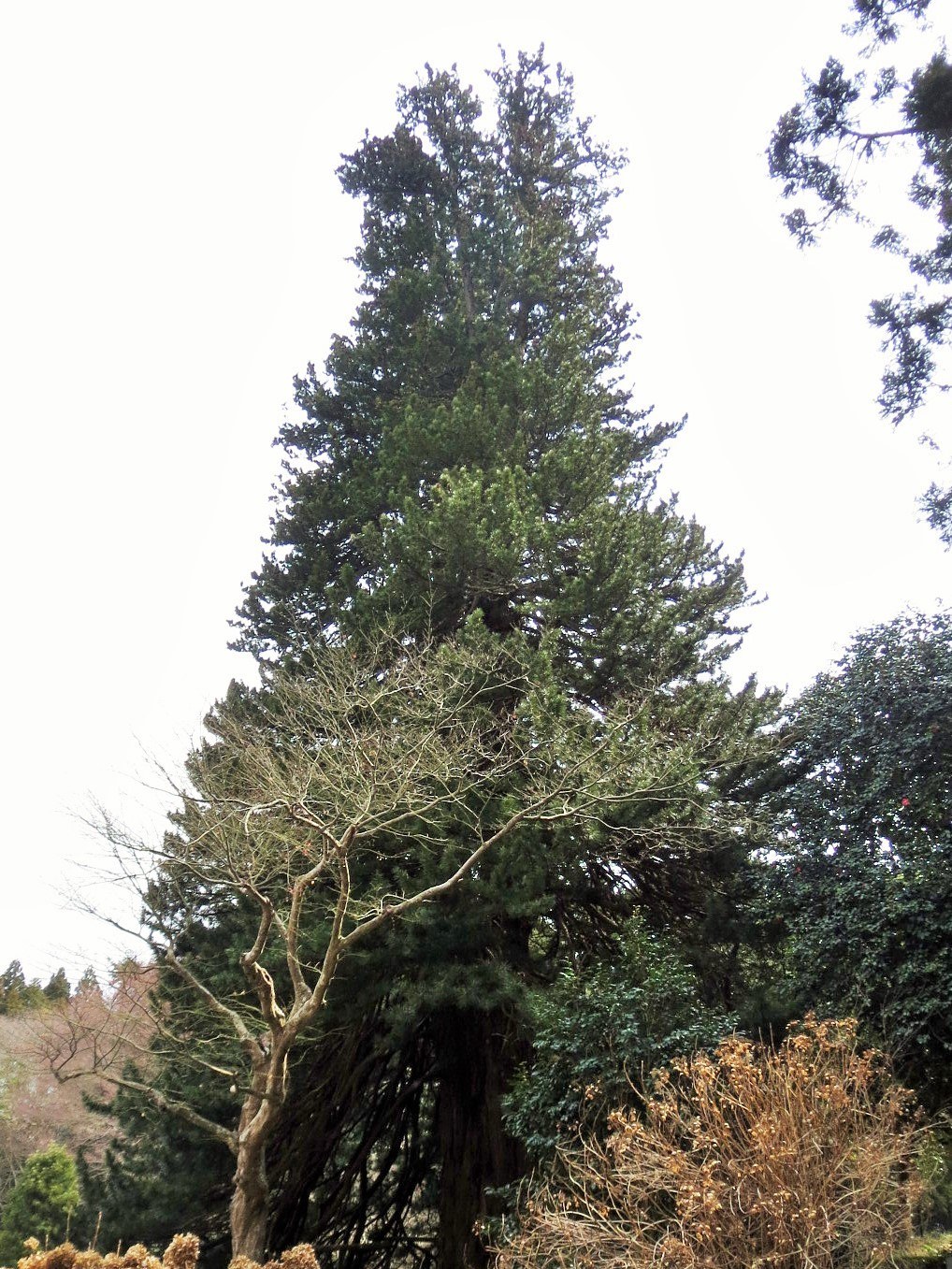
- Habit: Dense, conical to pyramidal evergreen tree with branches to the ground
- Flowers: Small, greenish-white, inconspicuous, blooming late spring
Care & growing
American Holly is adaptable but prefers consistent moisture and acidic soil.
- Light: Full sun yields the densest growth and best berry set, but it tolerates part shade
- Water: Keep soil evenly moist, especially when young; mature trees tolerate brief dry spells
- Soil: Moist, well-drained, acidic (pH 5 to 6.5) loam rich in organic matter
- Temperature: Hardy in USDA zones 5 to 9
- Feeding: Light spring feeding with an acid-forming fertilizer; avoid over-fertilizing
- Propagation: Semi-hardwood cuttings in summer or stratified seed (slow to germinate)
Plant at least one male holly within about 200 feet of females for reliable fruiting.
Habitat & origin
American Holly is native to the eastern United States, from coastal Massachusetts south to Florida and west to Texas and Missouri. It grows in moist woodlands, floodplains, and well-drained coastal soils, often as an understory tree.
It is widely planted as an ornamental and screening tree throughout temperate North America and is the official state tree of Delaware.
Frequently asked questions
Why doesn't my American Holly have berries?
Holly is dioecious. Only female trees produce berries, and they need a male holly nearby for pollination. The tree may also be too young or too shaded.
How fast does American Holly grow?
It is slow-growing, typically adding under a foot to about a foot per year, which makes it dense and long-lived but requires patience.
Can American Holly be pruned into a hedge?
Yes. It tolerates shearing well and is often pruned in late winter to maintain a formal hedge or pyramidal shape.
How can I tell American Holly from English holly?
American Holly has duller, matte green leaves and is hardier in cold climates, while English holly has glossier foliage. Both have spiny leaf margins and red berries on female plants.
American Holly guides
In-depth guides for identifying, growing, and caring for American Holly.
How to Care for American Holly
American Holly is a stately evergreen tree with glossy spined leaves and bright winter berries, easy to grow in moist, well-drained soil.
American Holly Identification Guide
How to recognize American Holly (Ilex opaca) by its stiff spine-tipped evergreen leaves, gray bark, and bright red winter berries.