American Sycamore
Platanus occidentalis
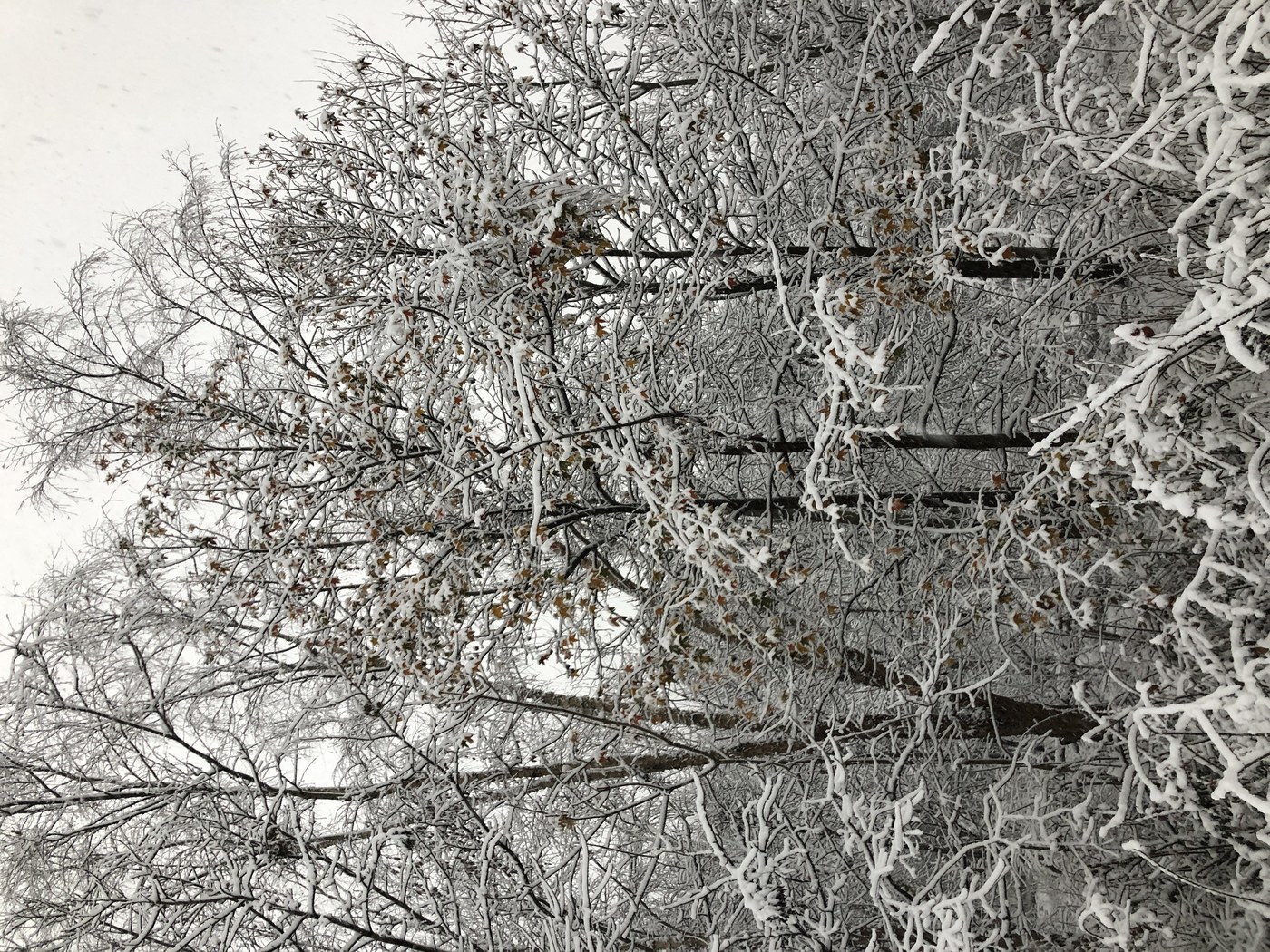
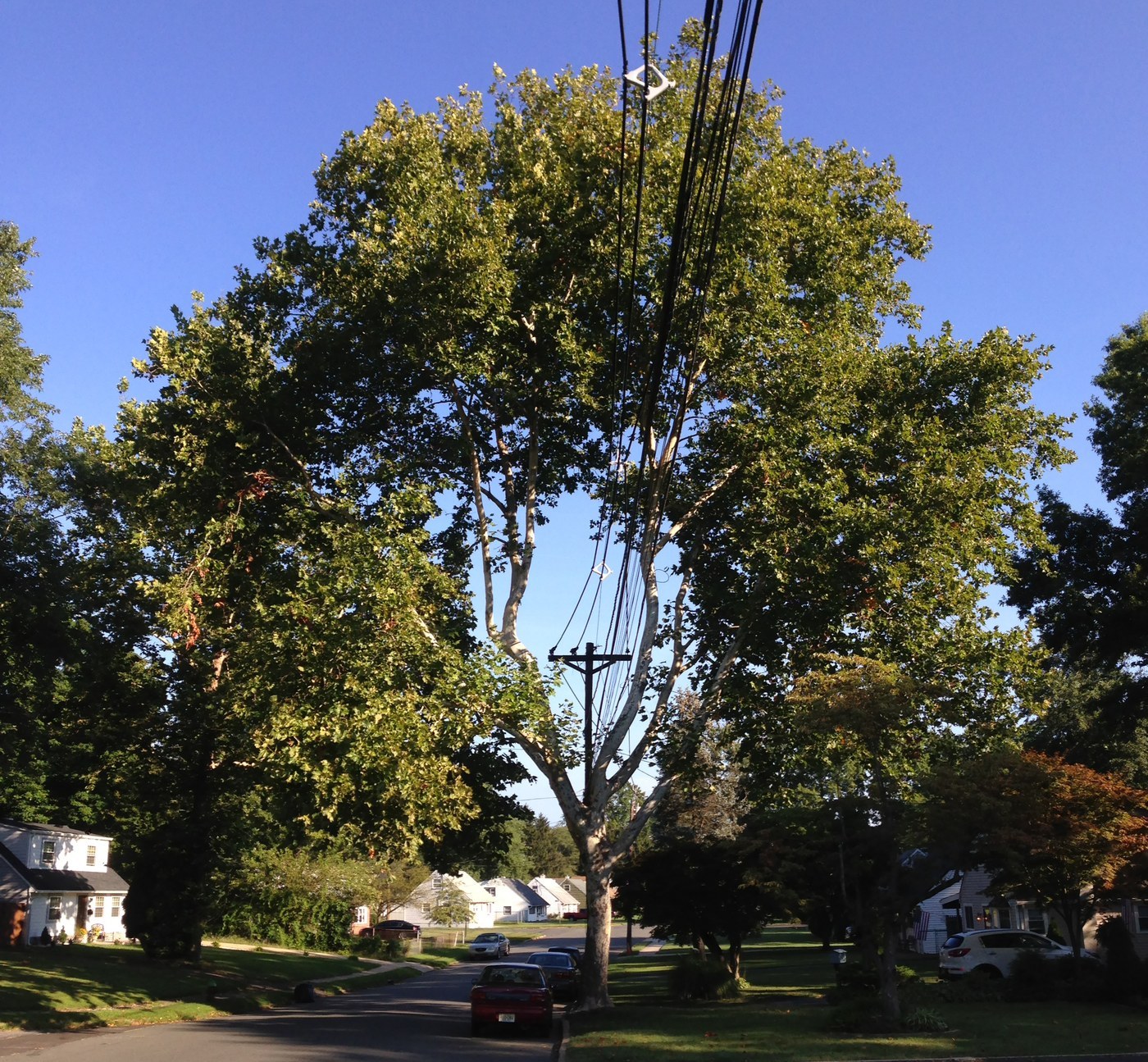
The American sycamore is one of the largest hardwoods in eastern North America, known for its mottled, peeling bark that reveals creamy-white inner layers. It grows fast and massive along rivers and bottomlands.
- Light
- Full sun
- Water
- High; tolerates wet soil
- Difficulty
- Easy
Got a plant like this?
Identify any plant from a photo, free.
Overview
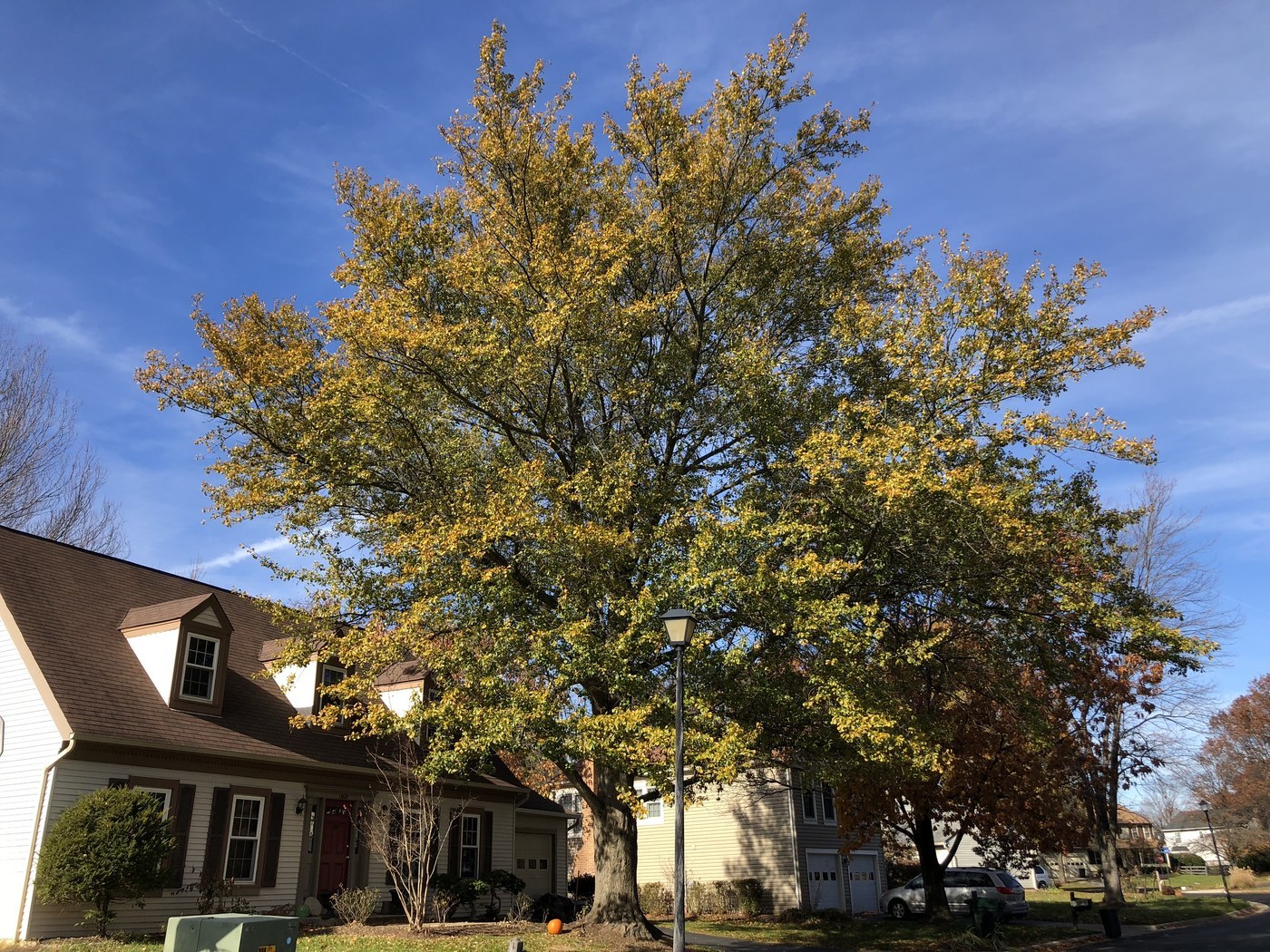
American sycamore (Platanus occidentalis) is a towering deciduous tree of river bottoms and floodplains, often ranking among the most massive trees of the eastern United States by trunk diameter.
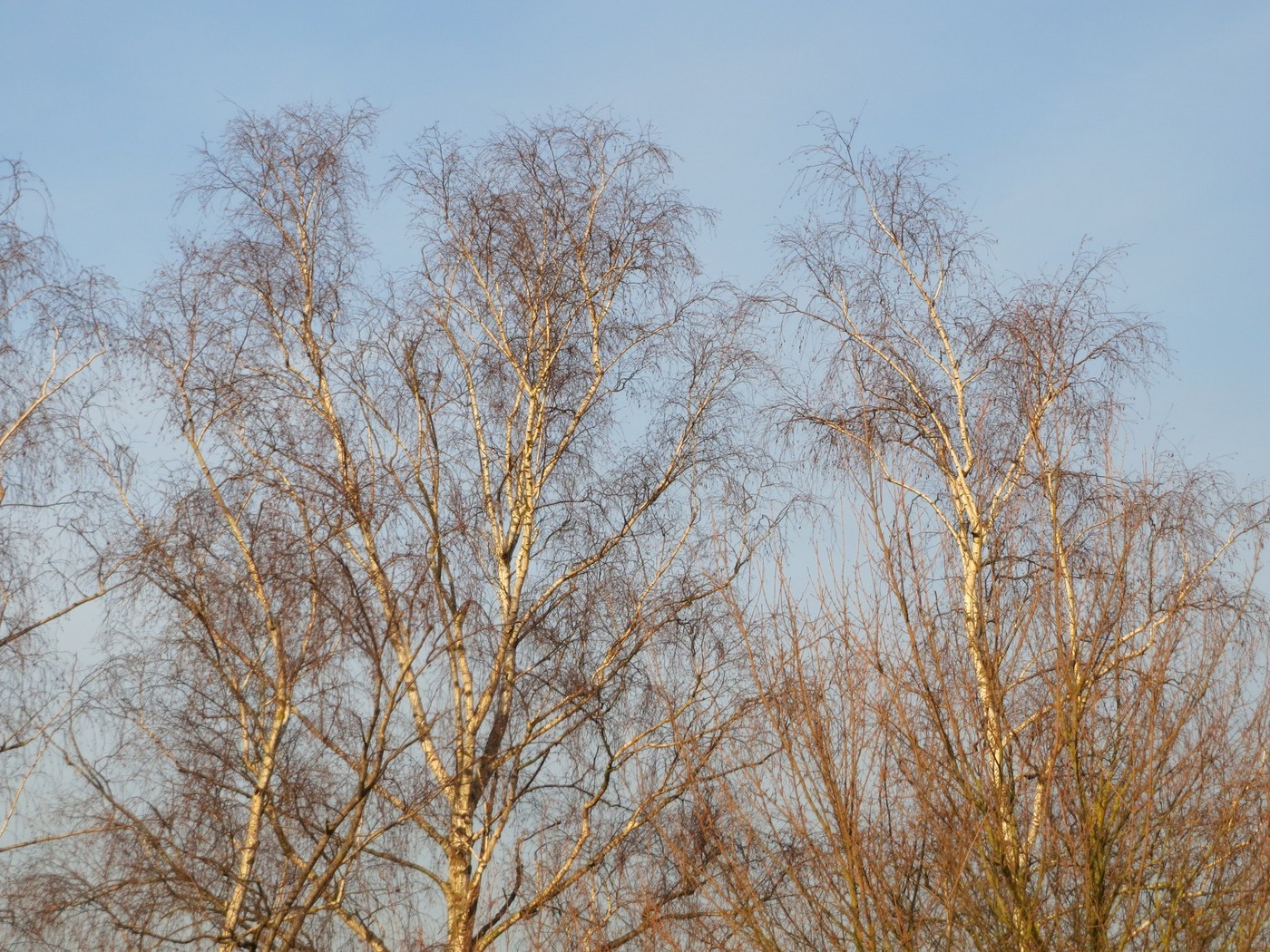
Its most striking feature is the camouflage-patterned bark that flakes off in patches to expose smooth, creamy-white to pale-green inner bark, especially bright on the upper trunk and limbs. Round seed balls dangle through winter, giving it the name buttonball tree.
How to identify it
- Bark: Mottled and peeling, flaking into tan, gray, and brown patches over smooth, creamy-white inner bark; upper trunk often nearly white
- Leaves: Very large, maple-like leaves with 3-5 broad lobes and coarse teeth; base of the leafstalk hollow over the bud
- Fruit: Spherical, fuzzy seed balls (about 1 inch) hanging singly on long stalks into winter
- Form: Massive, broad, open crown; commonly 75-100 ft tall with a very thick trunk
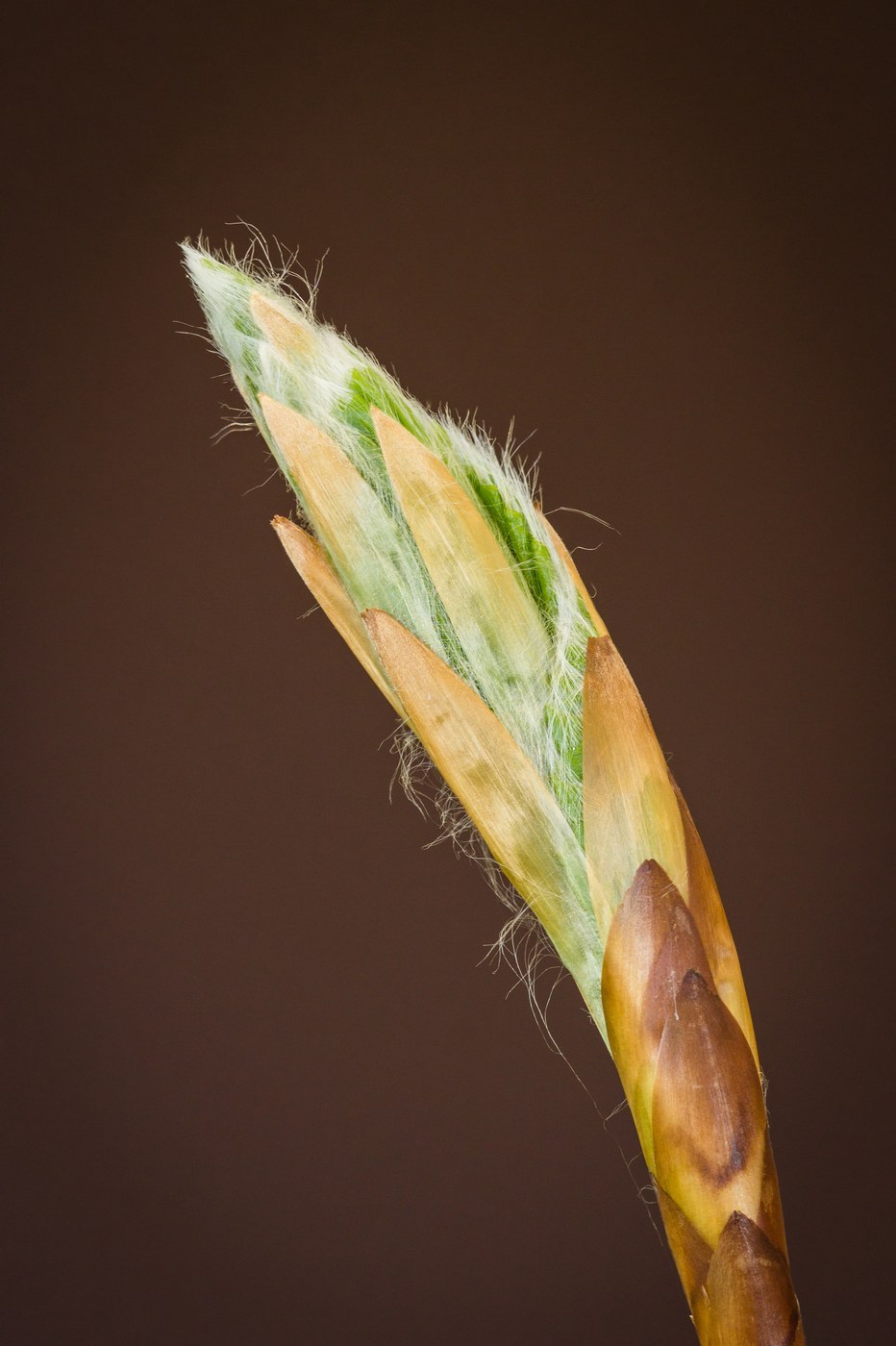
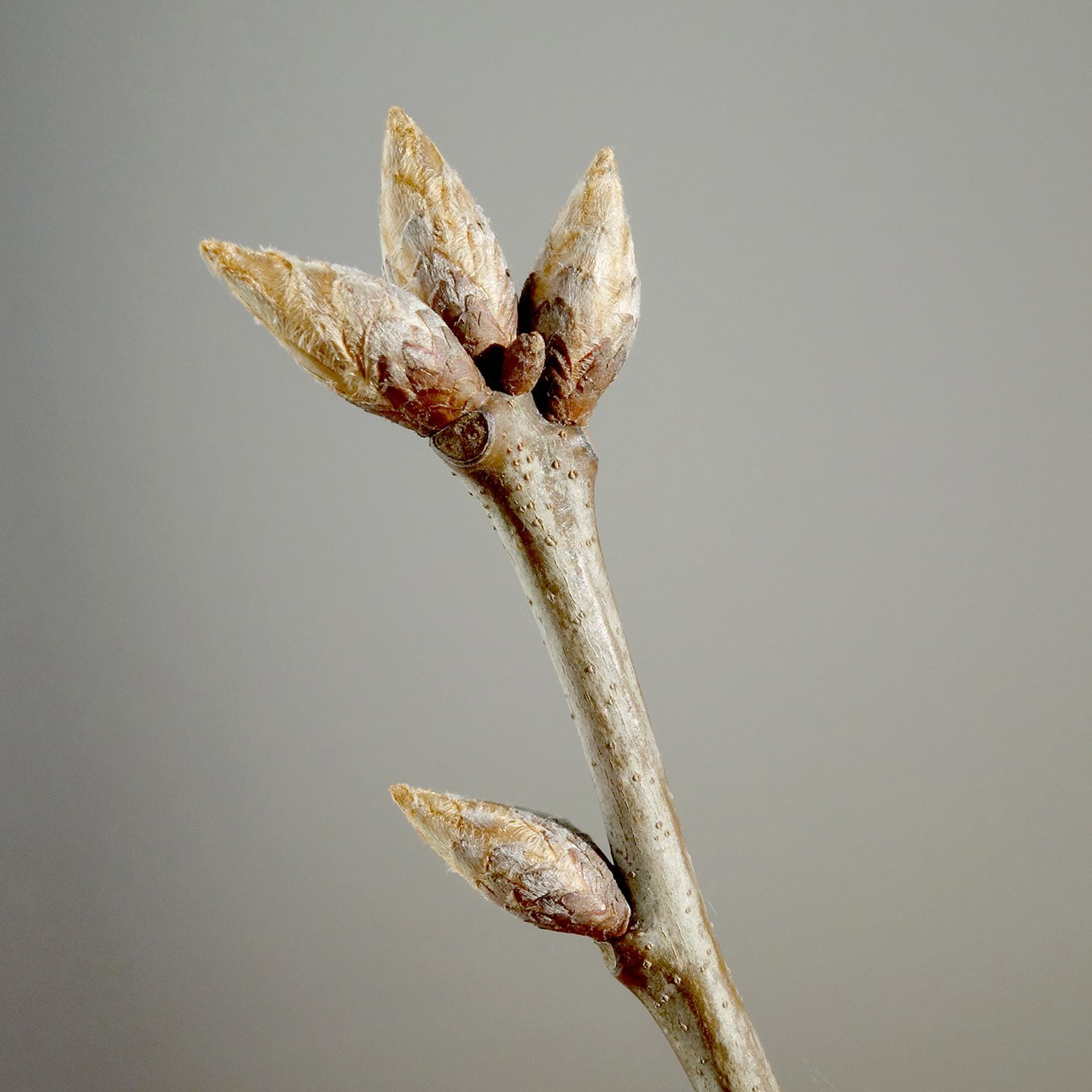
- Twigs: Zigzag with leaf scars encircling the bud
Care & growing
Light: Full sun.
Water: Loves abundant moisture and tolerates flooding and wet soils; also handles some drought once established.
Soil: Deep, rich, moist bottomland soils preferred, but widely adaptable.
Temperature: Hardy USDA zones 4-9.
Feeding: Rarely needed.
Propagation: Grown from seed or cuttings. Give it ample space; falling bark, large leaves, and seed balls create significant litter. Anthracnose can cause early leaf drop in wet springs.
Habitat & origin
American sycamore is native to eastern and central North America, where it lines riverbanks, streams, floodplains, and moist bottomlands. It is a classic indicator of watercourses.
It is planted as a large shade and street tree, and its hybrid, the London plane, is widely used in cities for its pollution tolerance.
Frequently asked questions
Why does sycamore bark peel and look white?
The bark is rigid and cannot stretch as the trunk grows, so it flakes off in patches, exposing smooth, creamy-white inner bark, especially on the upper trunk.
What are the round balls hanging from a sycamore?
They are the seed balls (fruit), made of many tiny seeds packed together. They give the tree the nickname buttonball tree and persist into winter.
How big do American sycamores get?
Very big. They are among the most massive trees in eastern North America, often reaching 75-100 feet tall with exceptionally thick trunks.
Is sycamore good for a small yard?
No. Its huge size, aggressive roots, and heavy litter of bark, leaves, and seed balls make it best suited to large, open spaces near water.
American Sycamore guides
In-depth guides for identifying, growing, and caring for American Sycamore.
How to Care for American Sycamore
Grow the majestic American Sycamore: a fast, massive shade tree that loves full sun and moist-to-wet soil along streams and lawns.
American Sycamore Identification Guide
Identify American sycamore (Platanus occidentalis) by its mottled, peeling camouflage bark with white upper trunk, large maple-like leaves, and dangling round seed balls.