Canna Lily
Canna indica
Canna lily is a bold tropical perennial grown for its large paddle-shaped leaves and vivid flower spikes. Despite the name it's not a true lily, and its rhizomes are lifted in cold climates.
- Light
- Full sun
- Water
- Plentiful; keep soil moist
- Difficulty
- Easy
Got a plant like this?
Identify any plant from a photo, free.
Overview
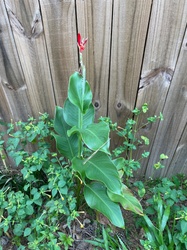
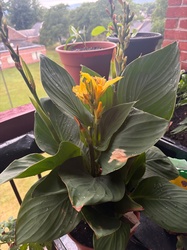
Canna lily (Canna, often C. indica and many hybrids) is a rhizomatous tropical perennial valued for its dramatic foliage and brilliant flowers. The broad, banana-like leaves come in green, bronze, burgundy or striped patterns, while the flower spikes blaze in red, orange, yellow and pink.
Despite the common name, cannas are not true lilies. They give a lush, tropical look to summer borders and water-garden margins. In cold climates the rhizomes are dug and stored over winter, then replanted in spring.
How to identify it
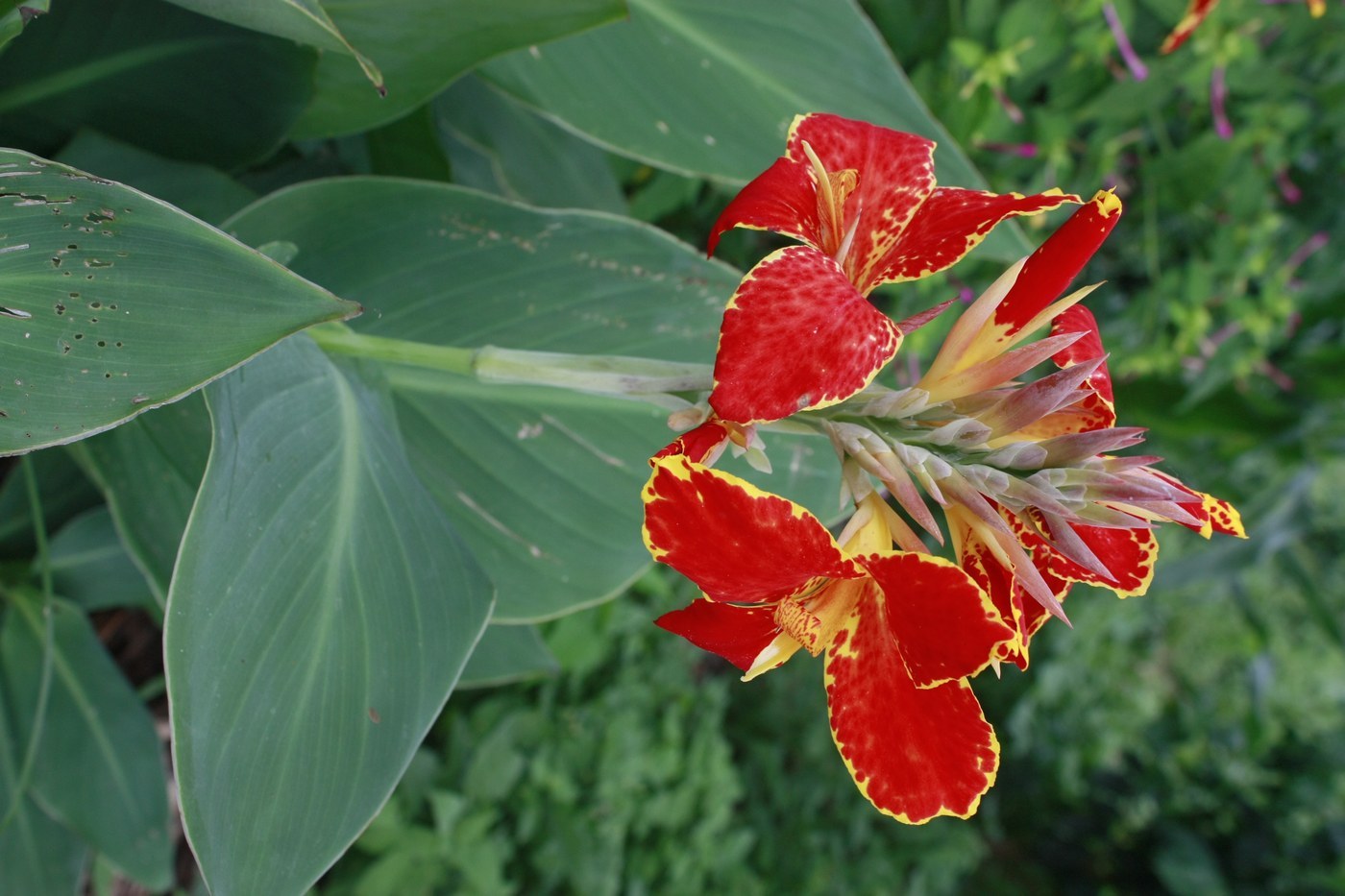
Big paddle leaves and showy asymmetric flowers identify cannas.
- Flowers: large, irregular, somewhat orchid-like blooms (actually showy modified stamens) on tall spikes; red, orange, yellow, pink, often spotted or bicolored
- Leaves: very large, broad, paddle- or banana-shaped; green, bronze, purple or variegated
- Habit: upright clumps typically 3-6 ft tall, some dwarfs and giants
- Seeds: hard, round, black seeds, hence the name 'Indian shot'
Care & growing
Cannas love heat, sun, moisture and rich soil.
- Light: full sun
- Water: plentiful; keep soil consistently moist (many tolerate boggy margins)
- Soil: rich, fertile, moisture-retentive soil
- Temperature: tender; thrives in heat, damaged by frost (hardy roughly zones 8-11)
- Feeding: feed regularly for lush growth and bloom
- Overwintering: in cold climates, lift rhizomes after frost and store dry and frost-free; replant in spring
- Propagation: divide rhizomes in spring
Habitat & origin
Canna indica is native to tropical and subtropical regions of the Americas, from the southern United States through Central and South America, growing in moist, sunny sites.
Cannas are grown worldwide as summer ornamentals, thriving where it's warm and naturalizing in frost-free zones. They are popular along pond edges, in tropical-style borders and in large containers.
Frequently asked questions
Is the canna lily a true lily?
No. Despite the name, cannas are not true lilies. They belong to their own family, more closely related to bananas and gingers.
Do I have to dig up cannas in winter?
In cold climates, yes. After the first frost, lift the rhizomes and store them dry and frost-free, then replant in spring. In frost-free zones they can stay in the ground.
Why aren't my cannas flowering?
Cannas need full sun, plenty of water, and rich, well-fed soil. Too much shade or poor feeding reduces blooming. Deadheading spent flowers also encourages more.
Can cannas grow in water?
Many cannas tolerate constantly moist soil and even shallow water at pond margins, making them excellent for bog and water gardens.
Canna Lily guides
In-depth guides for identifying, growing, and caring for Canna Lily.
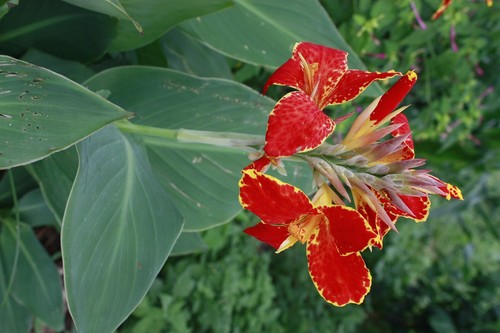
Canna Lily identified by the community
Real specimens identified with Plant Identifier.