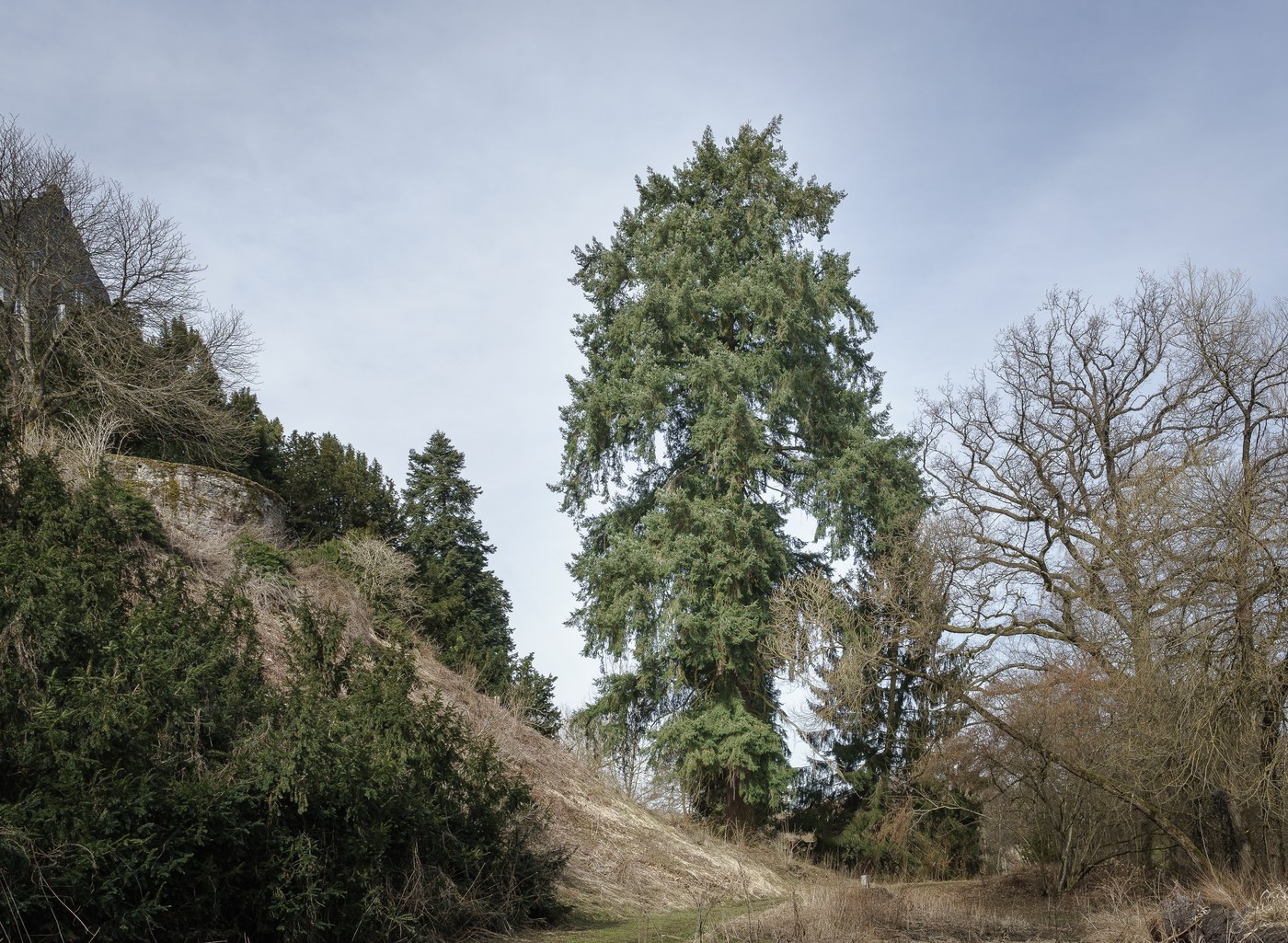
Douglas Fir
Pseudotsuga menziesii
Douglas fir is a towering western North American conifer prized as a timber and Christmas tree, recognizable by its soft flat needles and distinctive three-pointed bracts protruding from the cones.
- Light
- Full sun
- Water
- Moderate; moist well-drained soil
- Difficulty
- Moderate
Got a plant like this?
Identify any plant from a photo, free.
Overview
Douglas fir (Pseudotsuga menziesii) is one of the most important timber trees in the world and a defining species of the Pacific Northwest forests. Despite its common name, it is not a true fir (Abies) but belongs to its own genus, Pseudotsuga, meaning "false hemlock."
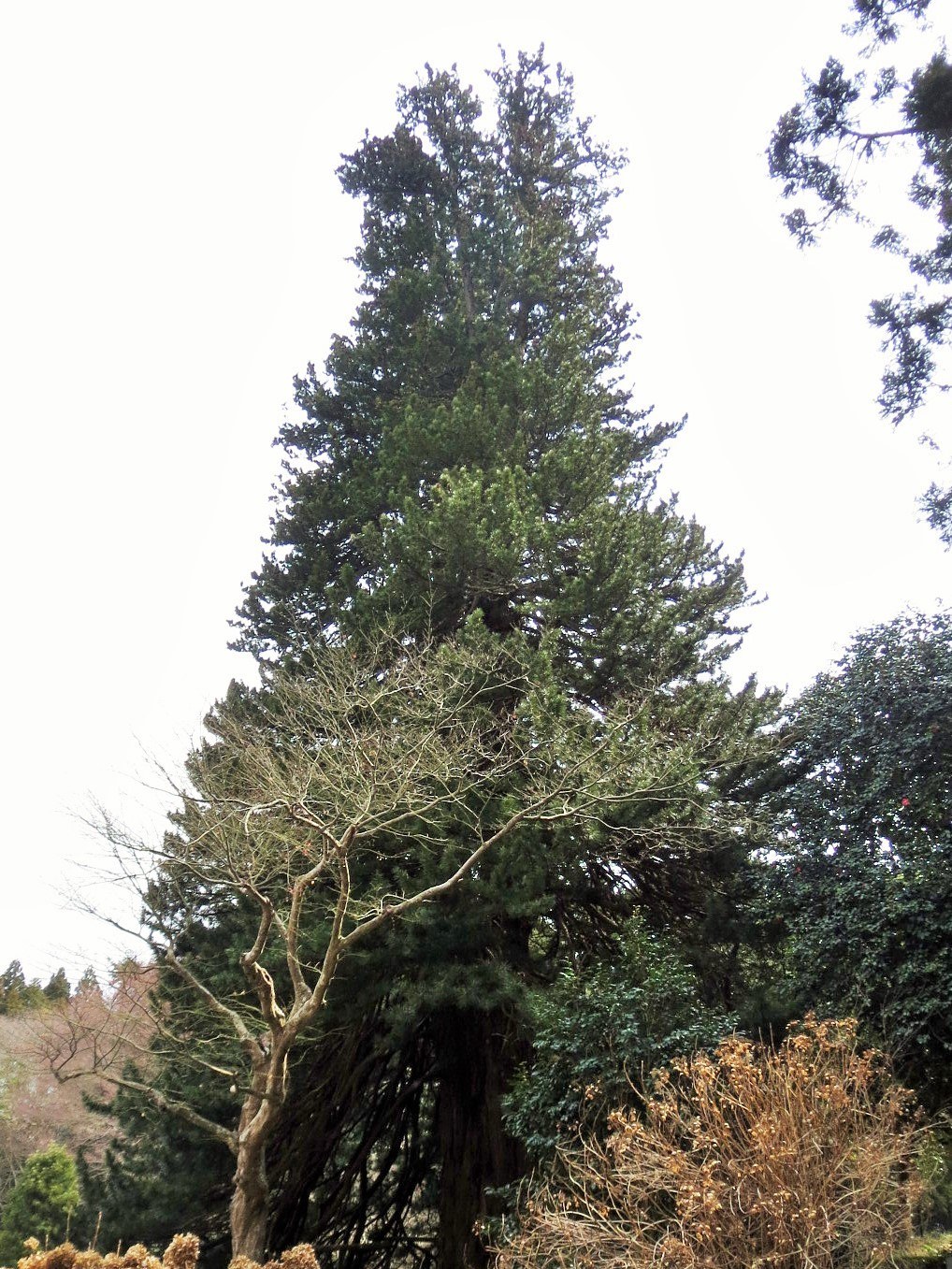
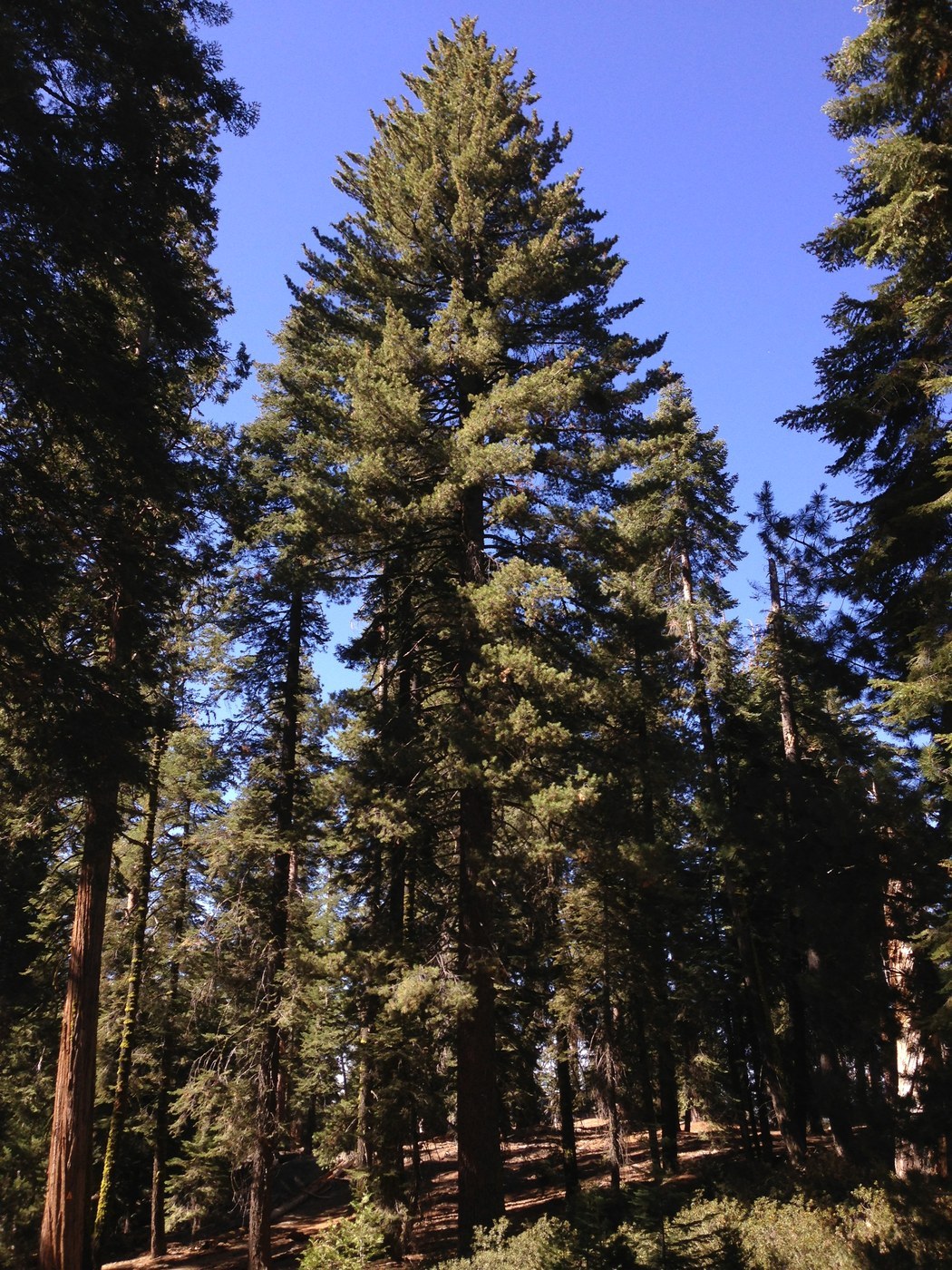
It is among the tallest conifers on Earth, with coastal specimens reaching over 100 m (330 ft). The tree is fast-growing, long-lived, and forms the backbone of both old-growth forests and commercial plantations.
Gardeners and foresters value it for fast growth, strong wood, and its near-universal use as a premium Christmas tree.
How to identify it
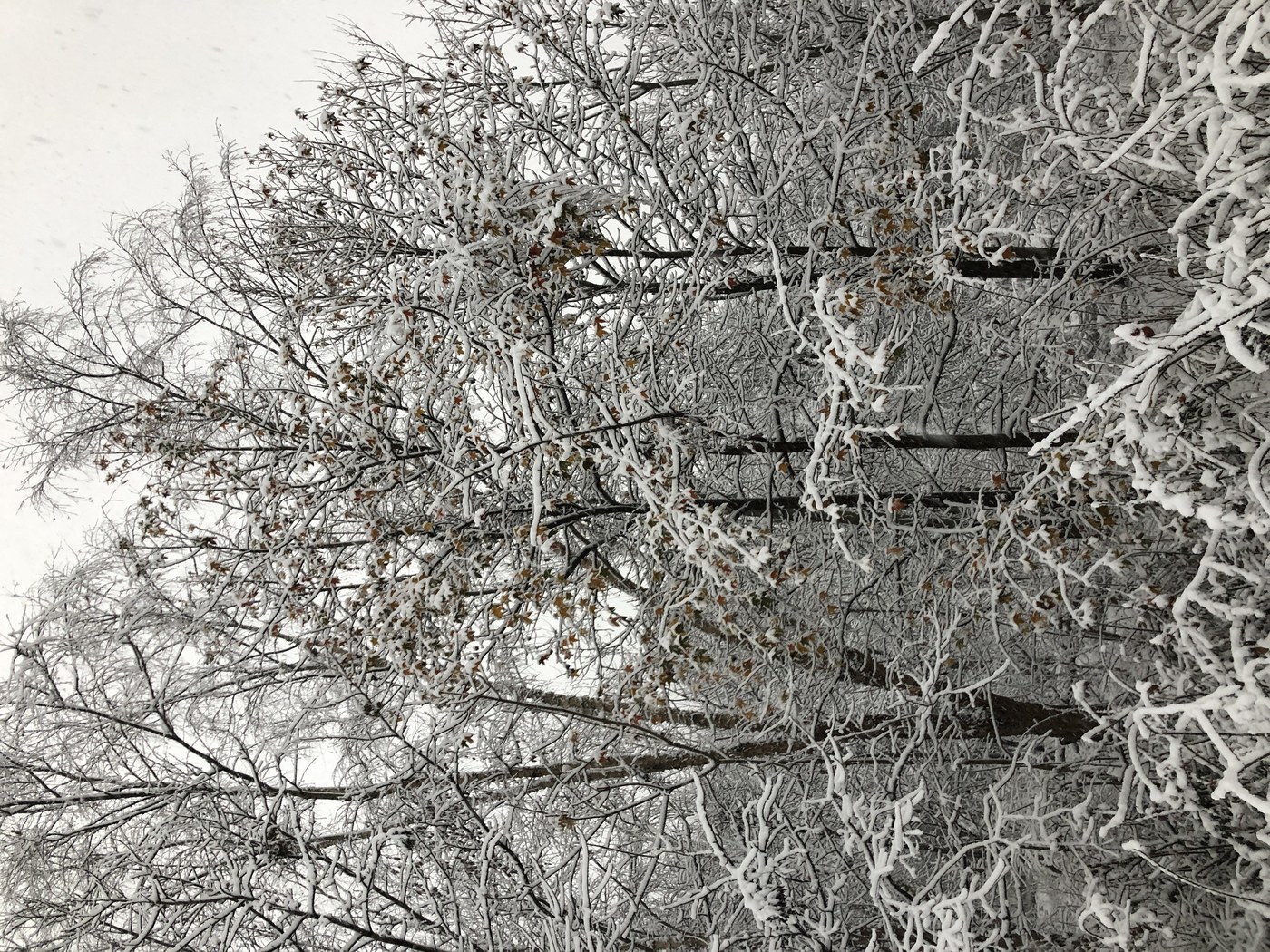
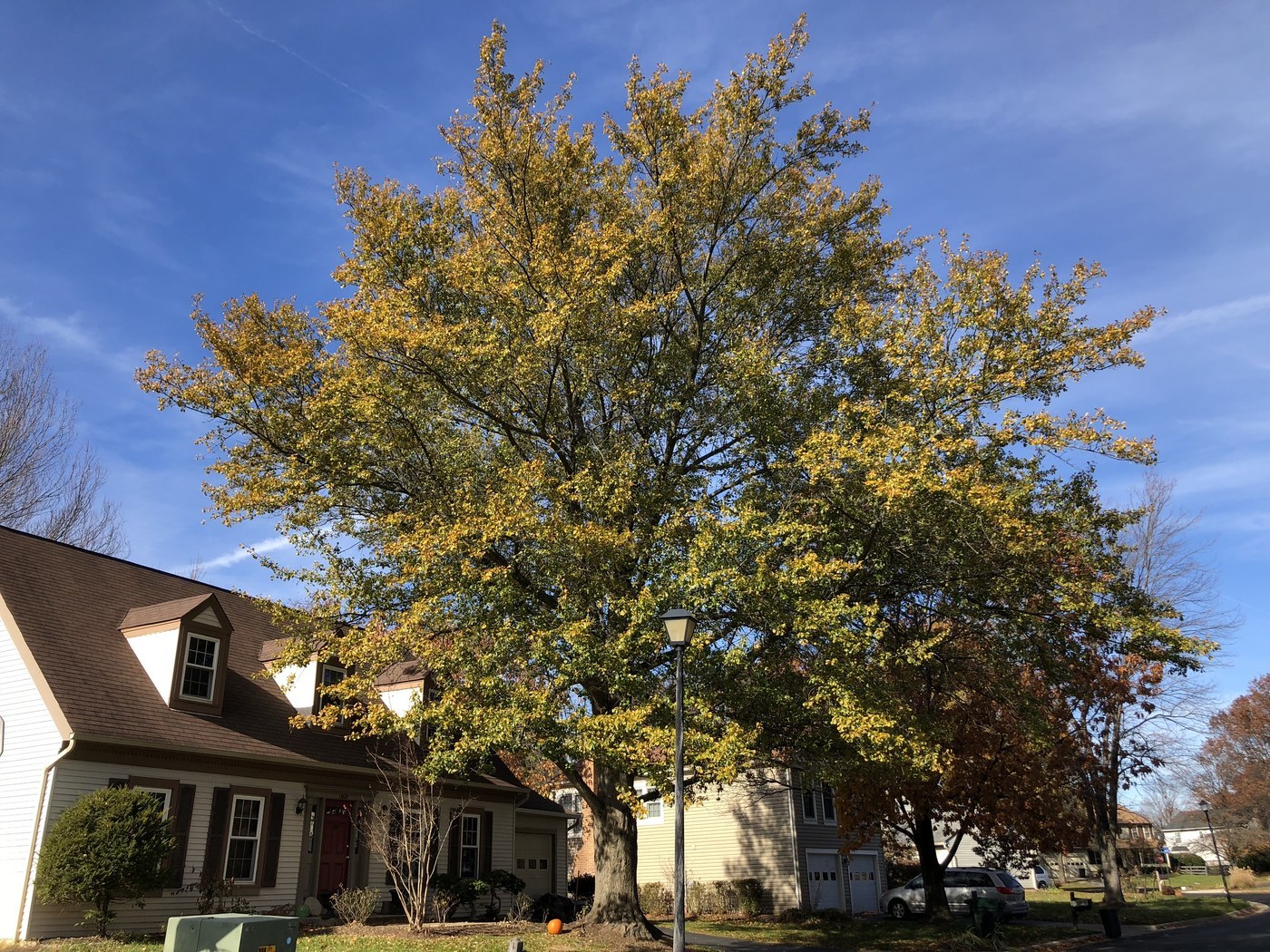
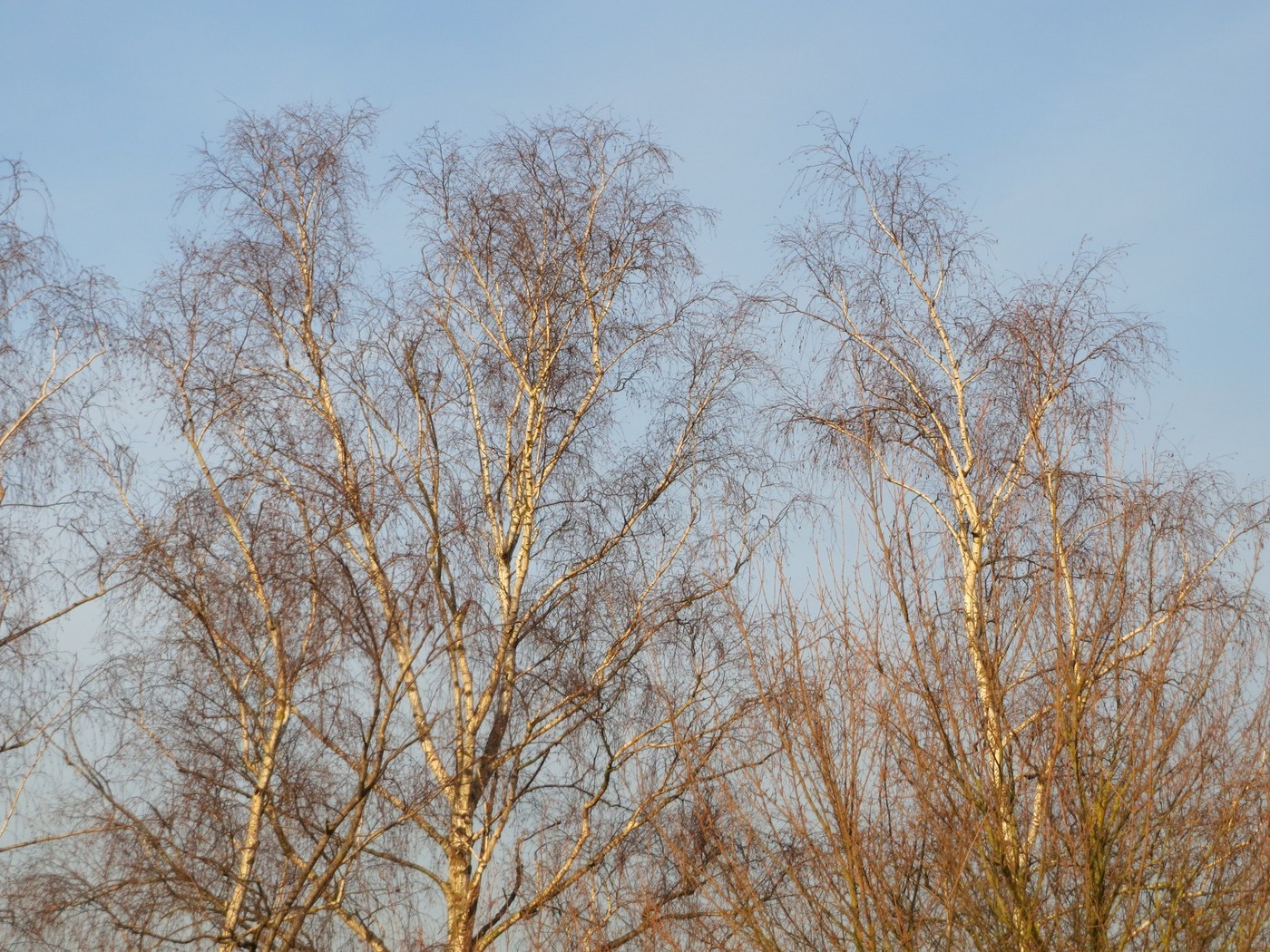
Look for a tall, straight conifer with a narrow, conical crown and gently drooping branches.
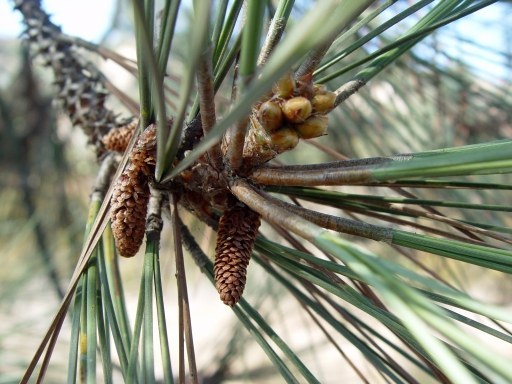
- Needles: soft, flat, 2-3.5 cm long, arranged spirally all around the twig; citrusy scent when crushed
- Cones: hang downward (3-10 cm) with unmistakable three-pronged, mouse-tail bracts sticking out between the scales
- Bark: smooth and gray with resin blisters when young, becoming thick, deeply furrowed, and corky with age
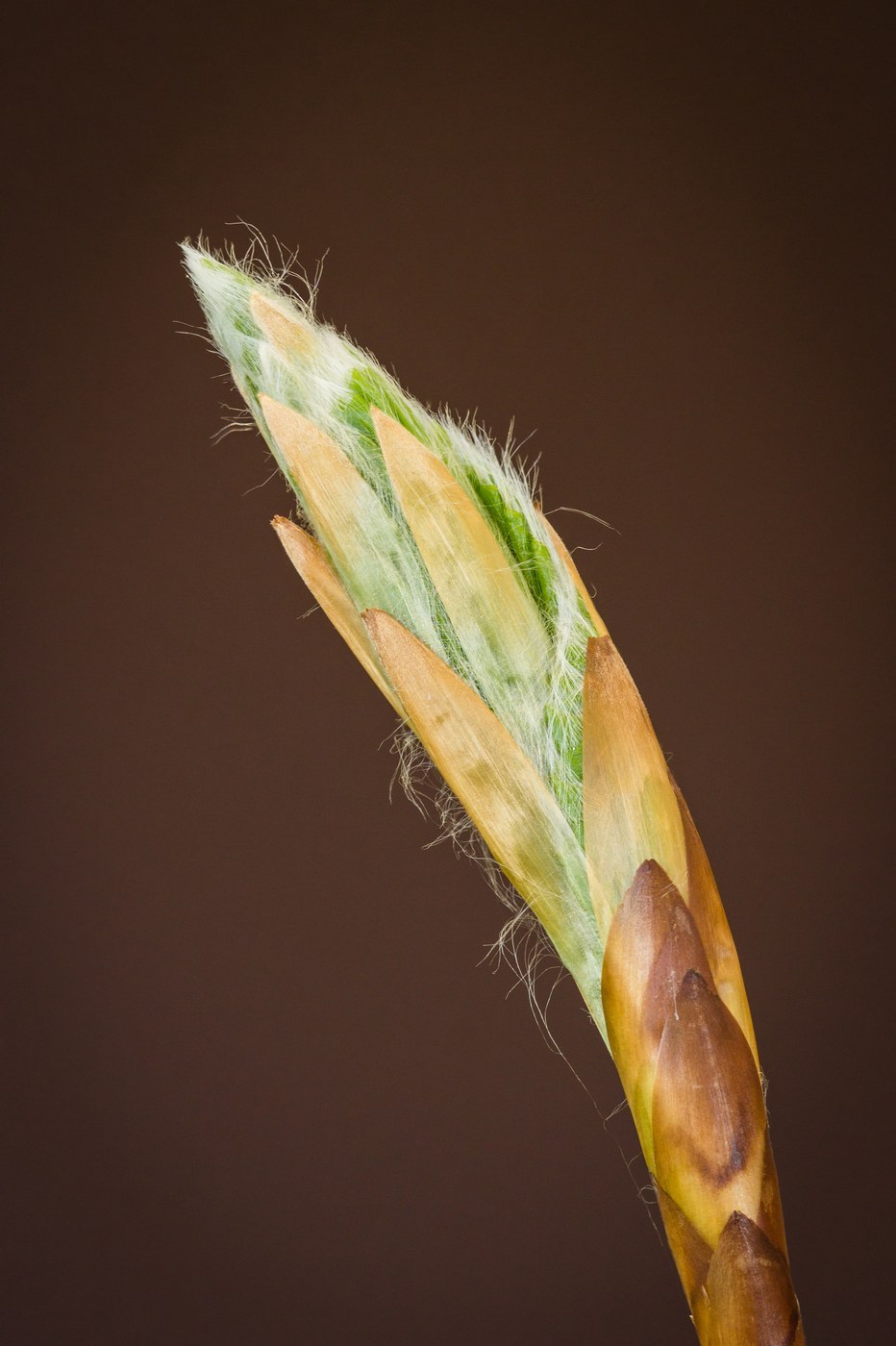
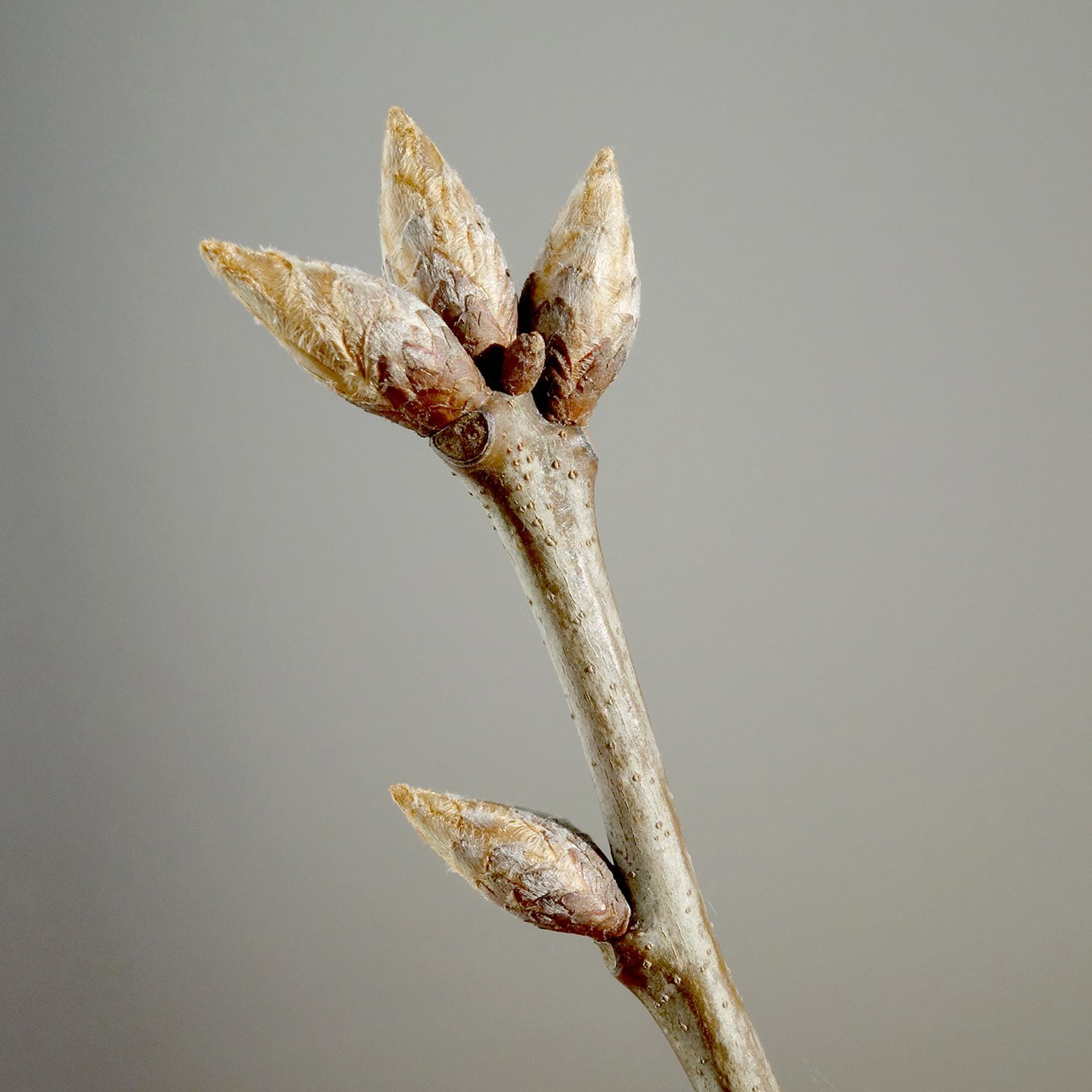
- Buds: pointed, reddish-brown, and shiny — a useful winter ID feature
- Size: commonly 20-60 m tall; coastal trees far taller
Care & growing
A hardy landscape and forestry tree for cooler temperate climates.
- Light: full sun for best form
- Water: keep soil consistently moist while young; established trees tolerate seasonal dryness
- Soil: deep, well-drained, slightly acidic loam; dislikes waterlogged sites
- Temperature: hardy in USDA zones 4-6 (coastal variety) to 6; needs cool, humid conditions
- Feeding: rarely needed in good soil; mulch to conserve moisture
- Propagation: from seed after cold stratification; cuttings are difficult
Habitat & origin
Native to western North America, from British Columbia south through the Rocky Mountains to Mexico. Two main varieties exist: the larger, faster coastal Douglas fir and the hardier, slower interior (Rocky Mountain) form.
It grows in moist coastal forests and mountain slopes, often forming vast pure or mixed stands. It is now planted commercially across Europe, New Zealand, and other temperate regions for timber and Christmas trees.
Frequently asked questions
Is Douglas fir a true fir?
No. It belongs to the genus Pseudotsuga, not Abies. Its cones hang down and have distinctive three-pointed bracts, unlike the upright cones of true firs.
How tall does Douglas fir get?
Coastal Douglas firs commonly reach 60-75 m, with record trees exceeding 100 m, making them among the tallest trees on Earth.
How do I identify its cones?
The hanging cones have unmistakable three-pronged bracts sticking out between the scales, often compared to the back legs and tail of a mouse.
Does it make a good Christmas tree?
Yes. It holds its soft needles well, has a citrus scent, and is one of the most popular cut Christmas trees in North America.
Douglas Fir guides
In-depth guides for identifying, growing, and caring for Douglas Fir.
How to Care for Douglas Fir
Grow the stately Douglas Fir in full sun with moist, well-drained soil — a fast, hardy evergreen conifer for spacious landscapes.
Douglas Fir Identification Guide
A practical guide to identifying Douglas fir by its soft flat needles, three-pronged bracts on the cones, and pointed buds.