Golden Rain Tree
Koelreuteria paniculata
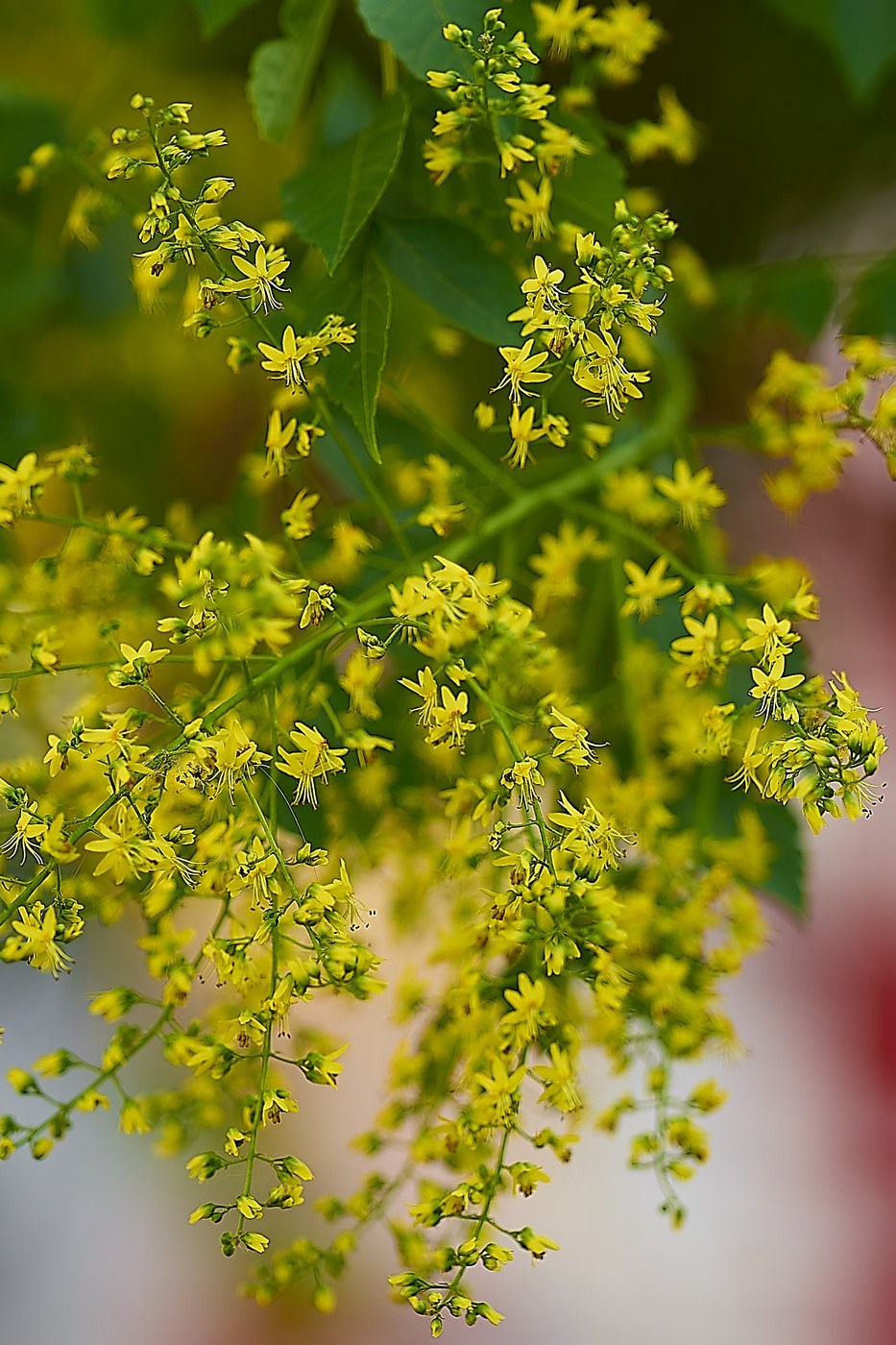
The golden rain tree is a small to medium deciduous shade tree noted for its large sprays of bright yellow summer flowers followed by papery, lantern-like seed capsules. It is tough, adaptable, and popular as a street and lawn tree.
- Light
- Full sun
- Water
- Moderate; drought-tolerant
- Difficulty
- Easy
Got a plant like this?
Identify any plant from a photo, free.
Overview
Koelreuteria paniculata is a deciduous tree native to eastern Asia, widely grown for its showy yellow flower panicles, distinctive inflated seed pods, and easygoing nature.
In midsummer it produces large, airy clusters of small golden flowers that shower the ground with petals, giving it its common name. These are followed by papery, three-sided capsules that resemble Chinese lanterns and turn from green to pink-bronze.
Tolerant of heat, drought, poor soil, and urban pollution, it is a reliable ornamental for difficult sites, though it can self-seed readily.
How to identify it
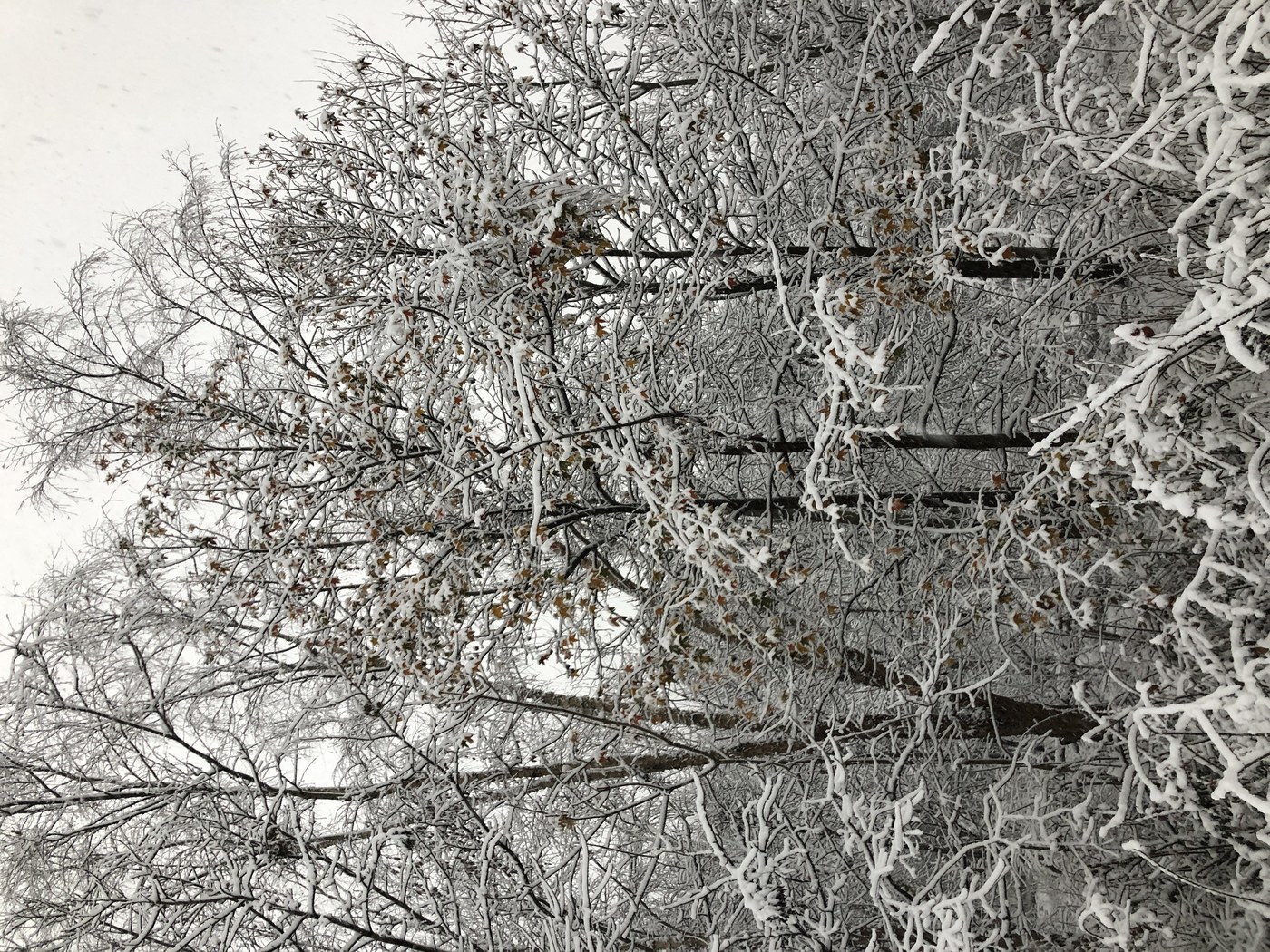
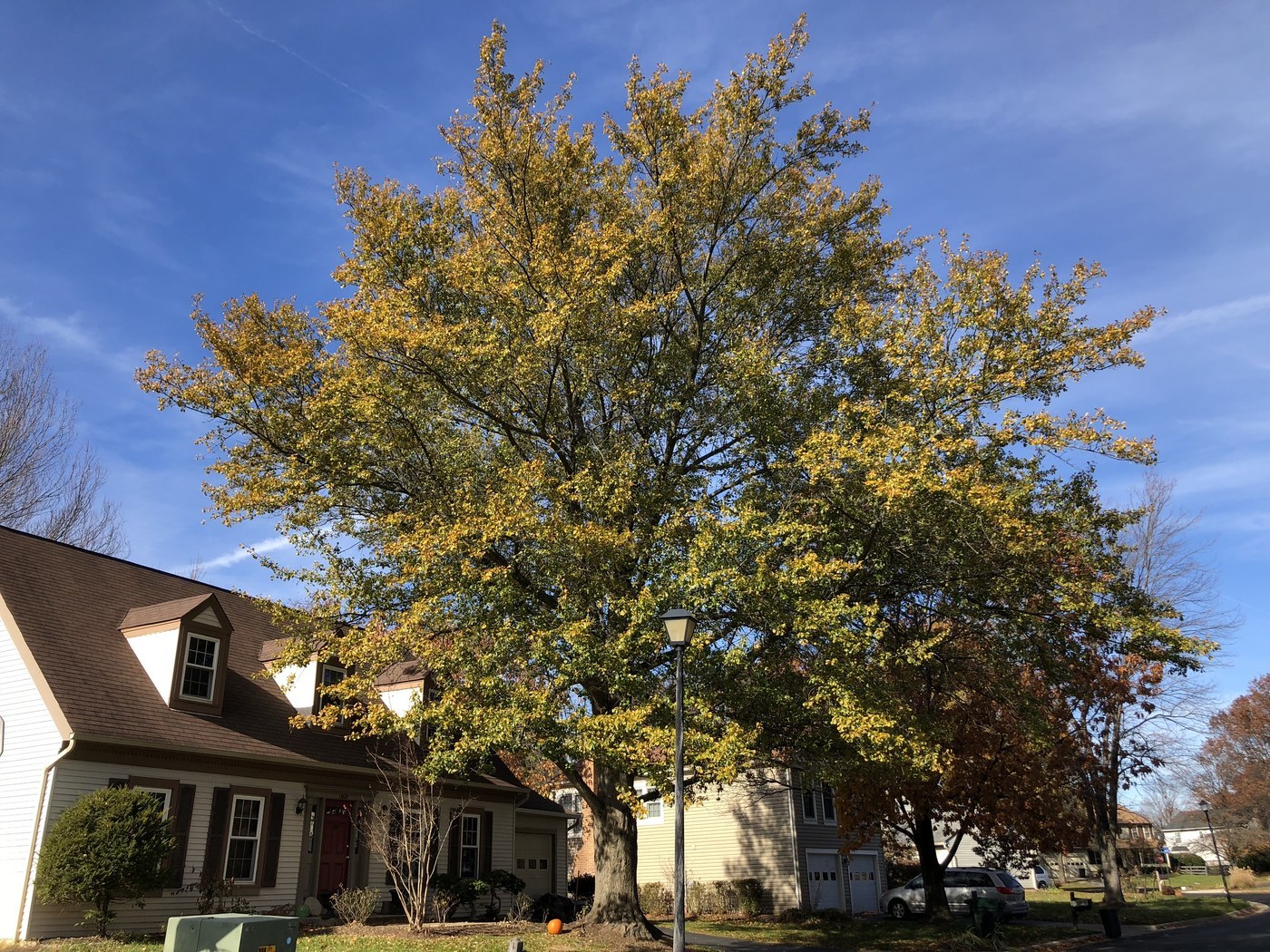
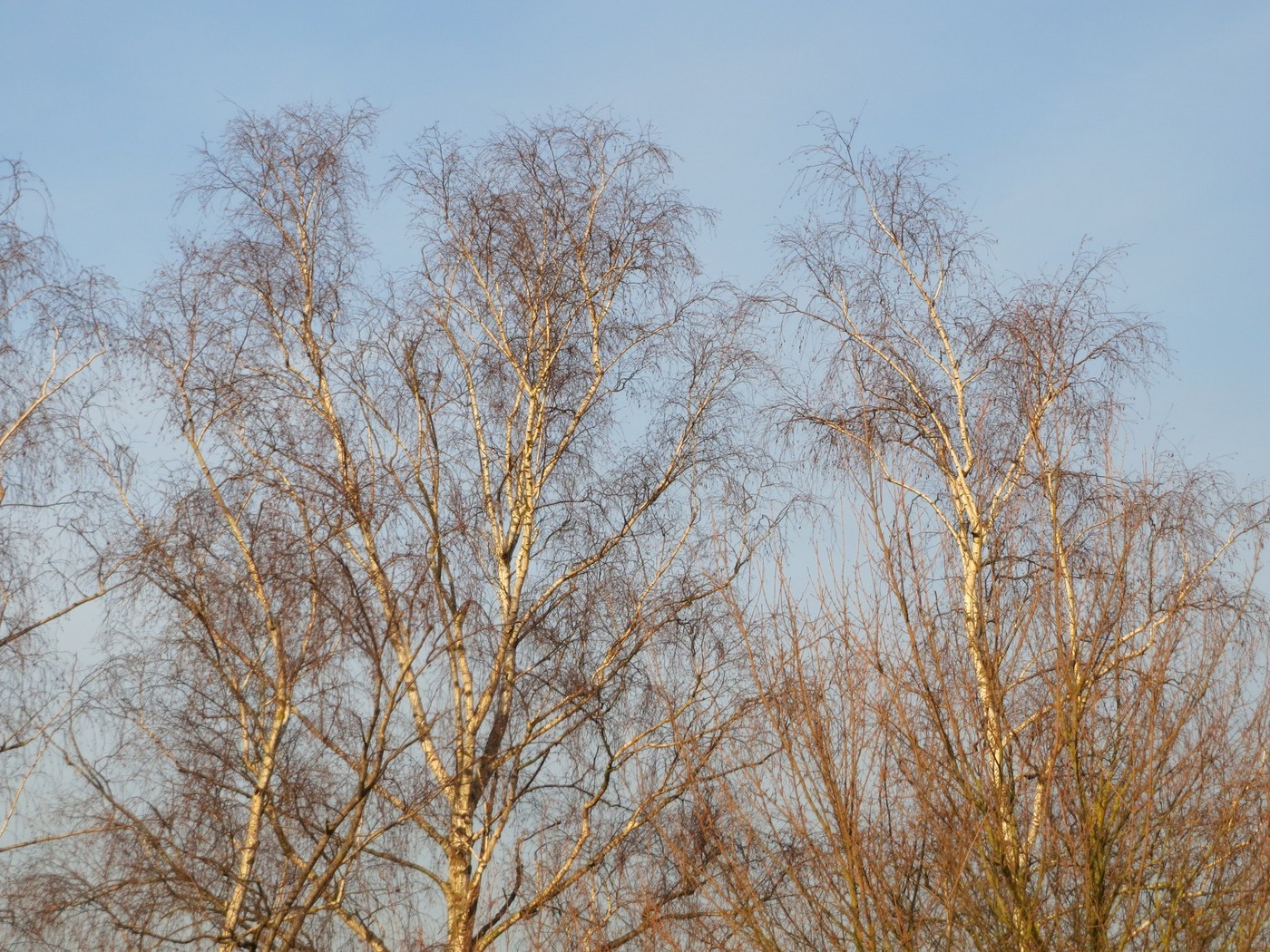
A small to medium deciduous tree reaching 7-12 m with a rounded, spreading crown.
- Leaves: large, pinnate or bipinnate, with many coarsely toothed leaflets; often emerging pinkish, turning yellow in autumn
- Flowers: small yellow blooms with a reddish center, borne in large terminal panicles in mid to late summer
- Fruit: distinctive papery, inflated, three-lobed lantern-like capsules, green ripening to pink-brown
- Bark: grey-brown, ridged and furrowed with age
- Habit: broad and rounded, sometimes wider than tall
Care & growing
An undemanding tree well suited to tough urban conditions.
- Light: full sun
- Water: moderate; highly drought-tolerant once established
- Soil: adaptable to a wide range, including poor, alkaline, and compacted soils
- Temperature: hardy across USDA zones 5-9
- Feeding: rarely needed
- Propagation: from seed (which germinates readily) or root cuttings; note that seedlings can become weedy
Habitat & origin
Native to China and Korea, where it grows in mixed woodland and on hillsides.
It has been widely planted as an ornamental and street tree across Europe and North America and has naturalized in parts of the eastern and southern United States, where it can spread into disturbed sites.
Frequently asked questions
Why is it called the golden rain tree?
Its summer panicles of yellow flowers drop their petals like a shower of gold, carpeting the ground beneath the tree.
What are the papery pods?
They are its seed capsules, inflated and lantern-shaped, turning from green to pink-bronze and adding ornamental interest into autumn.
Is the golden rain tree invasive?
It self-seeds freely and has naturalized in parts of the southeastern United States, so it can become weedy in some regions.
Is this the same as the laburnum?
No. Laburnum is also called golden rain but is a different legume with clover-like trifoliate leaves; Koelreuteria has large pinnate leaves and very different lantern-like seed capsules.
Golden Rain Tree guides
In-depth guides for identifying, growing, and caring for Golden Rain Tree.
How to Care for Golden Rain Tree
Grow Koelreuteria paniculata, a tough deciduous shade tree with golden summer flower panicles, in full sun and well-drained soil.
Golden Rain Tree Identification Guide
How to identify the Golden Rain Tree by its sprays of yellow summer flowers, papery lantern-like seed pods, and feathery compound leaves.