Gray Pine
Pinus sabiniana
A sparse, open-crowned California pine known for its ghostly gray-green foliage and enormous, heavy cones with large seeds. It is endemic to the dry foothills surrounding California's Central Valley.
- Light
- Full sun
- Water
- Very drought-tolerant once established
- Difficulty
- Moderate
Got a plant like this?
Identify any plant from a photo, free.
Overview
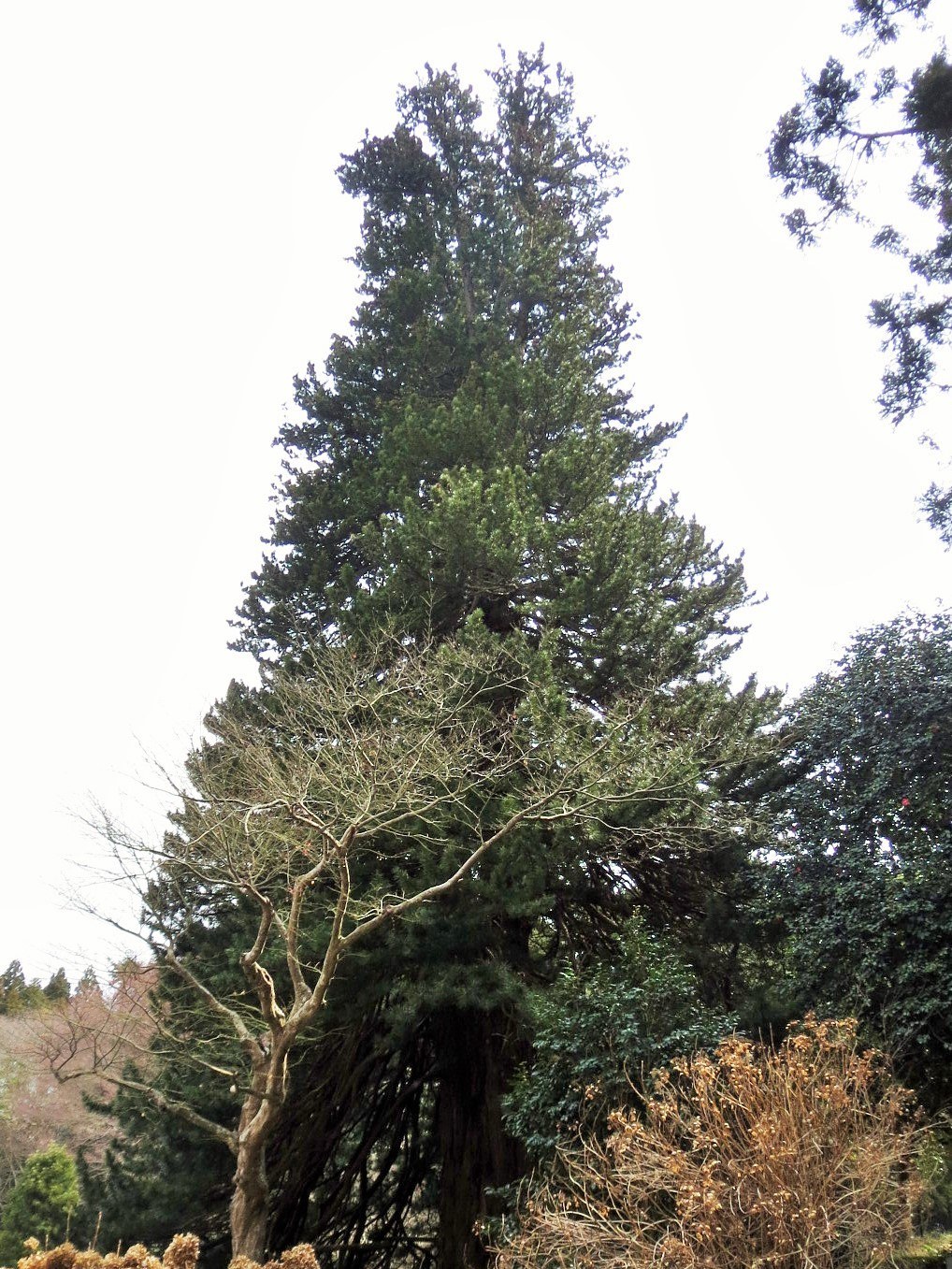
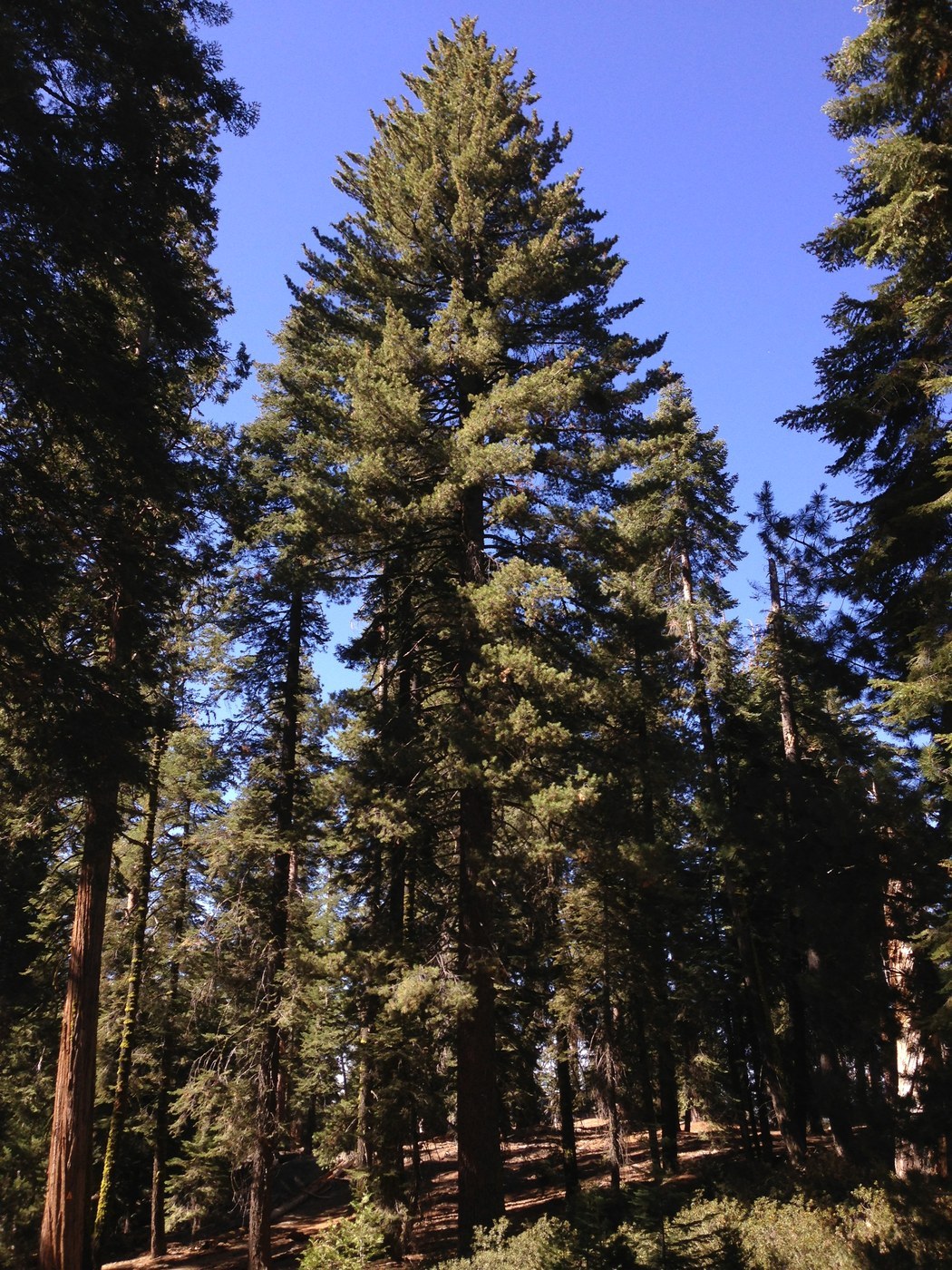
Gray pine is an open, often forked conifer endemic to California, where it rings the Central Valley in the hot, dry foothills below the higher mountain forests. Its airy, sparse crown lets sunlight pass through, giving the tree a translucent, ghostly look that earned it the name 'ghost pine.'
Mature trees commonly fork into multiple leaning trunks, producing an irregular silhouette quite unlike the dense, symmetrical pines of cooler climates. It is exceptionally tolerant of heat and summer drought.
The massive cones and large seeds were important to Indigenous Californians, and the tree remains an important component of foothill woodland and chaparral ecosystems.
How to identify it
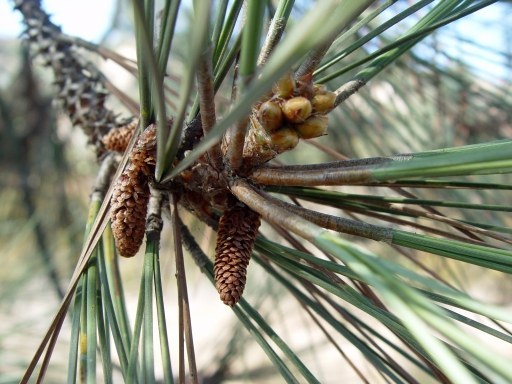
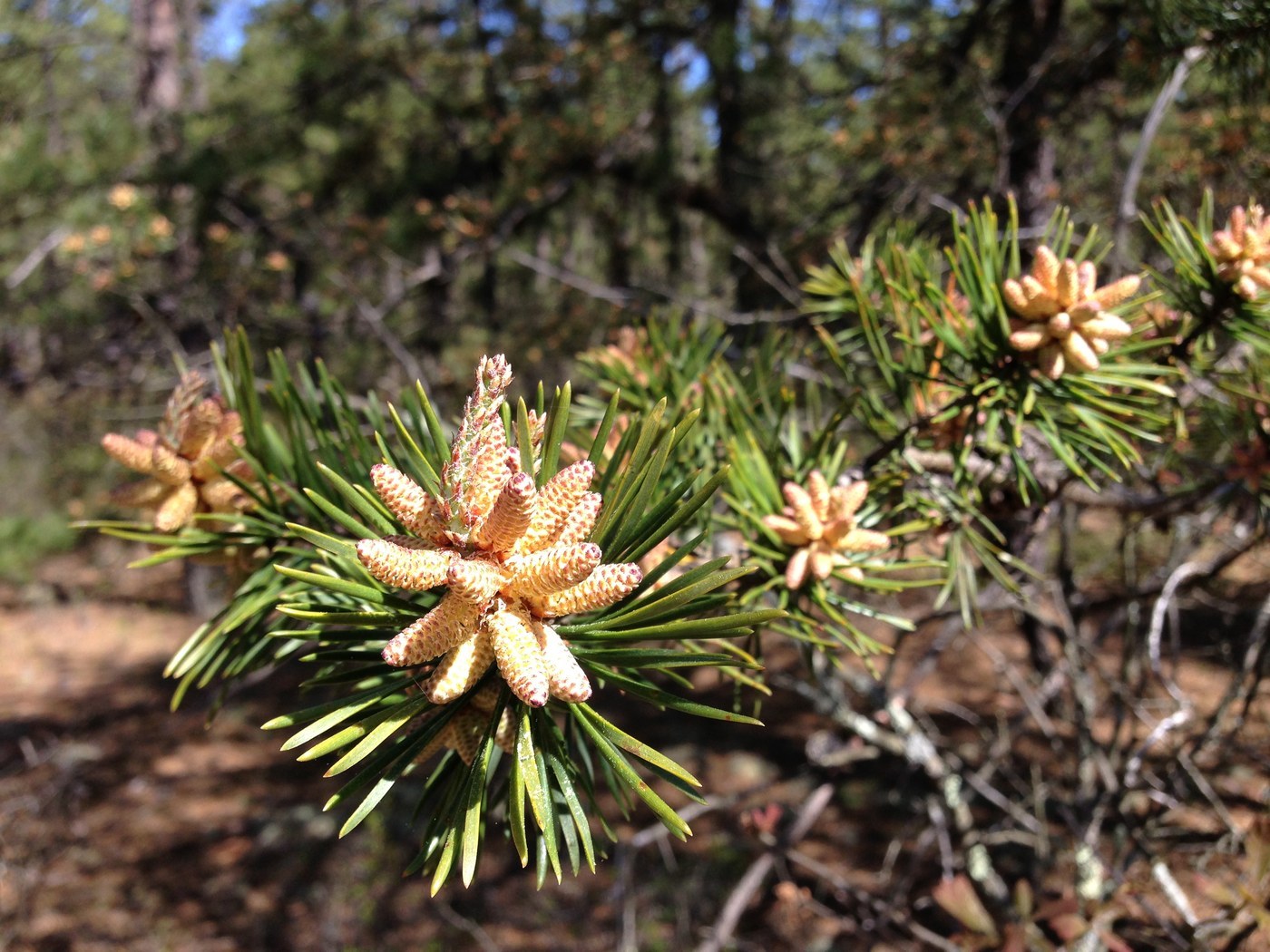
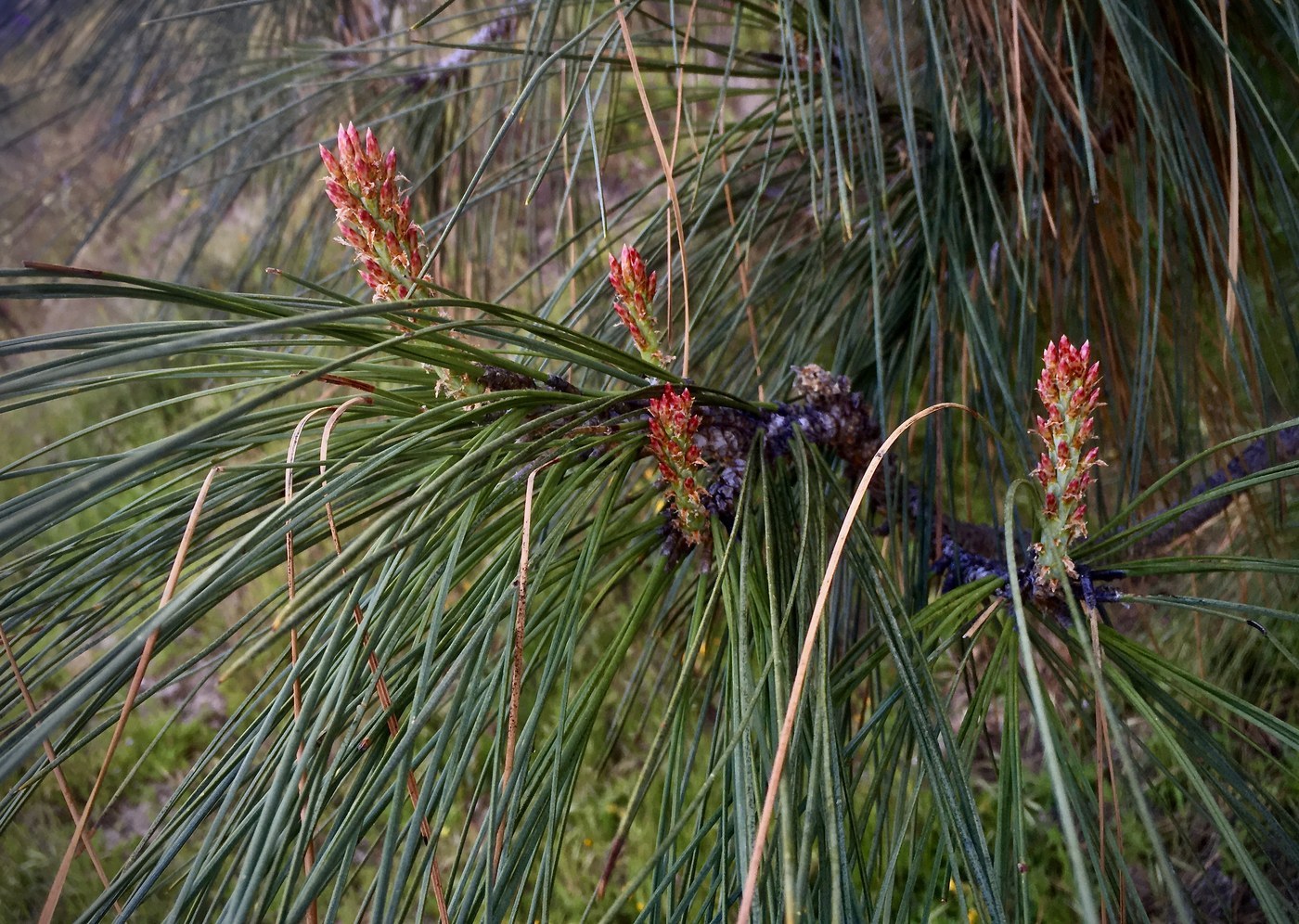
- Needles: long (8–12 in / 20–30 cm), drooping, dull gray-green to bluish, in bundles of three
- Crown: sparse, open and airy; trunk frequently forks low into several leaning stems
- Cones: very large and heavy (6–10 in), woody with sharp downcurved claws on each scale
- Seeds: large, hard-shelled, roughly the size of a small bean
- Bark: dark gray-brown, furrowed into irregular ridges
- Size: typically 40–70 ft (12–21 m) tall
Care & growing
Plant in full sun with fast-draining soil; it naturally grows on poor, rocky foothill soils.
- Water: deeply drought-tolerant once established—mimic a Mediterranean climate with dry summers
- Soil: tolerates serpentine, rocky and nutrient-poor ground; avoid soggy sites
- Temperature: thrives in hot summers and mild, wet winters; hardy to roughly USDA zone 7
- Feeding: rarely needed; native to lean soils
- Propagation: from seed (large seeds benefit from cold stratification)
Give it room—its open form and heavy falling cones make it best for large landscapes.
Habitat & origin
Endemic to California, gray pine forms a near-continuous ring through the foothills surrounding the Central Valley and the inner Coast Ranges, generally between about 500 and 4,500 ft elevation.
It is a defining tree of foothill woodland, growing alongside blue oak and chaparral shrubs in hot, dry sites. It is occasionally cultivated in dry-climate gardens but is uncommon in the nursery trade.
Frequently asked questions
Why is it called gray pine?
Its needles are a dull gray-green to bluish color, and the sparse crown lets light through, giving the whole tree a hazy, grayish, ghostly appearance.
Are the cones really that big?
Yes—gray pine produces some of the heaviest cones of any pine, often 6–10 inches long and quite woody, with sharp claw-like tips. Stand clear when they fall.
Where does it grow naturally?
It is endemic to California, ringing the Central Valley through the dry foothills and inner Coast Ranges, often with blue oak.
Gray Pine guides
In-depth guides for identifying, growing, and caring for Gray Pine.
How to Care for Gray Pine
Care guide for Pinus sabiniana: a drought-hardy California native pine with airy grey-green needles, an open branching habit, and massive cones.
Gray Pine Identification Guide
How to recognize Gray Pine (Pinus sabiniana) by its sparse blue-gray foliage, forked open crown, and massive heavy cones with sharp talon-like prongs.