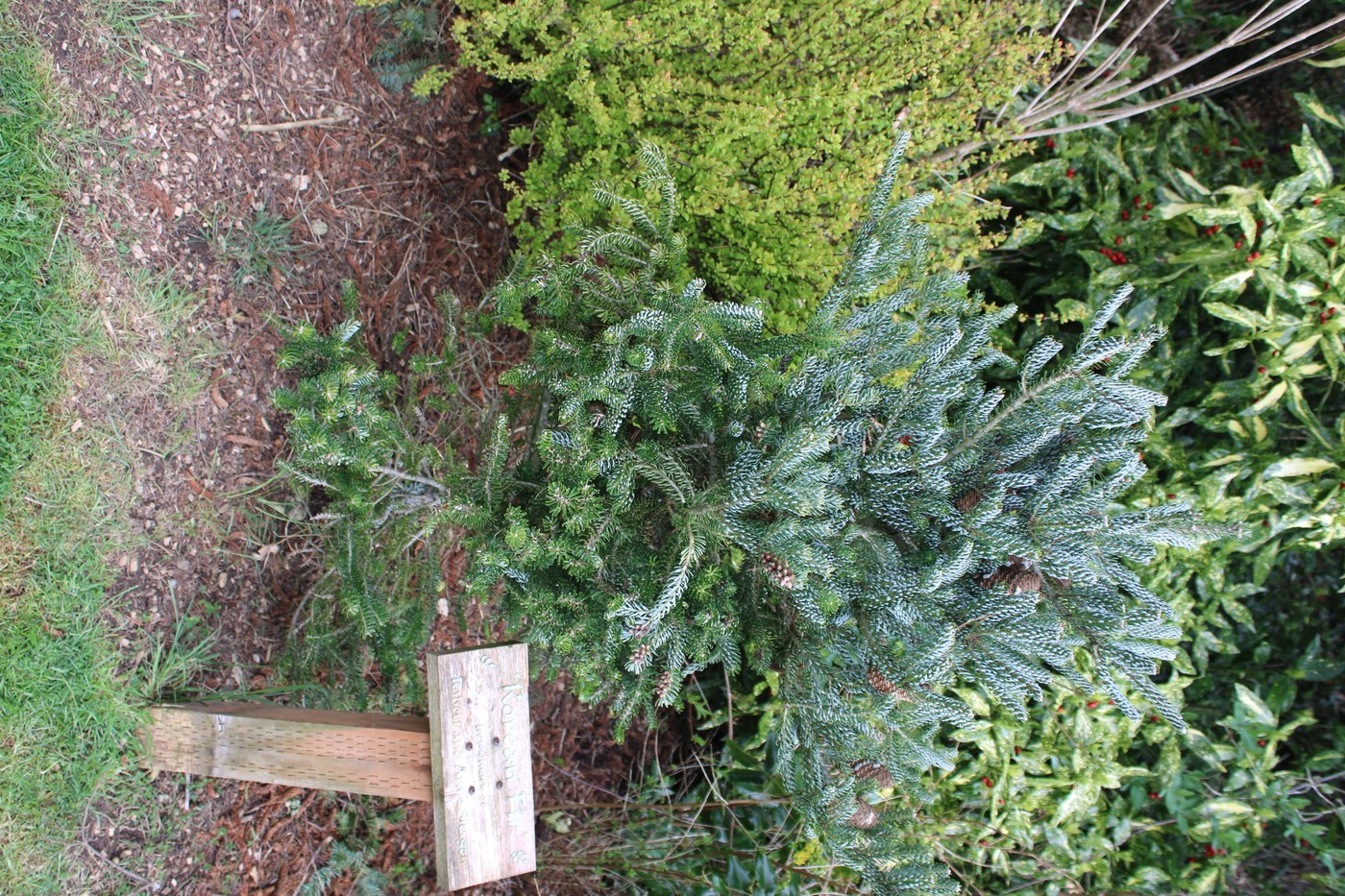
Korean Fir
Abies koreana
Korean Fir is a compact, slow-growing conifer famous for producing showy violet-blue upright cones even on young trees. Its short needles show silvery undersides, making it a favorite garden and dwarf-conifer specimen.
- Light
- Full sun to light shade
- Water
- Keep evenly moist; well-drained
- Difficulty
- Easy
Got a plant like this?
Identify any plant from a photo, free.
Overview
Korean Fir (Abies koreana) is a small to medium evergreen conifer native to the high mountains of South Korea. It is one of the most garden-worthy firs because it produces ornamental cones at a young age and stays manageable in size.
Numerous dwarf and compact cultivars such as 'Silberlocke' (with curled needles showing their silver undersides) and 'Silberperle' make it a staple of rockeries and small gardens.
How to identify it
- Needles: Short (1-2 cm), dark green above with two bright silvery-white bands beneath; densely arranged
- Cones: Striking erect violet-blue to purple cones 4-7 cm long, produced even on young, small trees
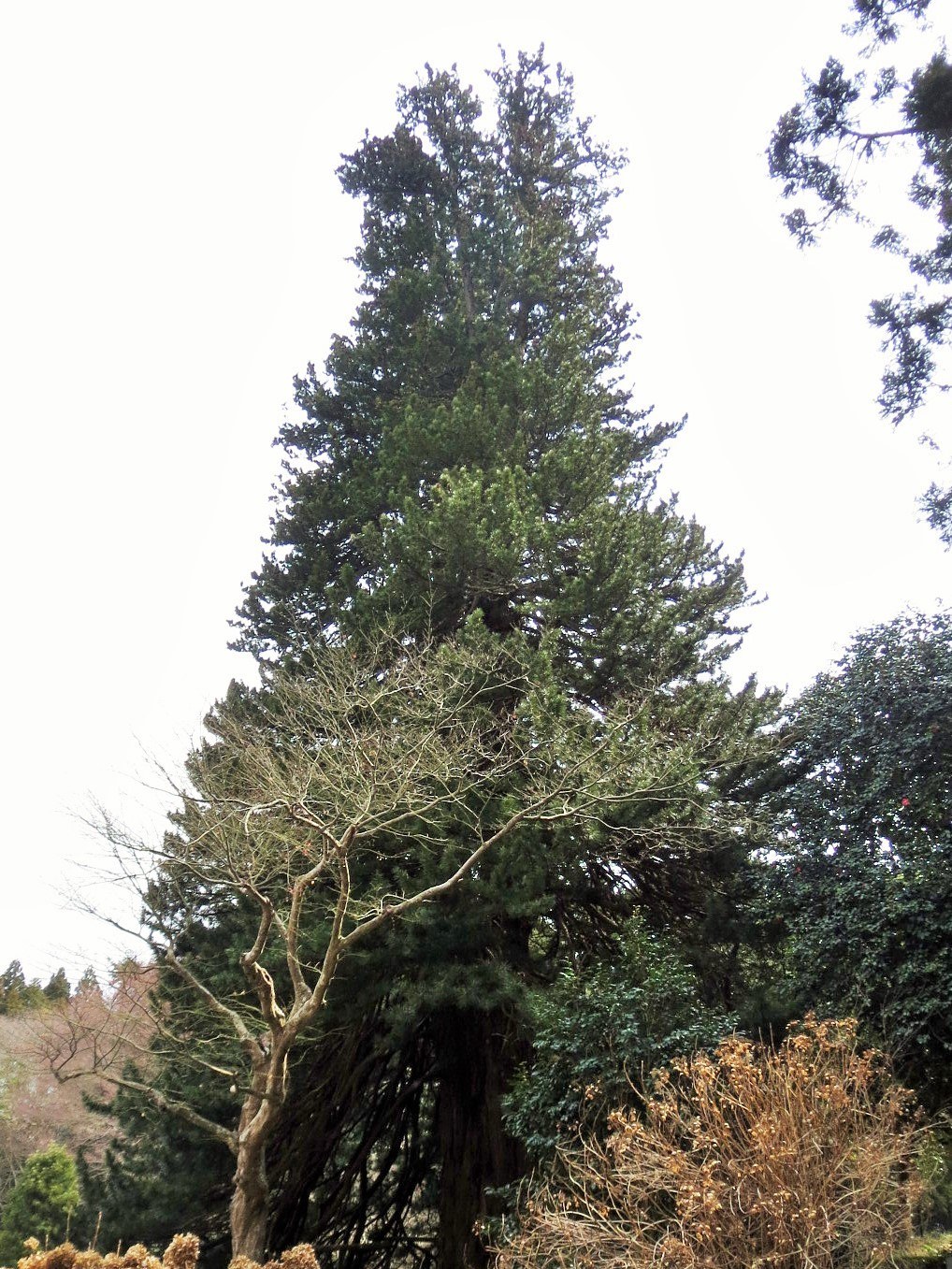
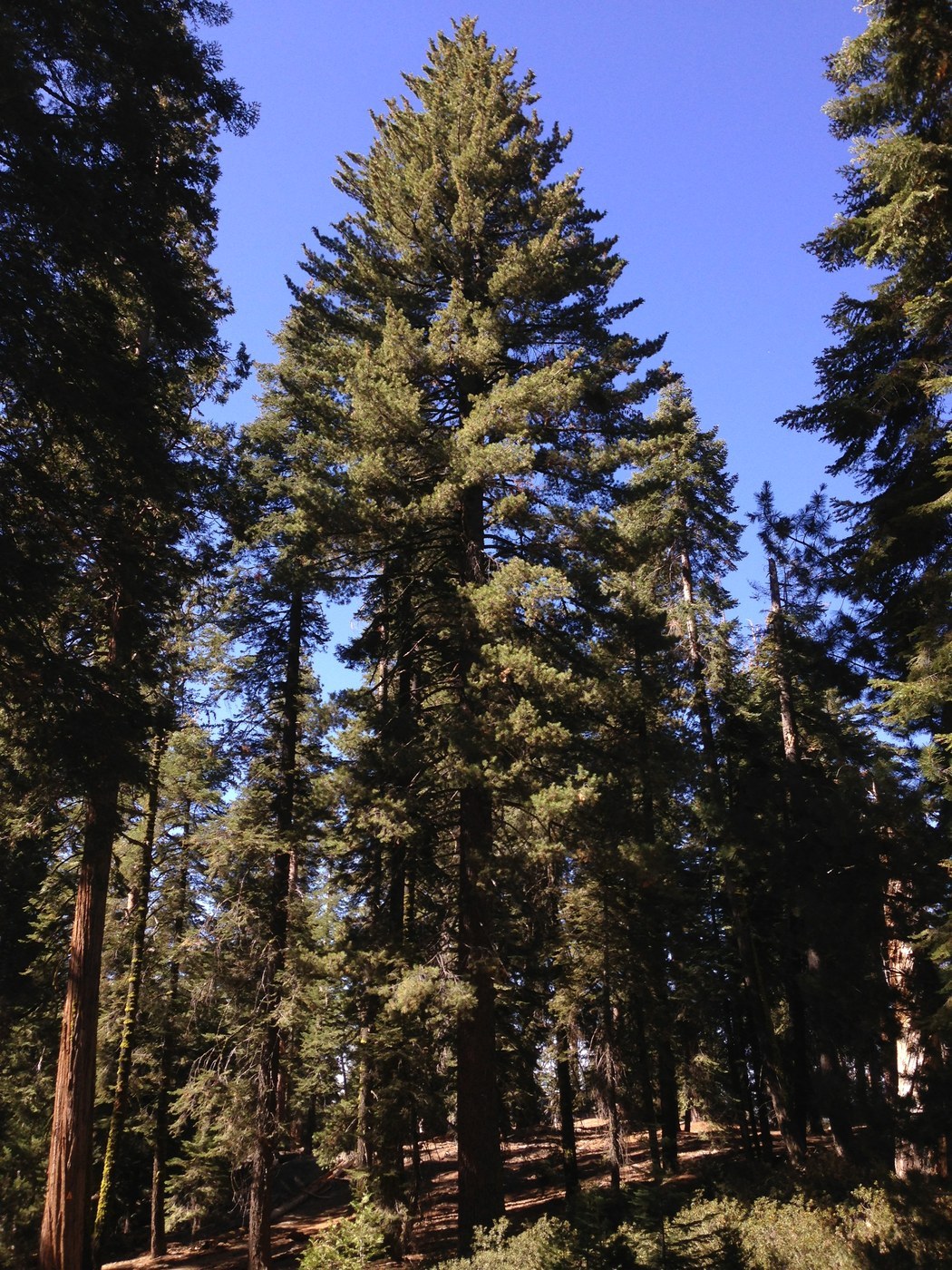
- Habit: Slow-growing, narrowly conical; typically 5-10 m in gardens, up to 18 m in the wild
- Bark: Smooth and grey with resin blisters when young
- The vivid purple young cones combined with silver needle undersides make it easy to recognize
Care & growing
Light: Full sun to light shade.
Water: Keep soil evenly moist, especially when young; does not like to dry out or to sit in water.
Soil: Well-drained, slightly acidic, moist loam is ideal.
Temperature: Very cold-hardy (USDA zones 5-6); prefers cool summers and dislikes prolonged heat and humidity.
Feeding: Light feeding or mulch in spring.
Propagation: Species from seed; cultivars are grafted onto fir rootstock.
Habitat & origin
Native to the high subalpine mountains of South Korea, including Jeju Island (Mount Halla) and the southern mainland ranges, generally above 1,000 m. It grows in cool, moist, montane conditions.
Wild populations are declining due to climate warming, and the species is listed as Endangered in its native range. It is, however, extremely widely planted as an ornamental across the cool-temperate world.
Frequently asked questions
Why does Korean Fir have purple cones?
The young upright cones are naturally violet-blue, a pigmentation trait of the species; they ripen to brown before disintegrating on the tree.
Does it cone when small?
Yes, unusually it can produce its showy cones while still only a few feet tall, which is a major reason it is grown.
Is Korean Fir good for small gardens?
Very much so. It is slow-growing and many dwarf cultivars stay compact for decades.
What is 'Silberlocke'?
A popular cultivar whose needles curl upward to reveal their silvery-white undersides, giving the whole tree a frosted look.
Korean Fir guides
In-depth guides for identifying, growing, and caring for Korean Fir.
How to Care for Korean Fir
Korean fir is a slow, elegant evergreen conifer famous for its striking violet-blue cones and silvery-backed needles in cool, moist gardens.
Korean Fir Identification Guide
How to identify Korean fir (Abies koreana) by its short curled needles with vivid silver undersides and striking violet-blue upright cones. Covers needles, cones, bark, and look-alikes.